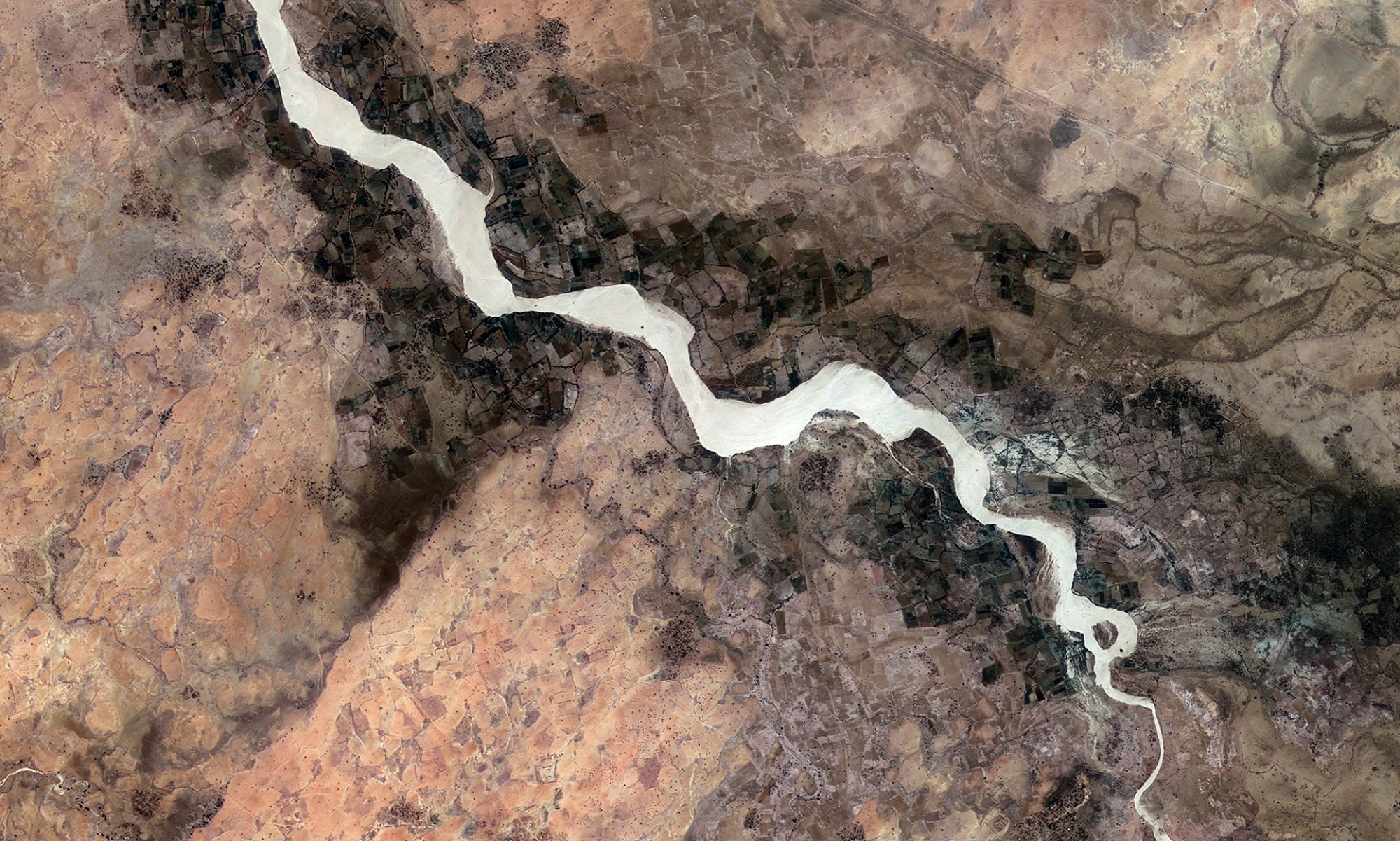

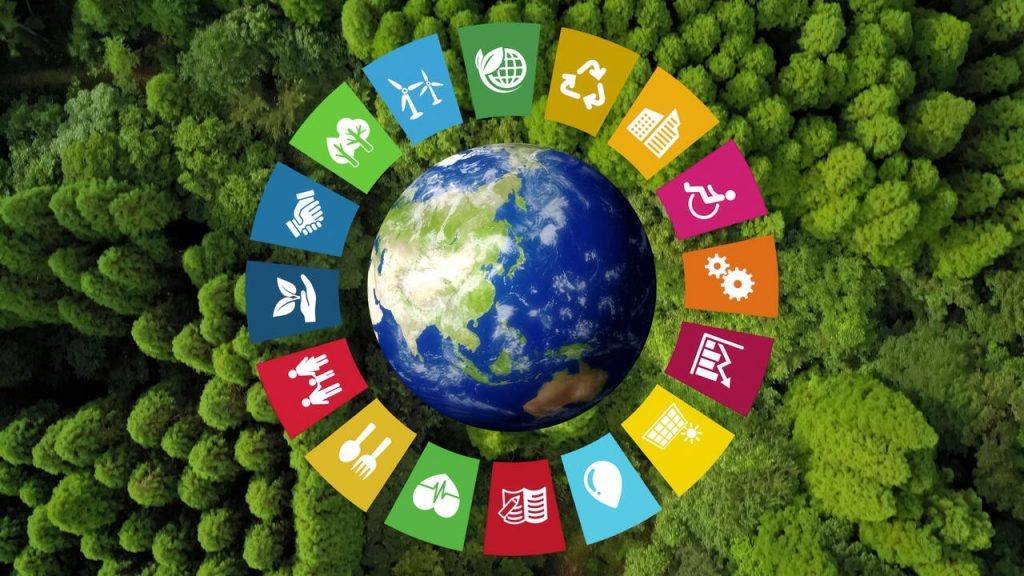
Darfur’s diverse natural environment is fundamental to the region’s sustainable development and plays an instrumental role in achieving the United Nations’ Sustainable Development Goals (SDGs). The region’s ecosystems—including its watersheds, rangelands, and biodiverse habitats—support essential services that underpin human well-being, economic resilience, and ecological balance. A strong commitment to sustainable resource management in Darfur not only preserves its environmental heritage but also catalyzes equitable, long-term development.
Key Linkages Between Darfur’s Environment and the SDGs
- SDG 6 (Clean Water and Sanitation): By safeguarding watersheds and groundwater reserves, Darfur can ensure access to clean water and robust sanitation systems. Effective management of water resources—through initiatives like watershed protection, improved irrigation practices, and conservation projects—strengthens community resilience against droughts and water scarcity. These efforts are crucial for maintaining public health, agricultural productivity, and the overall stability of rural communities.
- SDG 13 (Climate Action): Darfur is particularly vulnerable to climate variability and desertification. Mitigation strategies that emphasize climate adaptation, the prevention of land degradation, and the promotion of sustainable land-use practices are essential. Restoring native vegetation and implementing climate-smart agriculture can bolster the region’s natural barriers against desertification while enhancing climate resilience through improved ecosystem services.
- SDG 15 (Life on Land): The restoration of degraded ecosystems and the conservation of biodiversity are vital for sustaining life on land. Initiatives such as reforestation, sustainable grazing management, and protected area designation not only contribute to the preservation of natural habitats but also support the livelihoods of local communities. Maintaining biodiversity ensures that ecosystems remain robust and capable of adapting to environmental changes.
In addition to these core linkages, Darfur’s environmental sustainability efforts also intersect with other SDGs. For example, promoting sustainable land and water management practices supports SDG 2 (Zero Hunger) by enhancing local agricultural productivity and food security. Furthermore, harnessing renewable energy sources (aligned with SDG 7: Affordable and Clean Energy) can supplement sustainable agricultural practices and contribute to a greener economy.