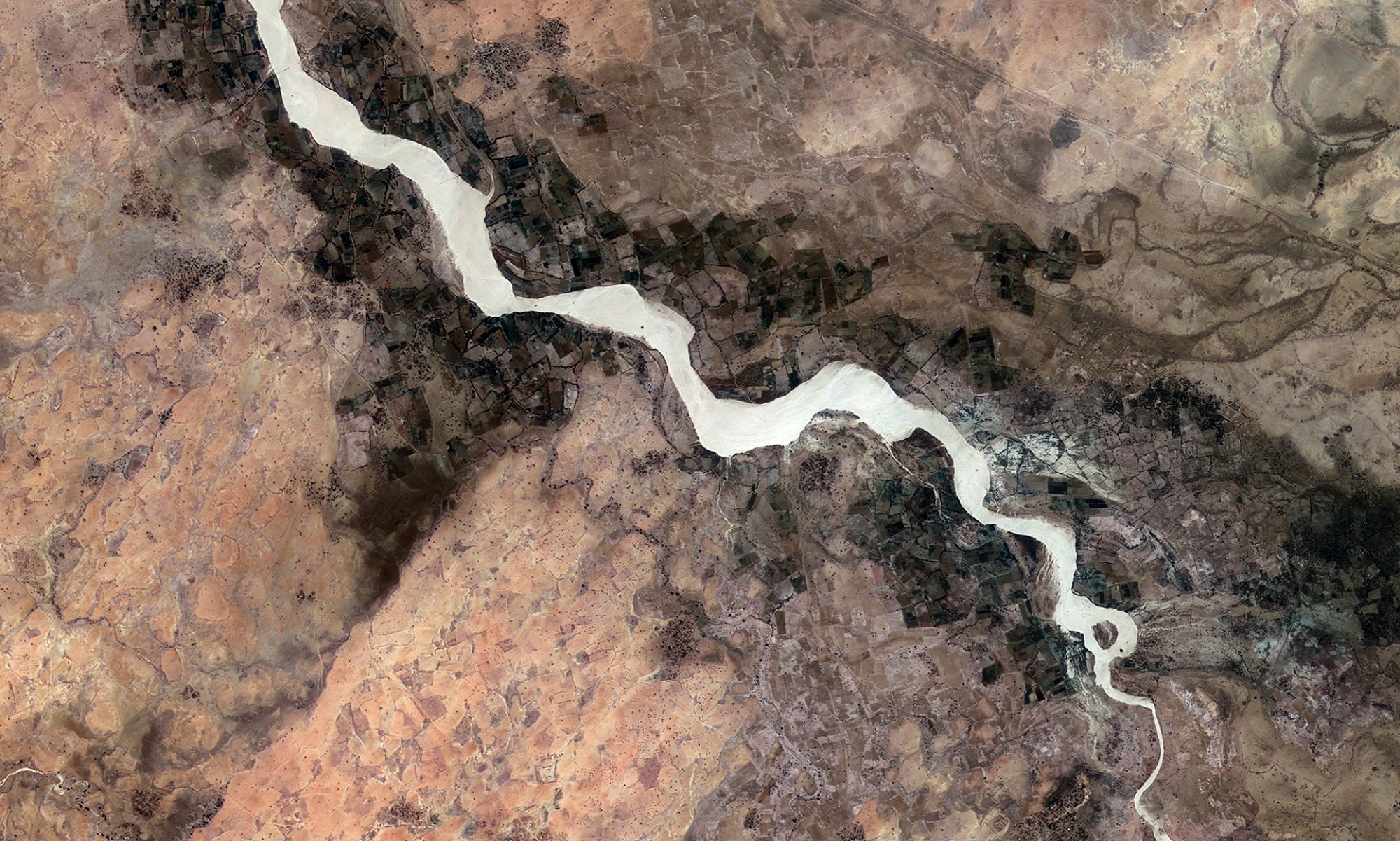

Darfur—a region long recognized for its complex interplay of environmental, social, and economic challenges—has experienced decades of conflict, natural resource scarcity, and climate variability. This report outlines the current environmental conditions and socioeconomic realities in Darfur and examines how these overlapping factors contribute to regional instability. Drawing on assessments and research studies conducted over recent decades, the report also offers recommendations for integrated approaches that can foster both environmental recovery and socioeconomic resilience.
Darfur, located in western Sudan, has been at the forefront of humanitarian and environmental concerns for many years. The region’s fragile ecosystems and extreme climatic conditions—exacerbated by prolonged conflict and resource mismanagement—have deepened underlying socioeconomic inequities. This report investigates the environmental and socioeconomic status in Darfur while exploring the entangled relationship between natural resource degradation, livelihood challenges, and conflict dynamics.
Environmental Context
Ecological Challenges
Darfur’s natural environment has experienced significant stress from both natural forces and anthropogenic activities:
- Desertification and Land Degradation: Overgrazing, deforestation, and unsustainable agricultural practices have accelerated soil erosion and reduced fertile land.
- Water Scarcity: Fluctuations in precipitation, compounded by inefficient water management, have led to chronic water shortages, affecting both agriculture and domestic use.
- Biodiversity Loss: The degradation of ecosystems has diminished biodiversity, reducing the natural resilience of landscapes to climate extremes.
Climate Variability and Recent Trends
Although Darfur has long been associated with drought and extreme heat, recent research shows partial evidence of positive climatic shifts in some sub-regions:
- Increased Precipitation: Certain studies indicate a trend towards higher annual precipitation, which, in turn, has led to an enhancement in vegetation cover in parts of Darfur.
- Reduced Drought Frequency: Analysis using the Standardized Precipitation Evapotranspiration Index (SPEI) over several decades suggests a decline in drought intensity since the early 2010s.
- Environmental Recovery Potential: Improved vegetation indices, when combined with appropriate resource management, have the potential to mitigate some of the environmental drivers of conflict.
These positive trends, however, remain regionally uneven and are often overshadowed by the lasting effects of previous environmental degradation and ongoing conflict pressures.
Socioeconomic Status
Livelihoods and Economic Activities
The socioeconomic fabric of Darfur is closely intertwined with environmental conditions:
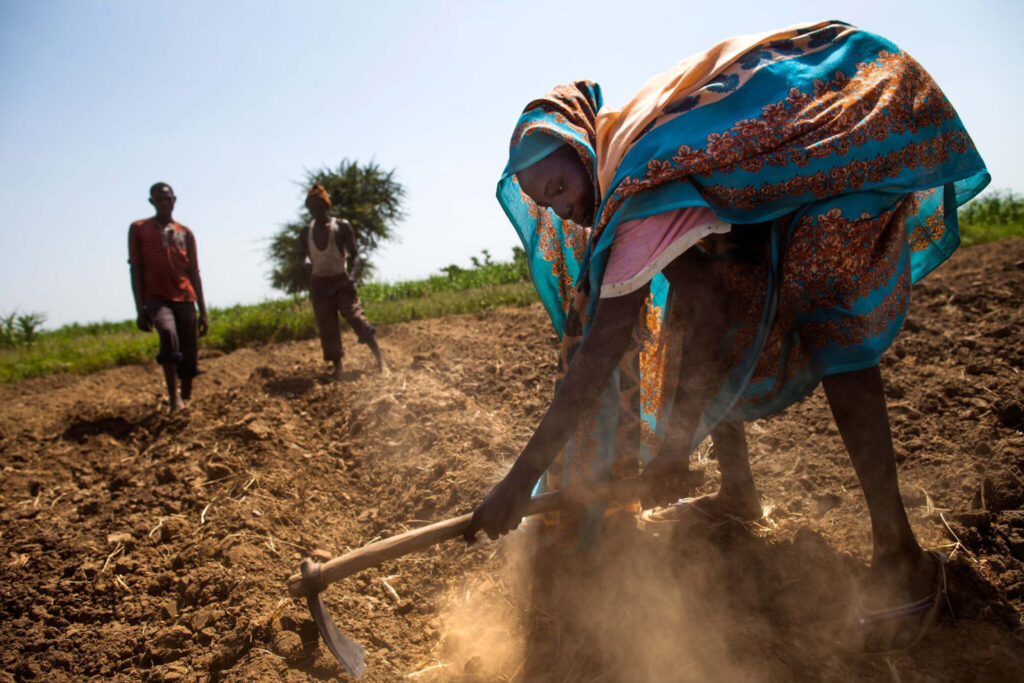
- Agriculture and Pastoralism: The majority of Darfur’s population depends on rain-fed agriculture and pastoralism. However, environmental degradation—coupled with climate variability—has significantly reduced agricultural yields and increased the vulnerability of pastoral communities.
- Poverty and Unemployment: Persistent economic marginalization and conflict have contributed to high poverty levels. Limited access to markets and social services compounds these challenges, making sustainable livelihoods difficult to achieve.
- Migration and Displacement: Environmental stress, exacerbated by conflict, has forced large numbers of people into displacement camps. These camps often face inadequate infrastructure, poor sanitation, and heightened competition for scarce resources.
Social and Institutional Factors
- Access to Services: Rural communities frequently experience limited access to education, healthcare, and clean water, intensifying the cycle of poverty.
- Governance and Policy Gaps: Weak institutional capacity and governance challenges have hindered effective natural resource management and economic development initiatives.
- Conflict and Resource Competition: Ethnic tensions and disputes over resource allocation—especially water and arable land—have been both a cause and consequence of the enduring conflict in Darfur.
Intersections between Environmental and Socioeconomic Conditions
Feedback Loops and Conflict Dynamics
The relationship between environmental degradation and socioeconomic hardship in Darfur is both reciprocal and reinforcing:
- Resource Scarcity and Conflict: Competition for dwindling natural resources—such as water and grazing land—can spark local conflicts, which in turn further damage the environment and disrupt livelihoods.
- Impact on Health and Education: Environmental degradation (e.g., dust storms, water contamination) directly affects community health, reducing labor productivity and limiting access to schooling, which further undermines socioeconomic development.
- Vulnerability and Adaptive Capacity: Communities burdened by poverty have limited capacity to adapt to environmental changes. Reduced resilience increases their susceptibility to disasters, perpetuating the cycle of underdevelopment and environmental decline.
Opportunities for Integrated Recovery
Despite the challenges, emerging trends and community-led initiatives provide a basis for optimism:
- Environmental Restoration Initiatives: Reforestation and land rehabilitation projects have shown promise in restoring degraded lands and improving water retention, which can revitalize local economies.
- Community-Based Resource Management: Empowering local communities to manage natural resources sustainably can enhance resilience, improve food security, and reduce the likelihood of conflict.
- Policy and Institutional Reform: Recent efforts to integrate environmental sustainability into governance frameworks could help realign resource allocation and promote social equity.
Policy Implications and Recommendations
Based on the interplay between environmental stressors and socioeconomic conditions in Darfur, the following recommendations are proposed:
- Integrated Resource Management:
- Develop and implement strategies that combine environmental restoration with sustainable agricultural practices.
- Support community-led initiatives that enhance local ownership and management of natural resources.
- Strengthen Institutional Capacity:
- Invest in local governance structures to improve resource planning and service delivery.
- Ensure that environmental and socioeconomic policies are coordinated and reflect the needs of vulnerable communities.
- Increase Access to Technology and Data:
- Utilize remote sensing, GIS, and climate modeling to improve monitoring and management of natural resources.
- Establish data-sharing mechanisms to inform policy decisions and optimize resource distribution.
- Promote Livelihood Diversification:
- Support alternative income-generating activities to reduce dependency on traditional agriculture and pastoralism.
- Invest in education, skill development, and vocational training programs that enable diversification of local economies.
- Enhance Conflict Resolution and Peacebuilding:
- Integrate natural resource management with peacebuilding initiatives to address the root causes of local conflicts.
- Foster dialogue among competing groups to negotiate equitable and sustainable resource-sharing arrangements.
Darfur’s environmental and socioeconomic status remains a critical area of concern that requires a holistic and integrated approach. While the region is slowly witnessing some positive environmental trends, the longstanding effects of conflict, marginalization, and resource mismanagement continue to undermine the wellbeing of its communities. Addressing these challenges demands coordinated efforts across multiple sectors, combining restoration initiatives with socioeconomic interventions and robust governance reforms. Only through such comprehensive strategies can the groundwork be laid for long-term peace, stability, and prosperity in Darfur.