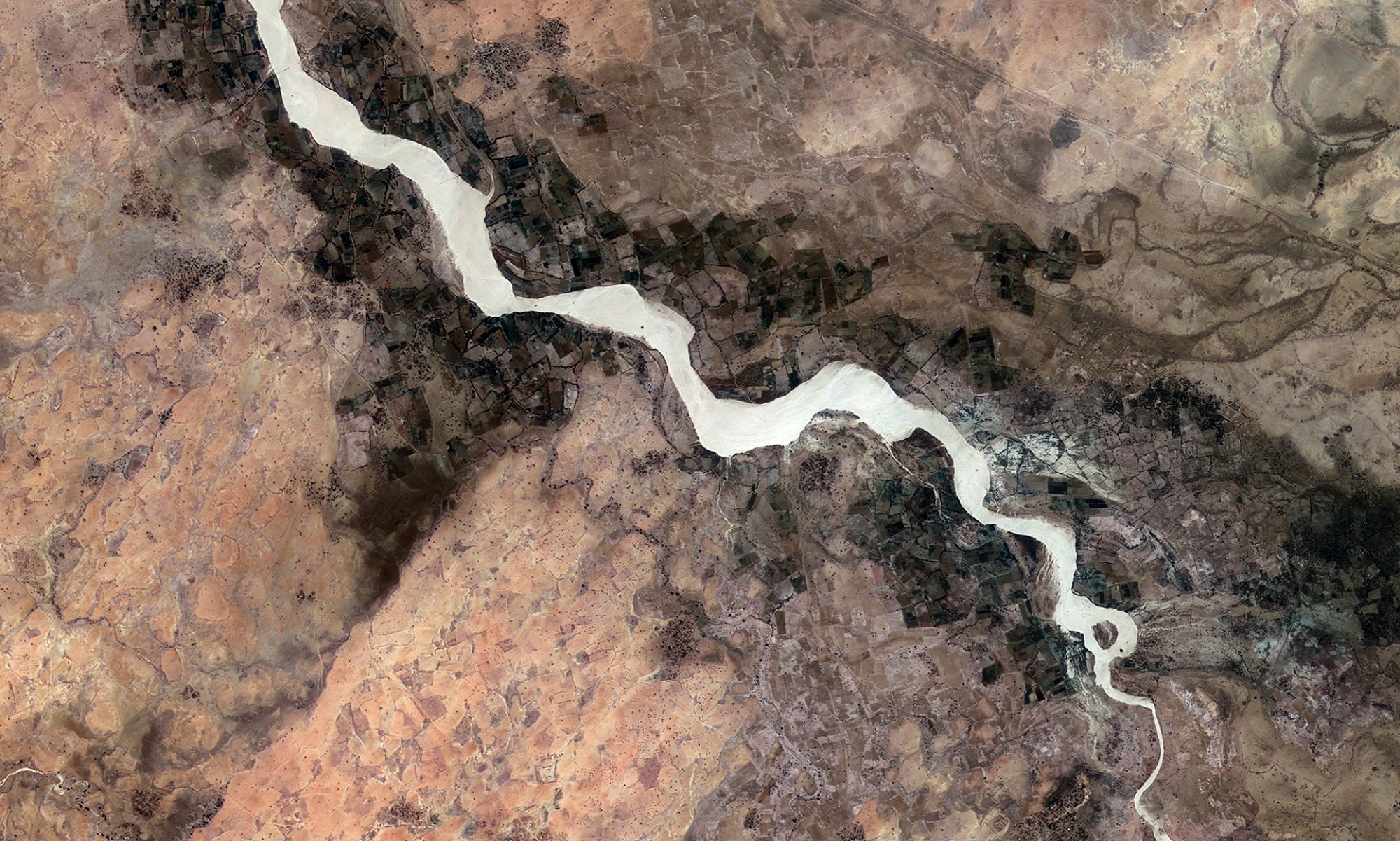

Darfur’s demographics encapsulate a rich tapestry of ethnic diversity, age structures, and migration patterns. However, these human dimensions are inextricably intertwined with the state of the environment. The fragile ecosystems, recurring droughts, desertification, and land degradation have not only shaped land use and livelihoods in Darfur but have also influenced population distribution, migration, and community resilience. This report examines the demographic profile of Darfur through the lens of environmental factors, highlighting the challenges and opportunities that arise when human populations interact with a stressed natural environment.
Darfur, located in the western part of Sudan, is a region characterized by both its cultural plurality and its environmental vulnerabilities. While its diverse population includes several prominent ethnic groups—such as the Fur, Zaghawa, and Masalit—the demographic landscape is continually reshaped by environmental pressures. These pressures, including drought, desertification, and land degradation, have profound implications on agricultural productivity, pastoral livelihoods, migration trends, and overall community stability. An understanding of Darfur’s demographics, therefore, requires a dual focus that considers both social statistics and environmental drivers.
Demographic Overview
Population Scale and Growth
- Population Dynamics: Darfur is home to millions of people, with its numbers having grown significantly over the past few decades. Recent estimates indicate that the population has been increasing steadily, partly driven by natural growth.
- Youthful Demographics: A notable characteristic of Darfur’s population is its youthfulness—large proportions of the populace are under the age of 25. This demographic trend reflects both high birth rates and the potential for dynamic societal change, but also underscores urgent needs in education, vocational training, and employment opportunities.
Ethnic and Cultural Composition
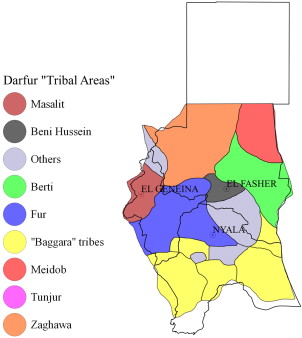
- Ethnic Diversity: Darfur is renowned for its rich ethnic mosaic. The main groups, including the Fur, Zaghawa, and Masalit, contribute to a diverse cultural narrative characterized by distinct languages, traditions, and social structures.
- Cultural Resilience: Beyond raw statistics, the interplay among various communities underscores a living narrative where traditional practices, community solidarity, and cultural expressions serve as coping mechanisms in the face of environmental and socioeconomic stress.
Urban versus Rural Distribution
- Rural Dominance: The majority of Darfur’s population continues to reside in rural areas. These communities depend on subsistence agriculture, pastoralism, and artisanal activities. Rural locales form the heartland of traditional life and are deeply sensitive to environmental changes.
- Emerging Urban Centers: Despite the predominantly rural setting, urban hubs have begun to emerge. Cities and market towns are increasingly becoming centers for economic activity, education, and social services. Urban migration is driven partly by the search for better opportunities amid environmental degradation in rural areas.
Migration and Displacement
- Forced Displacement: Historical conflicts combined with environmental stressors—such as prolonged droughts and desertification—have led to significant internal displacement. Internally Displaced Persons (IDPs) and refugees have reshaped local demographics, adding layers of complexity to the region’s population distribution.
- Rural-to-Urban Migration: In response to the degradation of natural resources and diminished agricultural productivity, many individuals move from rural areas to urban centers. This migration, while alleviating pressure on rural ecosystems, also places new demands on urban infrastructure and resources.
Environmental Influences on Demographics
Impact of Environmental Degradation
- Desertification and Land Degradation: Overgrazing, deforestation, and unsustainable farming practices have accelerated desertification in Darfur. As fertile land becomes scarce, traditional farming and pastoral activities are disrupted, compelling communities to relocate.
- Water Scarcity: Chronic water shortages—due to erratic rainfall patterns and inefficient water management—affect agricultural output and domestic livelihoods. This scarcity, in turn, contributes to intermittent declines in rural populations and increased migration towards water-secure urban areas.
Climatic Variability
- Drought and Rainfall Variability: Darfur’s climate is marked by periods of drought and fluctuating precipitation levels. Drought periods often reduce crop yields and livestock viability, triggering food insecurity and stress on rural economies. Conversely, slight improvements in rainfall—documented in some sub-regions—offer could provide opportunities for environmental recovery if managed sustainably.
- Climate-Driven Adaptation: Communities have historically adapted their livelihoods to cope with environmental variability. For instance, the traditional rotational system of agriculture and mixed herding practices are adjustments developed over time. However, rapid environmental changes are often overwhelming these adaptive strategies.
Socioeconomic Implications and Environmental Feedback Loops
Livelihood Vulnerabilities
- Agricultural Decline: Environmental degradation directly affects the primary source of livelihood for many rural inhabitants—agriculture. Decreased soil fertility and reduced water availability lead to lower productivity, which exacerbates poverty and stimulates further migration.
- Pastoralist Challenges: For pastoral communities, the reduction in available grazing land not only affects livestock production but also heightens tensions over resource use. This situation can escalate local conflicts, which further displace populations and negatively impact demographic stability.
Conflict and Resource Competition
- Resource-Driven Disputes: As natural resources diminish, competition intensifies among communities. These disputes over water and land rights can spark localized conflict, thereby contributing to cycles of displacement and migration.
- Policy Gaps and Governance: The interplay between environmental stress and poor resource management by local institutions often leaves communities without adequate support. This neglect further deepens socioeconomic disparities and destabilizes demographic patterns.
Case Studies and Regional Variations
West Darfur
- IDP and Refugee Dynamics: In West Darfur, the demographic profile is significantly influenced by the presence of internally displaced populations. Reports indicate that thousands are living in temporary settlements, adding pressure to local resources and altering community compositions.
- Urbanization Trends: Cities like El Geneina show rapid expansion due to an influx of migrants seeking refuge from rural environmental hardships. The urban growth in these areas is both a symptom and a driver of demographic transformation.
Rural Community Resilience
- Community-Led Initiatives: In several rural areas, community-based resource management systems have been established. These initiatives aim to restore degraded lands through reforestation and sustainable water management practices, providing a model for how environmental recovery can positively impact demographic stability.
- Adaptive Strategies: Traditional practices, such as crop rotation and mixed farming, are being revisited and improved upon with modern techniques. Such efforts not only secure livelihoods but also help maintain the continuity of population in environmentally stressed areas.
The demographics of Darfur, viewed through an environmental lens, reveal a complex interplay of growth, migration, ethnic diversity, and vulnerability to natural resource degradation. Environmental challenges such as drought, desertification, and water scarcity directly affect livelihoods and spark demographic shifts—pushing communities to adopt new forms of adaptation. While emerging urban centers offer potential for increased access to services and economic opportunities, the long-term sustainability of Darfur’s demographic trends hinges on effective environmental management and integrated resource governance.
A holistic approach that addresses both environmental restoration and socioeconomic development is critical. By improving sustainable resource management, promoting adaptive strategies, and enhancing governance, Darfur can lay the foundation for demographic stabilization and ongoing resilience in the face of environmental challenges.
Recommendations
- Integrated Development Planning: Formulate policies that simultaneously target environmental restoration and socioeconomic development, ensuring that natural resource management is aligned with community needs.
- Strengthen Local Governance: Invest in the capacity of local institutions to manage natural resources effectively, resolve conflicts, and deliver essential services to both rural and urban populations.
- Promote Community-Based Adaptation: Support community-led initiatives that adapt traditional practices to modern climatic challenges, with a focus on sustainable agriculture, reforestation, and effective water management.
- Enhance Data Collection and Monitoring: Utilize technological tools such as remote sensing and GIS to monitor environmental changes and their impacts on demographic trends, thereby informing adaptive policy measures.
- Facilitate Managed Migration: Develop frameworks for managed rural-to-urban migration that mitigate the pressures on rural livelihoods while equipping urban areas to absorb new residents in an orderly manner.