

Darfur’s environmental challenges—characterized by persistent droughts, desertification, and water scarcity—have profound implications for its social fabric, particularly among youth and women. These environmental stressors compound existing gender inequalities and shape the opportunities, roles, and vulnerabilities of young people and women in the region. This report examines how environmental changes impact the everyday lives, economic prospects, and social roles of Darfur’s youth and women while identifying potential pathways for empowerment, resilience building, and sustainable development.
In Darfur, environmental degradation and climatic variability have long been intertwined with the region’s socio-political dynamics. With a significant proportion of the population being young and many households headed by women—often as a result of conflict and displacement—the interplay between environmental factors and social structures is particularly acute. This report explores:
- The gendered dimensions of environmental challenges,
- How youth are affected by and respond to environmental change,
- The role of environmental factors in shaping gender roles and intergenerational dynamics,
- And recommendations for policies that integrate environmental sustainability with social empowerment.
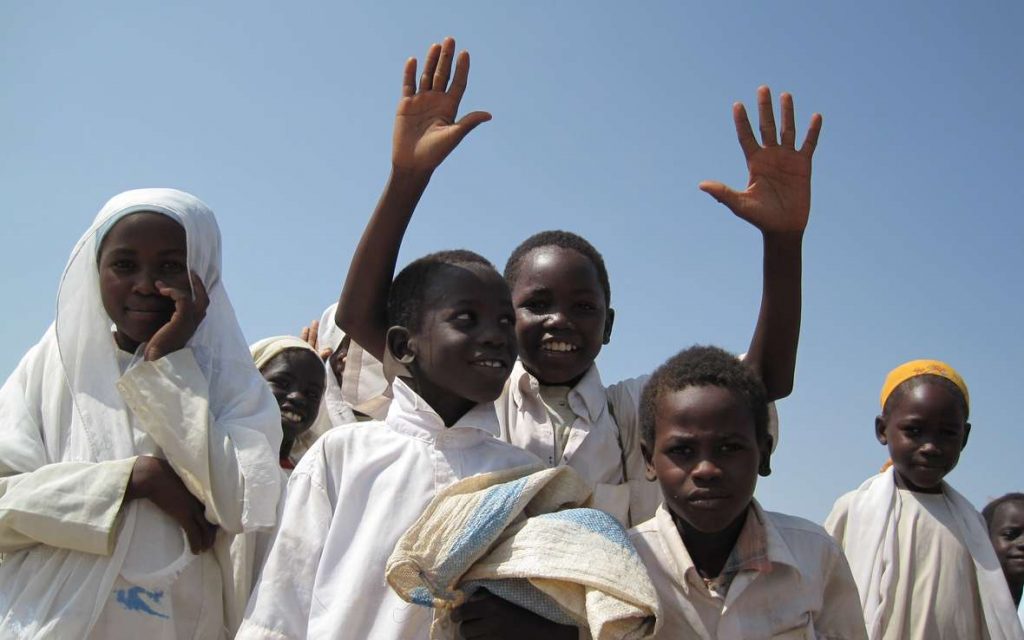
Environmental Context in Darfur
Climate Variability and Resource Scarcity
- Drought and Desertification: Darfur experiences recurring droughts and rapid desert encroachment due to unsustainable land practices. These conditions diminish arable land and water resources, compelling communities to adapt their livelihoods.
- Water Scarcity: Water, a critical resource, is in short supply due to erratic rainfall and prolonged dry seasons. This scarcity significantly impacts daily life, particularly in rural areas where the collection of water is a central, yet arduous, task.
Impact on Livelihoods and Socioeconomic Stability
- Agricultural Decline: Reduced water availability and degraded soils lead to lower crop yields and decreased productivity. This directly affects food security and household incomes.
- Migration and Displacement: Environmental stress, combined with conflict, forces communities—especially vulnerable groups—to migrate in search of more sustainable living conditions, altering demographic compositions and social structures.
Youth in Darfur: Environmental Challenges and Opportunities
Demographic Vulnerabilities and Aspirations
- Youth-Dominated Population: Darfur has a predominantly young population. While this youth demographic presents opportunities for innovation and growth, environmental challenges limit access to quality education, vocational training, and job opportunities.
- Opportunities for Adaptation: Youth are increasingly at the forefront of local initiatives that seek to mitigate the adverse effects of environmental degradation. Many are engaging in innovative practices to enhance agricultural productivity, water conservation, and alternative livelihood opportunities.
Education and Skill Development
- Barriers to Education: Environmental stressors, such as water scarcity and displacement, contribute to irregular school attendance and diminished educational prospects. Youth, particularly in remote or environmentally stressed areas, face obstacles to accessing quality education and skill-building programs.
- Emerging Initiatives: There are grassroots efforts and NGO-led programs aimed at integrating environmental education with technical skills training. Such initiatives empower youth to engage in sustainable practices and create opportunities for green entrepreneurship.
Social and Economic Prospects
- Entrepreneurship and Innovation: Faced with limited traditional employment, many young people are turning toward entrepreneurial ventures that address environmental challenges—such as water purification, solar energy solutions, and climate-resilient agriculture.
- Community Leadership: Youth-led organizations are playing a critical role in community advocacy and environmental restoration projects. Their involvement is vital for building resilience and ensuring that future policies reflect the realities of climate change and environmental stress.
Gender Dimensions in the Environmental Context
Environmental Burdens on Women
- Water Collection and Household Duties: In many communities, women bear the primary responsibility for fetching water. As water sources become scarce due to environmental degradation, this task consumes increasing amounts of time and energy, limiting women’s opportunities for education, paid work, and community leadership.
- Impact on Health and Well-Being: The physical strain of water collection and exposure to dangers during long journeys—such as the risk of violence—can adversely affect women’s health and mental well-being.
Economic and Social Roles
- Role in Agriculture and Livelihoods: Women are often involved in subsistence farming and animal husbandry, contributing significantly to household food security. However, the decline in land fertility and water availability exacerbates their labor burden and economic vulnerability.
- Entrepreneurial Activities: Despite these challenges, many women have become active in informal sectors, such as market trading, small-scale processing, and craft-making. Empowerment initiatives that promote access to sustainable energy (e.g., LPG cookers) and financial resources are beginning to alleviate some of these burdens while fostering economic independence.
Participation in Decision-Making
- Exclusion from Governance Structures: Traditionally, women in Darfur have limited representation in traditional and formal decision-making bodies, particularly regarding natural resource management. This exclusion perpetuates gender inequities in the allocation and sustainable management of scarce environmental resources.
- Inclusive Approaches: Recognizing these challenges, projects and initiatives led by organizations (such as UNEP and UN Women) are increasingly focusing on gender-responsive resource management. These programs aim to ensure that women have a voice in local governance and environmental planning, thus promoting more equitable outcomes.
Synergies and Tensions Between Youth, Gender, and the Environment
Synergistic Opportunities
- Intergenerational Collaboration: Integrating the dynamism of youth with the traditional knowledge of older community members—particularly women—can catalyze innovative approaches to environmental management. This collaboration can foster sustainable practices, improve resource management, and build community resilience.
- Educational and Empowerment Programs: Programs that simultaneously address environmental education, vocational training, and gender empowerment can create a multiplier effect—equipping young women and men with the skills needed to adapt to climate change while promoting gender equality.
Tensions and Challenges
- Resource Competition: Environmental stress intensifies competition for natural resources, which can exacerbate gender inequalities. For instance, as water becomes scarcer, the burden on women increases, potentially leading to heightened intra-household and inter-community tensions.
- Displacement and Social Instability: The environmental drivers of displacement disproportionately affect vulnerable groups. Youth and women in displaced communities often face heightened risks, including limited access to education, healthcare, and livelihood opportunities, further entrenching social inequities.
Policy Implications and Recommendations
Enhance Environmental Education and Youth Engagement
- Integrate Curricula: Develop educational programs that integrate environmental science with practical skill-building, ensuring that youth are prepared to contribute to sustainable development efforts.
- Support Youth-Led Innovations: Provide platforms and funding opportunities for youth innovations aimed at addressing environmental challenges, such as renewable energy projects, water conservation initiatives, and sustainable agriculture practices.
Promote Gender-Responsive Environmental Policies
- Inclusive Decision-Making: Ensure that women are actively included in local resource management and environmental governance processes. Policy frameworks should promote gender diversity in leadership roles at community and regional levels.
- Targeted Support for Women: Implement programs that reduce the time burden on women—such as improved water supply infrastructure and efficient cooking technologies—to free up time for education, economic activities, and leadership development.
Strengthen Resilience in Vulnerable Communities
- Integrated Livelihood Diversification: Support initiatives that diversify income sources and reduce dependency on traditionally vulnerable sectors. This includes promoting microfinance, vocational training, and entrepreneurship among both youth and women.
- Health and Social Protection: Enhance healthcare services and social protection schemes tailored to the needs of displaced and environmentally vulnerable populations, ensuring that both youth and women have access to necessary support services.
Facilitate Intersectoral Collaboration
- Multi-Stakeholder Partnerships: Foster partnerships among government agencies, NGOs, local communities, and international organizations to design and implement integrated programs that address environmental, youth, and gender issues holistically.
- Research and Data Collection: Invest in research that explores the intersection of environmental challenges with gender and youth issues. Data-driven policies are critical for devising targeted interventions that effectively address the unique needs of these groups in Darfur.
The environmental challenges in Darfur significantly shape the experiences and futures of its youth and women. As environmental degradation intensifies, the burden on these vulnerable groups increases, limiting their opportunities for education, economic advancement, and participation in community decision-making. However, the resilience and innovation demonstrated by youth and the pivotal role of women in sustaining community life also illuminate a path forward. Integrated policies that combine environmental sustainability with targeted empowerment initiatives offer the potential to not only mitigate environmental impacts but also transform socio-economic conditions for future generations.
Recommendations for Future Action
- Develop and implement gender-responsive, environmentally focused educational programs that empower youth with knowledge and practical skills.
- Increase investments in water and sanitation infrastructure to reduce the burden of water collection, particularly on women.
- Create funding and support mechanisms for youth-led environmental innovation and entrepreneurship.
- Ensure the inclusion of women in environmental governance structures at all levels to promote equitable resource management.
- Foster intersectoral partnerships among government, NGOs, and community groups to drive integrated, sustainable development initiatives.
- Support comprehensive research and data collection initiatives to continually refine policies that address the intersecting challenges of youth, gender, and the environment in Darfur.