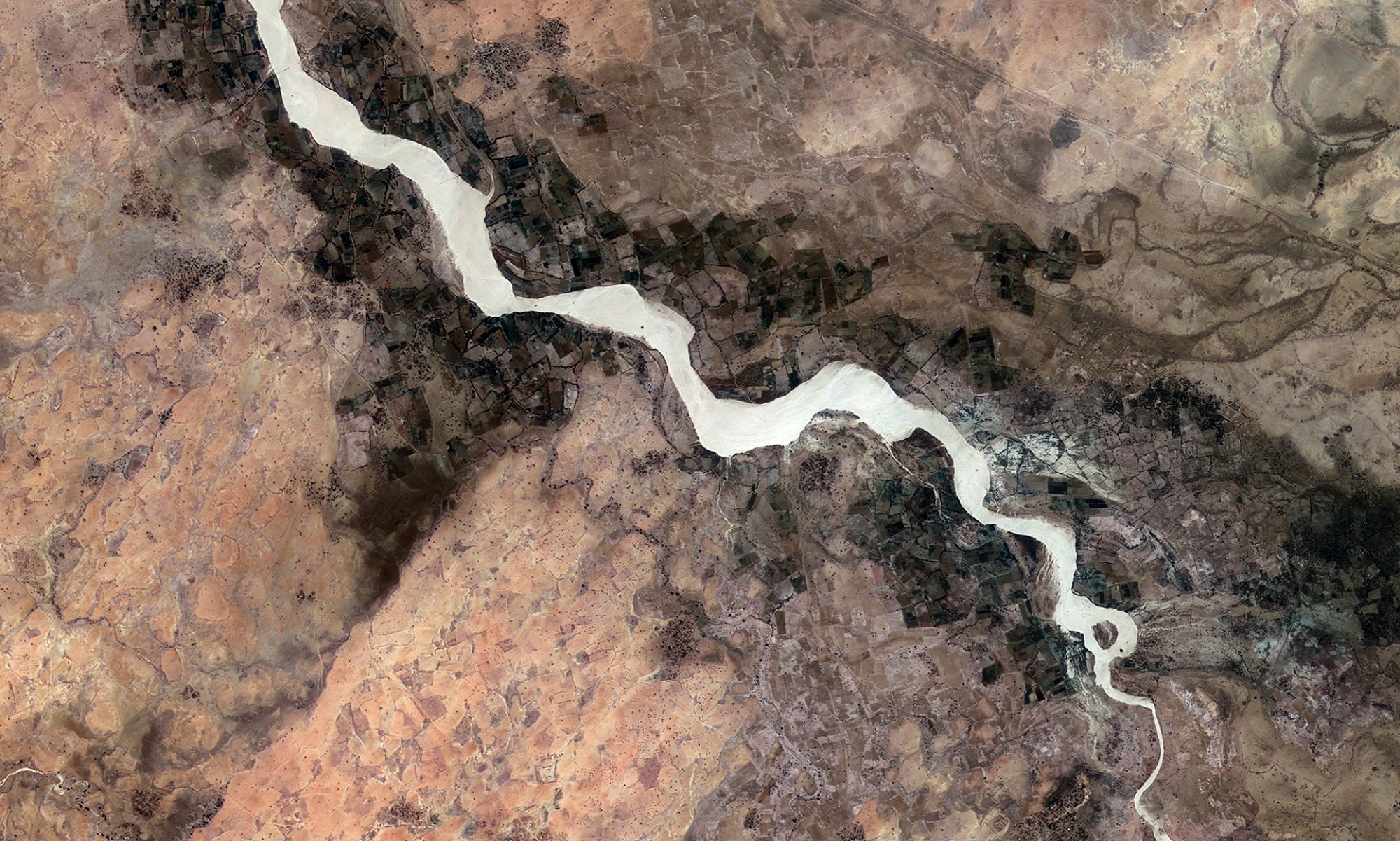

Population mobility—the movement of people across territories—has emerged as a critical issue in our time, driven in large part by environmental pressures. Increasingly erratic weather patterns, prolonged droughts, flooding, land degradation, and other elements of climate change are forcing communities to re-examine their livelihoods. These environmental stressors exacerbate traditional socioeconomic vulnerabilities and contribute to both temporary and permanent migration. This report provides a comprehensive analysis of environmental drivers of population mobility, the resulting socio-economic and ecological impacts, and policy considerations aimed at enhancing resilience and supporting sustainable development in contexts affected by environmental change.
Population mobility can be defined as the short- or long-term movement of people from one area to another. While migration is influenced by a myriad of factors—including economic, political, and social drivers—a significant and growing component is rooted in environmental change. As climate change accelerates and landscapes degrade due to resource overuse or ecological disasters, communities are increasingly compelled to adapt through mobility. This report examines migration through the lens of environmental determinants, emphasizing how climatic extremes, environmental degradation, and resource scarcity interlink to shape migration patterns and, in turn, impact both origin and destination regions.
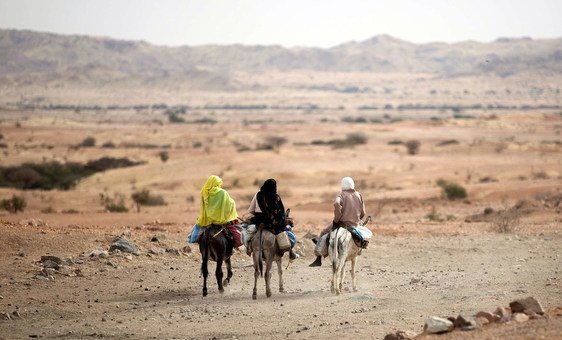
Environmental Drivers of Population Mobility
Climate Change and Extreme Weather Events
- Drought and Desertification: Apparent in many arid and semi‑arid regions, extended drought periods have diminished agricultural yields and water availability. As soils erode and pastures degrade, rural populations may be forced to move toward more viable areas.
- Flooding and Storms: Intense rainfall and extreme weather events cause flash floods and infrastructural damage. Regular flooding not only destroys homes and livelihoods but also degrades land, prompting residents to seek safer, more stable environments.
- Temperature and Sea-Level Rise: In coastal or low-lying areas, rising sea levels and increasing temperatures alter living conditions, sometimes leading to permanent displacement.
Environmental Degradation
- Land and Soil Erosion: Unsustainable land use, deforestation, and overgrazing contribute to severe soil erosion and desertification. Such degradation reduces the land’s capacity to support agriculture and can trigger localized rural out-migration.
- Water Scarcity: Scarce or unreliable water supplies due to both natural variability and environmental mismanagement represent another key driver. Communities dependent on agriculture or pastoralism are especially vulnerable, as water scarcity directly undermines their means of survival.
- Loss of Biodiversity and Ecosystem Services: As natural habitats degrade, vital ecosystem services—such as pollination, natural pest control, and water purification—are compromised. This decline undermines both food security and overall community well-being, pushing some populations to relocate.
Patterns and Forms of Population Mobility
Forced Displacement and Migration
- Environmental Displacement: When severe environmental shocks, such as droughts or floods, render areas uninhabitable, populations are forced to abandon their homes. Such displacement may be temporary (seasonal migration) or permanent if the environmental degradation is sustained.
- Planned Relocation: In some cases, governments or international agencies may initiate planned relocation programs to move vulnerable populations from high-risk areas to safer regions. These interventions are part of broader climate adaptation strategies.
Voluntary Adaptation and Economic Migration
- Adaptive Migration: In response to gradually deteriorating environmental conditions, some households choose to move in search of better economic opportunities. While not always driven solely by environmental factors, the degradation of local resources often accelerates decisions to migrate.
- Urbanization Trends: Environmental stressors in rural areas can contribute to increased urban migration. As rural livelihoods become unsustainable, cities may experience accelerated population growth—placing stress on urban resources while simultaneously diversifying the economic base of migrants.
Socio-Economic and Environmental Impacts
Impacts on Sending Regions
- Loss of Human Capital: The outflow of populations, particularly younger and skilled individuals, can weaken local economies and erode cultural traditions.
- Resource Pressure Relief: In some cases, the departure of people from environmentally stressed regions may temporarily relieve pressure on scarce land or water resources, potentially facilitating environmental recovery.
- Social Disruption: The breakdown of community structures due to migration can reduce local resilience to future environmental shocks.
Impacts on Receiving Regions
- Strain on Infrastructure: Influxes of migrants can overwhelm urban centers or more resource-abundant rural areas, necessitating significant investment in infrastructure, housing, and social services.
- Economic Opportunities: Migrants often bring new skills and entrepreneurial potential that can stimulate local economies and contribute to innovation—especially in emerging green industries.
- Cultural and Social Integration: Rapid population increases may lead to tensions over resource allocation and cultural differences, challenging social cohesion.
Broader Environmental Feedbacks
- Land-Use Change: Migration shifts can lead to changes in land-use patterns, as new agricultural or urban development replaces traditional landscapes. These changes can further influence local climate and ecological processes.
- Resource Management Adaptation: The need to accommodate changing population dynamics often forces policymakers to rethink resource allocation and environmental management strategies, potentially fostering more sustainable practices.
Policy and Management Considerations
Integrating environmental perspectives into migration and development policy is critical. Some key recommendations include:
- Strengthening Climate Adaptation Strategies: Develop robust adaptation frameworks that combine disaster risk reduction, sustainable resource management, and population planning. Governments and local communities should enhance early warning systems and invest in resilient infrastructure.
- Enhancing Water and Land Management: Sustainable management of water and land resources can mitigate some drivers of migration. Implementing soil conservation measures, reforestation projects, and water harvesting systems can improve the resilience of vulnerable regions.
- Promoting Integrated Urban Planning: As urban areas absorb incoming migrants, planning must be adaptive and inclusive. Policies should invest in affordable housing, expandable public transportation, and job creation in emerging green sectors.
- Supporting Community-Based Adaptation: Empower local communities to participate in decision-making around resource management and migration strategies. Integrating indigenous knowledge with scientific research can lead to innovative, culturally sensitive solutions.
- Facilitating Research and Data Integration: Continued research is essential for refining our understanding of the environmental dimensions of population mobility. Data collection and interdisciplinary analysis will inform adaptive policies that address both the causes and consequences of migration.
Population mobility driven by environmental change is a multifaceted phenomenon that affects and reflects the dynamic interplay between nature and human systems. Environmental degradation, climate variability, and resource scarcity are increasingly potent drivers of migration—prompting complex shifts in both rural and urban contexts. Addressing these challenges requires an integrated approach that not only mitigates environmental risks but also supports sustainable economic development and social inclusion. By aligning migration policies with environmental realities, stakeholders can foster resilience in both sending and receiving regions and contribute to a more sustainable future.