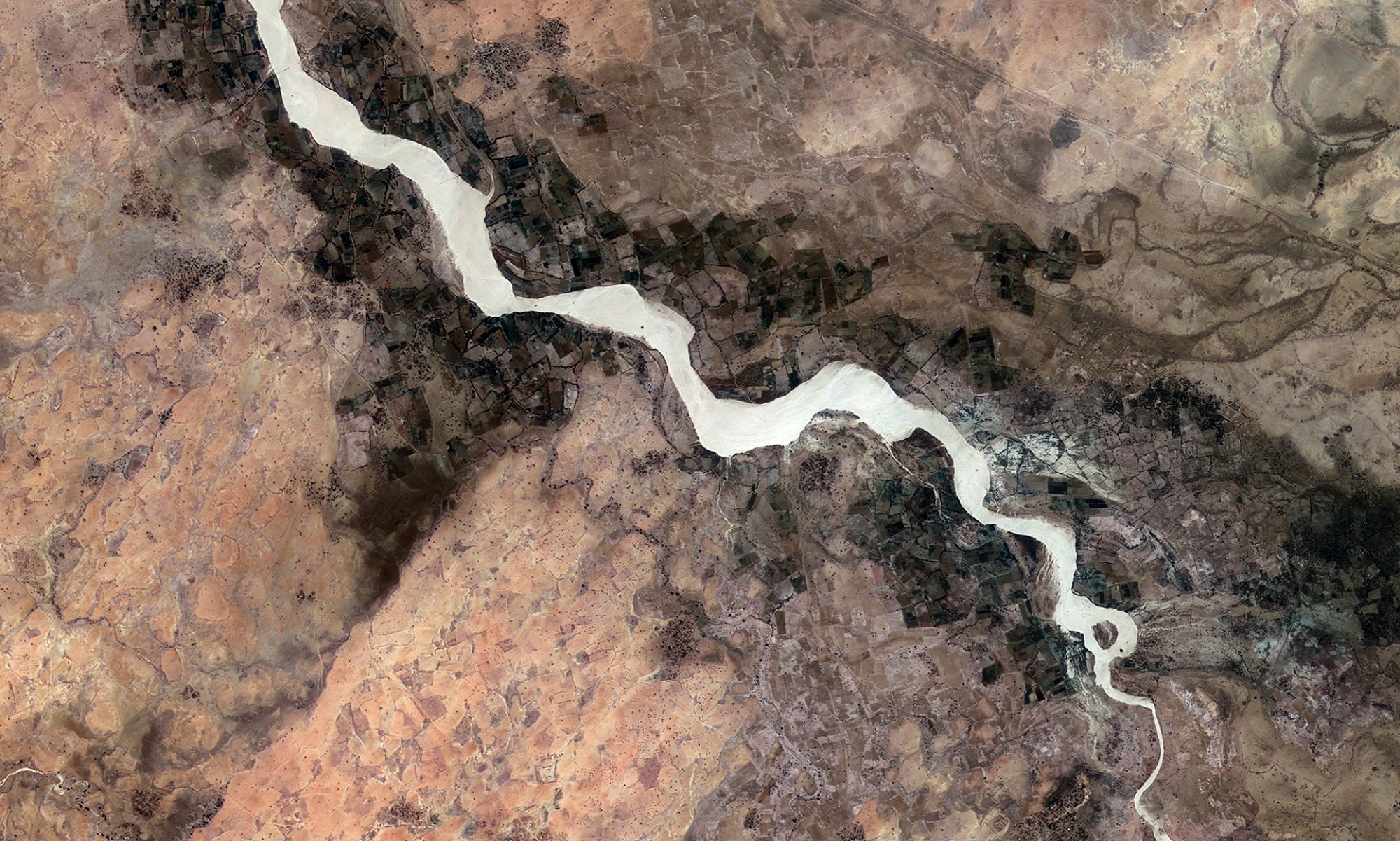

This section examines the state of education in Darfur against a backdrop of significant environmental challenges. In Darfur—a region marked by recurring droughts, desertification, and resource scarcity—the effects of environmental degradation extend beyond livelihoods and health, profoundly influencing educational access, quality, and sustainability. This section explores how environmental factors impact school infrastructure, attendance, curriculum relevance, and community engagement, and offers policy recommendations aimed at strengthening the resilience of the education sector in Darfur.
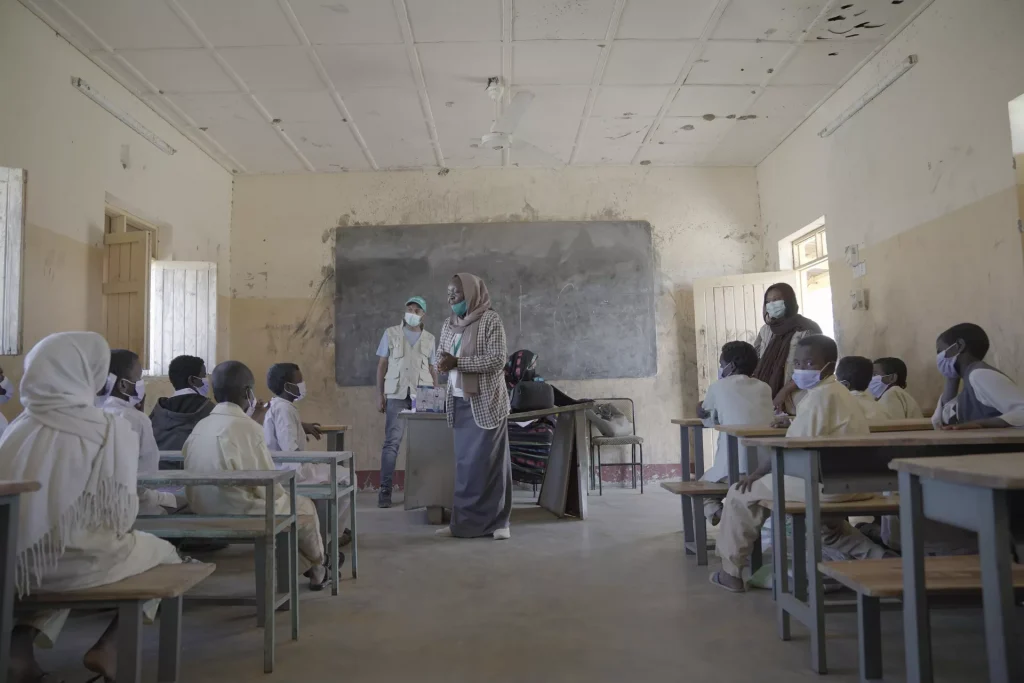
Darfur, located in the western region of Sudan, has long been recognized for its rich cultural heritage and ethnic diversity. However, decades of conflict combined with severe environmental challenges have created a complex socio-educational landscape. Education, as a critical driver of social transformation and human development, is particularly vulnerable in areas where environmental instability interrupts infrastructural development and daily life. This report provides an in-depth analysis of how environmental dynamics—such as climate variability, water scarcity, and land degradation—affect educational systems in Darfur and shape the long-term prospects of its youth.
Environmental Context in Darfur
Climate Variability and Natural Disasters
- Drought and Irregular Rainfall: Darfur’s harsh climatic conditions, marked by long periods of drought interspersed with irregular and sometimes intense rainfall, impose severe constraints on water availability. These fluctuations not only affect agricultural outputs but also disrupt community life, including educational routines.
- Desertification and Land Degradation: Unsustainable land use practices have accelerated the process of desertification, leading to soil erosion and degraded agricultural land. This environmental stress exacerbates poverty, drives migration, and impacts the stability of communities where schools are located.
Water Scarcity
- Limited Water Resources: Chronic water scarcity poses a significant challenge for both domestic life and school operations. Water scarcity can lead to inadequate sanitation facilities in schools and increases the time students—especially girls—spend collecting water, thereby affecting school attendance.
Current Status of Education in Darfur
Educational Infrastructure
- School Distribution: Many schools in Darfur remain concentrated in urban centers, leaving rural communities with underdeveloped or temporary learning facilities. Structural deficiencies are common, especially in environmentally stressed areas.
- Quality of Education: The quality of education is hampered by insufficient resources, teacher shortages, and infrastructural challenges. Environmental factors further compound these issues, as schools in environmentally degraded regions are more likely to suffer from poor maintenance and limited funding.
Enrollment and Attendance
- Enrollment Fluctuations: Environmental hardships contribute to irregular school enrollment and attendance. In periods of environmental stress—such as during droughts—families often prioritize survival, leading to a decline in school attendance.
- Displacement Impacts: Ongoing environmental degradation, compounded by conflict, has resulted in high levels of internal displacement. Displaced populations, including children, face significant challenges in accessing formal education.
Impact of Environmental Factors on Education
School Infrastructure
- Vulnerability to Environmental Damage: Schools located in environmentally fragile areas are at higher risk of structural damage due to extreme weather events. Inadequate building standards and maintenance mean that many educational facilities are ill-equipped to withstand climatic extremes.
- Resource Scarcity: Limited water resources and power supply disruptions further impair the operational functionality of schools, affecting teaching and learning processes.
Access and Attendance
- Migration and Displacement: Environmental degradation forces many families to migrate in search of sustainable livelihoods, disrupting educational continuity. Temporary camps and settlements often lack proper schooling facilities, leading to prolonged educational disruption.
- Gender-Specific Barriers: In many communities, girls are particularly affected as they may be tasked with additional domestic responsibilities, such as water collection, which further reduces their opportunities to attend school regularly.
Curriculum and Capacity Building
- Integrating Environmental Education: Given Darfur’s environmental challenges, there is a growing recognition of the need to incorporate environmental and sustainability education into the curriculum. Such courses can empower students to understand and address local environmental issues.
- Capacity for Resilience: Schools that integrate environmental education can serve as community hubs for capacity building—teaching adaptive strategies, sustainable resource management, and resilience against climate-related disruptions.
Community Engagement and Socioeconomic Effects
- Local Involvement: Communities affected by ecological degradation are increasingly involved in initiatives to revive local education systems. Collaborative projects involving local leaders, educators, and environmental activists highlight the importance of community engagement.
- Economic Constraints: The economic impact of environmental degradation on rural livelihoods reduces community financial support for education. Parents facing economic hardship, due largely to environmental stress, may deprioritize education in favor of immediate survival needs.
Case Studies and Regional Variations
Rural Communities and Traditional Adaptive Strategies
In several rural areas of Darfur, innovative community-led initiatives have emerged to mitigate the impact of environmental challenges on education. For example:
- Mobile Schools: In regions where seasonal migration is common, mobile schools have been introduced to ensure continuity of education for displaced children.
- Community-Led Resource Management: Some communities have established local committees that not only monitor natural resources but also ensure that educational facilities receive necessary support during times of environmental stress.
Urban Centers and Infrastructure Investment
Urban centers in Darfur, though less directly affected by rapid environmental degradation, still face challenges related to overcrowded classrooms and resource allocation exacerbated by rural-to-urban migration. Urban schools have benefited more from infrastructure investments and can serve as models for integrating environmental education into formal curricula.
Policy Implications and Recommendations
Infrastructure Resilience
- Improve School Construction Standards: Invest in building resilient school infrastructures that can withstand extreme weather events, including droughts and heavy rains.
- Regular Maintenance and Upgrading: Prioritize the maintenance and upgrading of schools in environmentally vulnerable areas.
Curriculum Reforms
- Integrate Environmental Education: Incorporate comprehensive environmental education into school curricula to build local capacity and promote sustainable practices.
- Teacher Training: Train educators on sustainable practices and environmental management to ensure that they can effectively deliver updated curricula.
Enhance Access for Vulnerable Populations
- Mobile and Flexible Learning Models: Develop innovative learning models—such as mobile schools and community learning centers—to ensure access for displaced and rural children.
- Gender-Sensitive Policies: Implement policies that address the specific needs of girls, ensuring safe access to education even during periods of environmental stress.
Strengthen Community Engagement and Support
- Community-Based Projects: Encourage partnerships between schools and local communities focused on environmental restoration and resource management.
- Public-Private Partnerships: Foster partnerships among government agencies, NGOs, and private organizations to mobilize resources and technical support for education.
Data Collection and Research
- Monitoring and Evaluation: Establish robust systems for monitoring the interplay between environmental factors and educational outcomes to inform policy.
- Research Initiatives: Support academic and field research to further explore how environmental challenges impact education and to identify best practices for resilience.
The state of education in Darfur, when examined from an environmental perspective, reveals significant challenges that are intertwined with broader ecological and socioeconomic issues. Environmental degradation not only disrupts school infrastructure and access but also has profound implications for the content and continuity of education. Addressing these challenges requires a holistic approach that integrates resilient infrastructure, adaptive teaching practices, and proactive community engagement, thereby ensuring that education can serve as both a buffer against environmental shocks and a pathway to sustainable development in Darfur.