

Agriculture in Darfur has been the cornerstone of local livelihoods for centuries, combining traditional crop cultivation, pastoralism, and community-based water management practices in an environment marked by arid and semi‑arid conditions. This research investigates the environmental dimensions of Darfur’s agricultural system—including traditional practices, climate variability, soil and water resource management, and recent modern interventions. The study shows that while indigenous practices have enhanced ecological resilience, challenges such as erratic rainfall, prolonged droughts, soil degradation, and conflict-induced displacement have strained the agricultural sector. Innovative projects, including modern irrigation techniques and community-led catchment management, offer promising avenues to adapt to changing environmental conditions and ensure long-term food security and socio-economic stability.
Agriculture is often described as the lifeblood of Darfur—a region where an ancient agricultural heritage forms the basis of cultural traditions and economic survival. The rural communities of Darfur have long cultivated resilient staple crops such as millet, sorghum, and legumes while engaging in livestock rearing and pastoralism. These traditional practices, however, occur within an inherently challenging environmental setting characterized by scarce water, nutrient-poor soils, and recurring climatic extremes. This research explores how environmental factors have shaped agriculture in Darfur and examines the evolving strategies developed by local communities to mitigate risks associated with climate variability and resource degradation
Traditional Agricultural Practices in Darfur
Indigenous Crop Cultivation and Pastoralism
Agriculture is a vital part of the economy and livelihood in Darfur. The main agricultural practices in the region include:
- Livestock Rearing: Livestock rearing is an integral part of the agricultural system in Darfur. Pastoralism and agro-pastoralism are practiced, with cattle, goats, and sheep being the main livestock. Livestock provide food, income, and manure for fertilizing crops.
- Rainfed Agriculture: The majority of agriculture in Darfur is rainfed, relying on the seasonal rainfall for crop production. However, the erratic and variable nature of rainfall poses significant challenges for farmers, affecting crop yields and productivity.
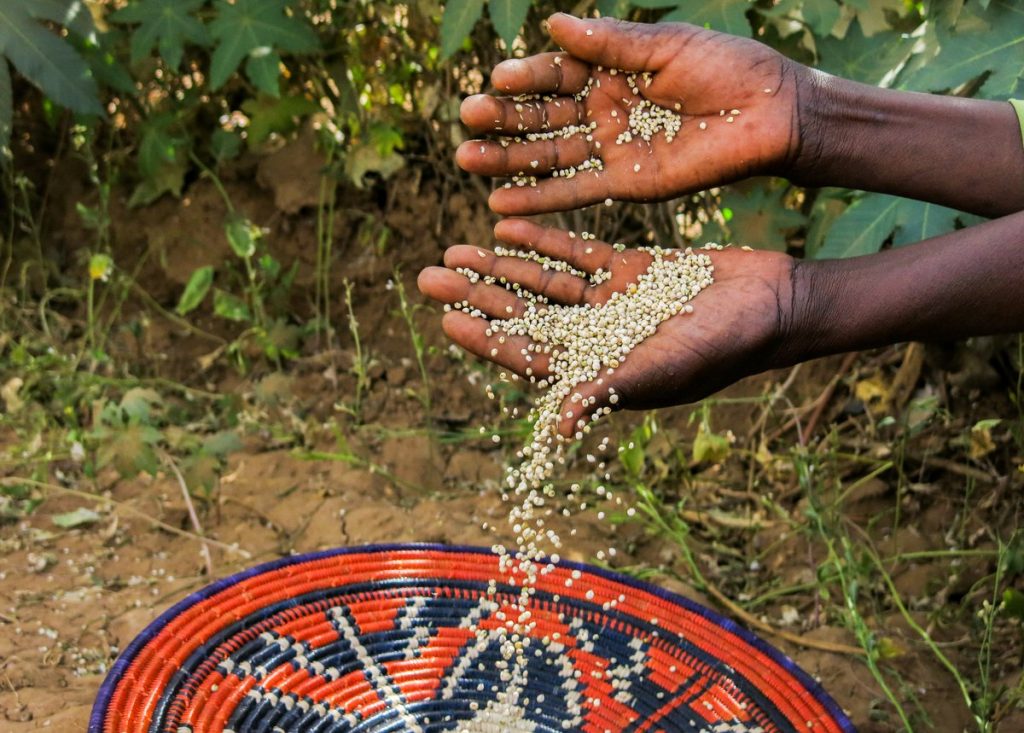
- Crop Diversity: Farmers in Darfur grow a variety of crops, including sorghum, millet, groundnuts, sesame, and cowpeas. These crops are well-adapted to the arid and semi-arid conditions of the region.
- Agroforestry: Agroforestry practices, such as intercropping trees with crops, are common in Darfur. Trees like Acacia senegal (gum arabic) provide additional income and help improve soil fertility and stability.
Table: Planting and Harvesting Seasons of Major Crops in Darfur
| Crop | Typical Planting Season | Typical Harvesting Season |
| Millet | June – August | September – December |
| Sorghum | June – August | October – January |
| Sesame | June – August | September – November |
| Groundnuts | June – August | October – December |
Water Management and Irrigation Techniques
In a region where rainfall is both scarce and highly variable, traditional water management strategies are critical. Local communities have developed methods such as rainwater harvesting, the construction of shallow wells, and the engineering of simple yet effective irrigation channels. These techniques, passed down orally and adapted through communal labor, have enabled farmers to maximize water efficiency while minimizing the impacts of droughts and unpredictable rain events.
Soil Characteristics
The soils of Darfur vary across the region, influenced by factors such as climate, topography, and vegetation. The main soil types found in Darfur include:
- Sandy Soils: Predominant in the northern and central parts of Darfur, sandy soils are characterized by their low fertility and poor water-holding capacity. These soils are highly susceptible to erosion, making them challenging for agricultural use.
- Clayey Soils: Found in the southern parts of Darfur, clayey soils have better water retention and fertility compared to sandy soils. However, they are prone to compaction and waterlogging, which can hinder plant growth.
- Loamy Soils: Loamy soils, a mix of sand, silt, and clay, are present in some areas of Darfur. These soils have good fertility and water-holding capacity, making them more suitable for agriculture.
- Vertisols: These are heavy clay soils that swell when wet and crack when dry. They are found in some parts of Darfur and are known for their high fertility, but they require careful management to prevent waterlogging and erosion.
Environmental Challenges Facing Agriculture in Darfur
Climate Variability and Drought
Climate change has intensified existing challenges in Darfur. Erratic rainfall extended dry spells, and the increasing frequency of droughts have a direct impact on crop productivity and soil moisture levels. The unpredictable nature of the rainfall pattern disrupts cropping calendars and often results in significant yield losses, thereby challenging the resilience of traditional farming systems.
Soil Degradation and Water Scarcity
Overexploitation of land coupled with natural erosion processes has led to a notable decline in soil fertility across many parts of Darfur. Intensive grazing, deforestation, and the unsustainable extraction of natural resources exacerbate soil erosion and hamper the regenerative capacity of arable land. Moreover, as water becomes scarcer, soil salinization and nutrient depletion further threaten the productivity and sustainability of agricultural lands.
Impact of Conflict and Socioeconomic Factors
Decades of conflict have disrupted traditional land use patterns and resource management practices. Forced displacement, the breakdown of local governance, and economic marginalization have contributed to unregulated land use and further environmental deterioration. Such challenges not only undermine agricultural output but also deepen socio-political tensions among local communities.
Innovations and Sustainable Agricultural Practices
Modern Irrigation and Water-Conservation Technologies
In response to escalating climatic stressors, innovative water management techniques have started to complement traditional practices. Projects integrating modern irrigation systems—such as drip irrigation, solar-powered water pumps, and efficient water storage structures—have been introduced to optimize water use. These technologies help mitigate the impact of erratic rainfall, reduce water wastage, and enhance overall crop resilience against drought conditions.
Catchment Management and Community-Led Projects
One notable example of a sustainable intervention is the Wadi El Ku Catchment Management Project. This initiative trains local farmers—particularly women—in modern farming techniques, such as improved seed selection, proper land preparation, and innovative water harvesting methods. The program has not only enhanced agricultural productivity but also contributed to reducing conflict between nomadic herders and settled farmers by improving water access and resource management on community lands.
Integrating Traditional Knowledge with Modern Practices
The convergence of traditional agricultural wisdom with modern environmental science is emerging as a key factor in building resilience. Community-based organizations have been instrumental in promoting sustainable land-use practices, adaptive cropping systems, and conservation agriculture. Such integrative approaches leverage the deep-rooted local understanding of the environment while incorporating cutting-edge techniques to improve sustainability and productivity.
Policy Recommendations and Future Directions
Enhancing Institutional Support and Infrastructure
- Invest in Local Capacity Building: Strengthen local institutions and empower community leadership through knowledge-sharing, technical training, and financial support.
- Infrastructure Development: Prioritize investments in rural infrastructure, particularly in water storage and irrigation facilities, to bolster resilience against climatic shocks.
Implementing Integrated Natural Resource Management
- Community-Driven Management: Encourage participatory decision-making processes that integrate local ecological knowledge with modern technological solutions.
- Integrated Water Resource Management (IWRM): Develop comprehensive catchment management plans that ensure equitable and sustainable water distribution across agricultural lands.
Promoting Gender-Responsive Interventions
- Empower Women Farmers: Expand gender-sensitive projects like the Wadi El Ku Catchment Management Project which equip women with necessary skills and resources to implement sustainable practices.
- Inclusive Policy Formulation: Ensure that agricultural policies and climate adaptation strategies are informed by the experiences and needs of women, who often bear the brunt of environmental changes.
Research and Monitoring
- Longitudinal Studies: Establish permanent monitoring stations to assess soil moisture, crop productivity, and water availability over time.
- Adaptive Management: Employ advanced remote sensing and data analytics to continually refine agricultural practices in response to changing environmental conditions.
Agriculture in Darfur represents both a historic way of life and a resilient response to one of the world’s most challenging environmental settings. Traditional practices, honed over generations, have enabled communities to thrive in semi‑arid conditions. However, the increasing impacts of climate variability, soil degradation, water scarcity, and conflict necessitate a transformative approach to agricultural management. Integrating modern irrigation and water-conservation techniques with indigenous knowledge offers a promising path forward. With improved institutional support, community-driven initiatives, and inclusive policy frameworks, Darfur’s agricultural sector can evolve to meet contemporary challenges while sustaining its cultural heritage and ecological integrity.
Livestock and animal production
Livestock production is not merely an economic activity in Darfur; it is deeply interwoven with the region’s social fabric, culture, and survival strategies. For centuries, pastoralism and agro-pastoralism have been dominant livelihood systems, particularly suited to the region’s semi-arid environment.1 Livestock represents:
- Economic Backbone: A major contributor to household income, regional trade, and Sudan’s national economy (historically a significant source of export earnings).
- Food Security: Provides essential food products like milk and meat, acting as a buffer against crop failures common in drought-prone areas.
- Livelihoods & Employment: Supports a vast portion of the population, directly or indirectly, particularly in rural areas. Estimates suggest livestock employs around 40% of Sudan’s population overall.
- Social & Cultural Significance: Represents wealth, status, is used for social obligations (like dowry), and forms a core part of cultural identity for many ethnic groups.
- Asset & Safety Net: Serves as a primary store of wealth and a critical safety net, providing a cash buffer during hardship (drought, conflict, economic shocks).
Despite its immense importance, the sector often suffers from underinvestment and marginalization in national policies compared to sectors like irrigated agriculture.
Livestock Species and Production Systems
Key Species: The primary livestock raised in Darfur include:
| Cattle | Primarily the Baqqara breed (Zebu type), well-adapted to the savanna environment. Nilotic cattle are also present. |
| Sheep | Sudan Desert sheep are predominant and highly valued, comprising a significant portion of Sudan’s sheep population and exports. Varieties like Hamari, Dubasi, Kababish, and Shugur are found, adapted to different conditions.8 Fulani types (Balami, Auda) are also present. |
| Goats | Numerous and vital for milk and meat, especially for poorer households. |
| Camels | Crucial for transport and resilience in drier northern areas, and increasingly important for export. |
| Donkeys & Horses | Essential for transport and draught power. |
Production Systems:
- Pastoralism (Nomadic/Transhumant): Characterized by seasonal mobility (transhumance) following pasture and water availability. Traditional routes (murhal) could cover hundreds of kilometers, typically moving north during the rainy season (kharif) and south towards river valleys (wadis) or specific grazing areas during the dry seasons (seif, shita). This mobility is key to efficiently utilizing dispersed resources and maintaining pasture health. Migratory herds generally show better production traits (e.g., calving rates, lower mortality) than sedentary ones due to access to better grazing.
- Agro-pastoralism: Combines livestock rearing with crop cultivation.13 Livestock may be moved seasonally, often over shorter distances than purely nomadic systems, utilizing crop residues after harvest (talaig).
- Sedentary Systems: Livestock are kept year-round near villages, often practiced by farming communities or by pastoralists forced to limit movement due to insecurity.15 This often leads to localized overgrazing.
Major Challenges Facing Livestock Production in Darfur
The livestock sector in Darfur faces a confluence of severe and interconnected challenges:
Conflict and Insecurity: This is arguably the most devastating challenge.
- Restricted Mobility: Fear of attacks by armed groups, banditry, and intercommunal violence forces herders to abandon traditional long-distance routes and concentrate livestock in smaller, often less suitable, “safer” zones closer to villages.
- Livestock Looting and Loss: Direct theft and killing of animals during conflict leads to massive capital loss for herders. Studies indicate significant reductions (ranging from 5-7% to potentially higher percentages) in livestock populations directly attributed to the conflict since 2003.
- Displacement: Herders are displaced along with their animals or forced to abandon them, disrupting production cycles.
- Breakdown of Services: Conflict destroys infrastructure and prevents access for veterinary services, vaccination campaigns, and extension support.
- Resource Competition: Conflict exacerbates tensions over land and water, often pitting pastoralist groups against farming communities, sometimes manipulated by political actors.
Climate Change and Environmental Degradation:
- Drought & Rainfall Variability: Increasingly frequent and severe droughts deplete water sources and pasture, stressing animals and forcing pastoralists into longer or riskier migrations, sometimes leading to conflict over scarce resources.19 Recent analyses (like one from MDPI) note a complex trend with increased rainfall and vegetation in some periods/areas over the last decades, but overall stress and vulnerability remain high.
- Desertification: Southward expansion of the Sahara, exacerbated by human activity (overgrazing, deforestation for fuel/farming), reduces available grazing land.
- Pasture Degradation: Concentration of livestock in smaller areas due to insecurity leads to severe overgrazing and deterioration of remaining pastures.
- Water Scarcity: Lack of sufficient and reliable water points for livestock, especially during the dry season and along migration routes.
- Flooding: Flash floods can be dangerous, especially when livestock are concentrated near seasonal riverbeds (wadis).
Market and Economic Issues:
- Market Access: Conflict disrupts trade routes and market functioning. High fuel and transport costs hinder access.
- Price Volatility: Prices for livestock and inputs can fluctuate wildly, affected by conflict, climate, and import/export dynamics.
- Lack of Finance: Access to credit is extremely difficult for most producers.
- Supply Chain Issues: Traders face difficulties sourcing inputs (fodder, veterinary drugs), leading to shortages and high prices. The conflict since April 2023 has severely impacted trade networks.
- Exploitation: Producers often have weak bargaining power against brokers and large exporters.
Animal Health:
- Disease Outbreaks: Lack of consistent veterinary services and vaccinations makes herds vulnerable to diseases (historically rinderpest, currently others).
- Limited Access to Services: Particularly in remote areas or areas affected by conflict, veterinary care is scarce or non-existent.
Policy and Governance:
- Land Tenure: Ambiguous land rights and historical policies favouring large-scale agriculture over traditional pastoral land use rights contribute to conflict.
- Underinvestment: The sector receives inadequate government funding and support relative to its economic contribution.
- Lack of Data: Reliable, up-to-date data on livestock numbers and production is scarce (last comprehensive census was decades ago), hindering effective planning.
Adaptation and Coping Strategies
Livestock keepers employ various strategies to cope with these challenges:
- Altering Mobility: Reducing the range of migration, moving in larger groups for security, using alternative (often longer and less ideal) routes when traditional ones are blocked.
- Herd Management: Keeping smaller herds closer to villages, using guard dogs, destocking (selling animals) during severe drought or feed scarcity.
- Feed Supplementation: Utilizing tree pods and seeds, purchasing feed concentrates when possible (though often expensive).
- Diversification: Engaging in other income-generating activities where possible.
Support Interventions
Various governmental and non-governmental organizations (NGOs) implement projects to support the livestock sector, often focusing on:
- Water Resource Management: Constructing or rehabilitating dams, haffirs (water reservoirs), and handpumps along migratory routes.
- Animal Health: Training Community Animal Health Workers (CAHWs), conducting vaccination campaigns, raising awareness about disease management.
- Pasture Management & Feed: Promoting climate-smart agriculture techniques, potentially including fodder production or range management (though challenging).
- Conflict Mitigation: Demarcating migratory routes to reduce farmer-pastoralist friction, supporting local peacebuilding initiatives.
- Emergency Support: Providing livestock feed, veterinary drugs, restocking, or cash assistance during acute crises. (e.g., Practical Action projects funded by UK Aid Match).
- Market Support: Efforts to improve market information systems and infrastructure (though often hampered by insecurity).
Livestock production remains fundamental to the survival and economy of Darfur. However, the sector is under extreme pressure from a devastating combination of protracted conflict, climate change impacts, resource degradation, market failures, and inadequate institutional support. While pastoral mobility is a highly adapted strategy for the region’s environment, insecurity severely curtails it, leading to negative ecological and economic consequences. Addressing the root causes of conflict, investing in climate adaptation (especially water and sustainable range management), improving animal health services, ensuring fair market access, and reforming policies to recognize and support pastoral livelihoods are crucial for the recovery and sustainable development of this vital sector in Darfur. The resilience of Darfuri pastoralists is remarkable, but substantial and well-coordinated support is needed to navigate the immense challenges they face.