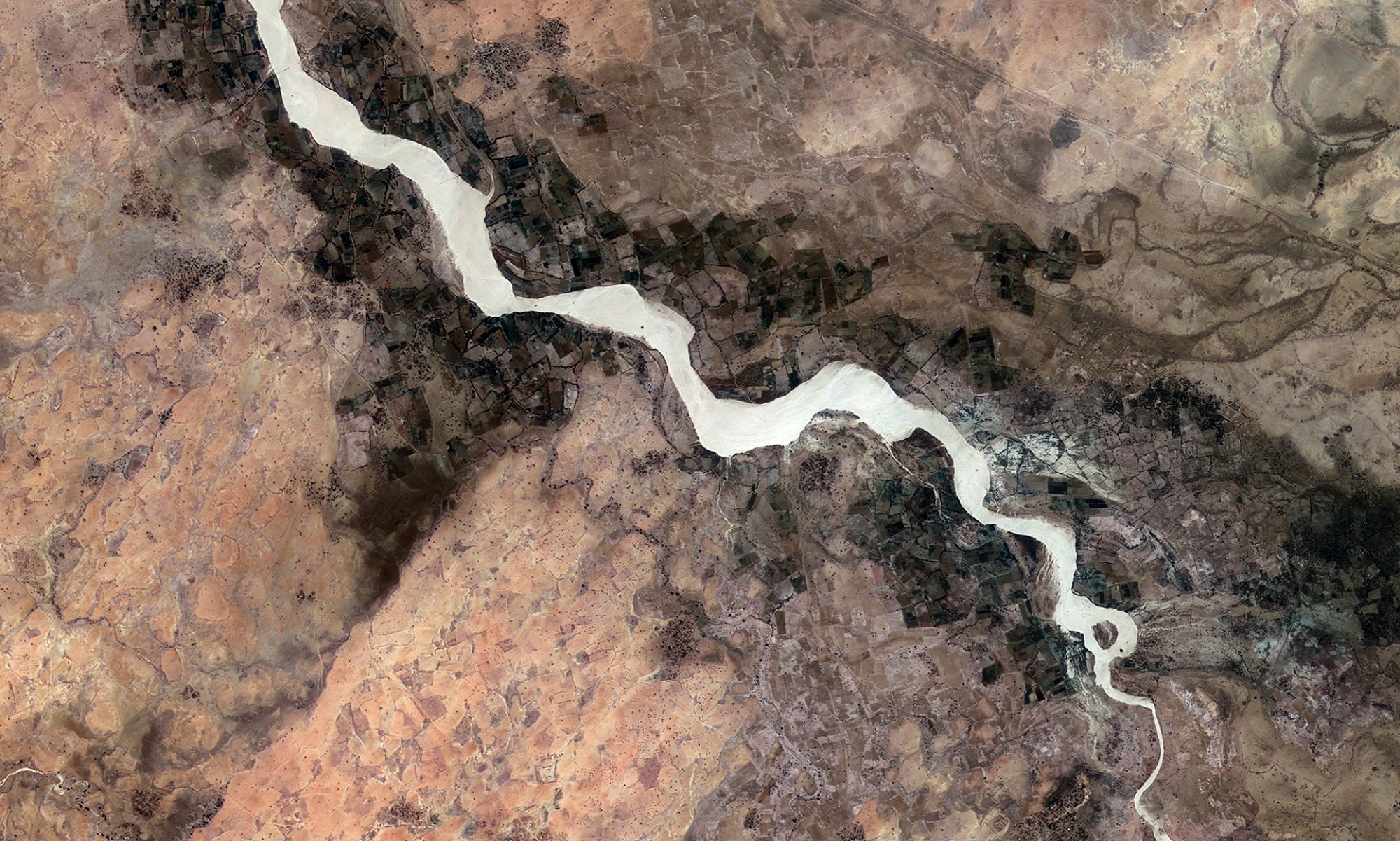

Darfur is predominantly characterized by arid and semi‑arid climates, making water a scarce yet invaluable resource. Despite the overall dryness of the region, seasonal rains and localized hydrological features (such as wadis, seasonal rivers, and groundwater reserves) offer critical lifelines to both ecosystems and local communities. However, increasing climatic variability, soil erosion, overgrazing, and conflict-induced displacement have exacerbated stress on water resources. This report synthesizes the environmental challenges, traditional practices, and modern management efforts that shape water availability in Darfur, ultimately providing recommendations for sustainable water resource management in a volatile context.
In Darfur, water is not merely a physical commodity—it is an element deeply interwoven with local culture, survival strategies, and conflict dynamics. Traditional communities have long relied on ingenious methods to collect and conserve water, adapting to an environment where rainfall is erratic and demand is high. At the same time, modern challenges such as prolonged droughts, flash floods, and resource competition from displaced populations have placed additional strain on what little water is available. This report explores the biophysical characteristics of Darfur’s water resources as well as the human and institutional factors that influence their management.
Hydrological Overview
Surface Water: Wadis and Seasonal Rivers
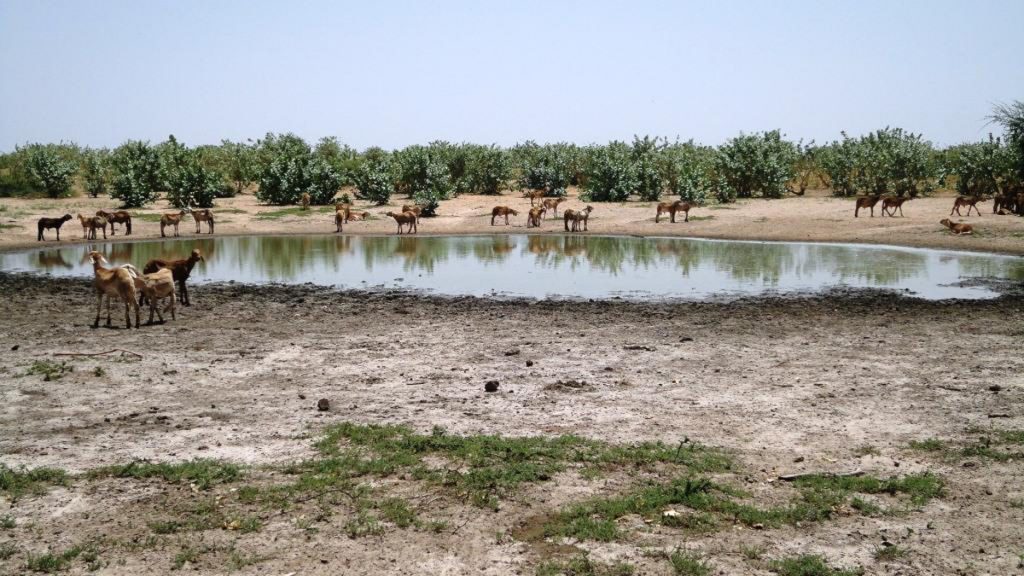
Darfur’s surface water is primarily channeled through wadis—ephemeral watercourses that flow during and immediately after seasonal rain events. These seasonal rivers provide essential, albeit temporary, sources of water for agriculture, livestock, and domestic use. Their flow patterns reflect not only the timing and intensity of regional rainfall (often enhanced by orographic effects in highland areas such as Jebel Marra) but also the degree of upstream water retention and land cover conditions. However, their ephemeral nature means that communities must be adept at rapid water harvesting during short-lived floods.
Groundwater Resources
Beyond surface flows, groundwater represents a critical component of Darfur’s water reserves. Aquifers in the region—ranging from alluvial deposits along riverbeds to fractured basement complexes—offer a more reliable, though often stressed, source of water. Studies have shown that while groundwater potential exists, extraction rates in urban centers and conflict-affected regions sometimes exceed sustainable yields, leading to reduced water quality and long-term depletion risks . Groundwater recharge is highly dependent on the erratic nature of rainfall, making its sustainable use challenging under current climatic trends.
Rainwater Harvesting and Traditional Methods
In response to the scarcity of continuous water flow, traditional Darfuri communities have long developed water harvesting techniques. Practices such as the construction of cisterns, small check dams, and the use of natural catchment areas have been integral to capturing seasonal rains. These community-based innovations not only buffer against dry spells but also embody an indigenous knowledge system that has enabled local adaptation for generations.
Environmental and Climatic Factors
Climate Variability and Extremes
The hydrological regime in Darfur is heavily influenced by climatic variability. Extended periods of drought are interspersed with episodes of intense rainfall that can lead to flash flooding. This pattern of irregular precipitation affects both the reliability of surface water and the recharge rates of groundwater systems. Beyond the natural variability, long-term trends driven by climate change are expected to intensify these extremes, increasing the risk of both water scarcity during prolonged dry spells and environmental degradation during heavy rains.
Soil Erosion and Land Degradation
Land degradation further complicates water resource dynamics in Darfur. Unsustainable land-use practices—such as overgrazing and deforestation—lead to increased soil erosion, reducing the capacity of the land to capture and hold rainwater. The resultant sedimentation in watercourses not only diminishes water quality but also disrupts natural flow regimes critical for aquifer recharge and ecosystem stability.
Human and Conflict Influences
Impact of Displacement and Conflict
Decades of conflict in Darfur have profoundly impacted the management and availability of water resources. Displacement of communities, the establishment of internally displaced persons (IDP) camps, and competition between pastoralists and sedentary farmers have collectively intensified the pressure on the region’s limited water supplies. Conflict often disrupts traditional water-sharing arrangements, further compromising the efficient allocation of water in times of scarcity.
Governance and Institutional Challenges
Both formal and informal institutions play a crucial role in water governance in Darfur. While traditional knowledge systems have historically managed water allocation through community-based arrangements, recent governmental interventions have at times clashed with these indigenous practices. Effective water governance is challenged by limited institutional capacity, insufficient monitoring networks, and sometimes conflicting policies at the local and national levels. The need for integrated water resource management (IWRM) approaches that harmonize traditional practices with modern scientific and administrative systems is increasingly apparent.
Approaches to Sustainable Water Management
Integrated Water Resources Management (IWRM)
Adopting an IWRM approach is essential to addressing the multifaceted challenges facing water resources in Darfur. Such approaches advocate for the coordinated development and management of water, land, and related resources to maximize economic and social welfare without compromising ecosystem sustainability. Measures include:
- Enhanced Monitoring Systems: Utilizing satellite remote sensing and improved local meteorological networks to better track rainfall patterns, river flows, and groundwater levels.
- Catchment Management Projects: Implementing pilot projects (such as those seen in the Wadi systems) to improve water retention, control sedimentation, and enhance aquifer recharge.
Community-Based Interventions
Empowering local communities to lead water resource management is critical. Community-led water harvesting projects—combining traditional techniques with modern low-cost technologies such as solar-powered pumps—have shown promise in improving water availability while enhancing resilience to climatic shocks. Transparent, participatory decision-making in water allocation can reduce resource-based tensions and support long-term local adaptation.
Capacity Building and Policy Integration
Strengthening institutional capacity at both local and national levels is key. This involves not only training local water managers and community leaders but also developing policies that recognize and integrate indigenous water management practices into broader regional water governance frameworks. Ensuring equitable access to water through improved land and water rights registration can help diffuse conflict and support sustainable development.
Water resources in Darfur are both a critical asset and a point of vulnerability within an environment marked by climatic extremes and socio-political conflict. The region’s ephemeral surface waters, stressed groundwater reserves, and reliance on traditional water harvesting practices present a complex picture of resource availability. Addressing these challenges requires an integrated approach that combines advanced water management techniques, robust community participation, and policy solutions that are both scientifically sound and culturally attuned. Through such holistic strategies, Darfur can better harness its water resources to support environmental sustainability, enhance local livelihoods, and contribute to long-term peace and stability.