

Darfur—a region best known for its arid and semi‑arid landscapes and long history of conflict—faces a range of environmental challenges. Although large-scale industrial agriculture is limited by water scarcity and degraded soils, small-scale farming and localized cash-crop initiatives are increasingly reliant on pesticides to control pests in an environment where food security is already precarious. This report examines how pesticide use—often informal and underregulated—affects soil quality, water resources, biodiversity, and human health. It also discusses the challenges of implementing effective pesticide regulation and offers policy recommendations aimed at integrating safe use protocols, better monitoring, and community-based training into broader environmental and agricultural management frameworks.
While Darfur’s harsh climatic conditions and ongoing conflict often dominate discussions, the region’s agricultural practices are integral to its socio-economic fabric. Smallholder farmers and pastoralists depend on limited arable land and scarce water resources. In recent years, pesticides have begun to enter the picture as a tool to combat pests and enhance yields in these vulnerable systems. However, in a setting already marked by fragile ecosystems, unregulated or improper pesticide use can exacerbate environmental degradation, contaminate water supplies, and pose significant health risks. This report explores the role of pesticides in Darfur, focusing on their environmental impacts and the challenges posed by weak institutional and regulatory frameworks.
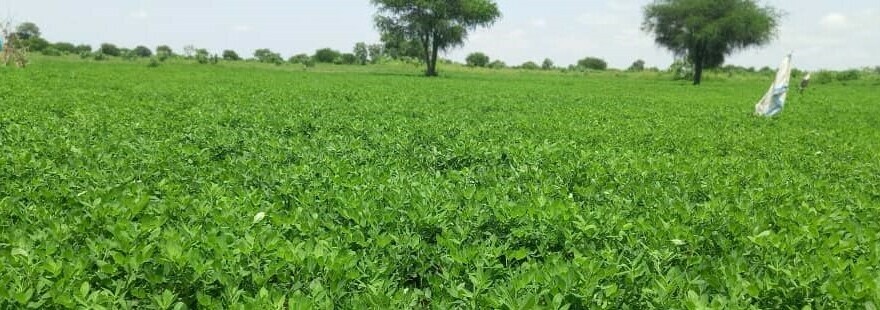
Pesticide Use in Darfur: Context and Practices
Agricultural Practices and the Role of Pesticides
- Subsistence and Smallholder Farming: Many farmers in Darfur cultivate staple crops such as millet, sorghum, and legumes, often practicing mixed cropping and relying on traditional methods. Given the increasing pressures of pest invasions—sometimes worsened by stressed, degraded lands—some farmers have begun adopting chemical inputs to protect their limited yields.
- Limited Formalization: The pesticide market in Darfur is characterized by informal trade channels. Products may be imported without comprehensive quality checks, and farmers often lack training on safe and appropriate application methods. The use of unregistered or banned chemicals is a risk, partly due to inadequate extension services and regulatory oversight.
- Environmental Conditions: Darfur’s arid environment means that water is a precious resource. When pesticides are applied on fields, runoff during even small rain events or flash floods can quickly transport chemicals to nearby water bodies. This is of particular concern in areas where seasonal rivers and groundwater serve as critical water sources for farming and domestic consumption.
Environmental Impacts
Soil Degradation
- Chemical Residues: Pesticides, if misapplied, can persist in the soil. This persistence may lead to a reduction in soil microbial diversity and fertility over time. In landscapes already eroded by overgrazing and deforestation, additional chemical stress compounds the problem, further limiting the land’s regenerative capacity.
- Nutrient Imbalances: Continuous use of certain pesticides may disrupt natural nutrient cycles. This can lead to a decline in organic matter and a decrease in the soil’s overall health—further challenging agricultural productivity in a region where arability is already compromised.
Water Resource Contamination
- Surface Runoff and Groundwater Vulnerability: Given the scarcity and critical importance of water in Darfur, the leaching of pesticides into surface waters poses a significant risk. In ephemeral rivers and wadis—common in Darfur—chemical contamination can persist long after application, affecting downstream communities and sensitive riparian ecosystems. Moreover, contamination of groundwater resources, which are often relied upon during extended dry periods, can have long-lasting impacts on water quality.
Biodiversity and Ecosystem Health
- Effects on Non-Target Species: Insecticides and herbicides may not only target pest species but also impact beneficial insects, soil microfauna, and native plant species. Reduced pollinator populations, for example, can affect natural regeneration and the productivity of adjacent agricultural areas or wild ecosystems.
- Ecosystem Imbalances: The disruption of delicate ecological networks can have cascading effects. With reduced soil biodiversity and altered water quality, local flora and fauna may struggle to adapt—a critical issue in ecosystems already stressed by climatic extremes and human activity.
Human Health Considerations
- Occupational Exposures: Farmers and applicators often handle pesticides without proper protective equipment or training. Exposure via skin contact, inhalation, or accidental ingestion can lead to acute pesticide poisoning or chronic health issues, including neurological and respiratory problems.
- Community Exposure: Contaminated water sources and foodstuffs may expose non-farming community members, including vulnerable groups such as children and pregnant women, to hazardous chemicals. In regions where access to healthcare is already limited, these risks magnify public health concerns.
Regulatory and Institutional Challenges
Weak Enforcement and Oversight
- Inadequate Policy Infrastructure: Existing regulations on pesticide importation, sale, and usage in Sudan are often not fully enforced in remote regions such as Darfur. The lack of routine monitoring and inspections allows for the circulation of low-quality and potentially dangerous pesticides.
- Limited Extension Services: Farmers in Darfur frequently do not receive the necessary guidance on safe pesticide practices. Agricultural extension programs are underfunded and face logistical challenges due to the region’s security and infrastructural constraints.
Conflict and Institutional Fragmentation
- Impact of Conflict: Ongoing political instability and conflict have diverted government attention and resources away from environmental monitoring. In conflict-affected areas, extended displacement and disputed land tenure further complicate efforts to regulate pesticide use and manage environmental impacts.
- Customary vs. Formal Systems: Traditional management practices and communal decision-making have historically governed resource use in Darfur. However, the intrusion of formal, often disconnected, pesticide policies rarely integrates local knowledge and practices. This disconnect can lead to community resistance or misuse of chemical products.
Policy Recommendations and Best Practices
To mitigate the environmental and health risks associated with pesticide use in Darfur, integrated and adaptive policy approaches are needed:
Strengthening Regulation and Monitoring
- Enhanced Enforcement: Improve the capacity of regulatory bodies to monitor pesticide importation and usage, particularly in remote and conflict-affected areas. This could include utilizing portable testing kits and satellite-based mapping for enforcement.
- Quality Control: Establish strict quality control standards for pesticides entering the market. Collaborations with international agencies can help in establishing benchmarks and sharing best practices.
Capacity Building and Extension Services
- Farmer Education Programs: Implement community-based training programs on integrated pest management (IPM). These programs should focus on safe application techniques, proper dosage, and the importance of using personal protective equipment (PPE).
- Integration of Traditional Knowledge: Develop extension services that recognize and integrate local, customary practices with modern agricultural techniques. This helps ensure that policies are contextually relevant and more likely to be adopted by local communities.
Promoting Alternatives to Hazardous Pesticides
- Integrated Pest Management (IPM): Encourage the adoption of IPM strategies that minimize reliance on chemical pesticides by using biological control measures, crop rotation, and culturally adapted practices.
- Research and Development: Invest in research to identify locally adapted, low-toxicity pesticide alternatives. Collaboration between local research institutions, international bodies, and NGOs could facilitate the development of context-specific solutions.
Collaborative Governance and Stakeholder Involvement
- Multi-Stakeholder Platforms: Establish forums that bring together government agencies, non-governmental organizations, farmer organizations, and local communities to discuss pesticide management practices. Transparent dialogue can help align formal regulation with local realities and build trust.
- Conflict-Sensitive Approaches: In designing and implementing pesticide policies, ensure that they are sensitive to the existing conflict dynamics. Equitable resource allocation and inclusive decision-making processes can help mitigate potential tensions.
Pesticide use in Darfur, though currently a limited piece of a broader agricultural system, poses considerable risks to environmental health and community well-being. The unique challenges of an arid, conflict-affected region—such as limited water resources, fragile soils, and weakened institutional oversight—demand adaptive, integrated policy approaches. By strengthening regulatory frameworks, enhancing extension services, promoting sustainable alternatives, and fostering stakeholder collaboration, there is potential to mitigate the harmful impacts of pesticides while supporting the resilience of local agricultural practices. The integration of traditional ecological knowledge with modern best practices will be key to crafting policies that are both effective and contextually appropriate.