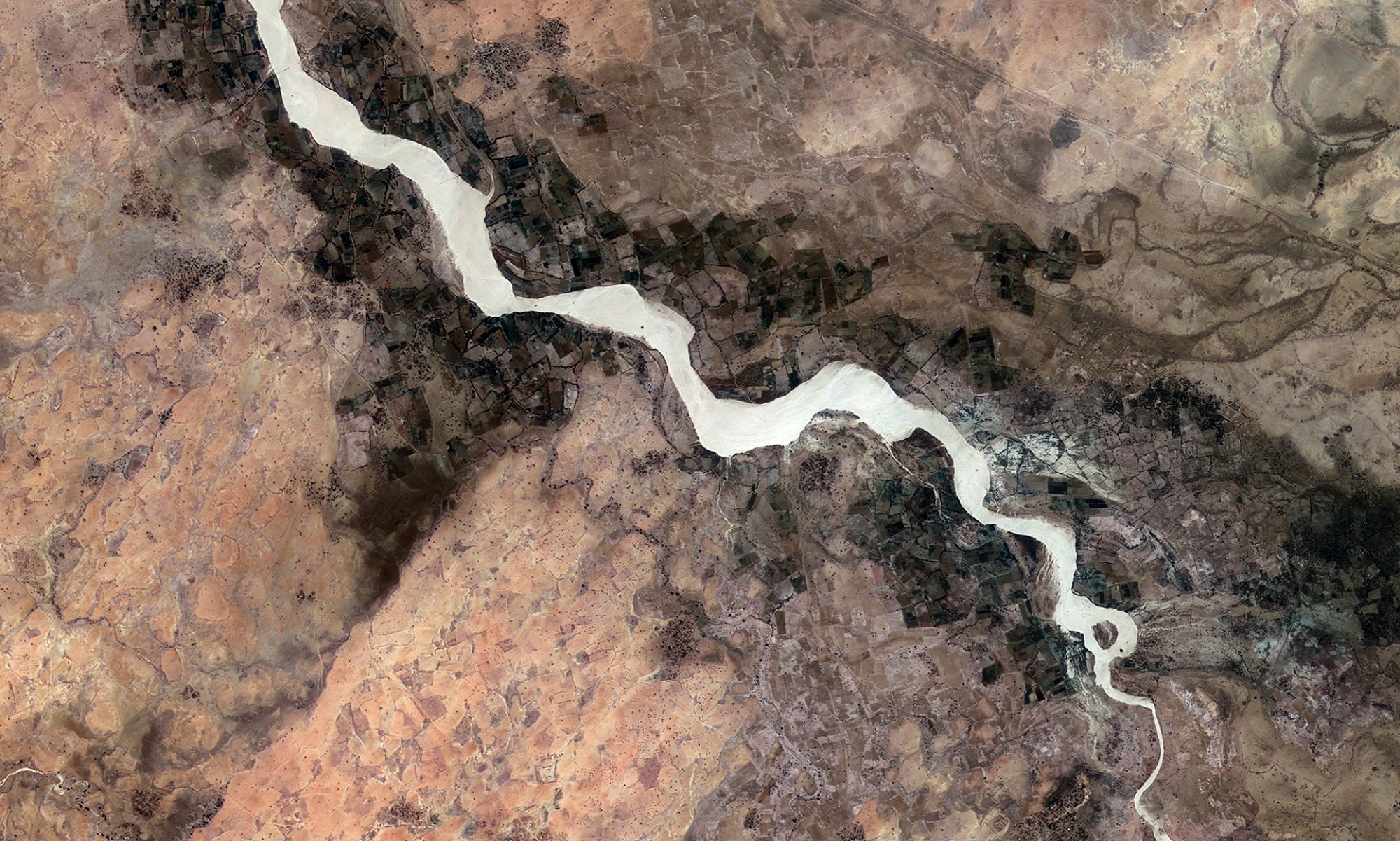

Artisanal mining in Darfur, especially for gold, has been a long-standing income source for many local communities operating with rudimentary tools and traditional methods. While this form of mining can spur local economic activity and job creation, it also poses significant environmental challenges. The lack of formal regulation and the use of hazardous chemicals—such as mercury and cyanide—contribute to soil erosion, water contamination, deforestation, and the disruption of local ecosystems. Compounded by an already fragile arid environment and the challenges of conflict and displacement, the artisanal mining sector in Darfur requires integrated policy interventions that balance socio-economic needs with environmental protection.
Artisanal or small‐scale mining is characterized by low-technology, labor-intensive extraction processes often practiced in rural and remote areas. In Darfur, artisanal miners exploit gold and, to a lesser extent, other minerals using methods passed down through generations. Traditionally driven by poverty and the need for quick income, these practices have expanded in recent decades. However, the rapid, unregulated growth of artisanal mining has led to severe environmental consequences. This report provides an in-depth look at the environmental impacts of artisanal mining in Darfur, situating these effects within a broader socio-economic and geopolitical context.
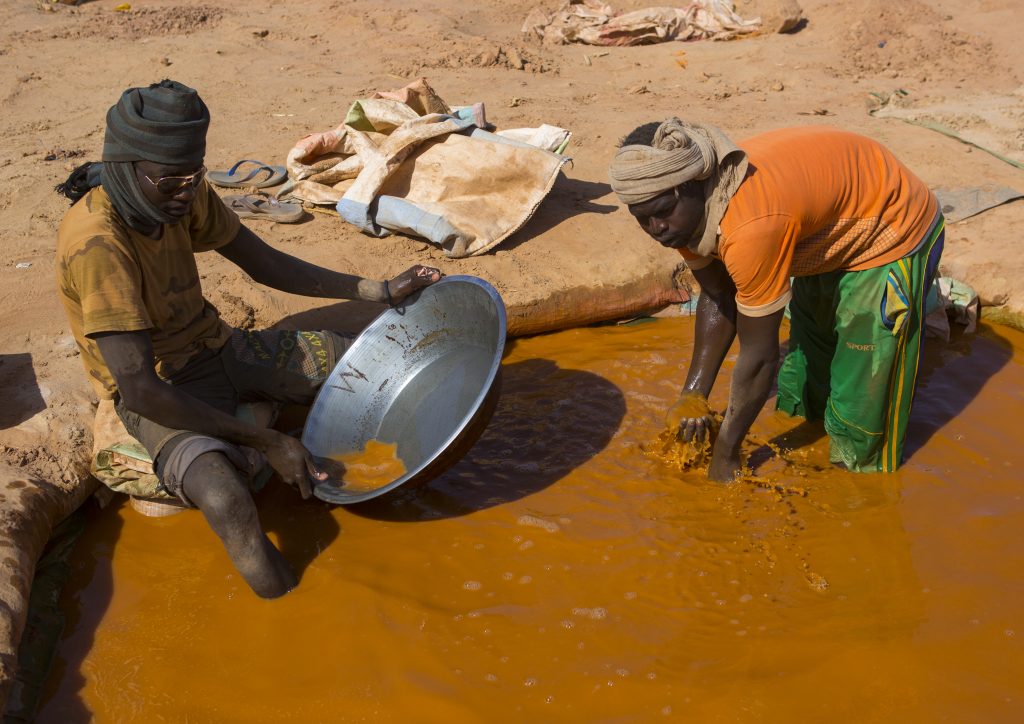
Overview of Artisanal Mining in Darfur
Historical and Socioeconomic Context
- Historical Roots: Artisanal mining in Sudan has ancient origins, with accounts of gold extraction dating back millennia. In Darfur, extended episodes of mining activity have emerged as communities adapted to regional resource constraints.
- Economic Importance: Today, artisanal mining is a major livelihood activity. It provides income to many who lack alternative employment opportunities, directly employing a substantial share of the local labor force and indirectly supporting the regional economy. However, the economic benefits are often juxtaposed against high environmental costs.
- Technological Methods: Largely manual and primitive, artisanal mining in Darfur relies on rudimentary tools, with practices such as crushing ore by hand. Commonly, mercury is used for gold amalgamation—a process that, while increasing recovery rates, introduces significant environmental and health hazards.
Geographical Distribution
Artisanal mining activities are usually concentrated in areas where gold deposits are accessible. In Darfur, these are often near river systems, highland areas where water is available for processing, or along alluvial deposits. The scattered geographical distribution makes monitoring and regulation particularly challenging.
Environmental Impacts of Artisanal Mining
Soil Degradation and Land Disturbance
- Soil Erosion: Uncontrolled excavation and digging drastically disturb the landscape, removing vegetation and topsoil. This leads to accelerated erosion, reducing the soil’s fertility and its capacity to support agriculture or natural vegetation.
- Deforestation: Clearing vegetation to make way for mining activities or to harvest wood for fuel and processing can result in significant deforestation. This further exposes soil to erosion and diminishes local biodiversity.
Water Pollution and Hydrological Alterations
- Chemical Contamination: The use of mercury and cyanide in processing gold results in the discharge of these chemicals into local water bodies. Once introduced into the aquatic environment, they accumulate in the food chain and pose severe health risks to both human and animal populations.
- Sedimentation and Altered Flows: Mining operations disturb riverbeds and increase sediment loads. This not only affects the quality of water for domestic and agricultural use but also interferes with natural water flow, potentially impacting groundwater recharge rates.
Air Pollution and Emission of Particulates
- Dust Generation: The excavation and crushing processes produce significant dust, which can lead to respiratory issues in nearby communities and degrade air quality.
- Mercury Vapors: During the amalgamation and heating processes, mercury vapors may be released. These vapors can be inhaled by miners and residents in surrounding areas, leading to neurological and other systemic health issues.
Biodiversity Loss and Ecosystem Disruption
- Habitat Destruction: The clearing of vegetation and soil excavation disrupt native habitats, leading to a decline in local flora and fauna. This loss of biodiversity further weakens ecosystem resilience.
- Ecosystem Imbalances: The cumulative impacts—ranging from water contamination to deforestation—can alter the delicate ecological balance in an arid region. Changes in local microclimates and the loss of ecosystem services such as natural pest control and pollination are additional long-term consequences.
Socioeconomic and Institutional Dimensions
Health and Community Well-Being
- Exposure to Toxins: Local communities and mining families, including vulnerable groups such as children and women, face exposure to toxic substances. This exposure has been linked to mercury poisoning, with long-term health implications.
- Economic Trade-offs: While artisanal mining is a critical source of income, the environmental degradation it causes can undermine other economic activities such as agriculture, exacerbating poverty and economic vulnerability over the long term.
Regulatory and Institutional Challenges
- Weak Enforcement: In many parts of Darfur, both governance capacity and regulatory oversight are limited. Conflict and political instability further hinder the effective enforcement of environmental and mining regulations.
- Conflict and Land Tenure: The presence of multiple actors—including informal miners, local communities, and sometimes armed groups—complicates land tenure arrangements. This situation leads to contested mining rights, often escalating into conflicts that undermine sustainable practices.
Policy Responses and Recommendations
Strengthen Regulatory Frameworks
- Develop Clear Legal Standards: Establish and enforce environmental standards for artisanal mining. This includes permissible limits for chemical usage (mercury, cyanide) and mandates for environmental impact assessments.
- Improve Monitoring and Inspection: Leverage modern technologies such as remote sensing and GIS to monitor mining sites and assess environmental damage. Regular field inspections should complement these technological tools.
Promote Safe and Sustainable Practices
- Introduce Mercury-Free Technologies: Facilitate the transfer of cleaner mining technologies. Training and financial incentives should be provided to artisanal miners to transition to mercury-free extraction methods.
- Enhance Community Awareness: Develop education and outreach programs to raise awareness among miners and local communities regarding the health and environmental risks associated with unsafe mining practices.
Foster Collaborative and Inclusive Governance
- Community-Based Resource Management: Reinforce customary governance systems by incorporating traditional knowledge with formal environmental management frameworks. Community-led monitoring initiatives can empower locals to manage and protect their environment.
- Integrated Development Programs: Link artisanal mining regulation with broader socio-economic development and environmental restoration programs. Initiatives should include alternative livelihood programs to reduce dependence on environmentally destructive mining activities.
International and Donor Engagement
- Secure Financial and Technical Assistance: Tap into international funding and expertise to support the implementation of sustainable mining practices and environmental rehabilitation projects.
- Research and Innovation: Encourage academic and applied research to continuously improve the eco-friendly techniques applicable in the artisanal mining sector and to monitor long-term environmental outcomes.
Artisanal mining in Darfur is at a crossroads—providing critical income for local populations while simultaneously engendering significant environmental harm. Without intervention, the ecological degradation wrought by unregulated mining practices threatens both natural ecosystems and human health. Addressing these problems requires a multifaceted approach that integrates stringent regulatory frameworks, the adoption of sustainable and mercury-free technologies, and community-led management initiatives. By aligning environmental protection measures with socio-economic development goals, there is the potential to transform artisanal mining into a more sustainable enterprise that benefits both the people and the environment of Darfur.