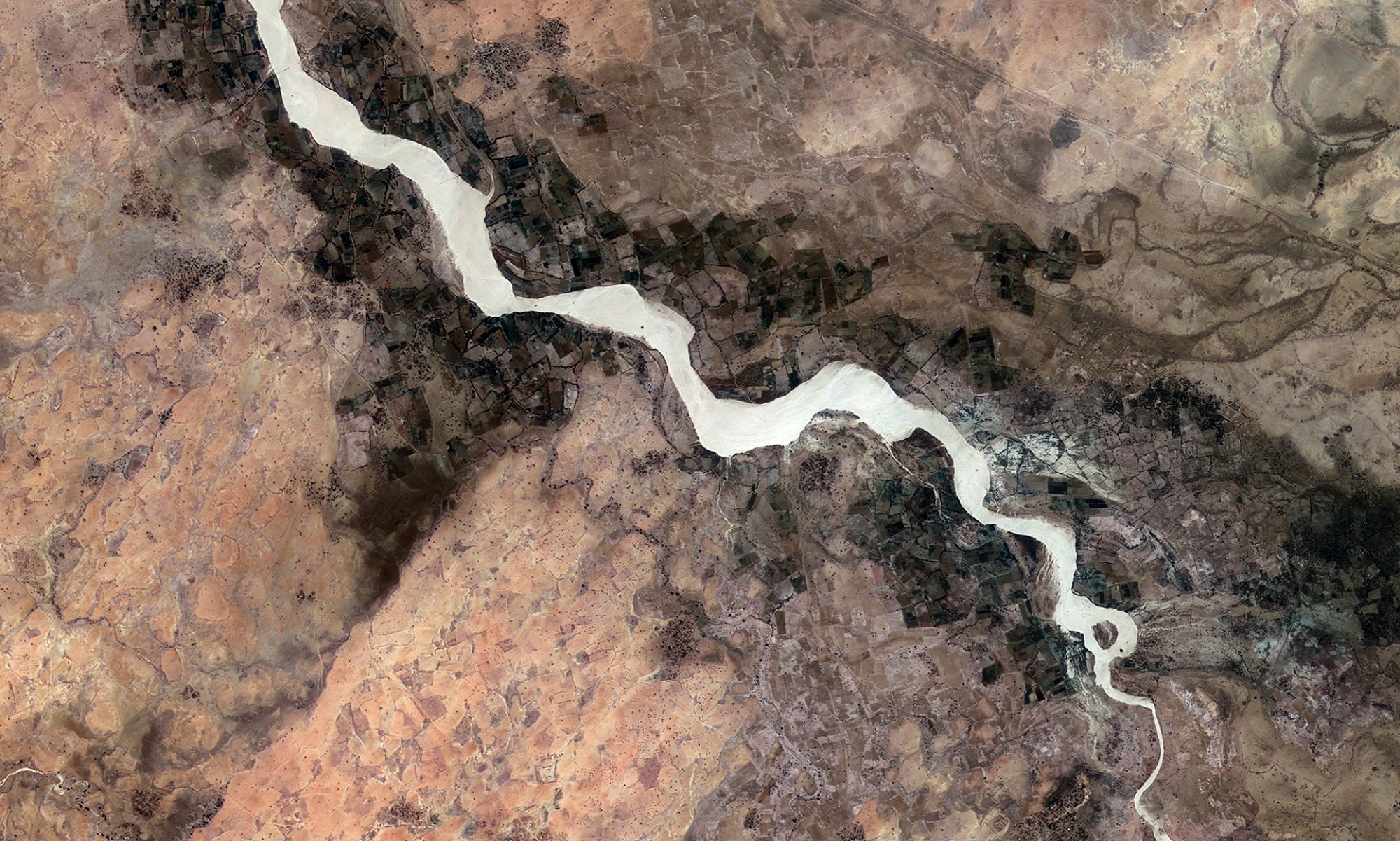

Darfur’s atmosphere is defined by a distinctive set of climatic conditions characterized by aridity, high variability in precipitation, and frequent dust events. These atmospheric features drive much of the region’s environmental challenges—from desertification and water scarcity to the degradation of soil and ecosystems. This report examines the atmospheric conditions in Darfur, highlighting recent trends in climate variability, the occurrence of dust storms, and the interaction between land use changes and atmospheric quality. It also explores the consequences for human health, agriculture, and environmental stability, and provides recommendations for adaptive strategies and policy interventions tailored to local realities.
Darfur, in western Sudan, is a region predominantly known for its harsh climatic conditions and historical resource challenges. The atmosphere of Darfur—comprising its temperature patterns, precipitation regimes, and particulate matter levels—plays a central role in shaping the living conditions of its inhabitants. In an environment where natural resources are limited and climatic extremes are the norm, understanding atmospheric dynamics is essential for addressing broader environmental and socioeconomic challenges. In this report, we analyze the atmosphere of Darfur through an environmental lens, emphasizing its current state, recent climatic shifts, and the implications of these factors on regional stability.
Atmospheric Characteristics in Darfur
Climatic Baseline
- Aridity and Temperature Darfur is historically characterized by high temperatures and low annual rainfall. The region’s arid climate is typical of desert and semi-arid zones, where daytime temperatures can be extreme, and nights tend to be cooler but still relatively warm compared to temperate regions.
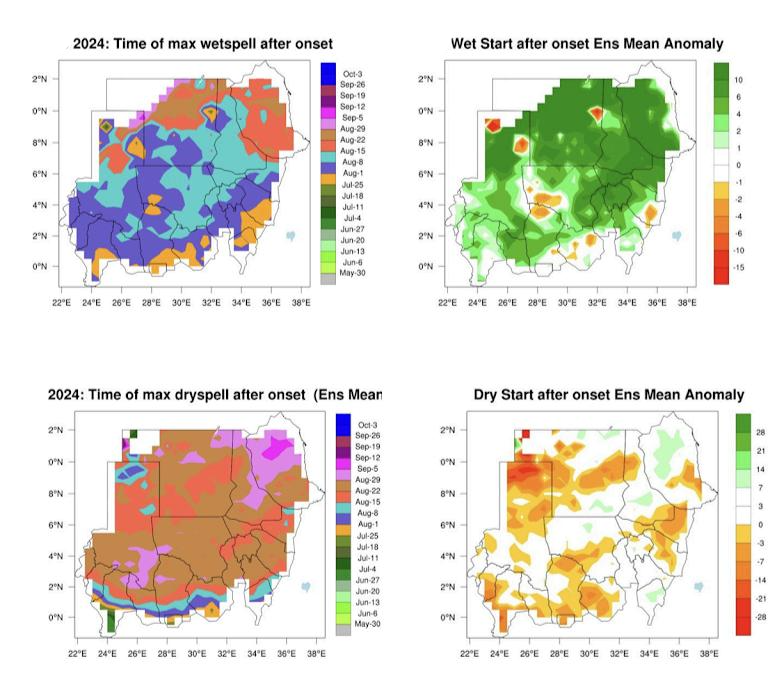
- Precipitation Patterns Rainfall in Darfur is highly seasonal and erratic. Long dry spells punctuated by short, intense rainy periods define the annual cycle. This variability in precipitation significantly affects soil moisture, vegetation cover, and water availability for agriculture and livestock.
- Dust and Particulate Matter The combination of high temperatures, sparse vegetation, and frequent wind events creates ideal conditions for dust entrainment. As desertification progresses, airborne dust and particulate matter levels are elevated, frequently reducing air quality and visibility.
Recent Trends and Variability
- Increased Vegetation Trends Recent research suggests that, over recent decades, some sub-regions of Darfur have experienced shifts in precipitation patterns that have led to modest increases in vegetation cover. Enhanced vegetation indices (EVI) derived from satellite data indicate that certain areas have experienced improvements in the natural cover despite historical aridity.
- Reduced Drought Frequency Analyses of the Standardized Precipitation Evapotranspiration Index (SPEI) indicate that the frequency and severity of extended drought periods have diminished in recent years. These improvements may contribute to partially moderated atmospheric conditions and have implications for both local agriculture and air quality.
- Persistent Dust Storms Although some areas demonstrate improved moisture and vegetation, dust storms remain a recurrent feature due to ongoing desertification processes and land degradation. The intensity and frequency of these events continue to pose challenges for both human health and environmental quality.
Climatic Drivers and Their Atmospheric Impacts
Desertification and Land Use Changes
- Impact on Air Quality Land degradation—accentuated by overgrazing, deforestation, and poor agricultural practices—leads to increased soil erosion and the mobilization of dust. As bare, disturbed lands are more susceptible to wind erosion, the resultant dust clouds contribute significantly to the atmospheric particulate load.
- Feedback Loops The loss of vegetation not only degrades air quality by permitting more dust uplift but also alters local climatic conditions. Reduced plant cover diminishes evapotranspiration, which can lead to further drying of the soil and a reinforcement of arid conditions in a self-perpetuating feedback loop.
Water Availability and Atmospheric Moisture
- Seasonal Humidity Fluctuations Water scarcity due to erratic rainfall patterns results in pronounced seasonal differences in atmospheric moisture. During the short rainy season, higher humidity levels can temporarily stabilize the atmosphere, reducing dust emissions. Conversely, the extended dry periods are marked by low moisture and elevated dust levels.
- Implications for Precipitation Changes in surface temperature and moisture content can influence local convective processes. As research suggests emerging trends in increased precipitation for some areas, these shifts may gradually alter local atmospheric circulation patterns, potentially contributing to reduced drought intensity.
Temperature Extremes and Heat Stress
- Thermal Variability High daytime temperatures contribute to rapid thermal expansion of the air, which influences local wind patterns and can drive the formation of dust storms. Elevated temperatures also lead to increased rates of evaporation, further depleting surface moisture.
- Human and Ecological Impacts Extreme heat can have deleterious effects on human health, particularly in vulnerable populations, and can stress local vegetation, limiting its capacity to stabilize soils. Such conditions exacerbate both environmental degradation and socioeconomic hardship in the region.
Implications of Atmospheric Conditions
Health Outcomes
- Respiratory Problems Persistent dust storms and high levels of particulate matter contribute to a range of respiratory issues, including asthma, bronchitis, and chronic obstructive pulmonary disease (COPD). Vulnerable populations, such as children and the elderly, are particularly at risk.
- Heat-Related Illnesses The combination of extreme ambient temperatures and prolonged exposure to solar radiation increases the incidence of heat stroke and dehydration. These conditions place additional burdens on the region’s limited healthcare infrastructure.
Agricultural Productivity and Food Security
- Crop Stress Fluctuating precipitation, high temperatures, and dust deposition on crops negatively affect agricultural yields by reducing photosynthetic efficiency and impairing nutrient uptake.
- Livestock Health Poor air quality and extreme heat stress also have adverse effects on pastoral livelihoods. Livestock exposed to these conditions are more susceptible to disease and reduced productivity, impacting food security and household incomes.
Socioeconomic Stability
- Migration and Displacement Environmental stressors, including poor air quality, extreme heat, and unreliable water sources, can drive migration and displacement. This, in turn, disrupts local economies and strains social cohesion.
- Conflict Over Resources The scarcity of water and arable land—intensified by adverse atmospheric conditions—can heighten competition among communities, contributing to localized conflict and further complicating governance and development efforts.
Policy Recommendations and Adaptation Measures
Enhancing Environmental Monitoring
- Deployment of Remote Sensing Technologies: Expand the use of satellite-based tools and ground-based sensors to monitor atmospheric variables such as temperature, humidity, particulate matter, and precipitation. This data is crucial for early warning systems and adaptive management strategies.
- Regular Climate Assessments: Conduct periodic assessments to track trends in atmospheric conditions and update regional climate models, thereby improving forecasting accuracy and planning for agricultural and public health responses.
Mitigating Dust and Soil Erosion
- Reforestation and Afforestation Programs: Implement large-scale tree planting and vegetation restoration projects to stabilize soils, reduce dust emissions, and enhance local microclimates.
- Sustainable Land Management: Promote conservation agriculture and pasture management practices that minimize soil disturbance, protect vegetation cover, and reduce erosion.
Improving Water Resource Management
- Rainwater Harvesting and Storage: Develop community-based rainwater harvesting systems to capture and store water during the rainy season, thereby increasing water availability during dry periods and reducing atmospheric moisture deficits.
- Efficient Irrigation Practices: Introduce modern irrigation techniques and water conservation practices to optimize water use in agriculture, further influencing local humidity and air quality.
Strengthening Community Resilience
- Health Infrastructure Improvements: Enhance local healthcare systems to better manage the public health impacts of poor air quality and extreme heat. This includes training for managing heat-related illnesses and respiratory issues.
- Public Awareness Campaigns: Establish educational programs to inform communities about air quality issues, protective measures during dust storms, and strategies for mitigating heat exposure.
The atmosphere in Darfur is a critical component of the region’s environmental system, influencing everything from human health and agricultural productivity to social stability and conflict dynamics. Despite its historical characterization as an arid, dust-prone region, recent trends suggest nuanced changes in precipitation and vegetation that could offer opportunities for improved atmospheric conditions. However, persistent challenges such as dust storms, water scarcity, and extreme heat continue to pose significant risks. Addressing these issues requires integrated management approaches that combine advanced environmental monitoring, sustainable land and water management, and robust public health interventions. By adopting adaptive strategies and resilient policies, stakeholders in Darfur can work toward mitigating the adverse impacts of atmospheric degradation and fostering a more sustainable and equitable future.