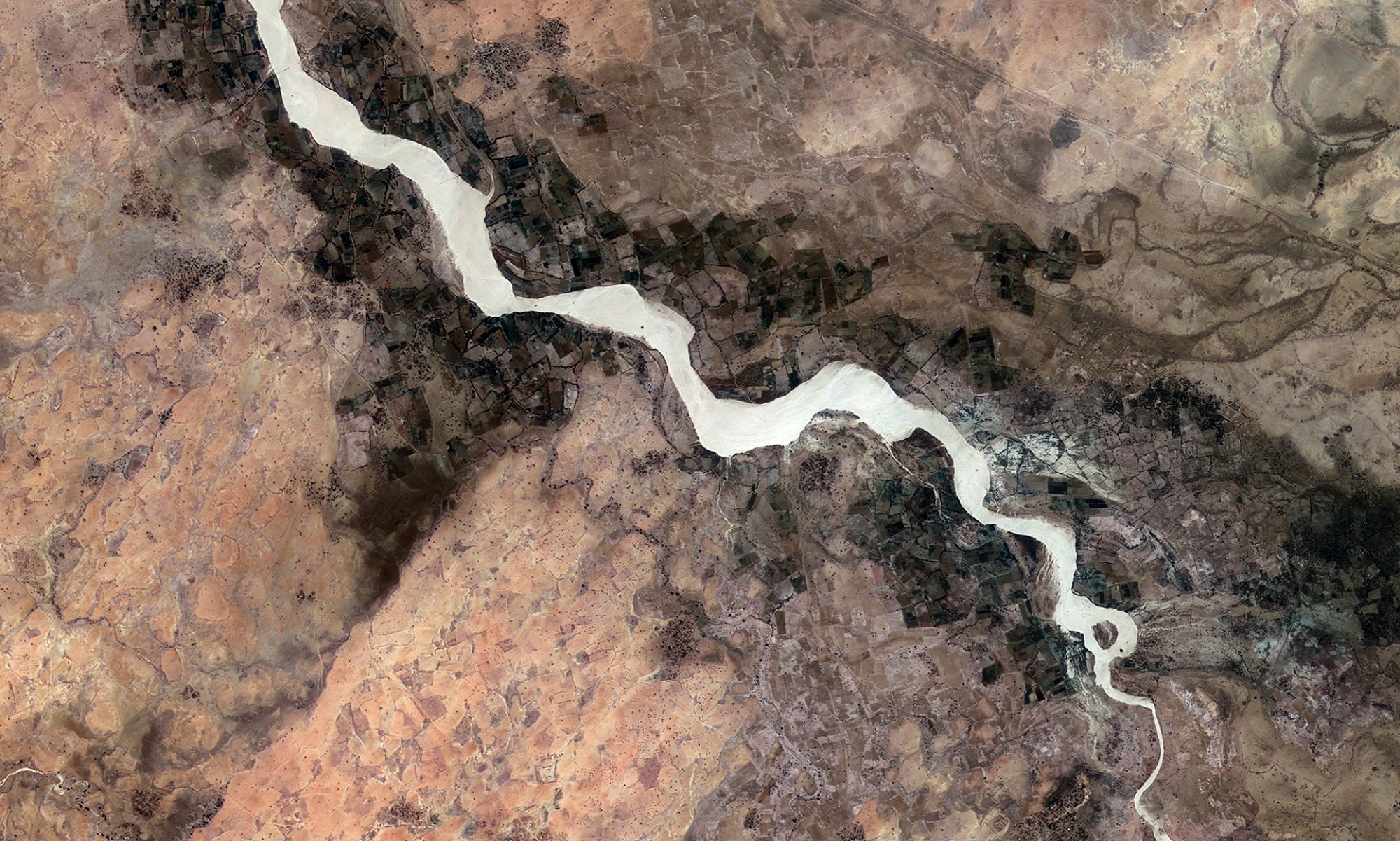

Darfur—a region in western Sudan—is characterized by an arid to semi‑arid climate, punctuated by pockets of ecological richness. In areas such as the Jebel Marra region, elevated terrain combined with orographic rainfall has fostered a diverse array of plant species despite harsh environmental conditions. Surveys across multiple sites have documented hundreds of plant species, revealing a mosaic of habitats influenced by soil texture, rainfall variability, and land use. Nevertheless, challenges such as overgrazing, conflict-induced displacement, land degradation, and climate change are increasingly impinging on this biodiversity. This report synthesizes research findings, notably from recent field studies, to provide an overview of biodiversity in Darfur, evaluate environmental drivers and threats, and propose adaptive conservation strategies that integrate local knowledge with modern management practices.
Biodiversity plays a crucial role in sustaining the environmental health and socio-economic resilience of any region. In Darfur, the interplay between a harsh arid climate and local adaptations has led to the development of distinctive ecological niches. While the region is widely known for its conflict and resource challenges, it also harbors significant biological diversity that is vital for ecosystem services, agricultural sustainability, and cultural heritage. Understanding the state of biodiversity in Darfur from an environmental perspective is essential not only for conservation efforts but also for addressing broader challenges such as climate change resilience and land-use conflicts.
Geographical and Environmental Context
Darfur is situated at the intersection of the Sahara and African savannas. Its landscape is characterized by vast deserts interspersed with hills, seasonal watercourses, and highland areas such as the volcanic Jebel Marra complex. This highland region, in particular, receives orographic rainfall that supports vegetation growth in an otherwise arid environment. Soil composition varies considerably across Darfur, with soils ranging from sandy, nutrient-poor substrates to more fertile clay loams near water sources. These environmental gradients help create a mosaic of microhabitats that are critical for maintaining a diverse flora and fauna in a region subject to climatic extremes.
Overview of Biodiversity in Darfur
Recent research in the Jebel Marra region has shed light on the rich biodiversity present in Darfur. In one comprehensive survey, researchers recorded 274 plant species across 52 study sites, with a notable preponderance of families such as Fabaceae and Poaceae. The study utilized methods like Two-Way Indicator Species Analysis (TWINSPAN) and Detrended Correspondence Analysis (DCA) to delineate distinct vegetation types. Findings indicate that although the savanna areas have become sparser—showing a shift from perennial dominance to annual species—the overall floral mosaic remains highly diverse due to microhabitat variability. This patchwork of vegetation types underscores the adaptive capacity of local ecosystems despite anthropogenic pressures.
Environmental Factors Influencing Biodiversity
Climatic and Topographical Drivers
The distribution and composition of plant communities in Darfur are significantly influenced by climatic factors and topography. Orographic rainfall in highland areas such as Jebel Marra provides critical moisture that sustains pockets of lush vegetation amid vast drylands. However, the region’s overall aridity and erratic rainfall patterns create challenging conditions that select for drought-adapted species. Furthermore, altitude plays a crucial role in modulating temperature and moisture availability, leading to distinct vegetation gradients even over short distances.
Soil Characteristics
Soil texture and composition are vital determinants in plant survival and diversity. In Darfur, areas with finer soil textures and higher clay content tend to retain water better, thereby giving rise to more robust vegetation. Conversely, the predominance of soft or aeolian sand in many soils limits water availability, contributing to a sparser vegetation cover in those areas. The interaction between soil properties and rainfall influences plant-available water capacity—a critical factor for species persistence in this environment.
Human-Induced Pressures
Anthropogenic activities, including overgrazing, unsustainable agricultural practices, and the impacts of conflict, exacerbate environmental stress in Darfur. As communities face resource scarcity, land management practices become more intensive, often leading to degradation of soils and vegetation cover. These pressures not only directly affect biodiversity but also disrupt traditional land-use patterns that have historically allowed for sustainable coexistence with nature. The resulting habitat fragmentation and degradation further challenge the resilience of local ecosystems.
Threats to Biodiversity
Land Degradation and Overgrazing
Overgrazing by livestock and unsustainable agricultural expansion contribute to soil erosion and habitat loss. As native vegetation cover diminishes, the delicate balance sustaining diverse plant species is disturbed. This, in turn, reduces ecosystem services such as water retention and carbon sequestration, thereby weakening the overall resilience of the environment.
Conflict and Displacement
Political instability and armed conflict in Darfur have led to widespread displacement and the breakdown of traditional resource management systems. The influx of internally displaced persons (IDPs) and refugees into fragile ecosystems imposes additional pressure on land and water resources, further endangering biodiversity. The disruption of customary practices often results in unregulated land use, exacerbating degradation and reducing habitat quality for native species.
Climate Change
Increasing climatic variability—manifesting as more frequent droughts and sporadic heavy rains—places additional stress on Darfur’s ecosystems. Changes in temperature and precipitation patterns can shift species distributions, reduce reproductive success, and lower resistance to pests and diseases. Over time, such pressures may lead to a decline in biodiversity if adaptive management measures are not implemented.
Conservation Strategies and Sustainable Management
Integrated Resource Management
An integrated approach to land and water management is essential for conserving Darfur’s biodiversity. Strategies that combine sustainable agriculture, grazing controls, and reforestation efforts can help restore degraded areas and promote habitat connectivity. Utilizing modern tools such as satellite remote sensing along with traditional ecological knowledge allows for more precise monitoring and adaptive management of critical landscapes.
Community-Based Conservation
Empowering local communities through participatory conservation initiatives is key to protecting biodiversity. Traditional practices have long sustained diverse ecosystems in Darfur; integrating these techniques into modern management policies can enhance resilience. Community-led monitoring, restoration projects, and sustainable livelihood programs can ensure that conservation efforts do not conflict with local economic needs.
Policy and Institutional Support
Strengthening institutional frameworks is critical for the long-term success of conservation initiatives. National and regional policies should promote sustainable land use and provide incentives for biodiversity conservation. International partnerships and funding mechanisms—such as those tied to climate adaptation and sustainable development—can further reinforce these efforts by providing technical and financial support.
Policy Recommendations and Future Directions
To enhance biodiversity conservation in Darfur, the following policy recommendations are proposed:
- Enhance Monitoring and Research: Invest in continuous, longitudinal studies using remote sensing and field surveys to monitor biodiversity changes and assess the effectiveness of conservation programs.
- Integrate Traditional Knowledge: Actively involve local communities in policymaking and land management decisions. This includes incorporating indigenous practices into formal conservation strategies.
- Promote Sustainable Land Use: Develop integrated land and water management programs that balance agricultural production with habitat restoration, mitigating the effects of overgrazing and deforestation.
- Improve Institutional Coordination: Strengthen coordination among government agencies, NGOs, and international organizations to streamline conservation efforts and ensure that policies are culturally and ecologically appropriate.
- Leverage Climate Adaptation Funding: Secure international funding linked to climate adaptation initiatives to support projects that enhance ecosystem resilience against climate change.
Biodiversity in Darfur is characterized by its resilience in the face of harsh arid conditions and environmental variability. Regions such as Jebel Marra have demonstrated that even under challenging conditions, a diverse flora can persist—provided that local environmental factors and traditional management practices are respected. However, increasing pressures from land degradation, conflict, and climate change pose significant threats to this biodiversity.