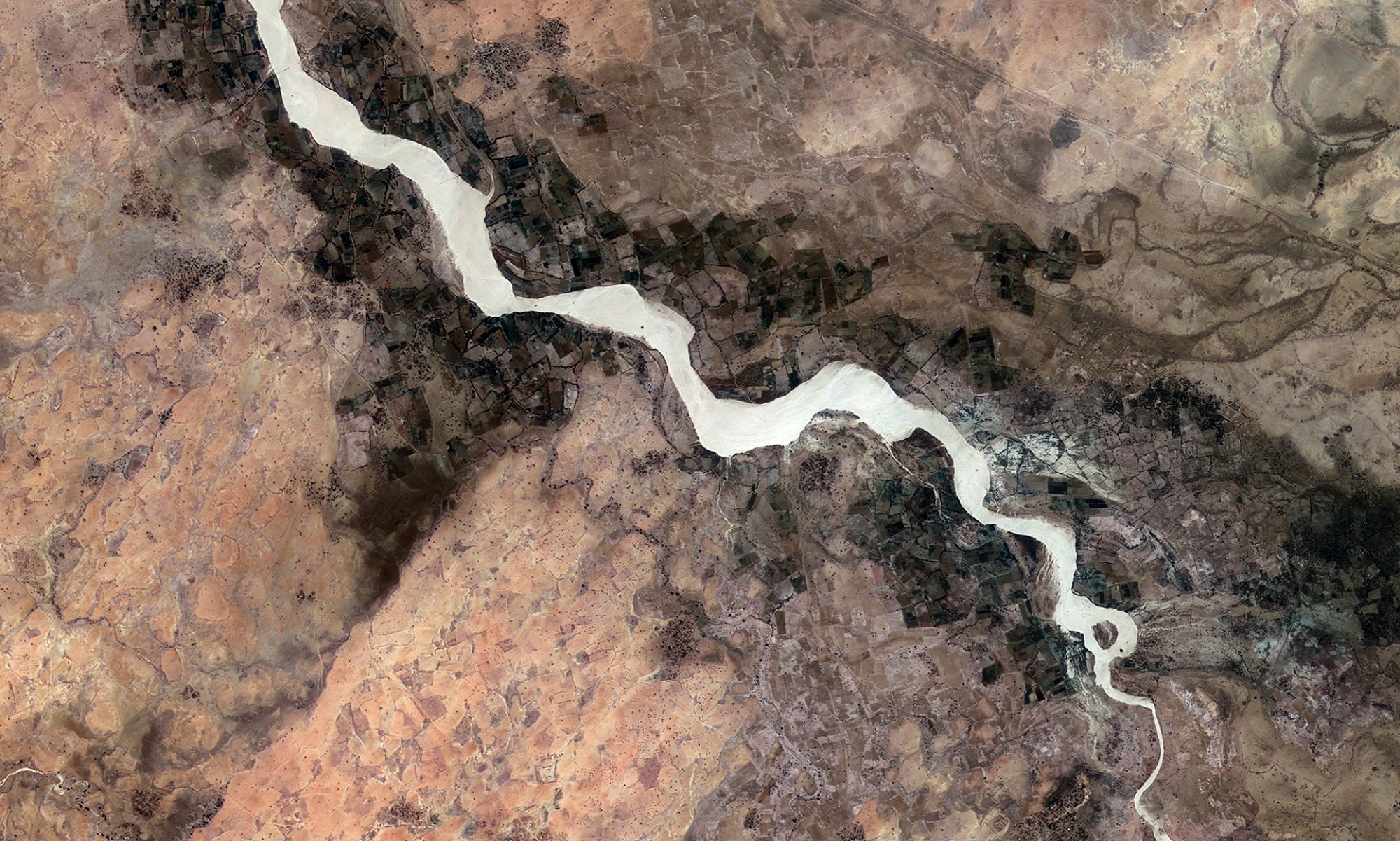

Darfur is a region characterized by rich ethnic diversity, deep-rooted cultural traditions, and a complex historical tapestry. However, these human dimensions have long been intertwined with the environment. Environmental challenges such as desertification, water scarcity, and climate variability have not only shaped livelihoods and settlement patterns but also influenced cultural practices and inter-ethnic relations. This section examines how environmental factors interact with ethnicity and culture in Darfur, the ways in which local communities adapt to ecological pressures, and how environmental change can both reinforce and transform traditional social structures. Finally, it offers recommendations for integrating cultural sensitivities into environmental policy and sustainable development initiatives.
Darfur, located in western Sudan, is home to numerous ethnic groups—including the Fur, Zaghawa, and Masalit—each with distinct cultural identities and traditional practices. Over decades, the region has faced severe environmental challenges such as persistent drought, desertification, and resource depletion. These conditions affect how communities live, govern their natural resources, and maintain cultural practices. By examining Darfur’s ethnicity and culture through an environmental lens, we uncover the reciprocal relationship between ecological conditions and the social fabric of the region.
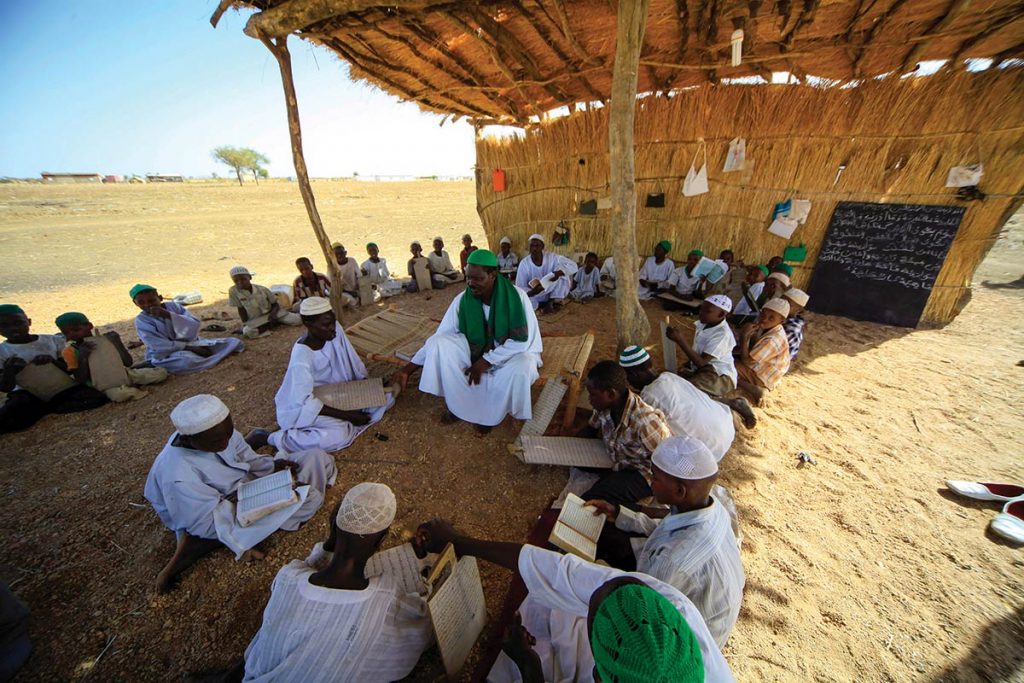
Historical and Cultural Context of Darfur
Ethnic Diversity and Settlement Patterns
- Diverse Populations: Darfur’s population comprises several ethnic groups. Each of these groups has historically adapted to the available natural resources, which has influenced their territorial distribution.
- Cultural Traditions: Traditional practices—such as nomadic pastoralism among some groups and sedentary agriculture among others—are a function of the historical availability of water, fertile soil, and pastureland.
- Historical Interactions: Historical alliances, trade relationships, and conflicts among these groups have been shaped by both cultural affinities and competition over environmental resources.
Cultural Expression and Community Life
- Oral Traditions and Rituals: Storytelling, music, dance, and ritual ceremonies are integral parts of Darfur’s cultural landscape. These practices often encode environmental knowledge—such as agricultural calendars, water conservation methods, and seasonal migration routes.
- Social Organization: Kinship structures, clan systems, and local councils operate not only as vehicles for the preservation of cultural identity but also as traditional governance systems for managing communal resources.
Environmental Dimensions in Darfur
Ecological Challenges
- Desertification: Unsustainable land management practices, overgrazing, and deforestation have accelerated desertification in Darfur. This environmental degradation reduces agricultural productivity and pressures pastoral lifestyles.
- Water Scarcity: Erratic rainfall and prolonged droughts have resulted in chronic water shortages. Water, a crucial element for both domestic use and agriculture, is a key factor that influences settlement patterns and inter-communal relations.
- Climate Variability: Fluctuating weather patterns, including both extreme heat and sporadic heavy rains, pose ongoing challenges to food production and the sustainability of rural livelihoods.
Impact on Land Use and Resource Distribution
- Resource-driven Migration: Environmental stress—such as the loss of arable land or failing pasture—can drive population movements, creating shifting demographic patterns and sometimes fueling ethnic tensions over dwindling resources.
- Conflict over Resources: Competition for water and fertile land sometimes exacerbates historical grievances or inter-ethnic competition, influencing both conflict dynamics and social cooperation.
Intersection of Ethnicity, Culture, and the Environment
Adaptive Cultural Practices
- Indigenous Knowledge Systems: Many ethnic groups in Darfur have developed indigenous knowledge systems that include sustainable agricultural practices, water harvesting techniques, and rotational grazing methods. These practices are embedded within cultural rituals and social norms.
- Cultural Resilience: Despite environmental degradation, cultural resilience is demonstrated through adaptive practices such as communal resource management, the maintenance of traditional ecological calendars, and the preservation of local stories that stress the connection with nature.
- Resource Stewardship: In some communities, traditional cultural practices have not only dictated the sustainable use of natural resources but have also served as a basis for resolving disputes. Elders and traditional leaders often act as mediators when conflicts over land or water arise.
Environmental Change and Cultural Transformation
- Shifts in Livelihoods: As environmental challenges intensify, traditional livelihoods face disruption. For instance, prolonged droughts compel pastoralists to alter migration routes or shift to more sedentary forms of living, leading to changes in cultural practices and social organization.
- Loss of Traditional Practices: With increasing environmental stress, there is the risk of erosion of traditional knowledge. Younger generations may turn to modern, less sustainable practices if traditional methods are not adapted or revitalized.
- Inter-ethnic Dynamics: Environmental pressures can both unite and divide communities. Shared challenges may foster inter-ethnic cooperation and collective action for environmental restoration, while competition for scarce resources may deepen divisions.
Socio-Environmental Challenges and Cultural Resilience
Environmental Stress and Social Vulnerability
- Conflict Dynamics: Environmental degradation can compound pre-existing ethnic and political tensions. In Darfur, resource scarcity has occasionally transformed localized disputes into wider conflicts, disproportionately impacting vulnerable communities.
- Economic Implications: With declining agricultural yields and disrupted pastoral systems, economic hardship intensifies social vulnerability. Economic stress can alter family structures, migration patterns, and ultimately, the cultural landscape.
Community-led Environmental Restoration
- Grassroots Initiatives: Several communities have embarked on grassroots projects aimed at rehabilitating degraded lands. Initiatives such as reforestation, sustainable water management, and soil conservation often draw upon traditional ecological knowledge and are coordinated by local ethnic groups.
- Collaborative Resource Management: Mixed-ethnic collaborative efforts, where traditional leaders and local institutions come together, have shown promise in mitigating some of the adverse effects of environmental stress. These efforts underscore the potential role of cultural pluralism in fostering environmental resilience.
Policy Implications and Recommendations
Integrating Indigenous Knowledge in Environmental Policy
- Cultural Sensitivity: Environmental policies in Darfur should incorporate traditional ecological knowledge and cultural practices. This helps to ensure that solutions are context-specific and sustainable.
- Community Participation: Empower local ethnic groups to manage natural resources through participatory governance structures, thus strengthening community bonds and promoting sustainable practices.
Promoting Sustainable Livelihoods
- Diversification Programs: Encourage livelihoods that reduce dependency on fragile natural resources. Programs should incorporate vocational training and education in modern sustainable practices without discarding traditional methods.
- Infrastructure Investment: Support infrastructure that is resilient to environmental extremes, such as water harvesting systems and climate-proof educational facilities, thereby enhancing community stability.
Facilitating Inter-ethnic Cooperation
- Conflict Resolution Mechanisms: Develop conflict resolution and mediation frameworks that recognize the role of environmental factors in inter-ethnic disputes. Such mechanisms should involve traditional leaders and community representatives.
- Cultural Preservation Initiatives: Invest in cultural preservation projects, including documentation of indigenous practices, festivals, and oral histories that reinforce communal bonds and shared identity.
The interconnection between ethnicity, culture, and the environment in Darfur is both complex and pivotal for the region’s future. While environmental stressors such as desertification, water scarcity, and climate variability pose significant challenges, they also provide a context within which ethnic groups have developed adaptive and resilient cultural practices. Recognizing and integrating these indigenous practices into modern environmental management could unlock pathways to sustainable development and peace. Policy measures that are culturally informed and environmentally sound are essential for fostering long-term stability, resilience, and social cohesion in Darfur.
Recommendations for Further Research
- Longitudinal Studies: Conduct long-term studies on how environmental changes are reshaping ethnic identities and cultural practices in Darfur.
- Impact Assessments: Develop comprehensive impact assessments that evaluate the success of community-led environmental projects in mitigating inter-ethnic conflicts.
- Knowledge Exchange: Facilitate platforms for knowledge exchange among different ethnic groups to share sustainable practices and build regional solidarity.