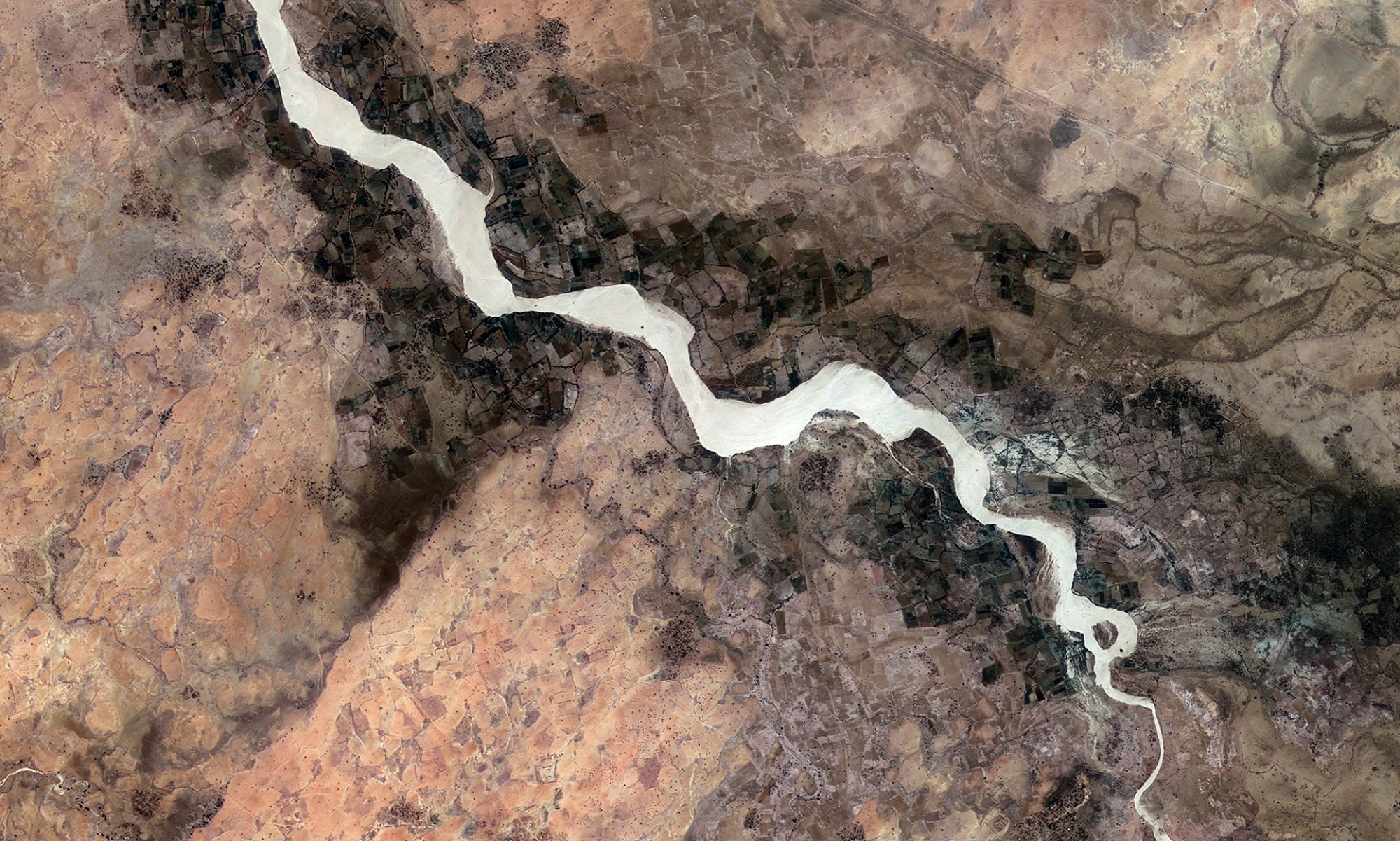

Darfur, a region in western Sudan marked by arid to semi‑arid conditions and decades of conflict, experiences a cascade of environmental challenges that directly influence public health. Chronic water scarcity, inadequate sanitation, deforestation, soil degradation, and air pollution—exacerbated by conflict-related displacement—create conditions that heighten the incidence of infectious diseases, malnutrition, respiratory ailments, and other public health concerns. With fragile healthcare infrastructure and vulnerable populations (including internally displaced persons and refugees), Darfur’s environmental conditions act as both direct and indirect drivers of health challenges. This report synthesizes evidence on key environmental determinants of health, discusses their impact on community well-being, and provides integrated policy recommendations for improving public health outcomes in this fragile environment.
Health outcomes in Darfur are inextricably linked to the region’s environmental conditions. Over the past decades, widespread conflict, coupled with harsh climatic conditions, has led to rapid environmental degradation. Displacement and the breakdown of traditional resource management have further disrupted access to clean water, adequate sanitation, and resilient ecosystems—factors that are critical for maintaining public health. This report investigates how environmental variables, including water quality, air and soil integrity, and climate variability, interact with human health in Darfur and underscores the need for integrated, context-specific interventions.
Environmental Determinants of Health in Darfur
Water Quality and Availability
- Scarce and Contaminated Water Sources: Darfur’s arid climate means that surface water—even in seasonal rivers or wadis—is limited and highly variable. Over-extraction from aquifers, combined with runoff from open dumps in IDP camps and urban centers, contributes to water contamination. This situation leads to a high incidence of waterborne diseases such as cholera, dysentery, and typhoid fever.
- Impact of Displacement: In refugee and IDP camps, water is often collected from untreated sources. The scarcity of clean water exacerbates the risk of gastrointestinal infections, particularly among children and immunocompromised individuals.
Sanitation and Waste Management
- Inadequate Sanitation Infrastructure: The absence of organized waste disposal systems and limited access to safe sanitation facilities in both urban areas and displaced communities’ compounds health risks. Open defecation and improper waste management facilitate the spread of infectious diseases.
- Environmental Pollution: Poor waste management contributes to soil and water contamination and creates breeding grounds for disease vectors. In camps and growing urban settlements, lack of sanitation is directly linked with outbreaks of diarrhea and parasitic diseases.
Air Quality and Dust Exposure
- Airborne Pollutants: The arid environment, compounded by the burning of biomass and open waste, increases levels of dust and particulate matter in the air. Dust storms and seasonal air pollution can aggravate respiratory conditions like asthma and chronic bronchitis.
- Chemical Exposure: In agricultural areas, the emerging use of pesticides (often applied without proper guidance) may release chemicals into the air and contaminate water and soil. These pollutants can be inhaled or ingested, posing additional chronic health risks.
Soil Degradation and Food Security
- Soil Erosion and Deforestation: Accelerated soil erosion—from overgrazing, deforestation, and unsustainable agricultural practices—reduces soil fertility and adversely affects local food production. Degraded land contributes to food insecurity, malnutrition, and increased vulnerability to disease.
- Impact on Nutrition: Malnutrition, often a result of declining agricultural productivity, weakens immune systems, leaving communities increasingly susceptible to various infectious diseases.
Climate Variability and Extreme Weather
- Droughts and Flooding: Climate change has introduced greater variability in rainfall, with prolonged droughts and occasional flash floods. Drought conditions intensify water scarcity and food insecurity, while floods can spread contaminants, damage infrastructure, and disrupt access to healthcare.
- Heat Stress: Extreme temperatures add direct health burdens, leading to conditions such as heat exhaustion, dehydration, and exacerbated chronic health issues.
Health Outcomes and Vulnerable Populations
Infectious Diseases
- Waterborne and Vector-borne Diseases: The lack of clean water and proper sanitation is closely linked with outbreaks of diarrhea, cholera, and dysentery. Additionally, standing water and environmental disruptions provide habitats for vectors like mosquitoes, which can cause malaria and other vector-borne illnesses.
Respiratory and Chronic Conditions
- Respiratory Illnesses: Air pollution, dust storms, and smoke from biomass burning contribute to respiratory diseases, particularly among children, the elderly, and those with preexisting conditions.
Nutritional Deficiencies
- Food Insecurity and Malnutrition: Environmental degradation affecting agriculture directly leads to reduced food availability and quality, contributing to malnutrition—especially among children. Malnutrition not only increases susceptibility to infectious diseases but also hampers overall community health and development.
Mental Health and Stress
- Conflict and Displacement: The ongoing conflict and its resultant environmental degradation contribute to chronic stress, anxiety, and depression among affected populations. Mental health issues are compounded by the uncertainty over access to basic resources such as clean water, adequate food, and shelter.
Institutional and Policy Challenges
Fragile Healthcare Infrastructure
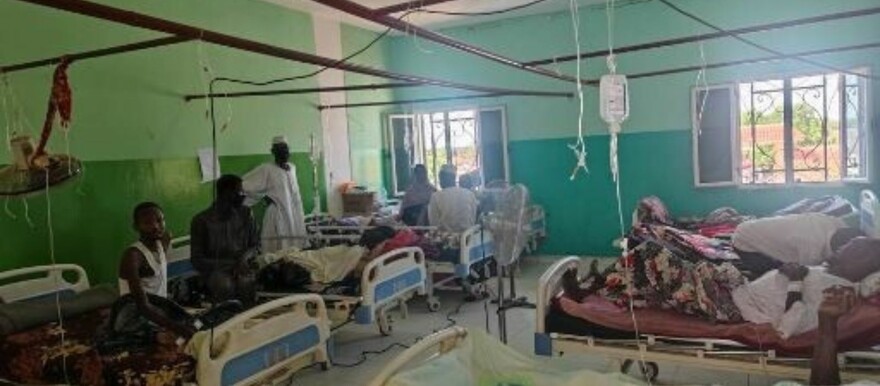
- Disruption and Under-resourcing: Conflict and displacement have weakened healthcare infrastructure in Darfur. Many facilities struggle to provide basic services, let alone address the complex health challenges exacerbated by environmental factors.
- Access and Quality: The combination of environmental hazards and an underfunded health sector leads to poor quality of care, limited disease surveillance, and delayed response to outbreaks.
Governance and Coordination
- Fragmented Response: Environmental health issues in Darfur require coordinated efforts between government agencies, humanitarian organizations, and local communities. However, political instability and weak institutional capacity often hinder effective coordination.
- Integrating Environmental and Health Policies: There is a need for policies that recognize the intersection between environmental degradation and public health. Integrating environmental monitoring and management into public health planning is critical for sustainable improvement.
Policy Recommendations
To mitigate the health impacts of environmental challenges in Darfur, the following strategies are recommended:
Strengthening Water and Sanitation Systems
- Improved Infrastructure: Invest in robust water supply systems and sanitation facilities that serve urban settlements, rural areas, and displacement camps. Routine water quality monitoring and accessible treatment systems can help prevent waterborne diseases.
- Community-Based Solutions: Deploy low-cost, adaptable waste management systems and promote hygiene education to reduce the spread of infections.
Enhancing Healthcare Capacity
- Mobile and Emergency Health Services: Expand mobile clinics and emergency health services to reach displaced and remote communities. This should be coupled with training for local health workers in disease surveillance and outbreak response.
- Integrated Environmental Health Programs: Develop integrated programs that simultaneously address environmental hazards (such as pollution and inadequate sanitation) and health outcomes to ensure a more resilient public health response.
Climate Adaptation and Disaster Preparedness
- Early Warning Systems: Implement climate monitoring and early warning systems to prepare for extreme weather events (droughts, floods, heat waves) and mitigate their health impacts.
- Resilience-Building Initiatives: Encourage programs that build agricultural resilience, reduce food insecurity, and address malnutrition through sustainable land management and livelihood diversification.
Multisectoral Coordination and Research
- Enhanced Coordination: Establish coordination mechanisms among governmental agencies, NGOs, humanitarian organizations, and community leaders to create integrated responses to environmental health challenges.
- Focused Research: Support research initiatives that explore the links between environmental degradation, climate variability, and health outcomes in Darfur. This will guide evidence-based policy interventions and the allocation of resources.
Health in Darfur is deeply affected by environmental conditions—the scarcity of clean water, inadequate sanitation, air and soil pollution, and climate-induced extremes all compound an already challenging public health landscape. The intertwined nature of conflict, environmental degradation, and lack of robust healthcare infrastructure creates a cycle that exacerbates human vulnerability. Addressing health challenges in Darfur requires an integrated approach that combines improved environmental management, strengthened healthcare infrastructure, and multisectoral policy coordination. By focusing on community-based solutions, capacity building, and adaptive strategies, stakeholders can work toward a future where environmental resilience supports better health outcomes for all.