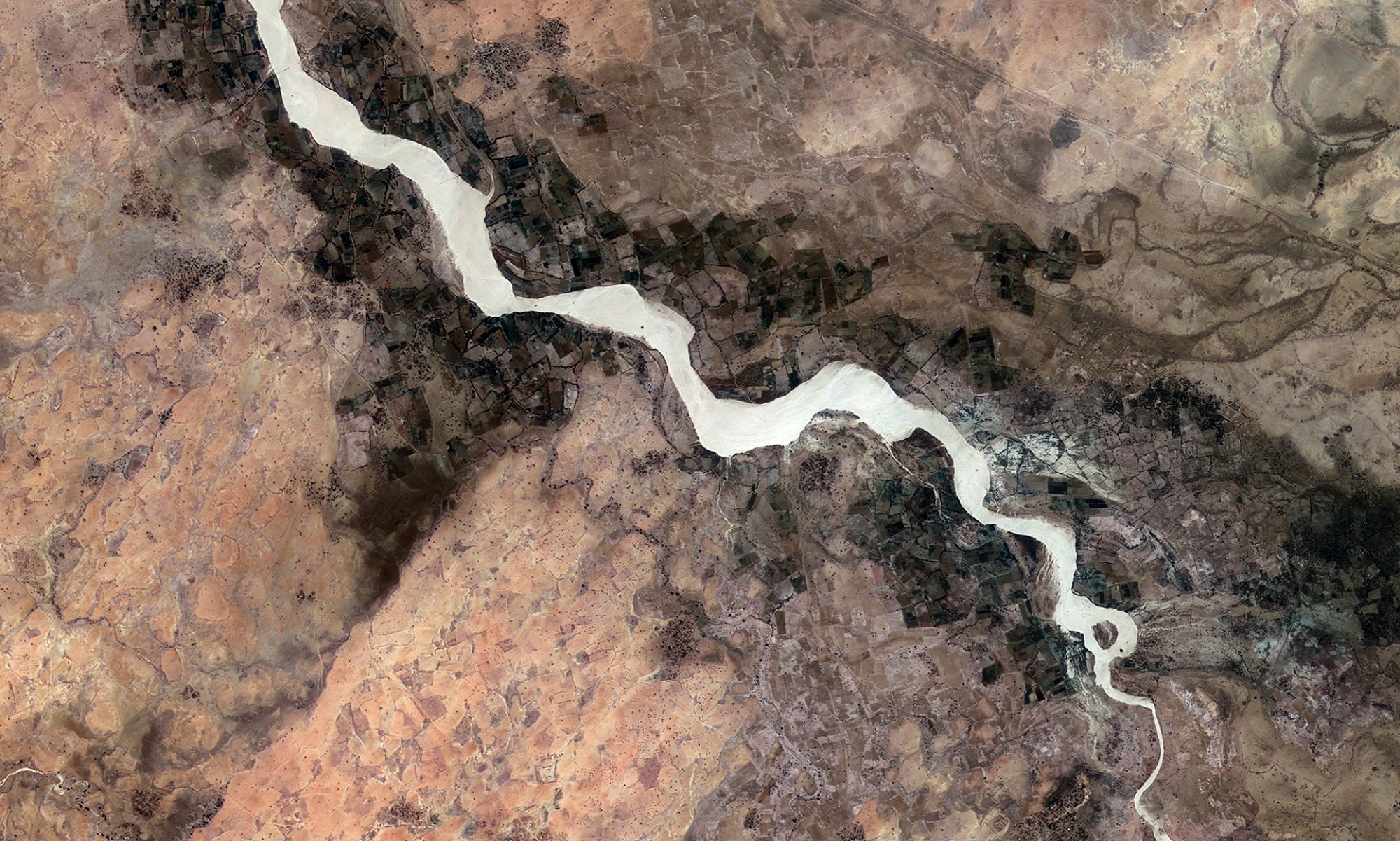

Over the past four decades, Darfur—a region marked by arid to semi-arid conditions—has experienced significant climatic fluctuations that have historically intensified environmental degradation and resource scarcity. Recent studies, however, indicate a contrasting narrative: increased annual precipitation, improved vegetation indices, and a decline in intense drought episodes. This report synthesizes climate and remote sensing data, examines the environmental drivers influencing social dynamics, and explores the potential for ecological recovery to underpin strategies for sustainable peacebuilding.
Darfur, located in western Sudan, spans a continuum of ecological zones—from the edge of the Sahara to more humid southern savannahs. Traditionally characterized by severe water scarcity and land degradation, the region has been at the crux of both environmental pressures and socio-political conflicts. In the wake of recurrent droughts punctuated by bouts of intense rainfall, understanding the changing climate of Darfur is pivotal for shaping adaptive policies and conflict resolution strategies. In recent years, an intriguing environmental shift has been observed: while decades of historical drought set the stage for resource-based tensions, newer trends point to enhanced vegetation cover and improved precipitation patterns, suggesting both opportunities and challenges for sustainable development.
Climatic Trends and Environmental Indicators
Precipitation Patterns and Vegetation Dynamics
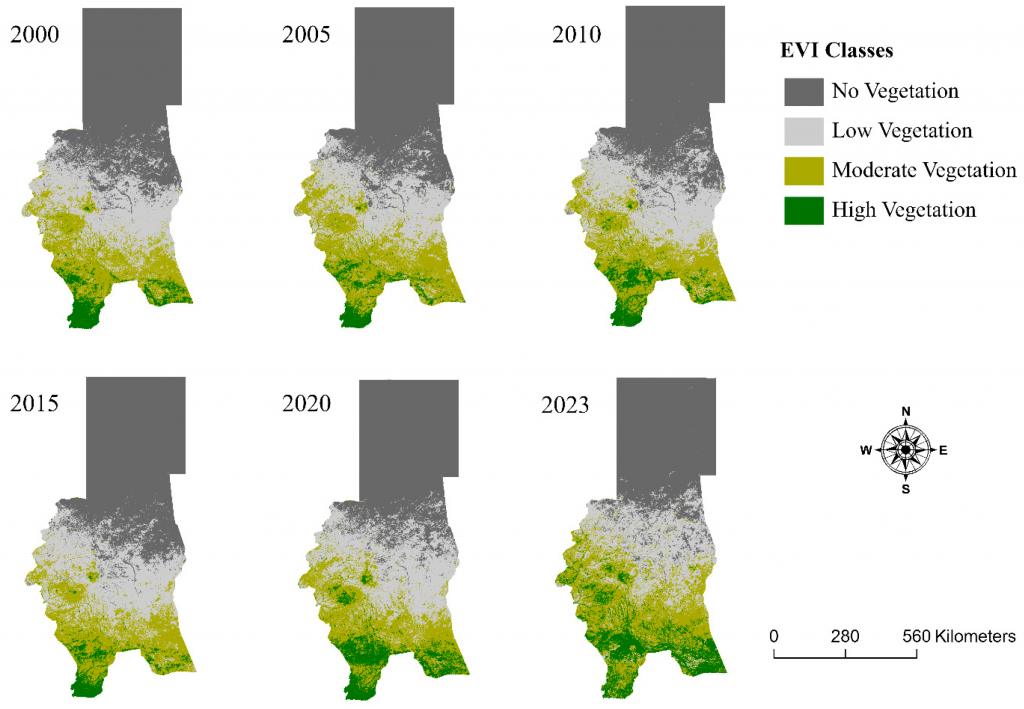
Recent quantitative analyses have utilized datasets from satellite imagery—including the Moderate Resolution Imaging Spectroradiometer (MODIS)—to assess changes in the Enhanced Vegetation Index (EVI) and the Standardized Precipitation Evapotranspiration Index (SPEI) in Darfur. Data spanning from 1980 to 2023 indicates that, after prolonged drought conditions predominantly lasting until the early 2010s, the region has witnessed:
- Increased Annual Precipitation: Advanced statistical models, including Autoregressive Integrated Moving Average (ARIMA), forecast an upward trend in rainfall intensity in future periods.
- Enhanced Vegetation Cover: EVI measurements reveal a marked increase (up to 33% improvement in certain locales) in natural vegetation between 2000 and 2023, evidencing ecological regeneration in previously degraded landscapes.
These indicators highlight the resilience of the ecosystem and suggest that environmental recovery may reduce some stresses associated with water scarcity and land degradation.
Drought Frequency and Intensity
Historical SPEI analyses illustrate how persistent drought episodes from the 1980s to 2012 gave way to a notable decline in drought frequency and severity post-2013. Although sporadic drought events still occur, the overall climatic framework is gradually shifting towards conditions that favor recovery. The improved balance between evaporation and precipitation now creates an environment where ecosystems can regenerate, potentially mitigating some of the long-term adverse impacts historically attributed to climate variability.
Environmental Drivers and Their Socio-Political Impact
Linking Climate Change to Environmental Degradation
The relationship between climate change and environmental degradation in Darfur is complex. On one hand, decades of erratic rainfall and extreme droughts exacerbated the vulnerability of the land, diminishing its capacity to support both natural vegetation and human needs. On the other hand, the recent upturn in precipitation patterns may offer a pathway towards ecological restoration. This duality frames climate change as a double-edged phenomenon: while it has historically catalyzed resource scarcity and conflicts between sedentary farmers and nomadic herders, emerging patterns of recovery could foster conditions for more stable and resilient ecosystems.
Climate Change and Conflict Dynamics
The Darfur crisis, often interpreted solely through a socio-political lens, has deep environmental roots. Scholarly work has argued that climate-induced resource shortages have been a critical factor in igniting long-standing tensions between local communities. Reduced water availability and declining arable land in times of climatic stress intensified competition over resources. Conversely, improved climatic conditions—such as increased vegetation and more reliable precipitation—might alleviate some drivers of conflict. However, these environmental gains can only translate into long-term stability if accompanied by robust governance and equitable resource management strategies. The lessons from Darfur underscore that while natural recovery processes hold promise, they must be integrated into comprehensive peacebuilding and adaptation frameworks.
Adaptive Strategies and Policy Recommendations
Strengthening Monitoring and Research Infrastructure
- Investment in Technology: Continued use of high-resolution satellite data (e.g., MODIS, Google Earth Engine) is essential for monitoring vegetation patterns and rainfall trends.
- Enhanced Forecasting Methods: Upgrading statistical models like ARIMA can provide more granular forecasts, enabling communities and policymakers to prepare for future climate variability.
Integrative Resource Management
- Community-Driven Projects: Empowering local stakeholders by developing decentralized water and land management initiatives can harness positive environmental trends.
- Conflict-Sensitive Adaptation: Implementing practices that address both environmental and socio-political challenges is key. This includes creating early-warning systems and frameworks for sustainable resource allocation to preempt conflict escalation.
Bridging Environmental Recovery with Social Stability
- Inclusive Policy Development: It is essential to ensure that environmental recovery is coupled with social reforms, addressing historical grievances and establishing equitable management of resources.
- External Support and Funding: International cooperation, particularly from nations historically implicated in climate change, can provide the necessary financial and technical assistance to support long-term adaptation and stabilization initiatives.
Future Outlook
The changing climate in Darfur paints a picture of cautious optimism. While the legacy of decades-long drought and degradation remains, the emerging trends of increased rainfall and vegetation growth suggest the possibility of ecological renewal. The challenge lies in translating these positive environmental signals into systemic changes that address the root causes of conflict. Adaptive management strategies that are both environmentally sound and socially inclusive can act as a foundation for future stability in Darfur. Moreover, lessons learned from this region may serve as valuable guides for other areas facing similar climate-induced challenges.
Darfur’s climatic narrative is evolving. Historically defined by environmental hardship and resource scarcity, the region now benefits from improving moisture availability and ecological regeneration. These shifts offer a glimmer of hope for sustainable recovery and conflict de-escalation. However, the environmental gains must be supported by adaptive governance, community engagement, and integrated resource management strategies. By aligning climatic research with proactive social policies, Darfur could set a precedent for how regions torn by environmental stress and conflict might chart a course towards resilience and peace.