

Darfur, a region in western Sudan, has faced significant environmental challenges, including air quality issues, exacerbated by conflict, displacement, and socioeconomic factors. This report examines the primary sources of air pollution in Darfur, their environmental and health impacts, and potential mitigation strategies.

Sources of Air Pollution
Indoor Air Pollution:
- Biomass Burning: A significant portion of Darfur’s population relies on burning wood, charcoal, and agricultural residues for cooking and heating. This practice releases substantial amounts of particulate matter (PM), carbon monoxide (CO), nitrogen oxides (NOx), and other harmful pollutants into the indoor environment. Women and children, who spend more time indoors, are disproportionately affected.
Outdoor Air Pollution:
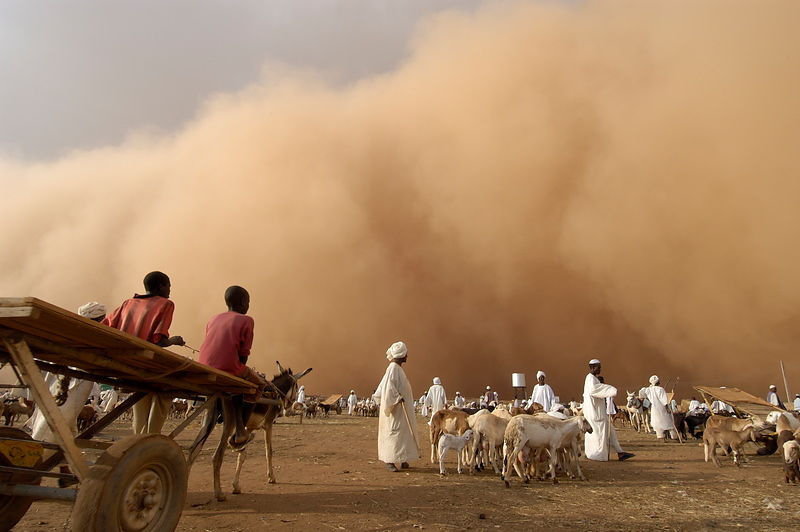
- Dust Storms: Darfur’s arid climate and desert landscape make it prone to frequent and intense dust storms. These storms carry large quantities of mineral dust, composed of particulate matter, which can travel long distances and affect regional air quality.
- Vehicle Emissions: The increasing number of vehicles in urban areas contributes to air pollution through the emission of pollutants like carbon monoxide, nitrogen oxides, hydrocarbons, and particulate matter.
- Industrial Activities: Although industrial activity is relatively limited in Darfur, some industrial processes, such as brick-making and mining, release pollutants into the atmosphere.
- Open Burning: The burning of solid waste and agricultural residues in open areas is a common practice that releases pollutants like particulate matter, carbon monoxide, and dioxins.
- Conflict and Displacement: The prolonged conflict in Darfur has led to the destruction of infrastructure, the displacement of large populations, and increased reliance on unsustainable practices. These factors have indirectly contributed to air pollution through deforestation, increased dust storm intensity, and poor waste management.
Environmental and Health Impacts
Environmental Impacts:
- Climate Change: Air pollutants like carbon dioxide, methane, and nitrous oxide contribute to global warming and climate change, which can have long-term environmental consequences for Darfur, such as increased desertification, drought, and extreme weather events.
- Ecosystem Degradation: Air pollution can harm vegetation, reduce crop yields, and disrupt ecosystems. Dust storms, in particular, can damage agricultural land and vegetation.
- Reduced Visibility: Dust storms and smoke from biomass burning can reduce visibility, affecting transportation and other human activities.
Health Impacts:
- Respiratory Diseases: Exposure to air pollutants can cause or exacerbate respiratory diseases such as asthma, bronchitis, and pneumonia. Indoor air pollution from biomass burning is a major cause of respiratory infections, particularly among women and children.
- Cardiovascular Diseases: Air pollution has been linked to an increased risk of heart attacks, strokes, and other cardiovascular problems.
- Eye Infections: Dust storms and smoke can cause eye irritation and infections.
- Other Health Problems: Air pollution has also been associated with other health problems, including skin diseases and cancer.
Mitigation Strategies
Reduce Indoor Air Pollution:
- Promote the use of clean and efficient cooking technologies, such as LPG stoves, solar cookers, and improved biomass stoves.
- Raise awareness about the health risks of indoor air pollution and promote behavior change.
- Improve ventilation in homes and other indoor spaces.
Reduce Outdoor Air Pollution:
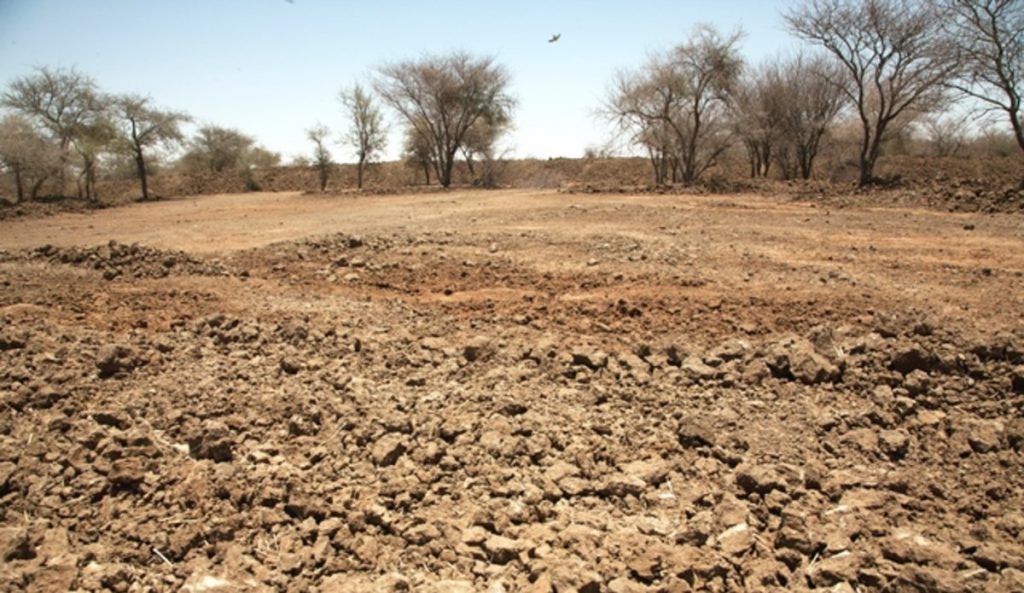
- Implement measures to control dust storms, such as afforestation, land management, and sustainable agricultural practices.
- Promote the use of public transportation, improve vehicle emission standards, and encourage the adoption of electric vehicles.
- Enforce regulations to limit emissions from industrial activities and open burning.
- Improve waste management practices to reduce open burning and promote recycling and composting.
Address Root Causes:
- Promote peace and stability to reduce displacement and conflict-related environmental damage.
- Support sustainable development and poverty reduction to decrease reliance on unsustainable practices.
- Strengthen environmental governance and enforcement of environmental regulations.
Air pollution poses a significant threat to environmental and human health in Darfur. The combination of indoor air pollution from biomass burning and outdoor air pollution from dust storms, vehicle emissions, and other sources creates a complex challenge. Addressing this issue requires a multi-faceted approach that includes promoting clean energy, controlling dust storms, improving waste management, and addressing the root causes of conflict and poverty.
Recommendations
- Prioritize interventions to reduce indoor air pollution, particularly among vulnerable populations.
- Implement sustainable land management practices to mitigate dust storms and desertification.
- Strengthen environmental monitoring and enforcement capacity.
- Integrate air quality considerations into development planning and humanitarian response efforts.
- Promote research and innovation to develop and implement effective air pollution control measures.