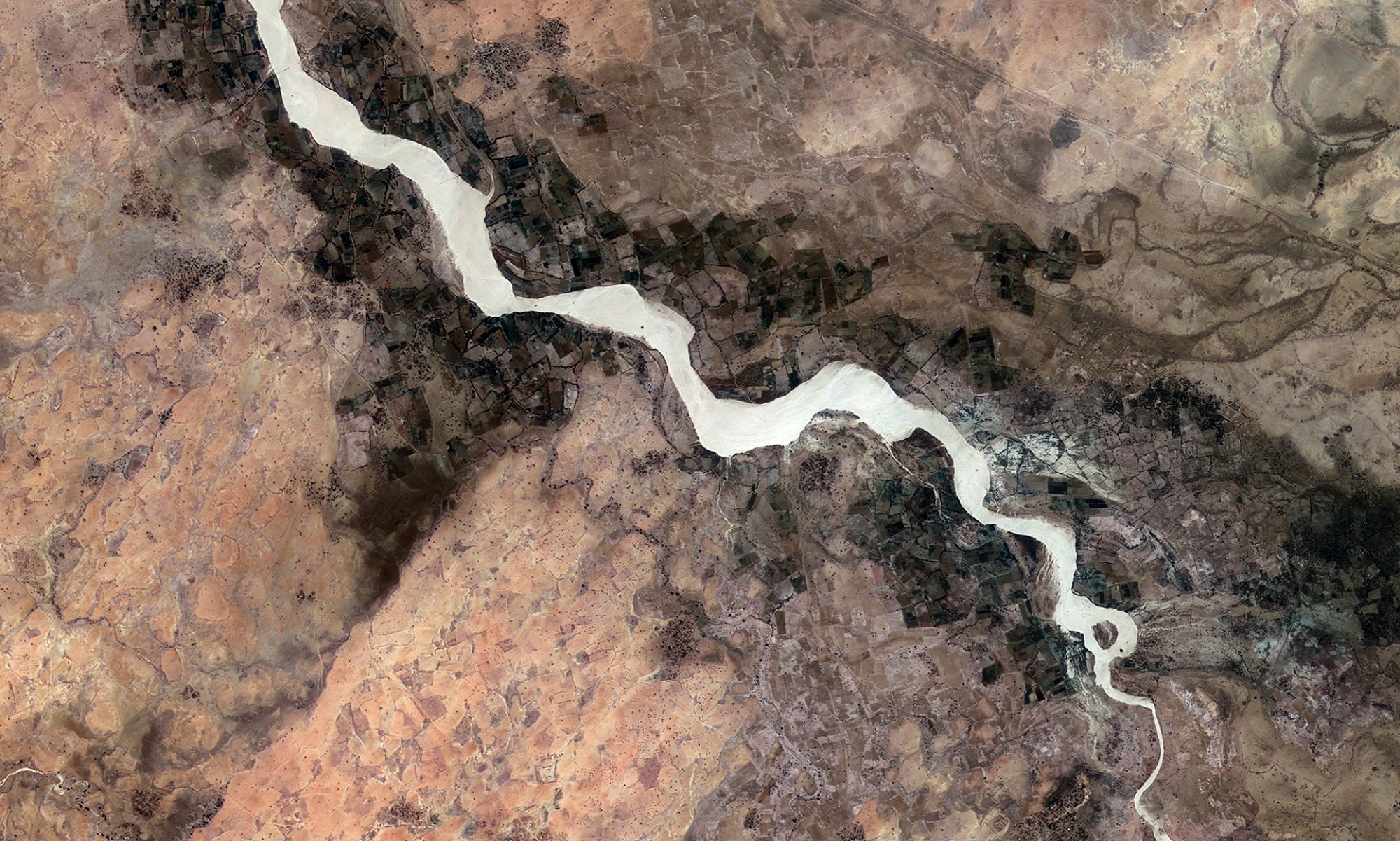

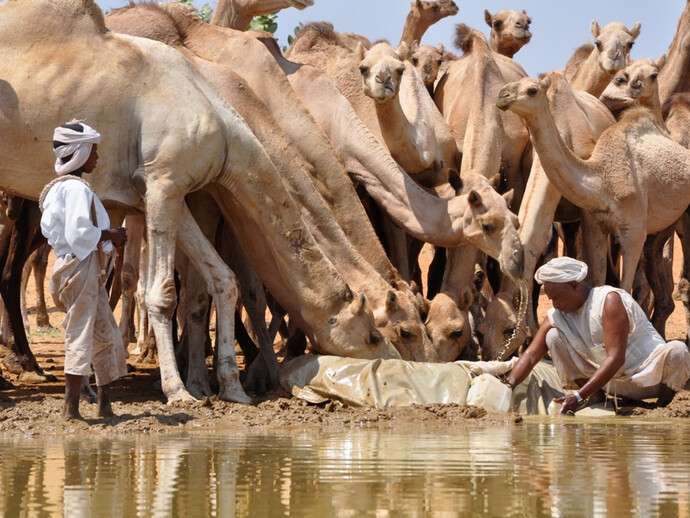
Animal production—primarily centered on pastoralism and agro-pastoral practices—has long been a cornerstone of Darfur’s socio-economic fabric and cultural identity. Livestock such as cattle, goats, sheep, and camels are integral not only for subsistence but also as trade commodities and as a buffer against the region’s seasonal variability. However, the delicate balance between production activities and environmental resources has been increasingly challenged by climatic variability, resource degradation, and decades of conflict. This report explores these issues from an environmental perspective, considering both historical practices and emerging challenges.
Environmental and Climatic Context
Darfur’s environment is characterized by marked seasonality. The region experiences a short but intense rainy season during which ephemeral rivers (wadis) and seasonal water sources recharge the landscape. These watercourses are fundamental for pasture regeneration and for meeting the water needs of livestock. However, the arid to semi-arid conditions mean that long periods of drought and sporadic rainfall govern not only the availability of forage but also the sustainability of the pastoral system. Environmental variability creates a precarious balance where overgrazing during good years can lead to soil degradation, while under-utilization might stifle the natural regeneration of rangelands.
The natural cycles of flood and drought have traditionally shaped migratory routes and grazing patterns. Local communities have adapted their animal husbandry practices to synchronize with these cycles, but recent trends—exacerbated by climate change—have intensified the stresses on a system that is already vulnerable.
Impact of Conflict on Animal Production and Environment
Decades of conflict in Darfur have not only displaced populations and disrupted livelihoods but have also had profound environmental repercussions. The breakdown of veterinary services and the disruption of traditional migratory routes have compounded the vulnerability of the pastoral system. Studies reveal that the conflict altered livestock ownership patterns dramatically; for instance, the percentage of livestock controlled by nomadic groups increased significantly as displaced populations and internally displaced persons (IDPs) lost access to their traditional grazing lands and animal health services.
The direct consequences of conflict include:
- Loss of infrastructure and services: Veterinary services, once widespread, were reduced drastically. This decline undermined disease control and preventive care, allowing endemic conditions to worsen.
- Disrupted migratory routes: Traders and pastoralists were compelled to adopt longer, more circuitous, and often environmentally taxing routes to safeguard their herds. These adaptations increased the pressure on alternative grazing lands and sometimes forced overutilization of marginal areas.
- Environmental degradation: The intensified pressure on remaining viable rangelands led to localized overgrazing, contributing further to soil erosion, land degradation, and reduced water retention capacity in the landscape.
Water Resources and Pastoralism
Water is the linchpin of animal production in Darfur. Seasonal rivers and wadis, while reliable during wet months, embody the region’s extreme hydrological variability. During the rainy season, floodplains become a vital resource for pasture regeneration, yet the abrupt cessation of water flow in the dry months leaves livestock and land increasingly vulnerable.
Natural water management practices, such as transhumance (seasonal movement of people with their livestock), have historically been used to optimize the utilization of water resources and rangelands. However, conflict-induced insecurity forces prevention of free movement, thereby fragmenting traditional water access and putting additional pressure on remaining water bodies. This scenario is a clear example of how environmental and socio-political stressors interact, leading to unsustainable production cycles.
Environmental Degradation and Sustainability Concerns
Over the years, several factors have combined to strain the environmental capacity of Darfur’s pastoral systems:
- Overgrazing: The concentration of livestock in confined areas—often due to restricted movement—accelerates the depletion of native vegetation and increases soil erosion.
- Water scarcity: With unpredictable rains and the reduced resilience of degraded soils, water scarcity becomes a profound issue. Seasonal water bodies no longer recharge adequately, compromising both animal hydration and pasture growth.
- Loss of Biodiversity: The limited recovery of native flora in over-exploited rangelands reduces biodiversity, which in turn undermines ecosystem resilience to climatic shocks.
Sustainable management practices are needed to mitigate these impacts. Integrated approaches that combine improved rangeland management, the restoration of indigenous vegetation, and improved water harvesting techniques could enhance the resilience of the pastoral system. Land tenure reforms and conflict resolution strategies also play a pivotal role in ensuring that environmental management is not undermined by social instability.
Policy Implications and Adaptation Strategies
For policymakers and stakeholders committed to promoting sustainable animal production in Darfur, several key strategies emerge from the environmental perspective:
- Enhancing Veterinary Services: Restoring and scaling up veterinary infrastructure will improve animal health and reduce disease outbreaks exacerbated by stress and overcrowding.
- Investing in Water Infrastructure: Developing water harvesting systems and infrastructure can help stabilize water availability, even during drought.
- Promoting Rangeland Rehabilitation: Community-driven reforestation and sustainable grazing practices can help restore soil health and ecological balance.
- Security and Mobility: Facilitating secure migratory pathways and ensuring community security can allow pastoralists to follow traditional routes naturally synchronized with the environment.
- Research and Monitoring: Ongoing environmental monitoring, integrated with traditional knowledge, can help track changes and adapt management practices in real time.
These strategies, coupled with efforts to foster regional cooperation, have the potential to reduce environmental degradation while boosting the resilience of the livestock sector.
Animal production in Darfur stands at the nexus of environmental challenges and socio-political imperatives. The region’s fragile ecological balance is under pressure from climate variability, overexploitation of resources, and conflict-induced disruptions. However, by understanding and addressing the environmental dimensions—enhancing water management, improving animal health services, and promoting sustainable grazing practices—there is an opportunity for pastoral communities and policymakers to forge a more resilient future. Contemporary challenges require integrated responses that value both environmental sustainability and socio-economic stability.