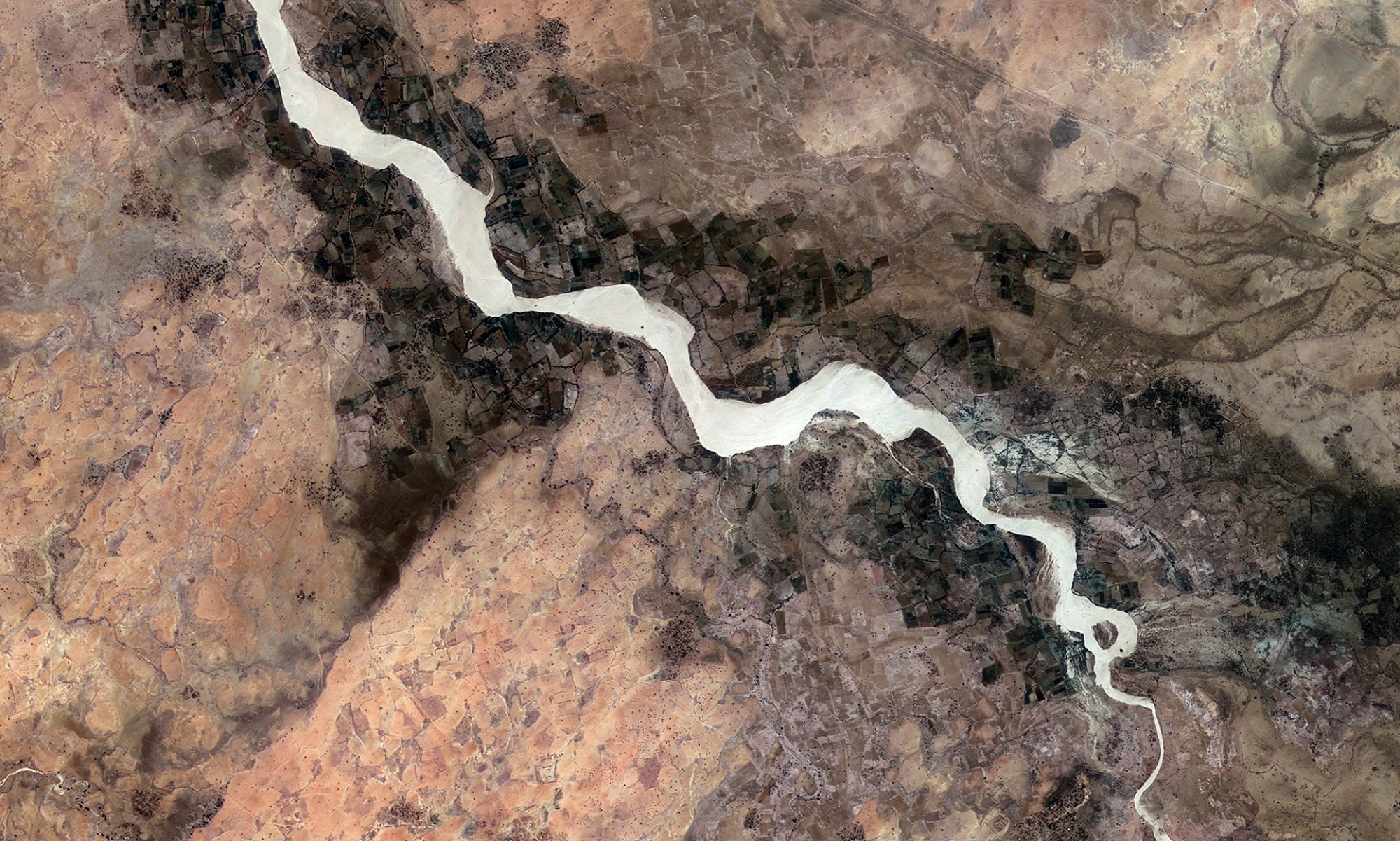

Darfur—primarily recognized for its arid and semi‑arid conditions—possesses a heterogeneous array of land resources that underpin local livelihoods and ecosystems. The region’s soils vary considerably, with relatively fertile patches found near highland areas and riparian zones contrasting against widespread degraded lands impacted by deforestation, overgrazing, and unsustainable agricultural practices. Simultaneously, historical customary land tenure systems and recent governmental interventions have shaped the institutional landscape governing land resources. Environmental degradation, climate variability, and conflict-induced pressures have undermined the natural regenerative capacity of the land, escalating resource scarcity and catalyzing local tensions. Addressing these challenges through integrated natural resources management, adaptive institutional frameworks, and community-based initiatives is key to promoting sustainable land use and regional stability.
The land in Darfur is more than merely a physical asset—it is a critical foundation for social, economic, and environmental well-being. Local communities have traditionally depended on its limited but valuable agricultural potential, pastoral grazing lands, and natural vegetation patches to sustain their livelihoods. However, decades of climatic stress, uneven resource distribution, and conflict dynamics have reshaped the region’s land resource base. This report provides an interdisciplinary analysis of Darfur’s land resources, examining both the biophysical properties (such as soil composition and distribution) and the socio-political mechanisms (including customary land rights and government policies) that together determine how these resources are utilized and managed.
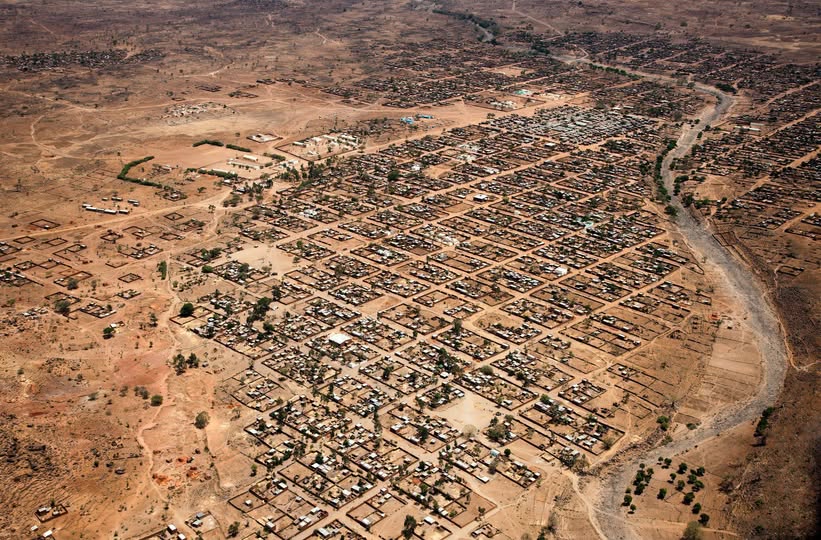
Characteristics of Land Resources in Darfur
Soil Diversity and Distribution
Darfur’s landscape exhibits significant variability in soil types. In some areas—especially the vicinities of the Jebel Marra highlands and riparian corridors—the soils are relatively more fertile and support pockets of agricultural activity. These soils, which often include volcanic derivatives or alluvial deposits, are better suited for crop production and vegetation growth. In contrast, large expanses of the region are affected by sandy, nutrient-poor soils that are particularly vulnerable to erosion and desertification. Soil degradation here is accelerated by natural climatic extremes and unsustainable land-use practices, such as overexploitation for agriculture and pastoralism.
Land Use Patterns and Degradation
Historically, Darfur’s inhabitants have employed adaptive strategies—such as crop rotation, intercropping, and managed grazing—to make the most of their limited arable land. However, intensified agricultural practices combined with overgrazing and deforestation have resulted in soil erosion, decreased fertility, and, eventually, desertification. This degradation is compounded by extreme variability in rainfall, which both impairs the natural recovery of soils during prolonged droughts and triggers rapid erosion during sudden, intense rain events.
Environmental Pressures and Land-Resource Challenges
Climate Variability and Its Impacts
Darfur is situated on the margins of the Sahara, where rainfall is not only scarce but also highly erratic. Extended periods of drought and unpredictable rain events destabilize the soil structure, reducing the land’s capacity to support agricultural productivity. Fluctuating moisture levels leave soils vulnerable to salinization and nutrient depletion, compounding degradation issues over time.
Human-Induced Pressures
Human activities such as unsustainable agricultural expansion, overgrazing, and deforestation have significantly increased the rate at which productive land is lost. Displacement caused by conflict has also forced new settlements into marginal lands, where natural regenerative capacities are already diminished. These pressures contribute to a cycle of declining soil productivity and escalating resource scarcity, which in turn can exacerbate social tensions within and among communities.
Land Rights and Institutional Challenges
Adaptation to these environmental pressures has historically been managed through a combination of customary practices and flexible land tenure systems. Traditional institutions allowed for negotiated access and shared use of scarce resources—mechanisms that were integral to maintaining social harmony and ecological balance. However, recent shifts in land management policies and government interventions have often undermined these indigenous systems. As documented in studies on Darfur’s evolving institutional landscape, formal policies aimed at centralizing or re-allocating land have sometimes conflicted with traditional practices, leading to disputes, erosion of community trust, and even contributing to the escalation of conflict.
Socio-Environmental Interactions
The Nexus Between Land Degradation and Conflict
The degradation of land resources in Darfur is intertwined with socio-political instability. As fertile land diminishes due to environmental strain and unsustainable practices, communities increasingly compete for what remains. This competition can take on ethnic, tribal, or regional dimensions, intensifying conflicts that not only further degrade the environment but also hinder recovery and sustainable land management efforts. A feedback loop is created in which conflict reinforces degradation, and degraded lands spur further resource competition.
The Role of Customary Land Management
In contrast to top-down governmental policies, customary land management practices in Darfur have historically provided a flexible framework for resource allocation. These practices have adapted over generations to accommodate environmental changes and resource variability. However, the erosion of these systems—due in part to external policy pressures—has reduced the capacity for local adaptation and improved resilience against environmental shocks.
Policy Recommendations and Sustainable Management Approaches
Integrated Natural Resources Management (INRM)
To secure the sustainability of Darfur’s land resources, an integrated management strategy is essential. This should include:
- Tailored Soil Conservation Measures: Develop site-specific practices such as terracing, reforestation, and cover cropping to rehabilitate degraded soils and prevent erosion.
- Improved Water Management: Enhance rainwater harvesting and small-scale irrigation projects to stabilize soil moisture and improve fertility.
- Community-Driven Land Use Planning: Involve local stakeholders in the planning and decision-making processes to ensure that traditional knowledge is integrated with modern management practices.
Revitalizing Customary Institutions
Restoring and reinforcing customary land management systems can help rebuild community trust and promote more adaptive resource use. Policies should aim for a dual approach that respects traditional systems while integrating scientific methods and modern regulatory frameworks.
Conflict-Sensitive Policy Interventions
Addressing the root causes of conflict through equitable resource distribution is critical. This involves:
- Transparent Land Rights Registries: Instituting clear, community-informed land tenure policies that recognize customary rights.
- Inclusive Government Policies: Designing land policies that are sensitive to local needs and conflict dynamics, reducing the risk of exacerbating tensions over scarce resources.
Darfur’s land resources are a vital yet vulnerable component of the region’s environmental and socio-economic fabric. The interplay of natural variability, human-induced pressures, and shifting institutional frameworks has led to significant challenges in sustaining soil productivity and preventing environmental degradation. Recovering these lands and restoring their capacity to support livelihoods require a harmonized approach that blends modern technologies with traditional management practices, ensures equitable land distribution, and adopts conflict-sensitive strategies. A future that secures Darfur’s land resources will depend on robust local participation, adaptive management strategies, and policies that are both scientifically sound and culturally relevant.