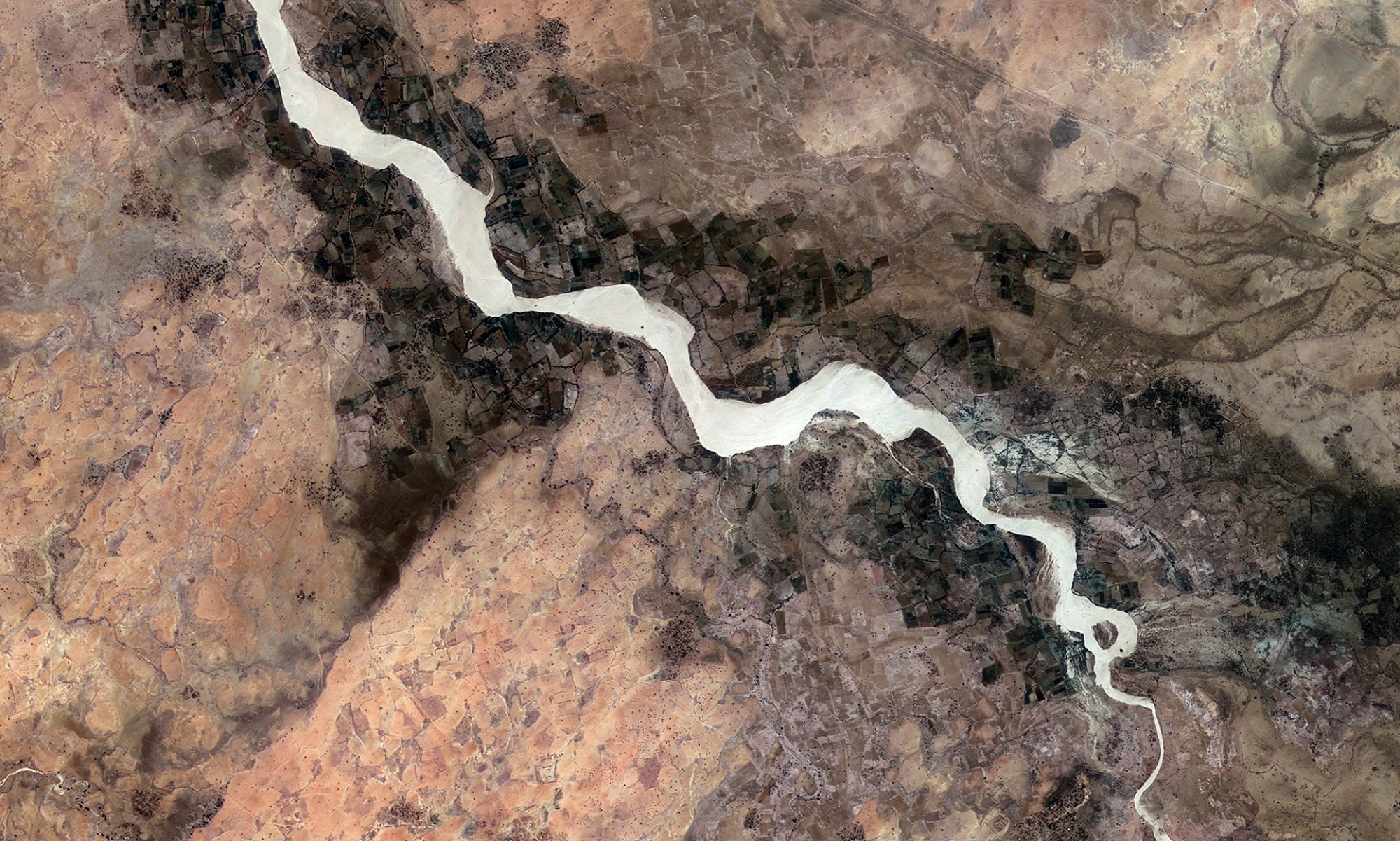

Darfur, located in western Sudan, is predominantly known for its arid and semi‑arid environment. Yet beneath its vast expanses of desert lie a mosaic of ecosystems and habitats—from sparse desert scrub and seasonal wetlands to the more biodiverse highland regions around Jebel Marra. These ecosystems are shaped by natural gradients in soil and moisture, orographic rainfall patterns, and seasonal fluctuations, but they are also increasingly pressured by human activities, overgrazing, unsustainable agriculture, and the devastating impacts of prolonged conflict. This report reviews the key ecosystems and habitats in Darfur, examines the environmental drivers and challenges that alter these habitats, and offers recommendations for integrated management and conservation strategies that recognize both local knowledge and modern scientific practices.
Darfur’s environmental landscape is complex and dynamic. Traditionally defined by its arid climate and desert terrain, the region is also home to pockets of ecological richness—especially around elevated areas like the volcanic Jebel Marra, where increased rainfall and unique soil conditions support more diverse plant and animal communities. Along with natural climatic extremes such as erratic rainfall and prolonged droughts, human pressures including overgrazing, land clearance, and conflict-induced displacement have accelerated habitat fragmentation and degradation. Understanding Darfur’s ecosystems from an environmental perspective is thus essential for both biodiversity conservation and the restoration of sustainable livelihoods for its inhabitants.
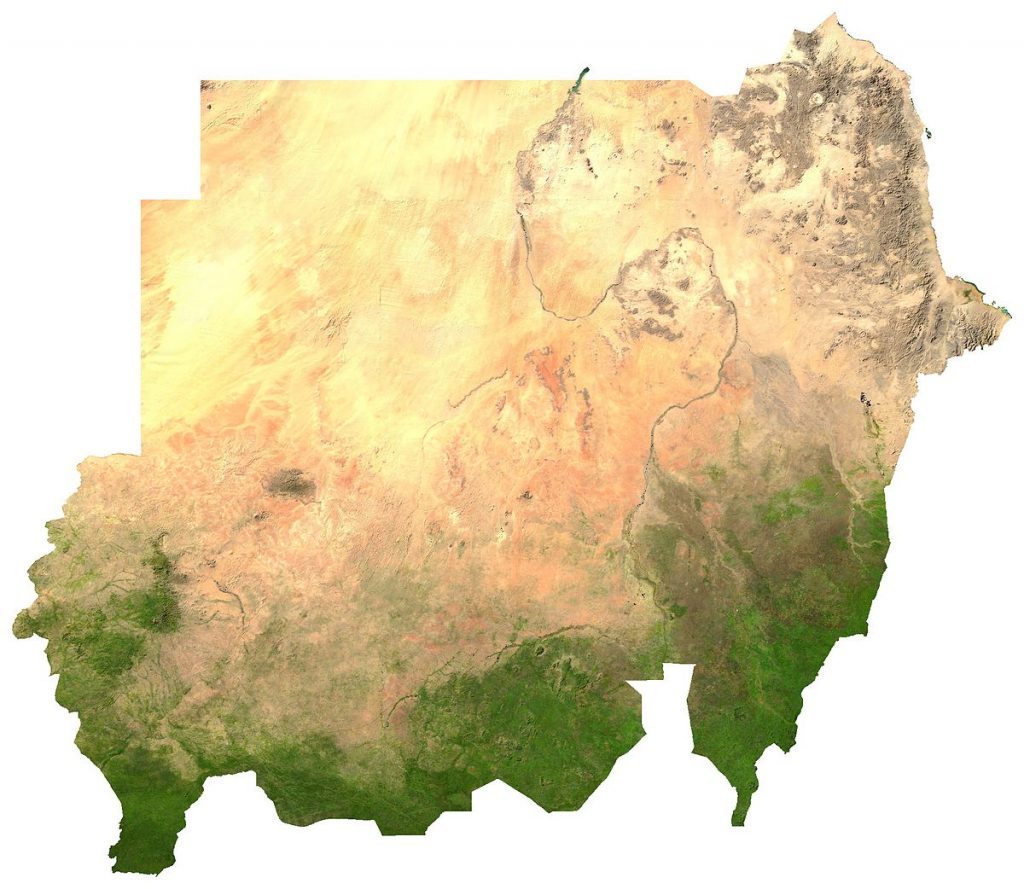
Geographical and Environmental Context
Darfur lies at the intersection of the vast Sahara Desert and the more temperate African savannas. Its landscape is marked by:
- Arid and Semi‑Arid Zones: These dominate much of the region and are characterized by sparse vegetation, extreme temperature fluctuations, and sporadic, short-duration rainfall.
- Highland Areas: The Jebel Marra massif forms an ecological anomaly within Darfur. Here, orographic effects induce higher precipitation, creating microclimates that support denser vegetation and a richer diversity of species.
- Seasonal Watercourses and Riparian Zones: Even in an area with limited rainfall, episodic streams (wadis) and ephemeral wetlands develop during the rainy season, providing critical habitats and serving as corridors for wildlife movement.
The interplay of elevation, soil type, and rainfall variability produces a complex mosaic of habitats that have adapted to the region’s extreme conditions.
Ecosystem Types and Habitat Characteristics
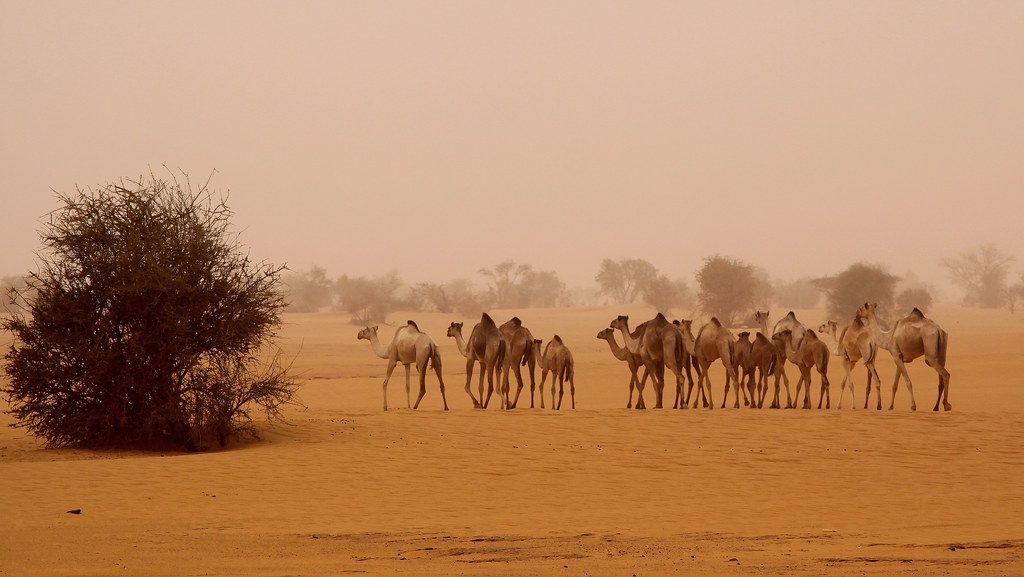
Desert and Semi‑Arid Ecosystems
- Landscape and Vegetation: The majority of Darfur is a desert or semi‑arid landscape. Vegetation here is highly adapted to water scarcity, featuring drought-resistant shrubs, succulents, and sparse grasses. Plant species have evolved physiological and morphological adaptations—such as deep root systems and reduced leaf surfaces—to minimize water loss.
- Environmental Challenges: Soil erosion, nutrient depletion, and high evapotranspiration rates are common, resulting in low overall biomass. These ecosystems are particularly vulnerable to disturbances such as overgrazing, which can further reduce plant cover and accelerate desertification.
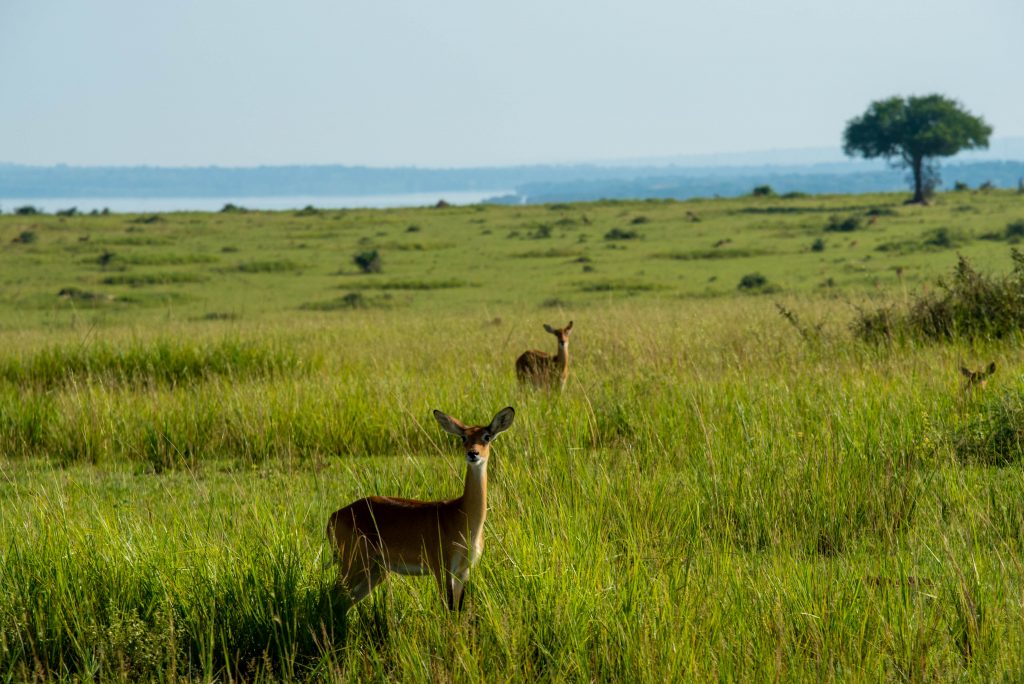
Savanna and Grassland Habitats
- Characteristics: Along the fringes of the desert, savanna ecosystems offer a transition zone where grasses, scattered trees, and shrubs intermingle. These habitats often serve as grazing lands for pastoral communities and are crucial for maintaining local biodiversity.
- Ecological Functions: Savannas support a range of fauna from small mammals to large herbivores and predators. They are also important for carbon storage and soil stabilization, although they are highly sensitive to changes in fire regimes and grazing intensity.
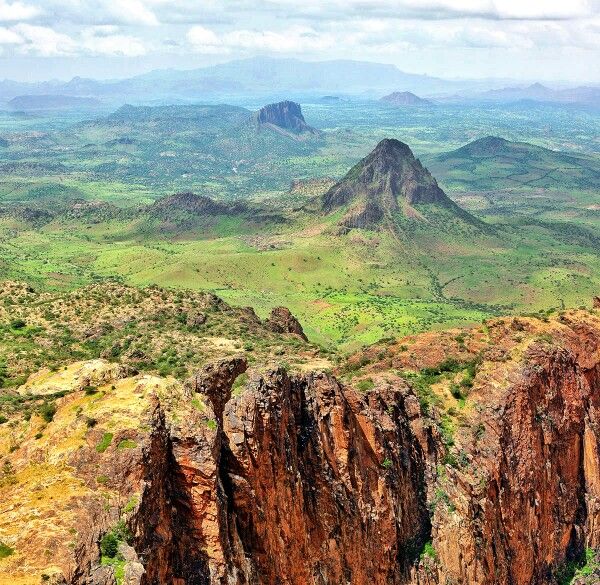
Highland Ecosystems of Jebel Marra
- Unique Microclimates: The Jebel Marra mountains provide a stark contrast to the surrounding lowlands. Here, orographic rainfall increases moisture availability, leading to the development of relatively lush vegetation patches, forests, and shrublands.
- Biodiversity Hotspots: These highland regions harbor species rarely found elsewhere in Darfur. The presence of endemic plant species, diverse invertebrate communities, and migratory birds underscore their conservation value. The highlands also function as water catchments, replenishing local aquifers and sustaining downstream habitats.
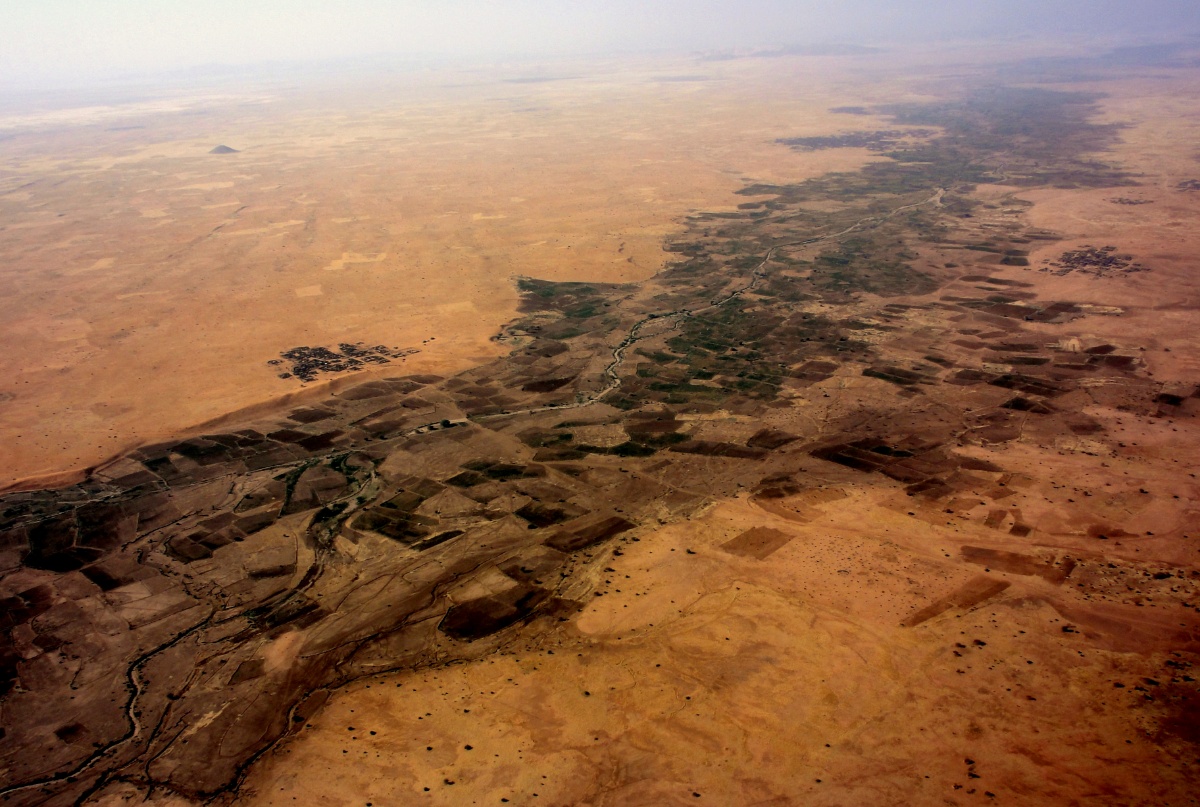
Riparian and Ephemeral Wetland Habitats
- Seasonal Dynamics: During the rainy season, ephemeral streams and wetlands emerge, creating temporary but critical habitats. These water-rich habitats support aquatic plants, fish, amphibians, and a variety of invertebrates. They act as breeding grounds for many species and support human agriculture and pastoralism.
- Connectivity and Ecological Importance: Riparian zones help mitigate soil erosion and facilitate nutrient cycling. They connect fragmented ecosystems and provide vital corridors that enhance regional biodiversity even during dry periods.
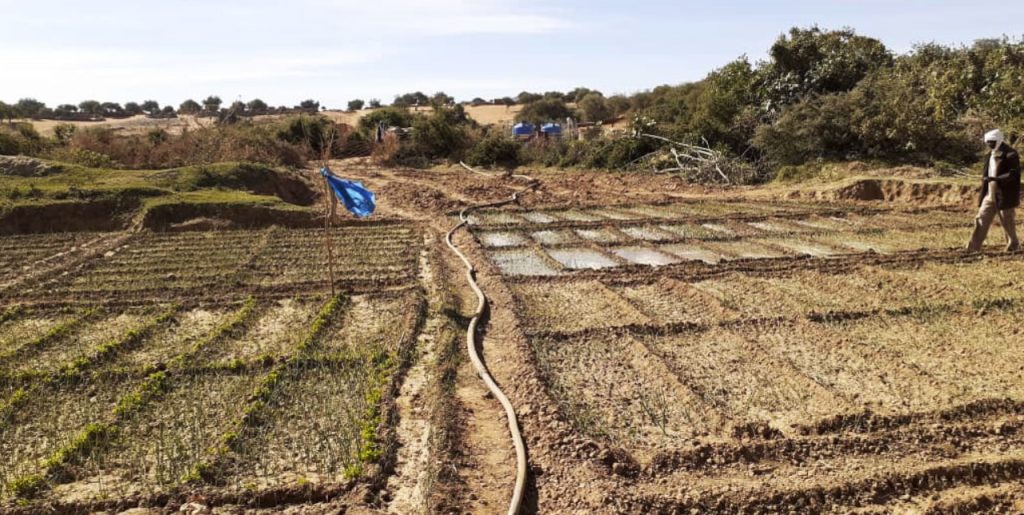
Human-Modified Landscapes and Agricultural Areas
- Agricultural Expansion: Traditional agriculture in Darfur includes circling, intercropping, and shifting cultivation. Such practices, while adaptive to local conditions, sometimes lead to unintended habitat alterations. Clearing vegetation for cultivation can fragment habitats and reduce biodiversity.
- Impacts of Displacement: Conflict-induced displacement has led to the creation of informal settlements and refugee camps. These areas, often established without planning, exert additional pressure on nearby natural habitats through resource extraction, waste disposal, and overuse of land and water.
Environmental Drivers Affecting Ecosystems and Habitats
Climatic Variability
Darfur’s climate is marked by high interannual variability. Extended droughts, punctuated by sporadic heavy rains, shape ecosystem dynamics:
- Drought Stress: Prolonged dry periods reduce vegetation cover, leading to increased soil erosion and reduced habitat quality.
- Flash Floods: Sudden, intense rainfall episodes can wash away topsoil and damage fragile vegetation structures, particularly in riparian zones.
Soil and Water Dynamics
- Soil Characteristics: Variation in soil fertility—from nutrient-poor sandy substrates to more fertile alluvial deposits—plays a critical role in determining plant community composition.
- Water Availability: The distribution of water—whether temporarily in seasonal rivers or more permanently in groundwater reserves—greatly influences habitat patterns. The lack of consistent water input limits the extent and resilience of productive ecosystems.
Human Activities and Land Use Pressure
- Overgrazing: Excessive grazing disrupts vegetation patterns and leads to soil compaction and degradation, further limiting the regeneration of natural habitats.
- Agricultural Encroachment: Expansion of agriculture into marginal lands reduces contiguous natural habitats and fragments ecosystems, potentially diminishing biodiversity.
Conflict and Its Environmental Consequences
Continuous conflict in the region has not only led to displacement and changes in land use but also disrupted traditional ecological management systems. The breakdown of customary practices can accelerate environmental degradation:
- Resource Competition: Competing claims over dwindling water and fertile land intensify the exploitation of natural areas, reducing habitat integrity.
- Displacement Impacts: Rapid settlement of internally displaced persons (IDPs) in fragile environments often leads to unplanned development and overexploitation of nearby ecosystems.
Conservation Strategies and Sustainable Management Approaches
Integrated Natural Resource Management
- Holistic Planning: An integrated approach that combines water management, soil conservation, and vegetation restoration can help rehabilitate degraded lands and protect critical habitats. This includes both traditional practices and modern scientific methods.
- Ecosystem-Based Adaptation: Adaptation strategies should focus on restoring natural services such as groundwater recharge and soil stabilization by leveraging restored ecosystems and reforestation projects.
Community-Based Conservation
- Engaging Local Stakeholders: Empowering communities to participate in ecosystem monitoring and restorative practices is key. Integrating local ecological knowledge with modern conservation techniques ensures that interventions are culturally appropriate and sustainable.
- Participatory Land Use Planning: Collaborative decision-making involving local communities, government agencies, and NGOs can lead to more effective land management. This approach helps mediate resource conflicts and reduces the pressures on vulnerable habitats.
Policy and Institutional Support
- Strengthening Environmental Governance: Improving institutional capacity to enforce land use policies and environmental regulations is essential. Policies must be adapted to local conditions, ensuring that traditional practices are respected alongside modern conservation efforts.
- Leveraging International Partnerships: Global funding and technical assistance can enhance regional conservation programs. Partnerships with international organizations facilitate the sharing of best practices and the adoption of innovative monitoring technologies such as satellite imagery and GIS mapping tools.
Policy Recommendations
To enhance the protection and resilience of ecosystems and habitats in Darfur, the following policy actions are recommended:
- Enhance Monitoring and Data Collection:
- Establish a network of long-term ecological monitoring stations to track changes in vegetation, soil quality, and water availability.
- Utilize remote sensing and GIS tools to map habitat fragmentation and inform adaptive management strategies.
- Integrate Traditional Knowledge with Modern Science:
- Involve local communities in research and decision-making processes to ensure that conservation strategies are culturally and ecologically appropriate.
- Document indigenous practices that have historically sustained ecosystems and incorporate these insights into land use and conservation policies.
- Strengthen Environmental Regulations and Enforcement:
- Develop and enforce clear land use and resource management policies that prioritize the conservation of critical habitats.
- Increase funding and technical support for local institutions responsible for environmental monitoring and regulation.
- Promote Sustainable Land Use Practices:
- Encourage agroforestry, rotational grazing, and sustainable agricultural practices that minimize habitat fragmentation.
- Provide incentives for reforestation and habitat restoration projects, particularly in degraded and high-potential areas like Jebel Marra.
- Integrate Conservation with Conflict Resolution:
- Design policies that address resource-based conflicts by ensuring equitable access to water, land, and other vital resources.
- Support dialogue and community-based resource management initiatives as part of broader peacebuilding efforts.
Darfur’s ecosystems and habitats, ranging from arid deserts to biodiverse highlands and seasonal wetlands, are both a testament to nature’s resilience and a critical resource for local livelihoods. However, the combined impacts of variable climate, soil and water limitations, unsustainable land use, and the pervasive effects of conflict continue to threaten these natural systems. Effective conservation and sustainable management require an integrated approach that weaves together scientific research, effective policy frameworks, community involvement, and conflict-sensitive land management. By aligning conservation strategies with local needs and traditional practices, Darfur can work toward restoring ecosystem integrity and ensuring a resilient natural environment for future generations.