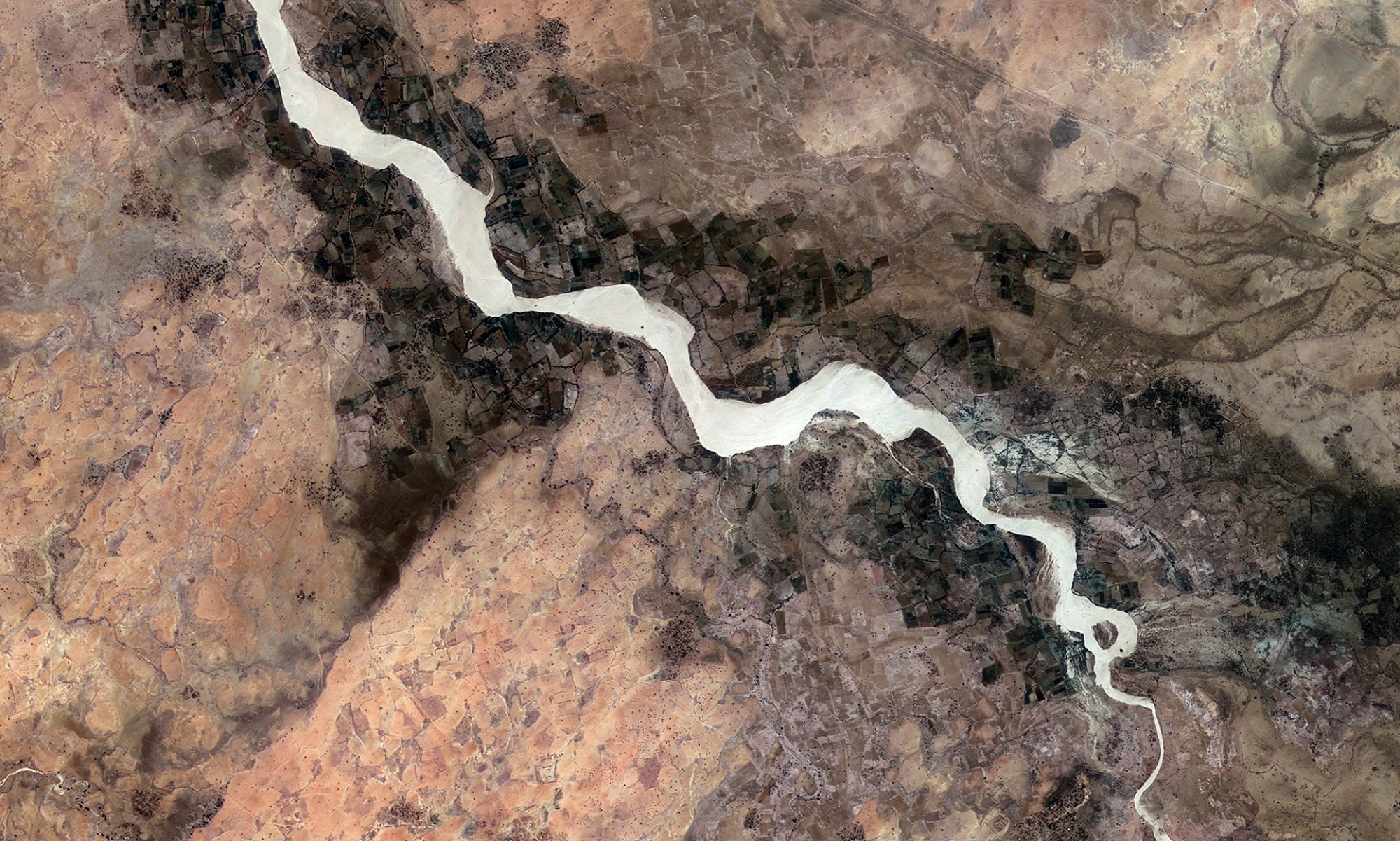

Darfur is widely recognized for its harsh arid and semi‑arid environments, but even within these challenging conditions, a surprising array of wildlife exists. From desert-adapted mammals and reptiles to migratory and endemic bird species concentrated in microhabitats around the Jebel Marra highlands, Darfur’s fauna fulfills critical roles in maintaining ecosystem functions. Yet, environmental variability, land degradation, overgrazing, and the intensified pressures of conflict and displacement have compromised habitat integrity and led to a decline in many species. Addressing these challenges demands integrated conservation strategies that combine scientific monitoring, community-based resource management, and adaptive policy reforms. This report outlines the current state of wildlife in Darfur, reviews the environmental drivers affecting fauna, and proposes recommendations for sustaining biodiversity in this fragile region.
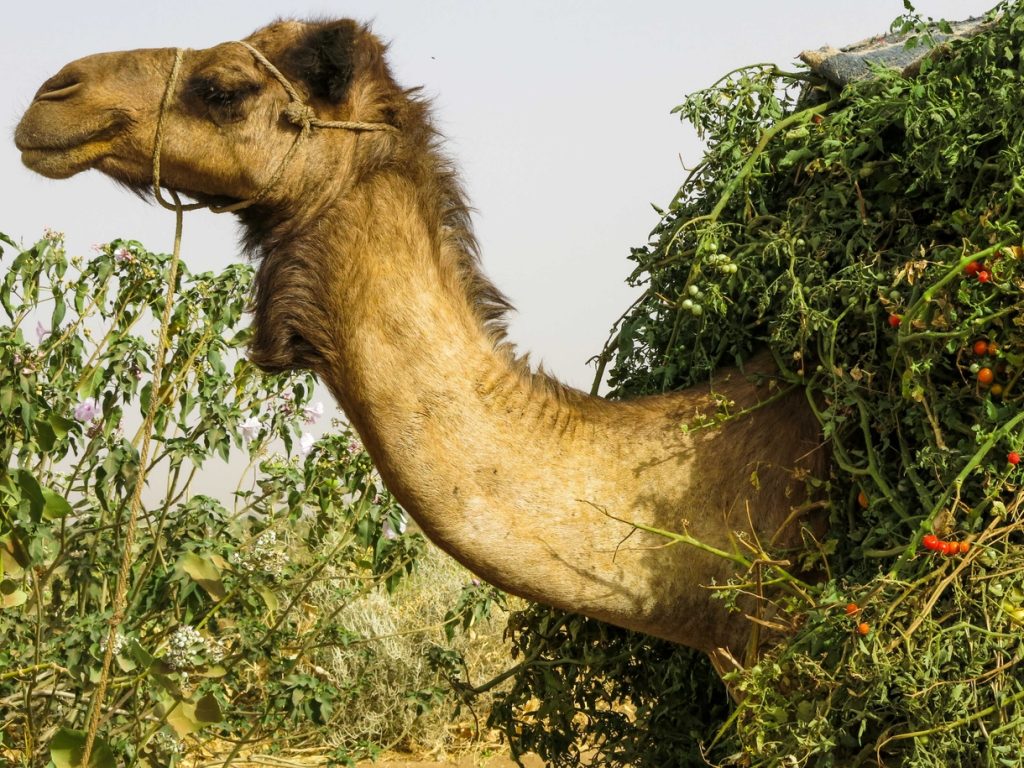
Wildlife and natural ecosystems are integral to the ecological balance, cultural heritage, and livelihood systems in Darfur. Despite the region’s reputation as a conflict zone with limited water and degraded lands, areas such as the Jebel Marra highlands, savanna fringes, and even some desert pockets support diverse species. Over the past decades, wildlife populations have faced mounting pressure from habitat loss, human disturbance, and the complications of political instability. This report examines the environmental aspects that influence the survival, distribution, and conservation challenges of Darfur’s wildlife, providing a framework for policy interventions and community engagement.
Overview of Wildlife in Darfur
Mammals
Darfur hosts a variety of mammal species, many of which are adapted to the arid and semi-arid environments of the region. Notable mammal species include:
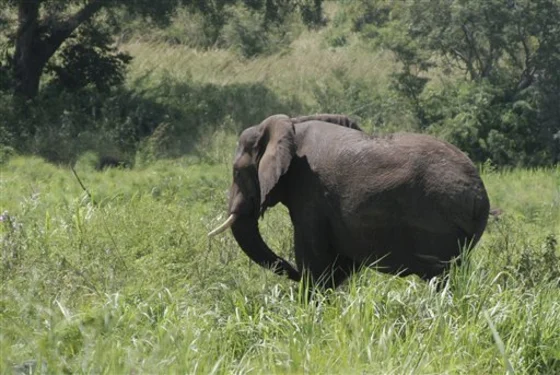
African Elephant (Loxodonta africana): Although their numbers have declined due to poaching and habitat loss, African elephants can still be found in parts of Darfur. They are crucial for maintaining ecological balance and are known for their role in shaping vegetation.
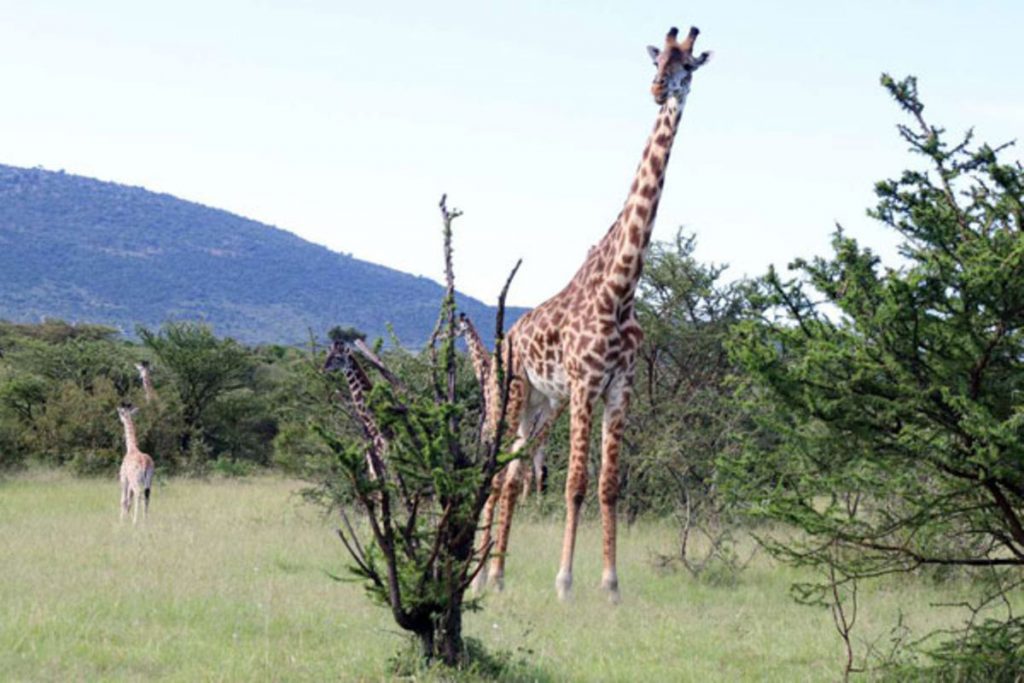
Giraffe (Giraffa camelopardalis): Giraffes are iconic inhabitants of the savanna regions of Darfur. They play a significant role in maintaining the health of savanna ecosystems by feeding on tree foliage and promoting plant growth.
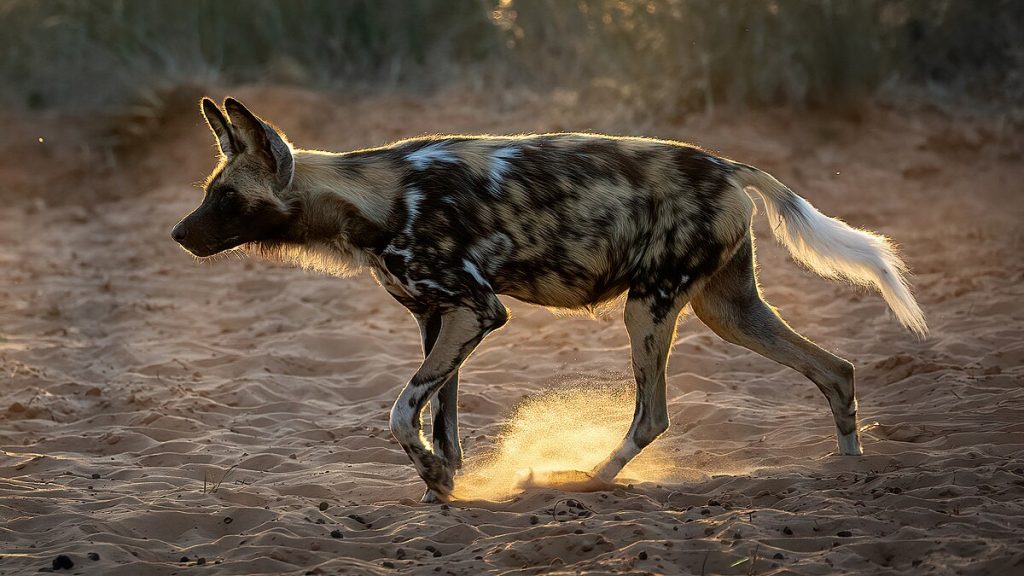
African Wild Dog (Lycaon pictus): This endangered species is found in the grasslands of Darfur. African wild dogs are social animals that live in packs and are known for their cooperative hunting behavior.
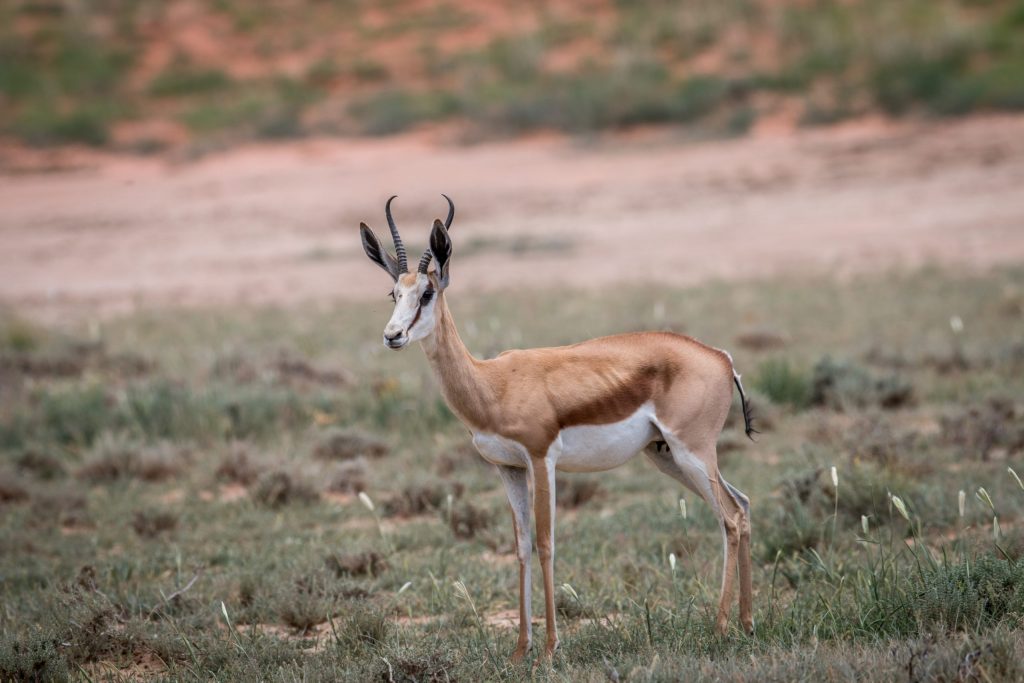
Gazelles and Antelopes: Several species of gazelles and antelopes, such as the Dorcas gazelle (Gazella dorcas) and the red-fronted gazelle (Eudorcas rufifrons), inhabit Darfur’s grasslands and savannas. These herbivores play a vital role in the food chain, serving as prey for predators.
Birds
Darfur is home to a diverse range of bird species, including both resident and migratory birds. Some notable bird species include:
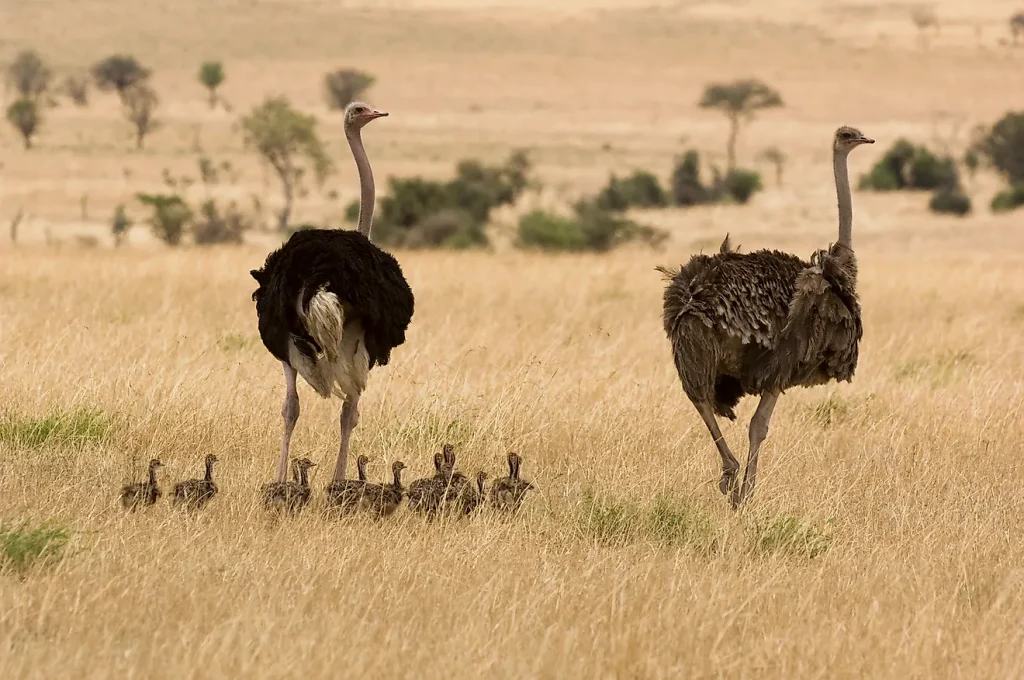
Ostrich (Struthio camelus): The world’s largest bird, the ostrich, is found in Darfur’s desert and savanna regions. Ostriches are well-adapted to the arid environment and are known for their impressive speed and powerful legs.
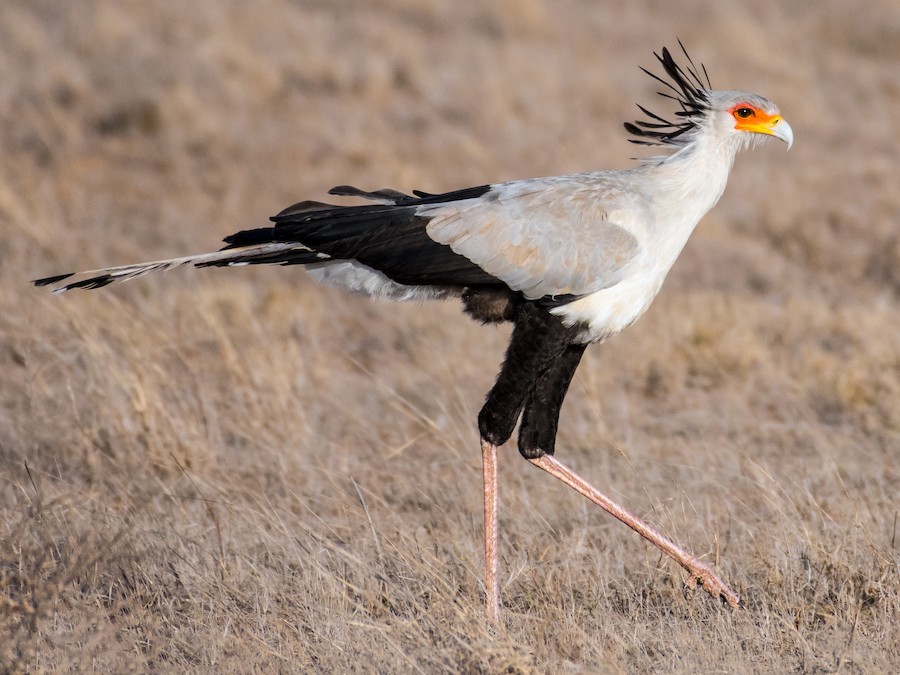
Secretary Bird (Sagittarius serpentarius): This distinctive bird of prey is known for its long legs and unique hunting style. Secretary birds are often seen stalking through grasslands in search of snakes and other small animals.
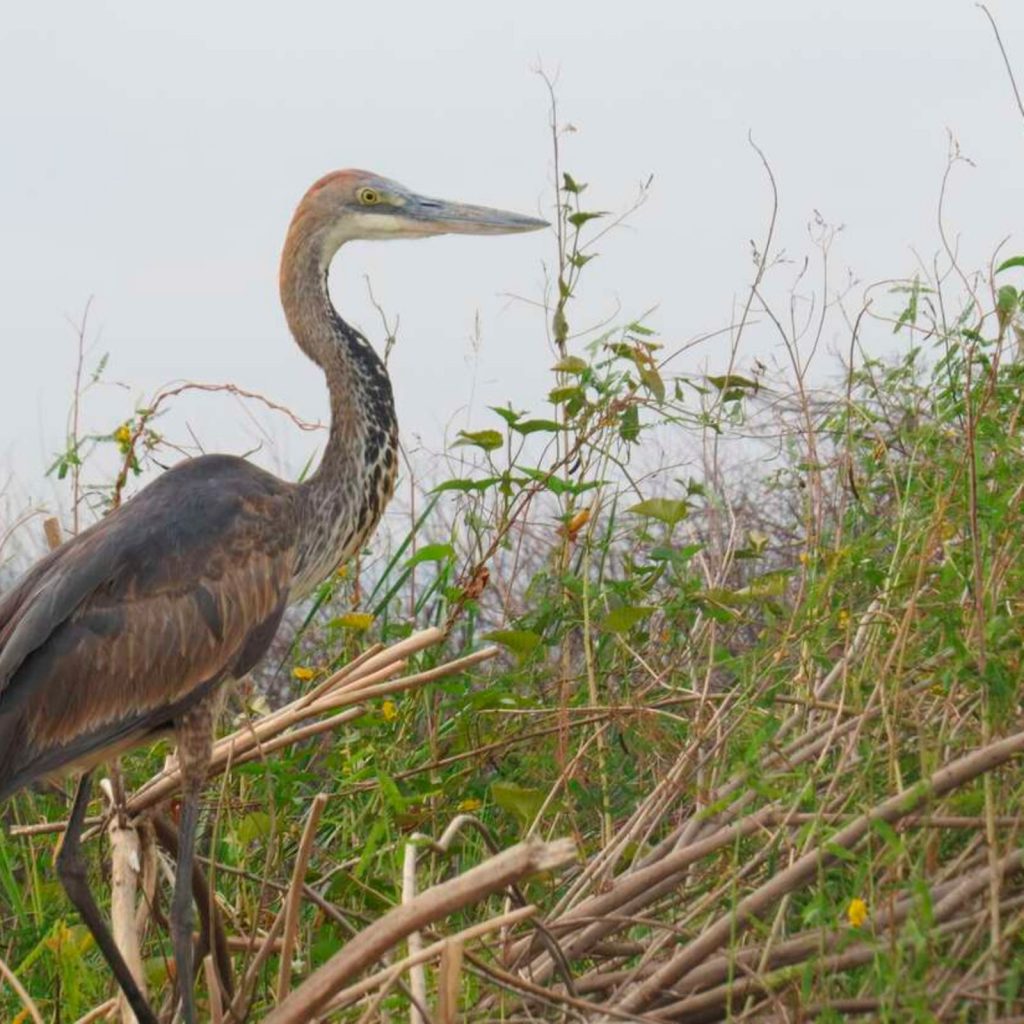
Various Waterbirds: Wetland areas and seasonal riverbeds in Darfur attract a variety of waterbirds, including herons, egrets, and ducks. These birds rely on the availability of water and aquatic vegetation for feeding and nesting.
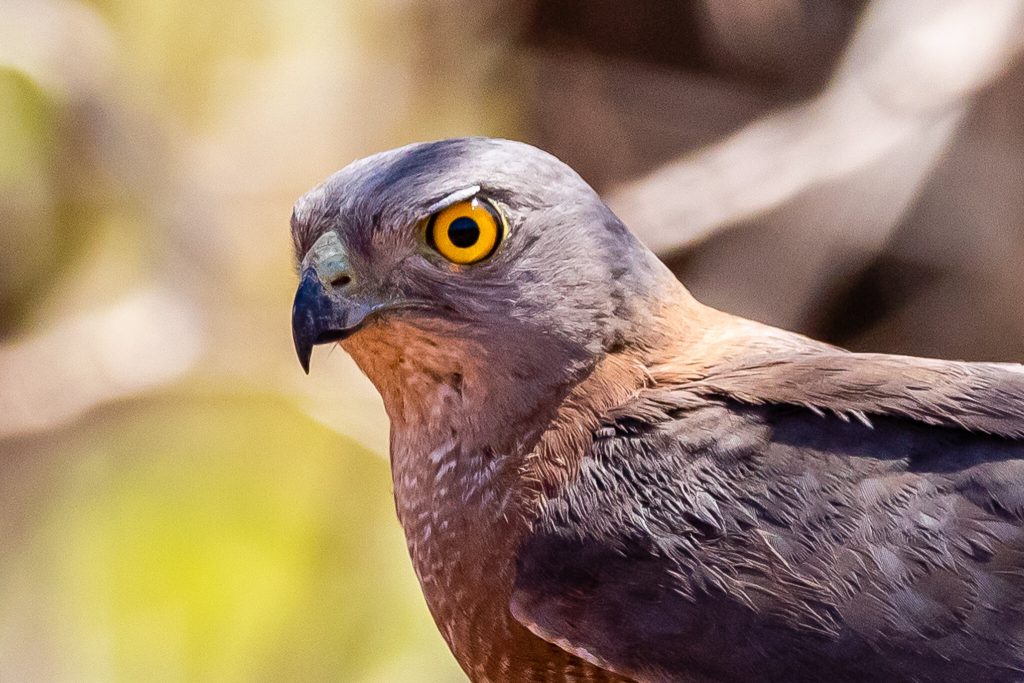
Raptors: Birds of prey, such as the African fish eagle (Haliaeetus vocifer) and the martial eagle (Polemaetus bellicosus), are important predators in Darfur’s ecosystems. They help control populations of small mammals, reptiles, and other birds.
Reptiles and Amphibians
Reptiles and amphibians are well-represented in Darfur, with species adapted to the region’s diverse habitats. Notable reptiles and amphibians include:
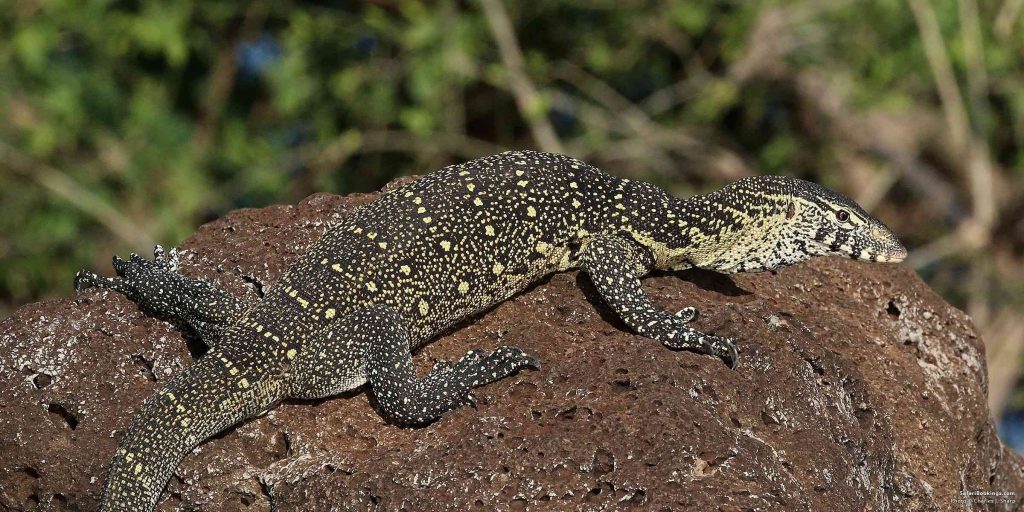
Nile Monitor (Varanus niloticus): This large lizard is found near water bodies in Darfur. Nile monitors are skilled swimmers and are known for their voracious appetite for fish, amphibians, and small mammals.
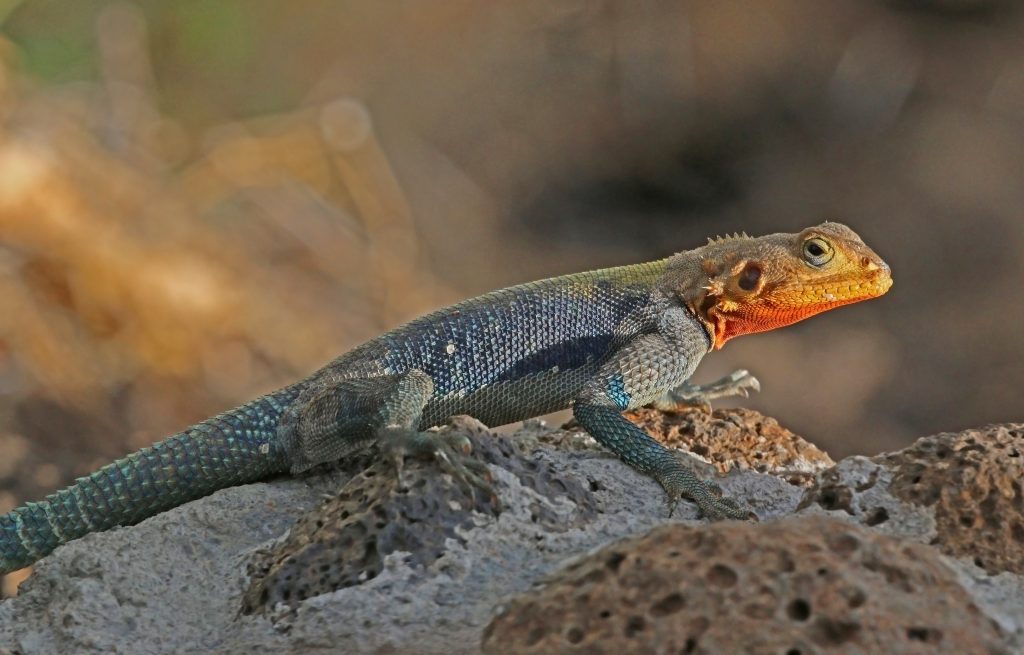
Agama Lizards: Various species of agama lizards are common in Darfur’s rocky and arid environments. These colorful lizards are often seen basking on rocks and feeding on insects.
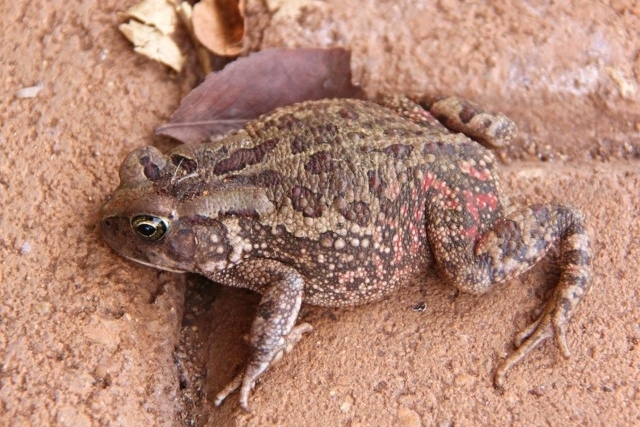
Frogs and Toads: Amphibians, such as frogs and toads, are commonly found near seasonal water bodies and wetlands. They play a crucial role in controlling insect populations and serve as indicators of environmental health.
Habitat and Ecosystem Variability
Darfur encompasses various habitats:
- Desert and Semi‑Arid Zones: These areas support xeric species capable of withstanding extreme conditions but are generally low in biomass and species richness.
- Savannas and Grasslands: Transition zones between desert and more vegetated areas host grazers and a range of bird species that depend on open, sunlit environments.
- Highland and Riparian Habitats: The Jebel Marra highlands provide cooler, moister conditions, creating refuge for more sensitive or endemic species. Seasonal rivers (wadis) and wetlands form critical corridors of biodiversity by facilitating water-dependent life forms in an otherwise arid landscape.
Environmental Drivers Affecting Wildlife
Climatic Variability
Darfur’s erratic rainfall, prolonged droughts, and flash floods create a dynamic but challenging environment for wildlife:
- Drought Stress: Extended dry spells force wildlife to adapt by migrating, shifting behaviors, or relying on limited water sources. Reduced vegetation cover during droughts compromises food availability and shelter.
- Hydrological Fluctuations: Sudden rainfalls can temporarily boost resource availability in seasonal wetlands and riparian zones, supporting breeding events and migrations. However, these ephemeral conditions can also lead to population bottlenecks if the timing is unpredictable.
Land Degradation and Habitat Fragmentation
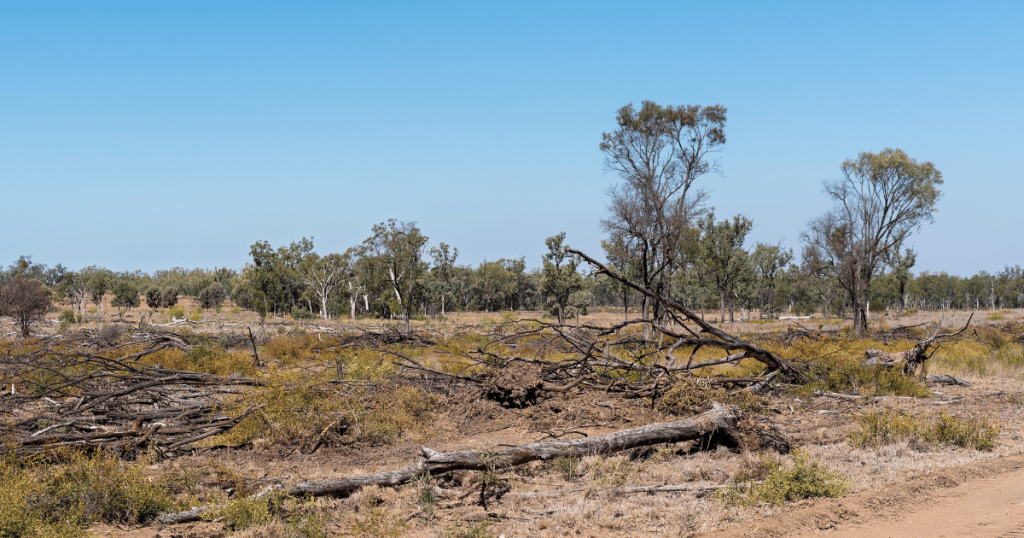
- Overgrazing and Agriculture: Intensive grazing and agricultural expansion reduce natural vegetation cover, leading to soil erosion and habitat fragmentation. This loss of habitat decreases available shelter and food for wildlife and interrupts movement corridors.
- Deforestation: Logging for fuelwood and other uses, often exacerbated by conflict and displacement, has further diminished habitats, especially in areas where forests once provided refugia for a variety of species.
Conflict and Human Disturbance
- Displacement and Settlements: The influx of internally displaced persons (IDPs) and refugees into fragile ecosystems places additional strain on wildlife habitats. Unplanned settlements may lead to increased resource extraction, waste accumulation, and heightened human-wildlife conflict.
- Instability and Poaching: Conflict disrupts law enforcement and conservation efforts, often resulting in increased poaching and illegal trade of wildlife, further endangering vulnerable species.
Threats to Wildlife
Habitat Loss and Degradation
Human-induced habitat loss is the primary threat, threatening the survival of many species:
- Fragmentation: As natural habitats become broken up by agriculture, settlements, and infrastructure, wildlife populations become isolated, reducing genetic diversity and increasing vulnerability to environmental changes.
- Degradation: Overexploitation of land and water resources can degrade ecosystem quality, making habitats less suitable for wildlife and reducing overall species fitness.
Direct Human Impacts
- Hunting and Poaching: In conflict-affected areas, weak enforcement of wildlife protection laws can lead to increased hunting for bushmeat and illegal trade.
- Pollution: Contamination of water and soil—not only from agricultural chemicals but also from improper waste disposal—negatively affects sensitive species, particularly those that rely on aquatic or riparian habitats.
Climate Change
- Altered Ecosystem Dynamics: Prolonged droughts, shifts in seasonal patterns, and temperature extremes associated with climate change may push species beyond their adaptive limits, altering community dynamics and triggering local extinctions.
- Increased Frequency of Extreme Events: Flooding events can devastate breeding sites and reduce available habitat for vulnerable species, while prolonged dry periods can force animals into areas where they conflict with humans.
Conservation Strategies and Sustainable Management
Protected Areas and Reserves
- Establishing Protected Zones: Designating key habitats, such as parts of the Jebel Marra highlands and critical riparian zones, as protected areas can help conserve wildlife. Effective management requires sufficient resources for surveillance and community engagement.
- Corridor Protection: Protecting ecological corridors that connect fragmented habitats is essential to ensuring genetic flow and resilience across wildlife populations.
Community-Based Conservation
- Local Stewardship: Empowering local communities to manage natural resources fosters sustainable practices. Traditional ecological knowledge can be integrated with modern scientific approaches to promote adaptive management.
- Conflict-Sensitive Approaches: Conservation strategies must be tailored to the conflict context of Darfur. Initiatives that promote equitable resource sharing and reduce human-wildlife conflict through participatory planning can strengthen community support for conservation.
Integrated Resource Management
- Holistic Planning: Implementing Integrated Natural Resource Management (INRM) practices that combine water management, sustainable agriculture, and wildlife conservation can balance human needs with ecosystem integrity.
- Climate Adaptation: Building resilient ecosystems that can withstand climatic fluctuations will require practices such as reforestation, controlled grazing, and restoration of degraded lands to provide secure habitats for wildlife.
Policy Recommendations
To safeguard wildlife in Darfur, a multifaceted policy framework is essential:
- Strengthen Legal Frameworks:
- Develop and enforce wildlife protection laws that are adapted to local realities, with provisions for anti-poaching and habitat conservation.
- Improve coordination between governmental agencies and local authorities to ensure effective implementation.
- Enhance Research and Monitoring:
- Establish long-term monitoring programs using remote sensing, GIS, and field surveys to track wildlife populations and habitat changes.
- Encourage collaboration between local researchers, conservation NGOs, and international institutions to share data and best practices.
- Promote Community Participation:
- Integrate local communities into decision-making through participatory conservation programs that recognize the value of traditional ecological knowledge.
- Provide incentives and capacity-building support for community-led habitat restoration and wildlife protection initiatives.
- Invest in Conflict-Sensitive Conservation:
- Design conservation interventions that account for the challenges posed by ongoing conflict and displacement, ensuring equitable access to resources and conflict resolution support.
- Leverage international support and funding to build resilient conservation programs that are adaptable to changing socio-political contexts.
Wildlife in Darfur, though adapted to harsh environmental conditions, faces significant threats from habitat loss, human disturbance, and climate change—exacerbated by the region’s precarious political situation. The diverse ecosystems, from desert scrub to highland forests, play a pivotal role in sustaining the region’s biodiversity and the livelihoods of its people. Protecting Darfur’s wildlife requires an integrated approach that combines scientific research, robust policy frameworks, traditional knowledge, and community-led conservation. By fostering collaboration between local stakeholders, governmental bodies, and international partners, it is possible to chart a sustainable path toward preserving the natural heritage of Darfur for future generations.