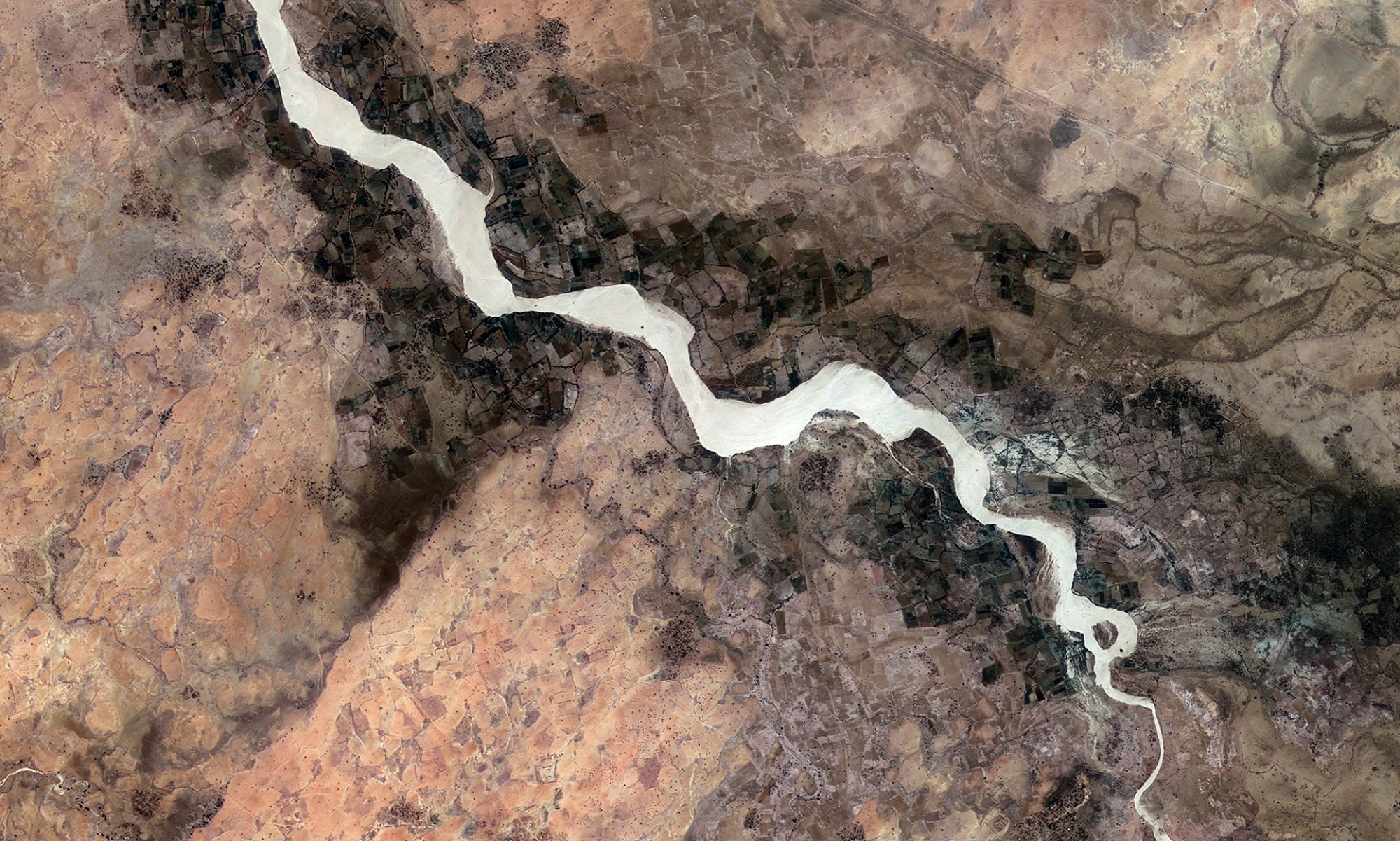

Darfur, located in western Sudan, is predominantly an arid and semi‑arid region where forests are limited and highly fragmented. Yet, pockets of forested areas and woodland patches—often found in riparian zones, around seasonal watercourses, and in the upland environments near the Jebel Marra volcanic area—play crucial roles in maintaining local biodiversity, stabilizing soil, and providing resources for local communities. Over decades, deforestation driven by overgrazing, unsustainable agricultural expansion, fuelwood collection, and the impacts of conflict has degraded these forests. Environmental constraints such as erratic rainfall and climate change further complicate natural regeneration. In response, government agencies (including the Forest National Corporation) and international organizations are working to restore and sustainably manage remaining forest resources. This report offers an overview of the current status of forests in Darfur, explores the environmental drivers affecting them, and recommends integrated management practices and policy interventions to improve forest conservation outcomes.
Forests are not extensive in Darfur relative to other regions in Sudan, but they remain critically important. They provide essential ecosystem services such as soil stabilization, carbon sequestration, and regulation of local microclimates, while also supporting livelihoods through fuelwood and non‑timber forest products. In the context of Darfur’s harsh climate and ongoing conflicts, forest management faces unique challenges. The environmental perspective is particularly relevant because the transformation or loss of these green patches can further exacerbate desertification and reduce the ecological resilience needed to support both human communities and biological diversity. Understanding the interplay between natural conditions and human practices is key to developing policies and interventions that are both sustainable and conflict-sensitive.
Geographical and Environmental Context
Climatic and Landscape Conditions
Darfur’s climate is characterized by high temperatures, low and erratic rainfall, and extended dry periods interspersed with rare but intense rainfalls. These climatic conditions result in naturally sparse vegetation and limit the spread of dense forests. Despite these challenges, certain landscape features provide microhabitats where forest patches can persist:
- Riparian Zones and Seasonal Watercourses: These areas along rivers and wadis can sustain patches of trees and shrubs by offering a relatively more reliable water supply.
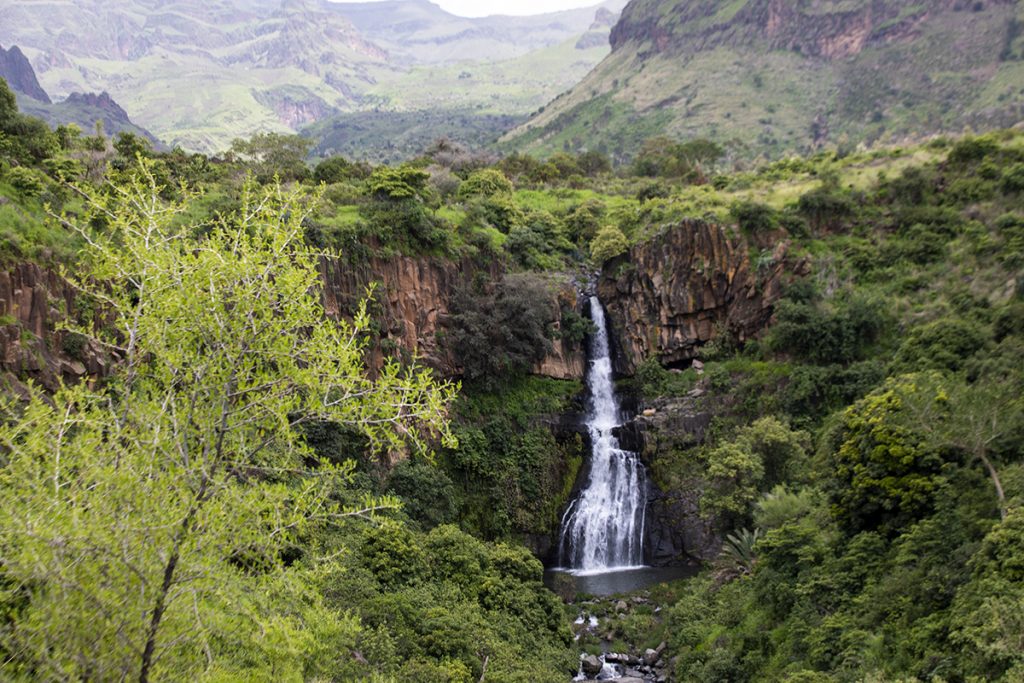
- Highland Areas – The Jebel Marra Region: The volcanic uplands, such as those in the Jebel Marra area, benefit from orographic rainfall, cooler temperatures, and more fertile soils. These factors create favorable conditions for forest regeneration and support richer biodiversity compared to the surrounding desert areas.
- Alluvial Deposits and Localized Soil Variability: In some regions, soil produced by river sediments enhances moisture retention and nutrient availability, thereby promoting the growth of woodlands and scattered tree cover.
Natural Forest Features
In Darfur, “forests” do not always appear as continuous canopies but rather as a mosaic of:
- Woodland Patches and Scrub: These are dominated by drought-resistant species such as various Acacia and Commiphora species.
- Riparian Woodlands: Found along seasonal rivers, these areas are critical for water regulation and serve as important corridors for fauna.
- Highland Forests: Particularly in the Jebel Marra area, forest patches include denser vegetation that supports a wider range of plant and animal species adapted to slightly cooler and moister conditions.
Types of Forests
Acacia Forests
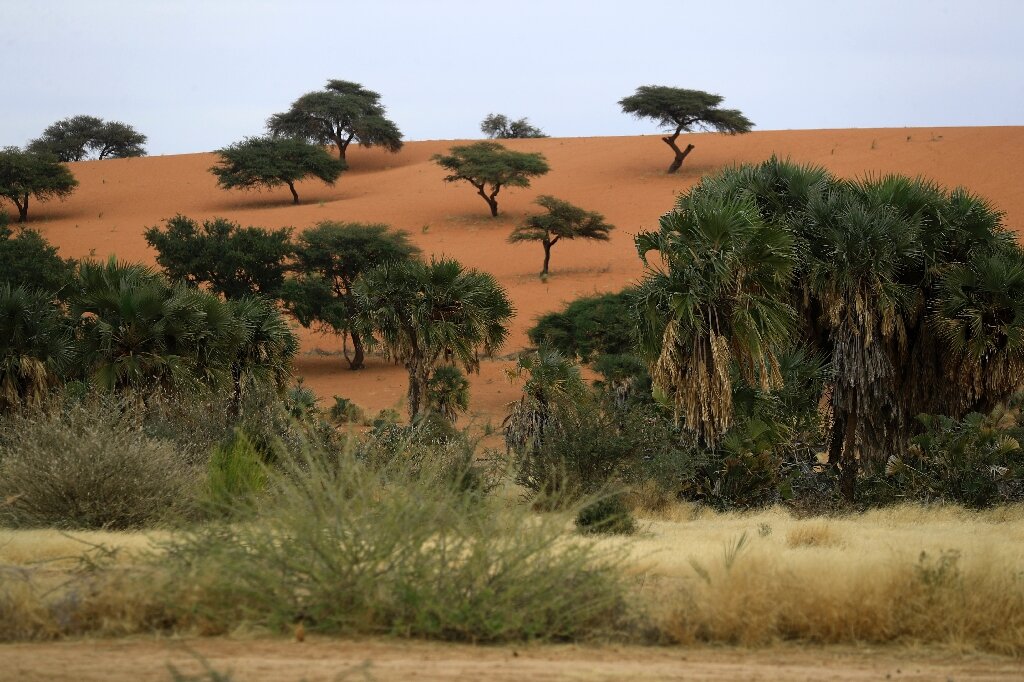
- Location: Scattered across Darfur, primarily in the Sahelian and savanna zones.
- Characteristics: Acacia forests are composed mainly of various species of Acacia trees, such as Acacia senegal (gum arabic tree), Acacia seyal, and Acacia tortilis. These trees are well-adapted to the arid and semi-arid conditions of the region.
- Significance: Acacia forests provide critical ecosystem services, including soil stabilization, water conservation, and habitat for wildlife. They also offer economic benefits through the production of gum arabic and firewood.
Gallery Forests
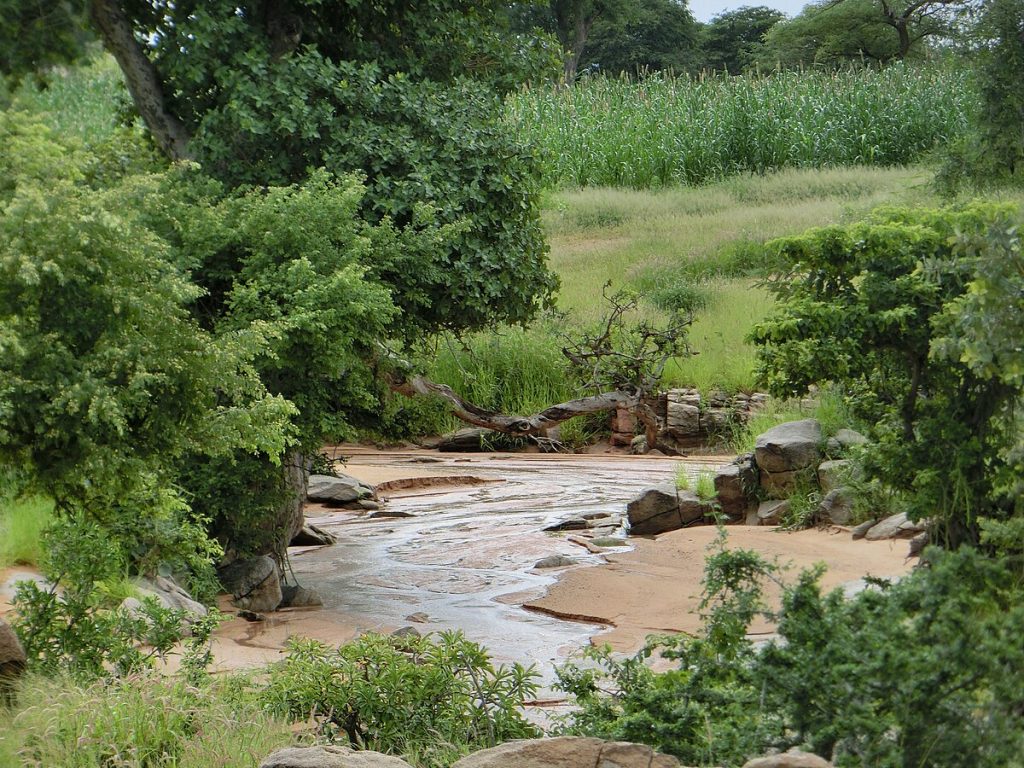
- Location: Found along riverbanks and seasonal watercourses (wadis).
- Characteristics: Gallery forests are narrow strips of forested land that thrive along water bodies. They consist of water-tolerant tree species and vegetation, such as Faidherbia albida and Balanites aegyptiaca (desert date).
- Significance: These forests play a vital role in preventing soil erosion, maintaining water quality, and providing habitat for aquatic and terrestrial species.
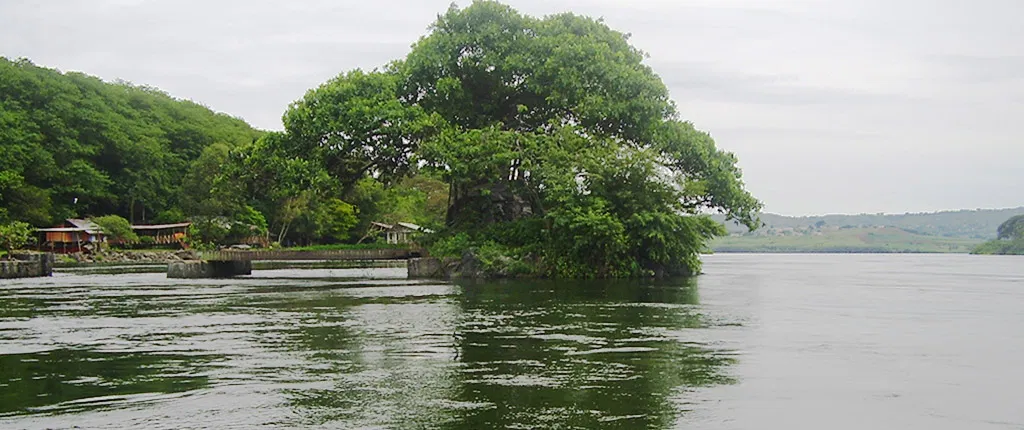
Riparian Forests
- Location: Along the banks of perennial and seasonal rivers.
- Characteristics: Riparian forests are composed of diverse tree species, including sycamore figs (Ficus sycomorus) and tamarind trees (Tamarindus indica). These forests thrive in the moist conditions provided by riverbanks.
- Significance: Riparian forests contribute to the health of river ecosystems by stabilizing riverbanks, filtering pollutants, and providing habitat for various species.
Environmental Drivers Affecting Forests
Climatic Variability and Climate Change
- Erratic Rainfall: The sporadic and unpredictable rain patterns challenge robust forest regeneration. Extended periods of drought reduce seedling survival, while intense, short-lived rain events can contribute to erosion.
- Temperature Extremes: High daytime temperatures further stress young saplings and reduce overall biomass accumulation.
- Long-Term Climate Shifts: Climate change may amplify existing extremes, further reducing the window available for effective regeneration and altering species compositions.
Human-Induced Pressures
- Deforestation for Fuel and Agriculture: Local communities often rely on fuelwood as a primary energy source. Additionally, clearing forests for agriculture and settlement expansion contributes significantly to forest loss.
- Overgrazing: Intensive grazing by livestock leads to soil compaction and degradation, reducing the ability of forest areas to naturally regenerate.
- Conflict-Related Displacement: The influx of displaced people into areas near remaining forest patches increases local resource pressure. Unplanned settlements frequently encroach upon and degrade fragile woodland areas.
- Unsustainable Land-Use Practices: Historical and ongoing practices, sometimes exacerbated by the breakdown of traditional resource management systems due to conflict, further reduce forest cover.
Institutional Responses and Conservation Initiatives
Government and Local Institutional Efforts
- Forests National Corporation (FNC): At the state level, the FNC has led re-greening and reforestation initiatives in North Darfur and the Jebel Marra region. Efforts include the establishment of seedling nurseries, reforestation projects, and public awareness campaigns aimed at sustainable forest management.
- Land Rehabilitation Programs: National initiatives aimed at restoring degraded lands through terracing, agroforestry, and sustainable grazing practices have shown promise in aiding forest regeneration.
International and Community-Led Initiatives
- UNEP and Donor Projects: International agencies are supporting projects that combine ecological restoration with livelihood improvements. For example, programs coordinated by UNEP in North Darfur have promoted community nurseries and training sessions on forest management.
- Community-Based Resource Management: Local communities—drawing on traditional ecological knowledge—are increasingly involved in forest stewardship. Participatory conservation projects demonstrate that when local voices are integrated in decision-making, forest management is more sustainable and conflict-sensitive.
Conservation Challenges and Threats
Institutional and Governance Gaps
- Weak Enforcement: In conflict-affected Darfur, limited financial resources, political instability, and degraded institutional capacity hamper effective monitoring and regulation of forest exploitation.
- Conflicts with Customary Practices: Traditional land management systems have historically been flexible and adaptive. However, centralized policies sometimes conflict with these local practices, leading to implementation challenges.
Socio-Economic Factors
- Poverty and Resource Dependence: Communities reliant on forests for fuel, food, and economic resources may overexploit these systems in the absence of viable alternatives.
- Rapid Urban and Camp Expansion: The growth of urban centers and displacement camps places increasing pressure on surrounding environments, leading to forest clearance and unsustainable extraction of resources.
Policy Recommendations and Sustainable Management Strategies
To promote the sustainable management and conservation of forests in Darfur, the following policy-oriented recommendations are proposed:
Strengthen Institutional Capacity
- Enhance Enforcement: Invest in building institutional capacity for monitoring and regulating forest resources, including training of local officials and the use of modern remote sensing (GIS) technologies.
- Integrate Customary and Formal Systems: Develop policy frameworks that incorporate traditional resource management practices, ensuring that indigenous knowledge is harnessed alongside modern scientific approaches.
Promote Community-Based Forest Management
- Participatory Conservation Programs: Establish and support community-managed forest reserves that allow local stakeholders to actively participate in planning and decision-making.
- Livelihood Diversification: Support alternative livelihood initiatives, such as eco-tourism, agroforestry, and sustainable non-timber forest product (NTFP) enterprises, to reduce resource dependence on depleting forests.
Enhance Funding and International Partnerships
- Attract International Support: Collaborate with international donors and agencies (e.g., UNEP, FAO) to secure funding and technical assistance for reforestation and sustainable management projects.
- Research and Development: Invest in research to better understand the ecological dynamics of Darfur’s forests, including long-term studies on vegetation recovery and the impacts of climate change.
Implement Integrated Land and Water Management
- Holistic Ecosystem Management: Integrate reforestation initiatives with broader natural resource management programs that address water scarcity, soil erosion, and land degradation. Integrated approaches can improve overall ecosystem resilience.
- Adaptive Management: Develop adaptive management plans that respond to climatic variability, ensuring that conservation strategies remain flexible and responsive to changing environmental conditions.
Although forests in Darfur are fragmented and often threatened by the combined pressures of climatic extremes, human exploitation, and conflict, they remain vital for ensuring ecological stability and supporting local livelihoods. Effective conservation and management require a multi-dimensional approach that integrates robust institutional frameworks, community participation, adaptive practices, and international support. By aligning policy efforts with traditional practices and modern scientific methods, Darfur can pave the way for sustainable forest management that preserves its unique environmental heritage.