

Deforestation—the large-scale removal of forest cover—is one of the most pressing environmental issues worldwide. Forests, which cover roughly 30% of the Earth’s land area, not only harbor a significant portion of global biodiversity but also serve as carbon sinks, regulate water cycles, and support vital ecosystem services. In recent decades, deforestation has accelerated due to a confluence of factors including agricultural expansion, logging, infrastructure development, and mining. The environmental repercussions—ranging from biodiversity loss and altered climates to soil erosion and water cycle disruption—are far-reaching, with profound implications for both local communities and global systems. This report provides an in-depth analysis of these issues, positioning deforestation within the broader context of environmental change and human activity.
Forests play a critical role in sustaining ecological balance and human well-being. They purify water, store carbon, protect soil and water resources, and provide habitat for countless species. Despite these benefits, forests are increasingly under threat from deforestation—a phenomenon driven by human activities and exacerbated by economic and political factors. Although deforestation patterns vary regionally, its environmental consequences are global. This report explores the environmental dimensions of deforestation by examining its causes, impacts, and the policy responses deployed to counteract forest loss. Through this analysis, we seek to highlight the necessity of integrated strategies to protect forest ecosystems and ensure sustainable land use.
Drivers of Deforestation
Deforestation is propelled by a range of interrelated economic, social, and political factors. The key drivers include:
Agricultural Expansion and Commercial Agriculture
The conversion of forested lands into agricultural fields remains the foremost contributor to deforestation. In many tropical regions—especially in parts of South America, Africa, and Southeast Asia—forests are cleared to make way for crop cultivation and livestock grazing. Agricultural expansion is driven both by local subsistence needs and by global demand for commodities such as soy, palm oil, and beef. A major consequence of this expansion is the irreversible loss of primary forests, which are often the most biodiverse and carbon-rich ecosystems.
Logging and Wood Extraction
Legal and illegal logging operations extract timber for domestic use and international markets. Both industrial logging and community-level logging can result in massive canopy removal, even if selective logging practices are sometimes touted as “sustainable.” However, even well-managed logging can indirectly promote deforestation by opening up areas to further exploitation and development.
Infrastructure Development
Road construction and urban expansion often lead to fragmentation of forest landscapes. The establishment of roads not only clears land directly but also provides access for other damaging activities such as mining, agricultural encroachment, and illegal logging. This new access can lead to a cascade of environmental degradation beyond the initially disturbed area.
Mining and Extraction of Natural Resources
Mining activities—whether for minerals, oil, or other resources—frequently necessitate the clearing of large areas of forest. In many regions, mining operations occur deep within forested areas, leading to soil degradation, water contamination, and loss of habitat. Mining compounds deforestation because it often attracts settlements and additional infrastructure, further intensifying land-use pressures.
Environmental Impacts of Deforestation
Deforestation brings about significant environmental changes, many of which involve complex feedback loops that worsen ecosystem degradation.
Biodiversity Loss and Habitat Fragmentation
Forests are home to most terrestrial species, including many that are highly specialized and vulnerable to change. The removal of forest cover leads to habitat loss and fragmentation—which diminishes genetic diversity, curtails migratory pathways, and may ultimately result in species extinction. Tropical rainforests, in particular, have experienced dramatic declines in biodiversity due to deforestation.
Climate Change and Carbon Emissions
Forests act as critical carbon sinks by absorbing CO₂ from the atmosphere. When forests are cut down or burned, not only is this carbon storage capacity lost, but large quantities of greenhouse gases are released, intensifying global warming. Deforestation is estimated to contribute approximately 11% of global anthropogenic CO₂ emissions, making it a significant driver of climate change.
Disruption of Water Cycles and Soil Erosion
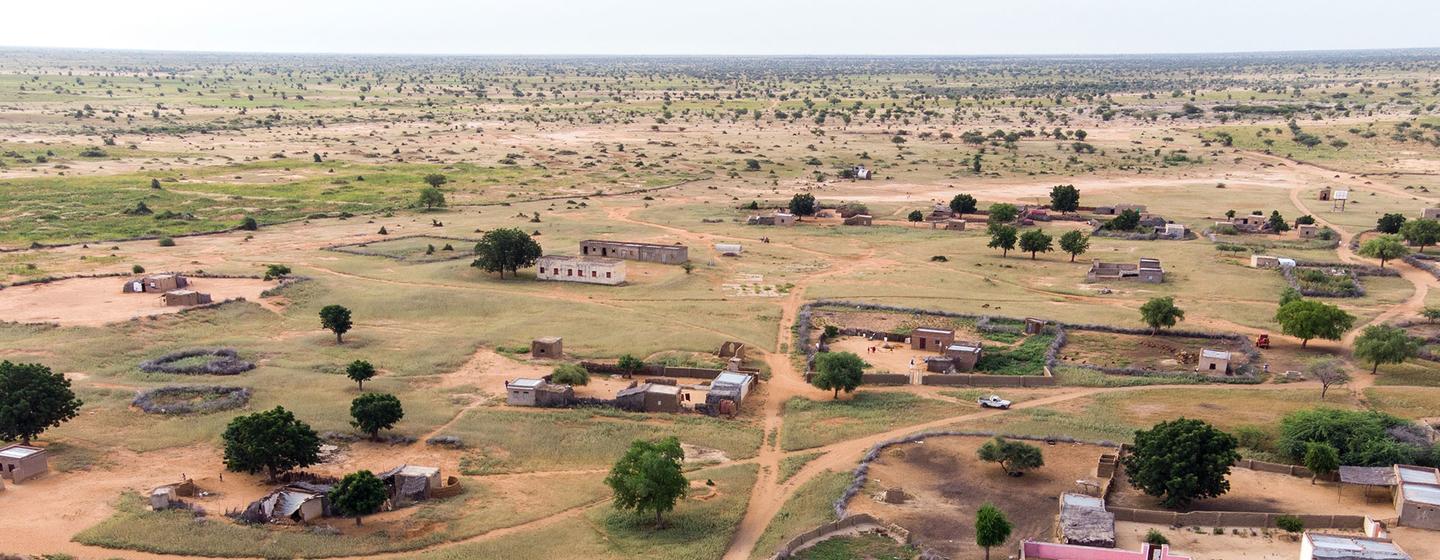
Trees play essential roles in regulating water cycles by intercepting rainfall, promoting water infiltration, and reducing runoff. The removal of trees alters these hydrological processes, leading to reduced water quality, increased sedimentation in rivers, and heightened flood risks. Furthermore, without the stabilizing presence of tree roots, soils become more vulnerable to erosion, which can lead to desertification in severe cases.
Impact on Human Health and Livelihoods
Environmental degradation from deforestation can have direct as well as indirect effects on human communities. Reduced forest cover diminishes the availability of non-timber forest products (NTFPs) used for food, medicine, and fuel. Additionally, the loss of forest buffers can facilitate the emergence of zoonotic diseases, as increased human-wildlife contact elevates the risk of pathogen spillover. Local communities dependent on forests for their livelihoods face acute vulnerabilities as deforestation alters ecosystem services that have supported them for generations.
Socioeconomic and Policy Dimensions
Economic Drivers and Trade
Economic pressures—especially in low- and middle-income countries—often drive deforestation as local and national governments face pressure to generate revenue. Agricultural exports and timber sales can represent significant economic gains; however, the short-term benefits frequently come at the expense of long-term environmental sustainability and social well-being.
Governance and Regulatory Challenges
Effective forest management is hampered by weak institutional frameworks, corruption, and limited enforcement of environmental regulations. In many regions, conflicting land-use policies, lack of clear property rights, and the displacement of traditional communities create challenges for implementing sustainable practices. International trade dynamics also complicate policy responses, as demand from global markets exerts significant pressure on forested regions.
International Efforts and Environmental Initiatives
Global initiatives—such as the United Nations’ REDD+ (Reducing Emissions from Deforestation and Forest Degradation) mechanism—seek to create financial incentives for developing countries to reduce deforestation and enhance forest regeneration. Such programs aim to align economic interests with environmental sustainability but have encountered mixed results due to issues of transparency, local participation, and practical implementation on the ground .
Policy Recommendations and Sustainable Management Approaches
Addressing the multifaceted challenge of deforestation requires a holistic approach that synergizes policy, technology, and local knowledge. Recommendations include:
Strengthening Governance and Legal Frameworks
- Clear Land Tenure: Establishing and enforcing clear property rights can reduce conflicts over resource use and promote sustainable management practices.
- Enhanced Regulatory Oversight: Improving monitoring mechanisms, including the use of satellite remote sensing and GIS technologies, can ensure that deforestation is detected early and curtailed promptly.
Integrating Socioeconomic Incentives
- Financial Mechanisms: Expand programs like REDD+ to provide tangible incentives for conservation while ensuring benefits reach local communities.
- Sustainable Livelihoods: Develop alternative economic opportunities—such as eco-tourism, agroforestry, and the sustainable harvest of NTFPs—to reduce dependence on destructive land-use practices.
Promoting Community-Based Resource Management
- Local Empowerment: Empower indigenous and local communities to manage forest resources through participatory decision-making and capacity-building initiatives.
- Traditional Knowledge Integration: Incorporate traditional ecological knowledge into modern forest management practices to design context-specific conservation strategies.
International Collaboration and Research
- Global Partnerships: Strengthen international cooperation to reduce trade-induced deforestation and to share best practices in sustainable forest management.
- Longitudinal Research: Invest in long-term studies to assess the effectiveness of policy interventions, monitor ecosystem health, and adapt strategies as environmental conditions evolve.
Deforestation represents one of the most significant environmental challenges of our time. Its causes—from agricultural expansion and logging to infrastructure development and mining—are deeply rooted in economic and political systems that favor short-term gains over long-term sustainability. The environmental consequences—biodiversity loss, climate change acceleration, water cycle disruption, and soil erosion—present interlinked problems that affect ecosystems and human societies alike. Addressing deforestation requires robust policy interventions, improved governance, socio-economic incentives for sustainable practices, and the integration of local knowledge. Only through coordinated efforts at local, national, and international levels can we hope to stem the loss of forests and secure a healthier, more resilient future.