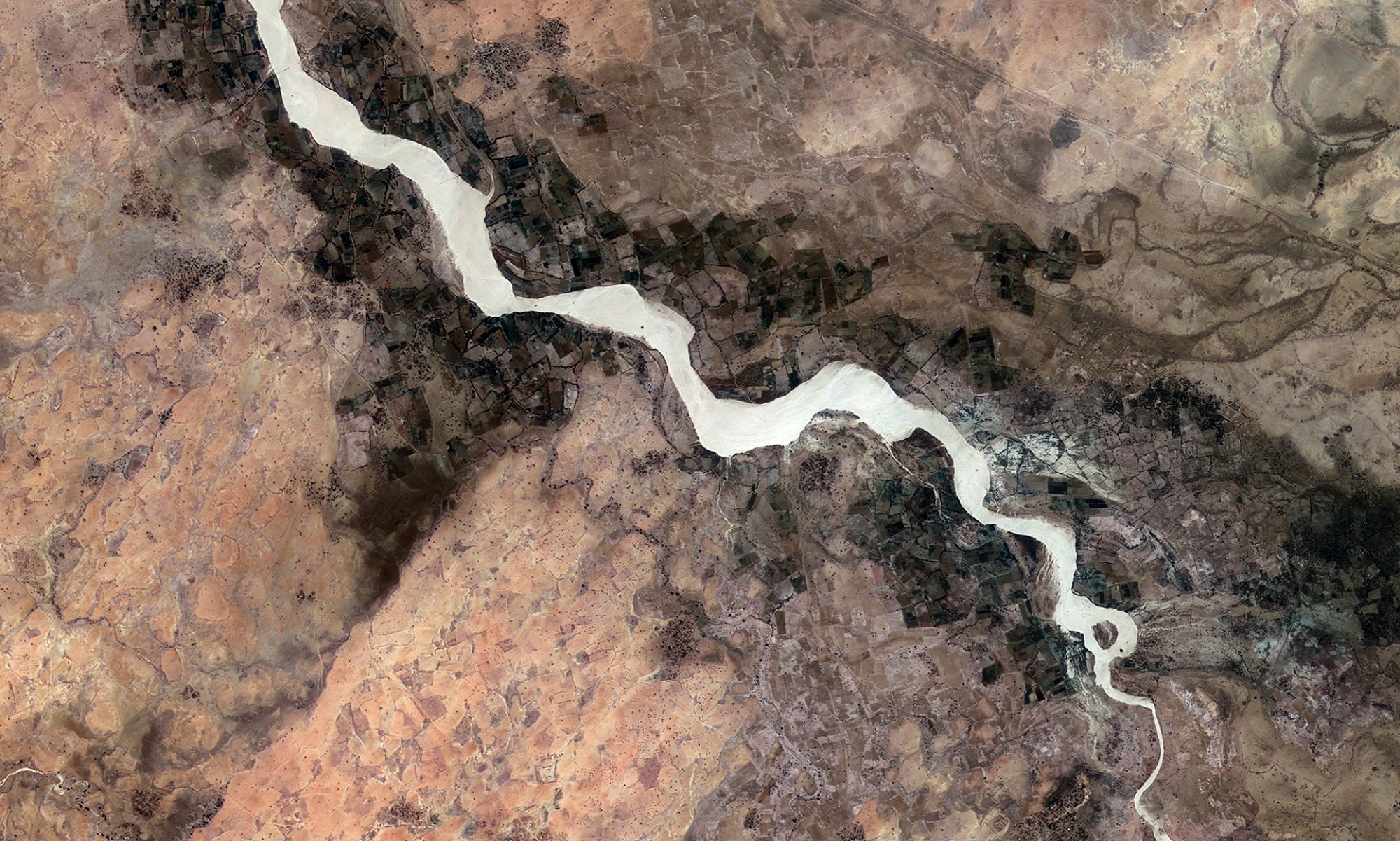

Darfur, a region in western Sudan, is rich in natural resources, but these resources are under significant environmental stress due to various factors, including climate change, overuse, and conflict. This article explores the key natural resources in Darfur and their environmental impact.
Water Resources
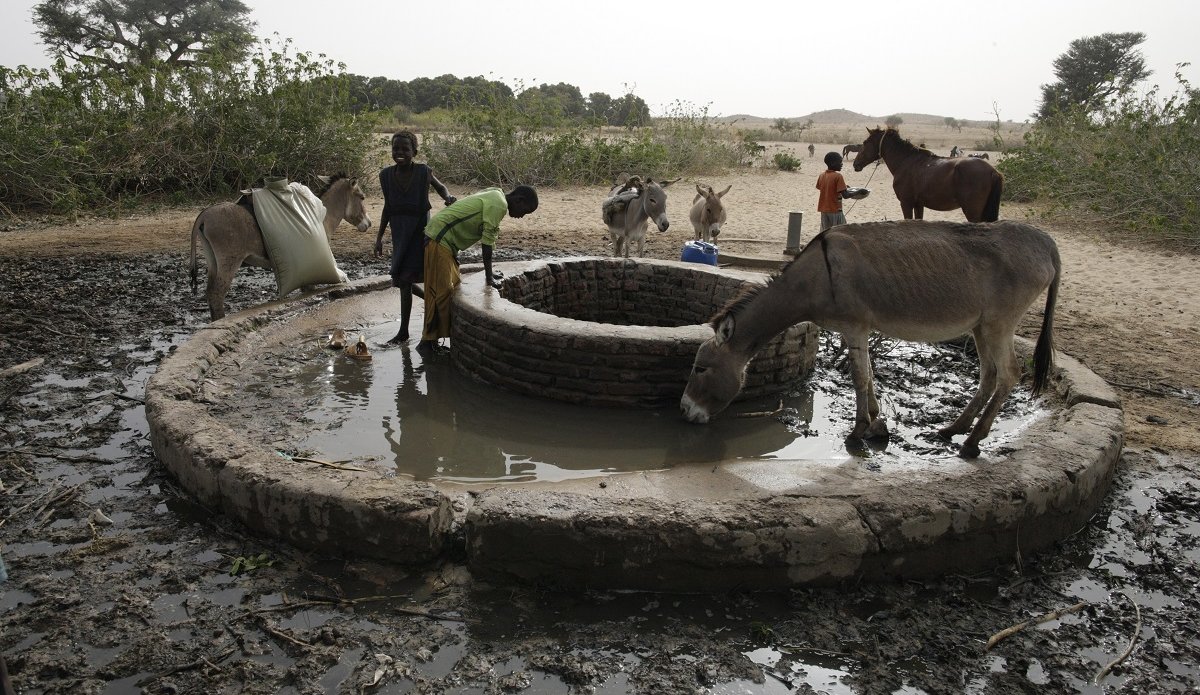
Water is one of the most critical natural resources in Darfur. The region is characterized by low and variable rainfall, with annual precipitation ranging from less than 50 mm in the northern desert to approximately 800 mm in the southern areas. The scarcity of water has led to the development of traditional water management practices, such as building underground cisterns and using water-efficient irrigation techniques.
However, climate change has exacerbated water scarcity, making it more challenging for communities to access clean water for drinking, agriculture, and livestock. The erratic rainfall patterns and rising temperatures have also led to the depletion of groundwater sources, further straining the region’s water resources.
Vegetation and Forests
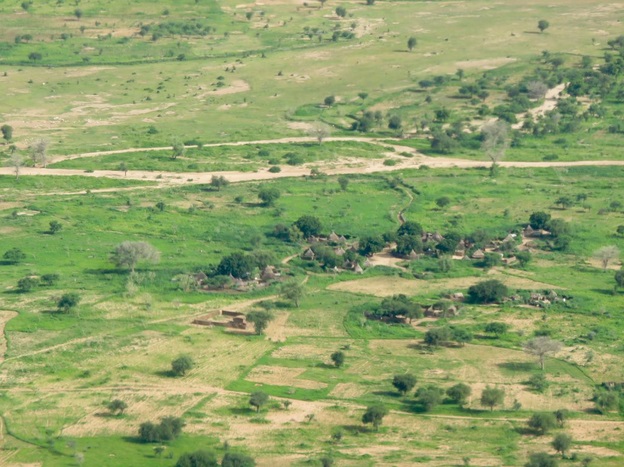
Darfur’s vegetation is primarily composed of grasslands, shrubs, and acacia trees. The region’s vegetation plays a crucial role in maintaining soil stability and preventing erosion1. However, deforestation and overgrazing have led to the degradation of vegetation cover, contributing to desertification and soil erosion.
The conflict in Darfur has also accelerated environmental degradation, as displaced populations have resorted to cutting down trees for firewood and clearing land for agriculture. This has further reduced the region’s vegetation cover and exacerbated the environmental challenges faced by the local communities.
Soil and Agriculture
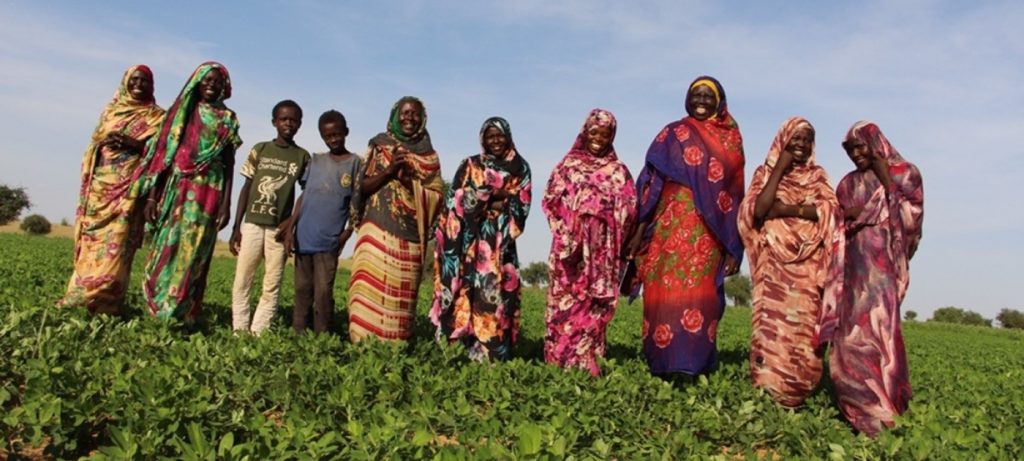
Darfur’s soil is generally fertile, making it suitable for agriculture. However, the region’s agricultural practices have been affected by climate change and environmental degradation. The decrease in rainfall and increase in temperatures have reduced crop yields and made it difficult for farmers to sustain their livelihoods.
Traditional farming methods, such as crop rotation and agroforestry, are being promoted to improve soil fertility and reduce erosion. These practices aim to enhance agricultural productivity and ensure food security for the local population.
Mineral Resources
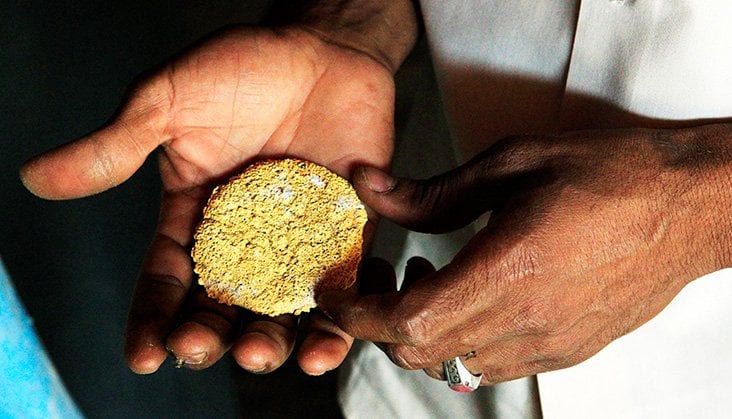
Darfur is rich in mineral resources, including gold, iron ore, and other minerals. The extraction of these minerals has led to environmental degradation, including soil erosion, deforestation, and water pollution. The mining activities have also contributed to the displacement of local communities and increased competition for natural resources.
Efforts are being made to promote sustainable mining practices and reduce the environmental impact of mineral extraction. These initiatives aim to balance economic development with environmental conservation and ensure the long-term sustainability of the region’s natural resources.
Environmental Conservation Efforts
Various organizations and initiatives are working to address the environmental challenges in Darfur and promote sustainable resource management. The United Nations Environment Programme (UNEP) has implemented projects to improve water resource management, restore vegetation cover, and promote sustainable agricultural practices. These efforts aim to enhance the resilience of local communities and mitigate the impacts of climate change.
Darfur’s natural resources are under significant environmental stress due to climate change, overuse, and conflict. The region’s water resources, vegetation, soil, and mineral resources are all affected by these challenges, making it difficult for local communities to sustain their livelihoods. Efforts to promote sustainable resource management and environmental conservation are crucial for ensuring the long-term sustainability of Darfur’s natural resources and improving the quality of life for its inhabitants.