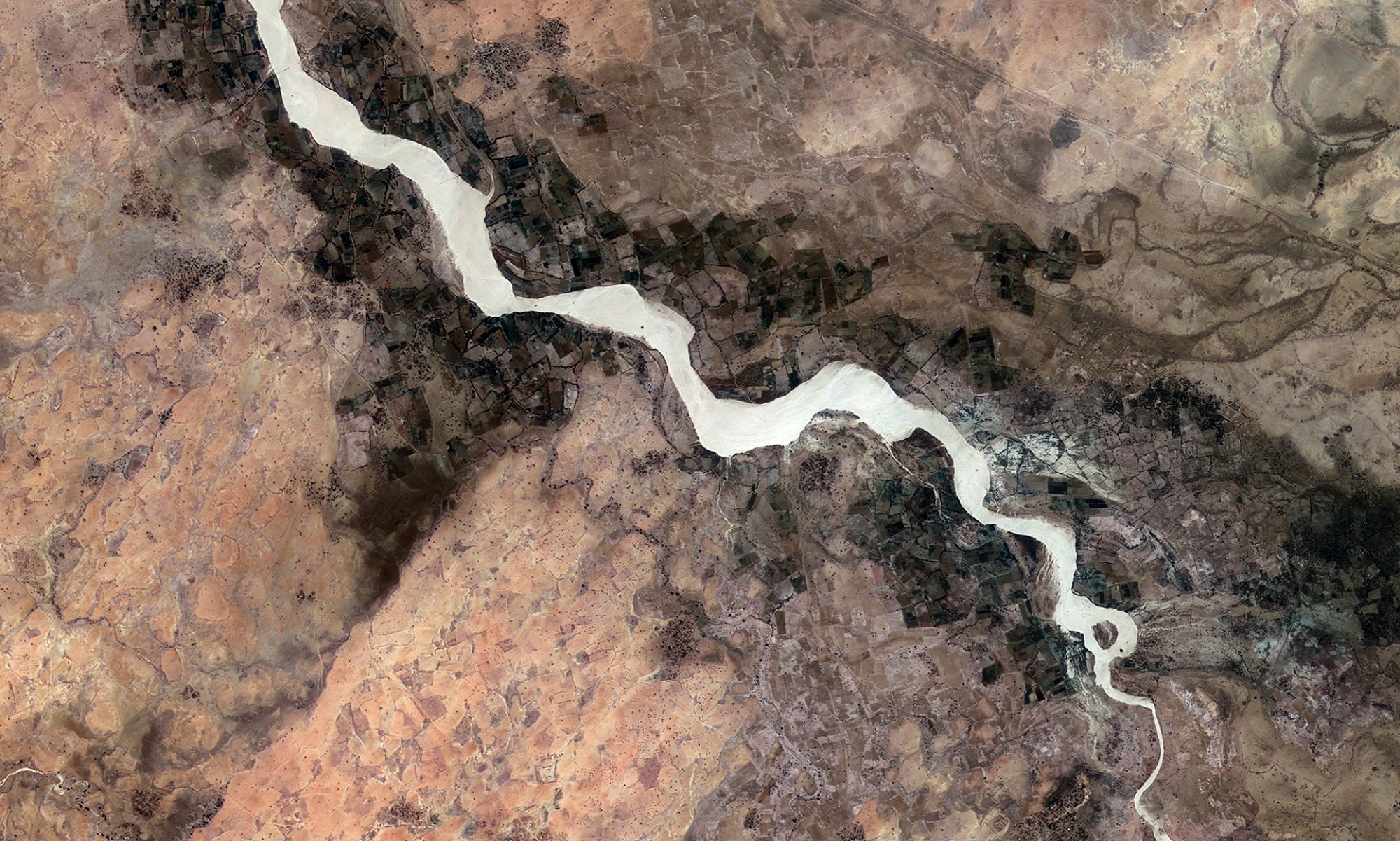

Darfur is a region marked by severe environmental challenges—from persistent droughts, soil erosion, deforestation, and desertification to water scarcity and biodiversity loss. Over decades, these issues have been compounded by social and political conflicts that have weakened traditional land and resource management systems. In response, governmental bodies and international agencies have proposed various environmental policies and interventions aimed at restoring degraded ecosystems, promoting sustainable resource use, and mitigating the environmental drivers of conflict. Despite these efforts, implementation has been constrained by institutional weaknesses, ongoing conflict, and the mismatch between top‐down policies and local needs. A holistic approach—integrating traditional knowledge, community-based resource management, and adaptive governance—is essential for achieving long-term resilience.
Environmental factors in Darfur play a crucial role in shaping the region’s humanitarian and socio-economic landscape. In a region where natural resources are already scarce and variable, ongoing degradation exacerbated by overexploitation and conflict has precipitated a range of ecological crises. At the same time, these challenges have sparked policy responses at both national and international levels. This report explores the nature of Darfur’s environmental issues and the policies devised to manage them while assessing the effectiveness and limitations of these policies in a conflict-affected environment.
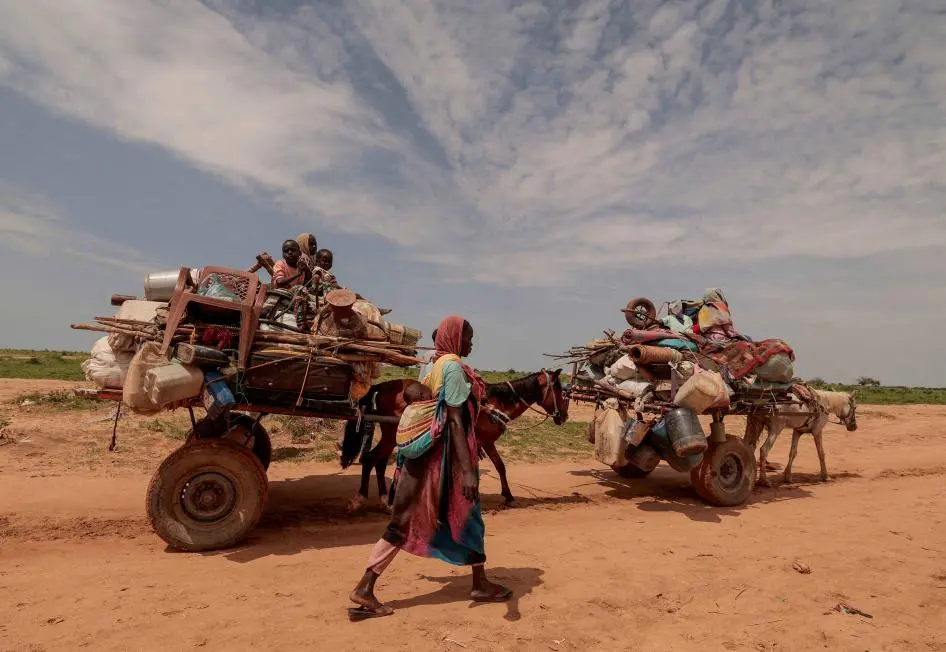
Environmental Issues in Darfur
Resource Scarcity and Degradation
Darfur’s ecosystem faces multiple stressors. Persistent droughts and erratic rainfall patterns have led to water scarcity, while unsustainable agricultural practices, overgrazing, and deforestation contribute to severe soil erosion and desertification. The degradation of land resources not only diminishes agricultural productivity but also exacerbates competition for water and fertile land. These environmental pressures have, in turn, acted as “threat multipliers” in a context already fraught with ethnic and political tensions.
Conflict-Driven Environmental Degradation
The protracted conflict in Darfur has accelerated environmental degradation. Displacement, the breakdown of traditional resource management systems, and the overexploitation of any remaining natural resources have collectively intensified the environmental crisis. Population movements—whether due to forced displacement or planned relocations—further stress fragile ecosystems; refugee camps, for example, often result in unplanned deforestation and soil erosion. This deterioration creates a vicious cycle where environmental degradation fuels more conflict and further strains the resource base.
Climate Change as a Driver
Darfur is increasingly affected by climate change impacts. Intensifying droughts, unpredictable rainfall, and extreme weather events not only undermine local agriculture and water availability but also heighten resource competition. This trend contributes to both immediate humanitarian crises and long-term social instability. The region’s vulnerability to climate change underscores the need for adaptive policies that can mitigate these risks while simultaneously addressing deeper socio-political challenges.
Environmental Policies in Darfur
National and Regional Policy Frameworks
In response to growing environmental degradation, Sudan’s government and international bodies have initiated policies aimed at sustainable natural resource management in Darfur. These policies often include:
- Land Rehabilitation Programs: Efforts to combat soil erosion and desertification through reforestation, terracing, and improved agricultural practices.
- Water Resource Management: Initiatives to enhance water harvesting, rehabilitate traditional irrigation systems, and develop small-scale dams, particularly targeted at sustaining agricultural and pastoral livelihoods.
- Integrated Natural Resource Management (INRM): Policies designed to harmonize the use of land, water, and forests through sustainable practices while integrating environmental considerations into broader economic and peacebuilding strategies.
However, the effectiveness of these policies is mixed. The weak institutional capacity, alongside the persistence of conflict and the erosion of customary governance systems, has often hindered policy implementation.
International and Donor Initiatives
A range of international agencies and non-governmental organizations (NGOs) have intervened to support environmental recovery and sustainable management in Darfur. Notably, the United Nations Environment Programme (UNEP) and organizations supporting rapid environmental assessments have helped identify critical areas for intervention. These measures include:
- Rapid Environmental Assessments (REA): Conducted to guide humanitarian response and recovery planning, these assessments have highlighted the urgency for integrated approaches that address both environmental damage and the needs of displaced populations.
- Peacebuilding Integration: Efforts to incorporate environmental rehabilitation into broader peace and recovery frameworks, recognizing that long-term stability depends on restoring ecological balance alongside social trust.
Policy Challenges and Implementation Issues
Institutional and Governance Limitations
One of the principal challenges is the mismatch between high-level policy frameworks and local governance realities. Traditional land management practices that once provided adaptive capacity have been undermined by centralized policies that do not always account for local context. Institutional fragmentation and political instability further reduce the effectiveness of environmental governance in Darfur.
Conflict and Political Instability
The ongoing conflict in Darfur remains a significant barrier to policy implementation. Displacement and inter-communal clashes disrupt efforts to enforce environmental regulations, and security concerns often sideline environmental priorities in emergency responses. Moreover, the politicization of resource management sometimes worsens tensions rather than helping to mitigate them 3.
Socio-Economic Constraints
Poverty, underdevelopment, and limited access to technology and financial resources further hinder the adoption of sustainable practices. Environmental policies frequently fail to reach the most vulnerable communities unless they are accompanied by initiatives that build local capacity and promote community-led resource management. Bridging this gap requires targeted interventions that combine top-down support with grassroots empowerment .
Recommendations for Strengthening Environmental Policies
To improve environmental outcomes in Darfur, the following integrated policy approaches are recommended:
- Enhance Local Participation:
- Empower community-based organizations to play a central role in managing natural resources.
- Integrate traditional ecological knowledge into formal policy frameworks to ensure more culturally relevant, adaptive solutions.
- Promote Integrated Resource Management:
- Implement INRM strategies that consider the interdependencies between agriculture, water, forestry, and biodiversity.
- Develop comprehensive land-use planning that aligns infrastructural development with conservation priorities.
- Strengthen Institutional Capacity:
- Invest in training and capacity-building for local governments and environmental agencies to improve policy implementation and monitoring.
- Foster partnerships between governmental bodies, international organizations, and local communities.
- Incorporate Conflict-Sensitive Approaches:
- Design environmental policies that explicitly address the feedback loop between resource degradation and conflict.
- Ensure equitable resource distribution to reduce inter-communal tensions and promote peacebuilding.
- Leverage International Support and Innovation:
- Utilize international funding and technical assistance to pilot innovative environmental restoration projects.
- Focus research on long-term monitoring to better adapt policies to evolving climatic conditions.
The environmental challenges in Darfur are multifaceted, deeply entwined with socio-economic vulnerabilities and protracted conflict. While policies have been put in place both at the national and international levels to address issues such as water scarcity, soil degradation, and deforestation, these strategies face significant implementation challenges. Bridging the gap between high-level policy frameworks and on-the-ground realities will require integrated, locally driven approaches that combine scientific innovation with traditional practices. Strengthening institutional capacity, promoting inclusive governance, and ensuring that environmental policies are conflict sensitive are critical steps toward fostering a more resilient and sustainable future in Darfur.