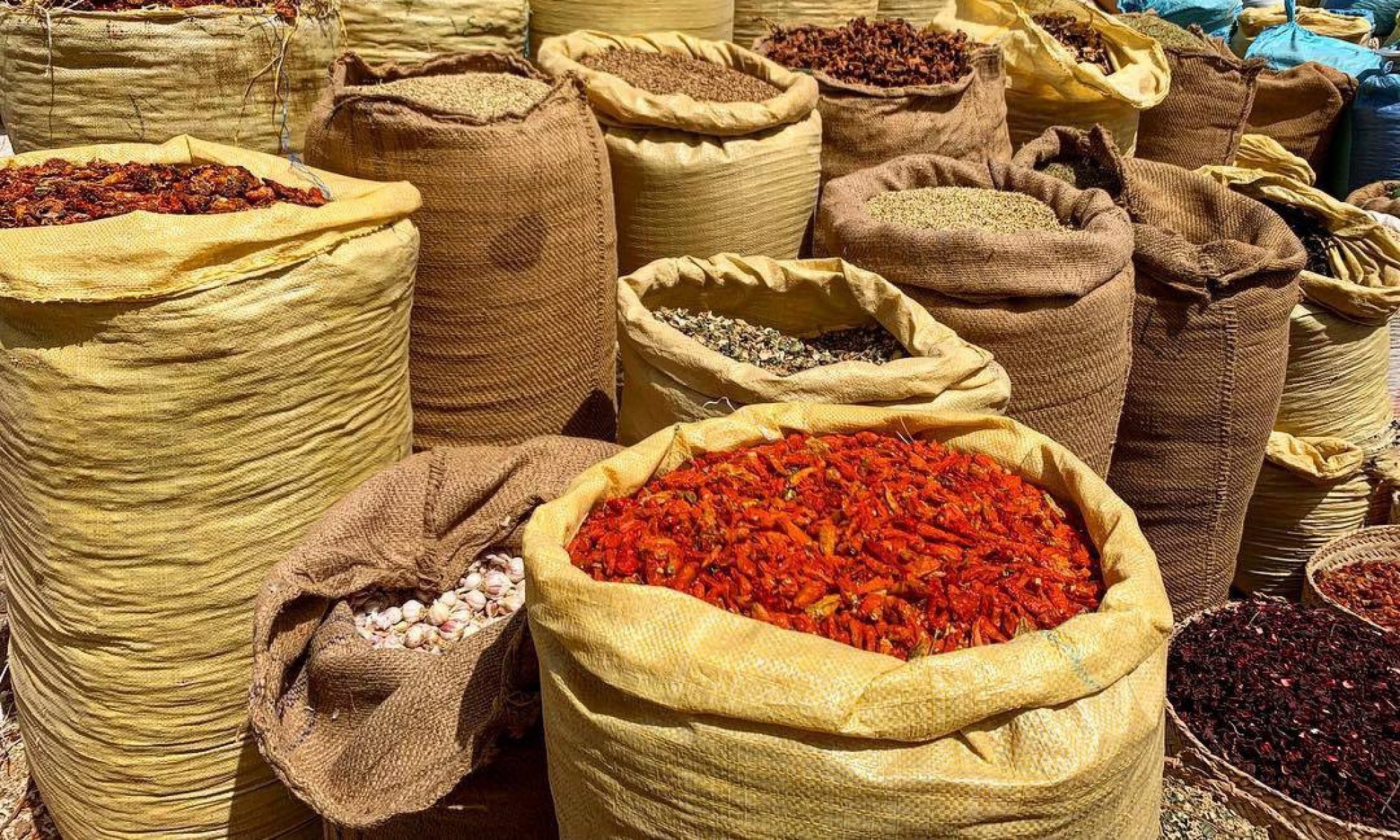

Darfur’s local markets have long been the beating heart of social and economic life in the region. Historically, markets have served as vibrant hubs where farmers, pastoralists, craftspersons, and traders exchange not only goods but also vital information for community survival. In towns like El Fasher and across other key urban centers, marketplaces have functioned as symbols of both entrepreneurship and resilience. Even though decades of conflict—intensified since the early 2000s and further escalated by the full-scale war beginning in 2023—have disrupted everyday life, local markets continue to operate as centers for the exchange of agricultural produce, livestock, and manufactured goods. They serve as meeting points where displaced populations and host communities converge, underlining the markets’ role in supporting livelihoods amid insecurity and rapid demographic changes, such as large-scale displacements and rapid urbanization.
The market ecosystem in Darfur is multifaceted. On one level, traditional market days provide a structured rhythm to life in the region. On another, informal roadside stalls and pop-up markets frequently emerge in response to shifting local needs and security conditions. Despite intermittent closures or violent interruptions—often due to targeted shelling and other conflict-related disruptions—these markets underscore the enduring ingenuity of Darfuri communities, who continually adapt to the challenges imposed by conflict conditions.
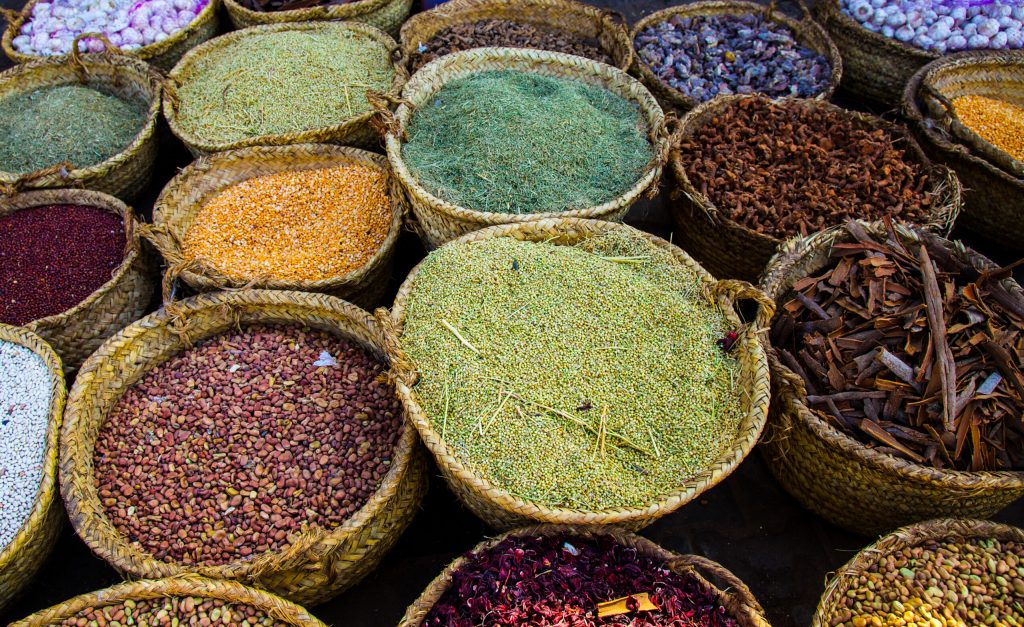
Key Products in Darfur’s Markets
Darfur’s markets reflect the region’s rich agricultural and pastoral traditions. Key products traded locally include:
- Agricultural Produce: Fruits, vegetables, cereals, millet, and sorghum form a significant part of daily transactions. Traditional crops such as peanuts, sesame, okra, and onions have also been well documented by studies focusing on Sudan’s value chains. These products not only constitute the basis for local consumption but also for trade with neighboring regions and countries.
- Livestock Commodities: Pastoralism remains a cornerstone of the Darfuri economy. Cattle, camels, sheep, and goats are traded in both formal livestock markets and through more informal channels. Livestock trade, despite being disrupted during periods of intense conflict, retains a central role for both economic sustenance and cultural identity.
- Artisanal Goods and Handicrafts: Alongside food products, many markets also feature handmade crafts, textiles, and other artisanal productions that have traditional and cultural significance.
- Imported Goods and Cross-Border Trade Items: Certain urban centres, particularly those with robust market activities like El Fasher, also function as conduits for goods arriving from neighboring regions, reflecting broader trade networks that link Darfur to Chad, Libya, and central Sudan.
These key products not only support daily sustenance but also act as critical links in regional value chains that help maintain economic interdependence among communities.
Market Dynamics and Challenges
Market dynamics in Darfur are heavily influenced by both the legacy of prolonged conflict and the strategies communities deploy to navigate an ever-changing environment. Key challenges include:
- Conflict-Induced Disruptions: Local markets have often been directly affected by violence. For example, incidents of targeted shelling—such as the reported attacks on livestock markets around El Fasher—disrupt routine trading activities, lead to loss of goods and lives, and erode trust among market participants. Such acts of violence not only deter traders but also cause structural damage that delays the recovery of local trade hubs.
- Economic Instability and Price Volatility: Insecurity and broader conflict lead to erratic supply chains and fluctuating market prices. Disruptions in production and transportation, coupled with inflationary pressures, make it challenging for traders and consumers alike to maintain stable economic practices.
- Infrastructure and Access Issues: With frequent attacks and consequent displacement, infrastructure suffers. Poor road networks, damaged storage facilities, and limited access to secure market spaces further hinder the smooth functioning of trade. The mobility of producers and buyers, often critical in a region where pastoral and agricultural cycles are interdependent, becomes severely compromised.
- Social Fragmentation and Trust Deficits: Prolonged conflict has deepened social divisions. In markets where different ethnic or livelihood groups (for example, between agriculturalists and pastoralists) have historically depended on mutual trust, conflict can erode these ties, reducing market efficiency and cooperation.
- Environmental Challenges: Increasingly unpredictable rainfall patterns and drought—exacerbated by climate change—further impact production levels. Such environmental pressures heighten the vulnerability of many communities that depend on consistent harvests and livestock health for income.
Collectively, these dynamics signal the urgent need for adaptive measures that can buffer markets and communities against ongoing shocks while restoring confidence in trade networks.
The Importance of Resilience and Peacebuilding Through Trade
Trade in Darfur is more than a mere economic activity—it is also a potent instrument for peacebuilding. Markets have historically functioned as spaces where different community groups interact, fostering links of trust and economic interdependence that can help mitigate tensions. Amidst conflict, the very act of buying and selling has enabled local populations to maintain critical social networks. For instance, evidence from South Darfur indicates that despite periods when hunger was used as a weapon, robust local trade enabled communities to harvest at near pre-war levels, ensuring both food availability and economic stability.
Through everyday interactions at market stalls, longstanding enmities are sometimes softened by shared economic interests. These interactions, when supported by community-based monitoring platforms and peace initiatives, have the potential to serve as a neutral ground for dialogue. Trade facilitates cooperation between traditionally competing groups, such as herders and farmers, by embedding mutual reliance in their everyday livelihoods. In this way, local markets act as grassroots peacebuilders, creating a framework where conflict resolution can occur naturally through economic collaboration and trust building.
Moreover, trade-related peacebuilding initiatives—including projects that digitize market monitoring or strengthen local value chains—offer pathways to both rebuild damaged economic structures and reinforce community resilience. They serve as a reminder that, even in the midst of conflict, economic integration can be harnessed as a tool to stabilize communities and encourage peaceful coexistence.
Recommendations for Stabilization
Given the challenges and the potential of local markets to promote peace, several recommendations can be put forward to aid in the stabilization and recovery of Darfur’s market ecosystem:
- Strengthen Market Infrastructure and Security:
- Invest in rebuilding market infrastructure—such as secure market enclosures, storage facilities, and reliable transport networks—to ensure traders have safe spaces to operate.
- Enhance security measures by coordinating with local authorities and peacekeeping forces to establish protected market days and safe travel corridors for goods and personnel.
- Support Community-Based Market Monitoring:
- Bolster existing initiatives like the community-based Market Monitoring and Trade Analysis (MMTA) project. These platforms should be further developed with technical and financial assistance to provide real-time data on supply and demand shifts, enabling quicker responses to emerging crises.
- Create space for local producers, traders, and community-based organizations (CBOs) to actively contribute to market data collection and analysis.
- Invest in Capacity-Building and Value Chain Development:
- Provide training programs tailored for local vendors and agricultural producers that focus on value chain management, quality control, and conflict-sensitive trade practices.
- Facilitate access to micro-finance and entrepreneurial support that helps small traders invest in better production methods and market diversification.
- Promote Policy Interventions and Land Rights Reforms:
- Engage governmental and international agencies to strengthen legal and customary frameworks for land administration. Secure property rights are fundamental for both long-term economic development and stabilization, as noted by UN-Habitat assessments.
- Establish participatory policy platforms where market participants, local leaders, and governmental representatives come together to design trade policies that are inclusive and conflict sensitive.
- Encourage Trade-Linked Peacebuilding Initiatives:
- Leverage local markets as hubs for inter-communal dialogue. Structured forums held in market settings can help bridge divides between competing groups.
- Implement programs that subsidize or support cross-community trade initiatives, ensuring that diverse groups have an equal stake in economic activities that foster long-term peace.
- Facilitate Regional and International Trade Connectivity:
- Develop mechanisms for linking local markets in Darfur to broader regional value chains, which can shield local traders from isolated economic shocks.
- Use cross-border trade collaborations to stabilize local economies by diversifying market access and mitigating dependency on a single local system.
These recommendations call for coordinated action between local communities, non-governmental organizations, government sectors, and international agencies. In contexts where conflict may continue to disrupt traditional trade, having adaptive and multi-stakeholder approaches is essential for sustained stabilization and growth.
Local markets in Darfur encapsulate both the region’s enduring economic traditions and the dynamic challenges posed by protracted conflict. While the market landscape is fraught with disruptions—from violent attacks to environmental unpredictability—the resilience displayed by local traders and communities highlights a potent avenue for peacebuilding. In reconnecting communities through safer, more inclusive, and robust market systems, Darfur can gradually transform these hubs of exchange into foundations for long-term stability and reconciliation. Moving forward, continuous support for market infrastructure, community-based monitoring, capacity-building, policy reform, and trade-linked peace initiatives will be instrumental in stabilizing the region and laying the groundwork for renewed economic and social growth.