
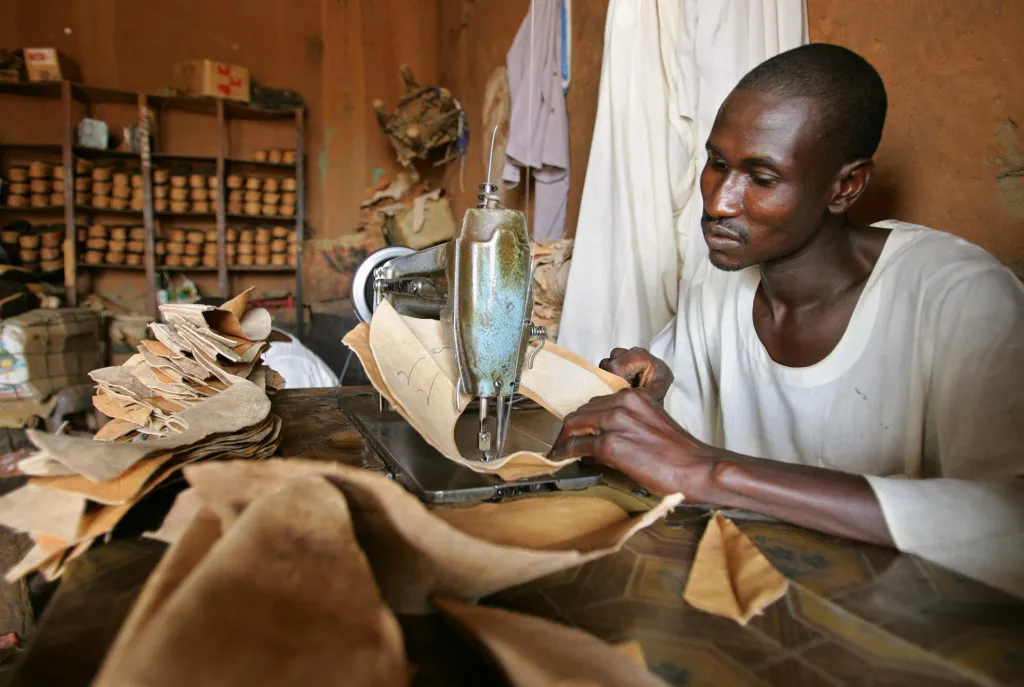
Leather works have long been a vital part of Darfur’s cultural and economic fabric. Traditional Darfuri artisans—working in family-run or community‐based workshops—produce a range of leather items that serve both utilitarian and ceremonial purposes. From handcrafted shoes (known locally as “markoob”) to decorative items and embellishments used on livestock, these products are not only expressions of unique cultural identity but also potential vehicles for economic renewal. Despite decades of conflict and infrastructural challenges, leather works in Darfur continue to reflect enduring skills and heritage. Revitalizing this sector could aid in job creation, cultural preservation, and the development of value-added industries that serve regional and international markets.
Global Market Overview for Leather Works
The international leather industry is a mature, multi-billion–dollar market encompassing raw hides to high-end finished goods. Key trends shaping the global arena include:
- Market Scale and Growth: Global leather production has generated revenues in the tens of billions of dollars, with segments such as artisanal, ethically produced, and sustainable leather goods gaining increased consumer interest. Demand, in many parts of the world, is driven by rising disposable incomes, changing fashion tastes, and an expanding middle class.
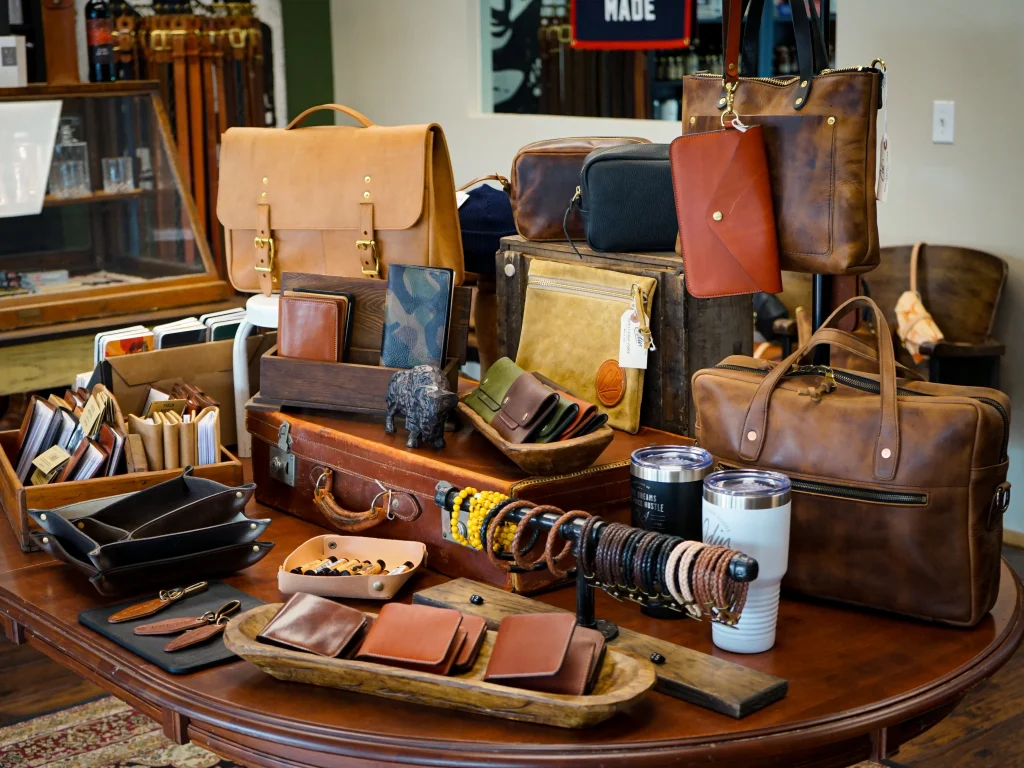
- Sustainability and Artisanal Production: Consumers in Europe, North America, and parts of Asia are increasingly focused on ethically sourced and eco-friendly products. Artisanal leather goods—emphasizing small-batch craftsmanship, natural finishes, and cultural authenticity—can command premium prices as niche items in a global marketplace.
- Digital Integration and Market Access: Advances in digital marketing and e-commerce platforms have redefined market entry strategies for small-scale producers. Even regions with traditionally informal output can now connect directly with global consumers via online platforms, bypassing conventional intermediaries.
This evolving global market environment favors producers who can articulate both quality and cultural uniqueness—a promising context for Darfur’s leather works if local artisans receive adequate support and investment.
Current Status of Leather Works Production in Darfur
Traditional Production Methods
In Darfur, leather work is steeped in tradition. Artisans typically employ manual processing techniques using locally sourced animal hides. Key features of production include:
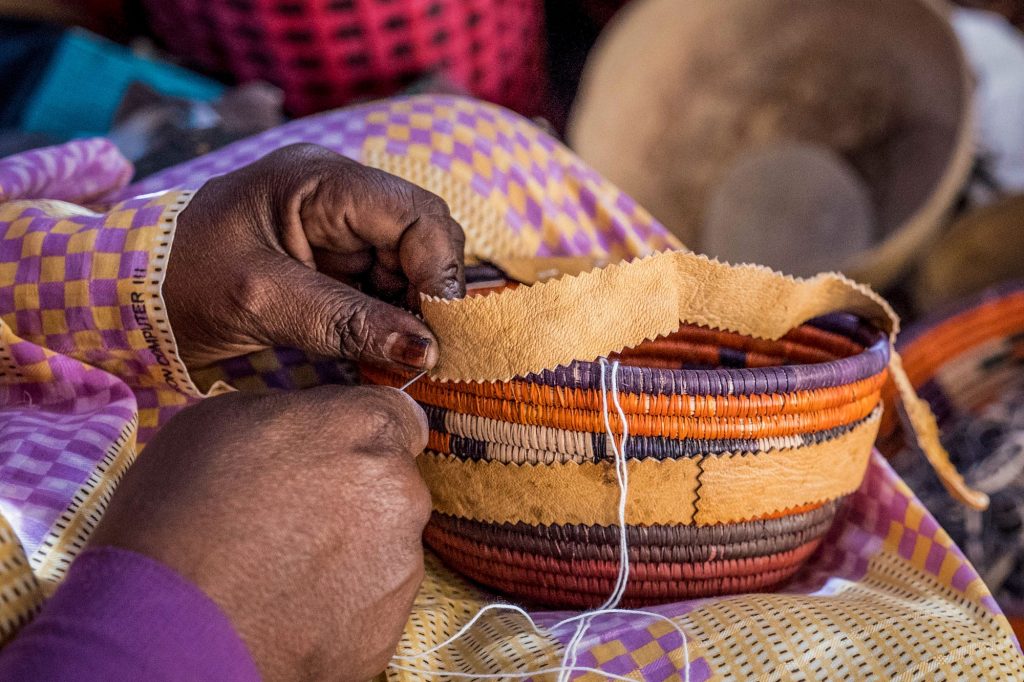
- Handcrafted Processing: Traditional tanning and leather-working methods are passed down through generations, enabling the creation of distinctive, culturally imbued products. Despite the labor-intensive nature of these methods, these techniques yield products that possess unique textures and designs.
- Cultural Integration: Leather items are central to everyday and ceremonial life. For example, leather shoes, or markoob, and decorative leather goods—such as saddles, scarves, or embellishments for livestock—serve as both utilitarian tools and status symbols during festivals and important social events.
Evolving Production Amid Conflict
Although the region has witnessed prolonged conflict, skilled Darfuri craftsmen have maintained production:
- Resilience in Adversity: Even with infrastructure and security challenges, tanneries in some urban centers (for example, in Nyala) have incorporated modest mechanization and modern processing techniques alongside traditional methods. This mixture of innovation and heritage has enabled ongoing production despite instability.
- Informal Value Chains: Much of the leather produced in Darfur is traded through informal channels, reaching local markets and, in some cases, extending into neighboring countries such as Chad. While these networks preserve traditional exchange processes, they often hinder access to broader formalized market systems.
Key Products and Locations
Key Products
Darfur’s leather works span a variety of traditional and functional goods, including:
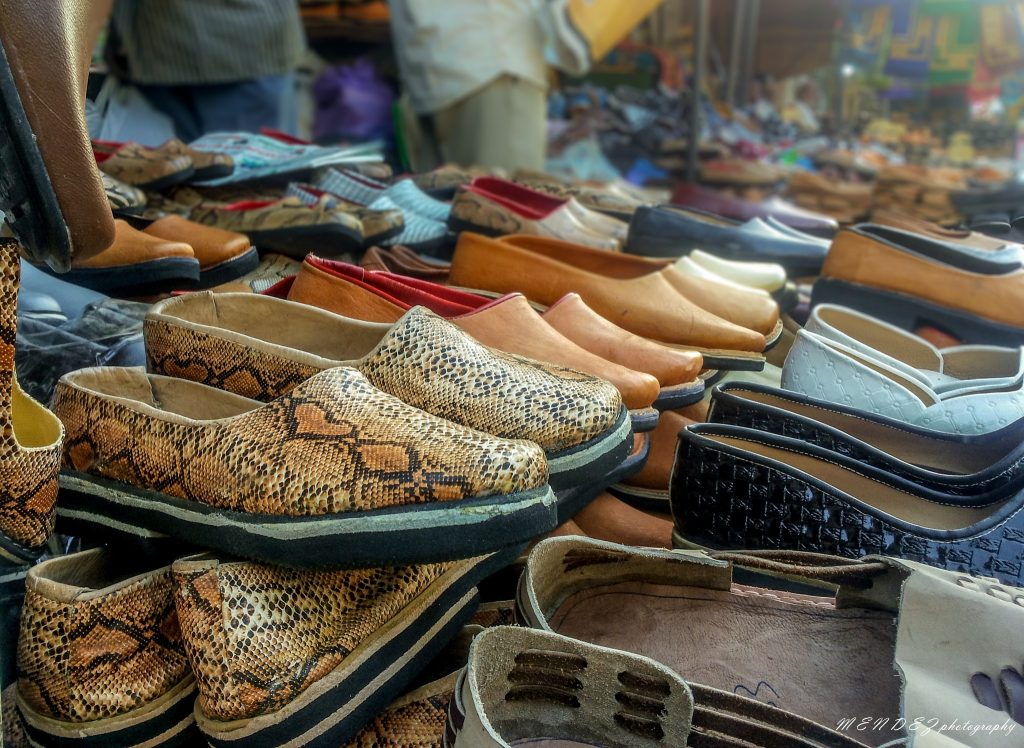
- Leather Footwear (Markoob): Traditionally crafted shoes are significant in local culture. These items are popular as both everyday items and as gifts for special occasions.
- Decorative and Functional Leather Goods: This category includes belts, bags, and accessories often used in traditional dress. Other products include leather embellishments used on livestock (such as saddles and scarves), which hold cultural importance during public ceremonies.
- Artisanal Embellishments: Intricate decorative items that showcase the unique artistry of Darfuri craftsmen—these products often serve as markers of ethnic identity and social status.
Key Production Locations
Leather works production is concentrated in several strategic areas in Darfur:
- Nyala (South Darfur): As one of the region’s larger urban centers, Nyala houses modernized tanneries and workshops that supply local and regional markets. Better market access here permits the aggregation of high-quality artisanal products.
- El Fasher (North Darfur): Historically a hub of craftsmanship, El Fasher continues to be a significant center for leather goods. Despite infrastructural challenges, the city remains known for intricate leather handcrafts that resonate with cultural narratives.
- Rural Communities: Many small-scale production units operate in decentralized rural settings dealing primarily with traditional techniques. Although these communities excel in preserving time-honored practices, they often have limited integration with formal market structures.

Economic Potential
The leather works sector in Darfur presents broad opportunities for economic growth:
- Niche Market Positioning: With its distinct cultural heritage and craftsmanship, Darfuri leather products—if properly branded (for example, through a “Made in Darfur Leather” label)—could appeal to international buyers seeking artisanal and sustainable products. Premium pricing is a viable prospect in niche markets.
- Employment and Rural Development: Revitalizing the sector can generate significant employment across various stages of production—from hide processing to finished goods manufacturing—and therefore support broader rural development initiatives.
- Export Potential and Value Addition: Currently, most leather produced in Darfur is sold in raw or minimally processed forms. Investing in value addition (for instance, complete integration of tanneries and product design centers) could enable local producers to manufacture finished goods that overcome regional barriers and tap into international markets.
- Cultural Preservation and Social Impact: Beyond immediate economic metrics, supporting leather works helps preserve cultural heritage and promotes community identity. This in turn can enhance social cohesion in post-conflict recovery scenarios.
Challenges & Opportunities
Challenges
- Security and Conflict: Ongoing regional instability and sporadic attacks hamper secure access to markets and consistent production.
- Infrastructure Deficits: Poor transportation networks, inadequate electricity, and lack of modern processing facilities limit efficiency and quality control.
- Fragmented Informal Production: Decentralized and informal production practices make collective bargaining, quality standardization, and market expansion challenging.
- Limited Access to Investment and Technical Expertise: Inadequate credit facilities, lack of training programs, and low levels of mechanization restrict the ability to scale up production and value addition.
Opportunities
- Growing Global Demand: International trends favor authentic, sustainable, and ethically produced leather goods. Darfuri artisanal products are well positioned to meet this demand if supported by standardized processing and effective branding.
- Digital and E-Commerce Platforms: Online marketplaces provide direct access to global consumers. Through digital storytelling and social media, Darfuri leather products can reach niche markets without traditional intermediaries.
- Cooperative Models and Value Chain Integration: Establishing cooperatives among local artisans can help pool resources, streamline production, and boost collective bargaining power. Integrated value chains—from raw material processing to finished goods—can open up higher-value markets.
- Government and Donor Support: Post-conflict reconstruction initiatives and targeted investment from national agencies or international donors could create the policy environment and infrastructure improvements necessary to modernize the sector.
Recommendations
To unlock the potential of the leather works sector in Darfur, a coordinated approach is needed:
- Infrastructure Development:
- Local Processing Centers: Invest in establishing community-level tanneries and processing facilities equipped with modern technology for quality control and value addition.
- Transportation and Utilities: Improve road networks, secure reliable electrical supply, and establish storage solutions to reduce post-harvest loss and ensure smooth product flow.
- Capacity Building and Training:
- Technical Training: Organize skills development programs to introduce modern tanning, design, and quality assurance techniques, while preserving traditional craftsmanship.
- Access to Finance: Facilitate microcredit and investment opportunities to enable the adoption of technology and expansion of production.
- Cooperative Formation and Value Chain Integration:
- Artisan Cooperatives: Encourage the formation of cooperatives to combine resources, implement collective quality standards, and negotiate effectively with national and international buyers.
- Integrated Production: Develop policies that promote the full integration of the leather value chain—from raw hide processing to the manufacturing and marketing of finished goods.
- Digital Market Linkages:
- E-Commerce Platforms: Leverage online platforms and social media channels to create brand awareness (e.g., “Made in Darfur Leather”) and connect directly with global consumers.
- Trade Fairs and Exhibitions: Organize participation in regional and international trade fairs to showcase Darfuri leather works and build networks with potential investors.
- Policy Support and Sustainability Measures:
- Government Incentives: Advocate for supportive government policies, subsidies, or tax incentives that encourage investment in the leather sector.
- Sustainable Practices: Develop certification schemes for eco-friendly and ethical production practices, ensuring that raw material sourcing is sustainable and environmentally responsible.
The leather works industry in Darfur is a repository of rich cultural heritage and artisanal skill that remains resilient despite decades of conflict. With its unique offering of traditional products—from handcrafted footwear and decorative items to leather embellishments—Darfuri artisans have the potential to tap into both local and niche international markets. Strategic investments in infrastructure, capacity building, cooperative frameworks, and digital marketing will be critical in overcoming current challenges and unlocking economic potential. By striking the right balance between modern technology and traditional techniques, and by leveraging supportive policies and global market trends, Darfur’s leather works sector can emerge as a key driver for sustainable economic development and cultural preservation in the region.