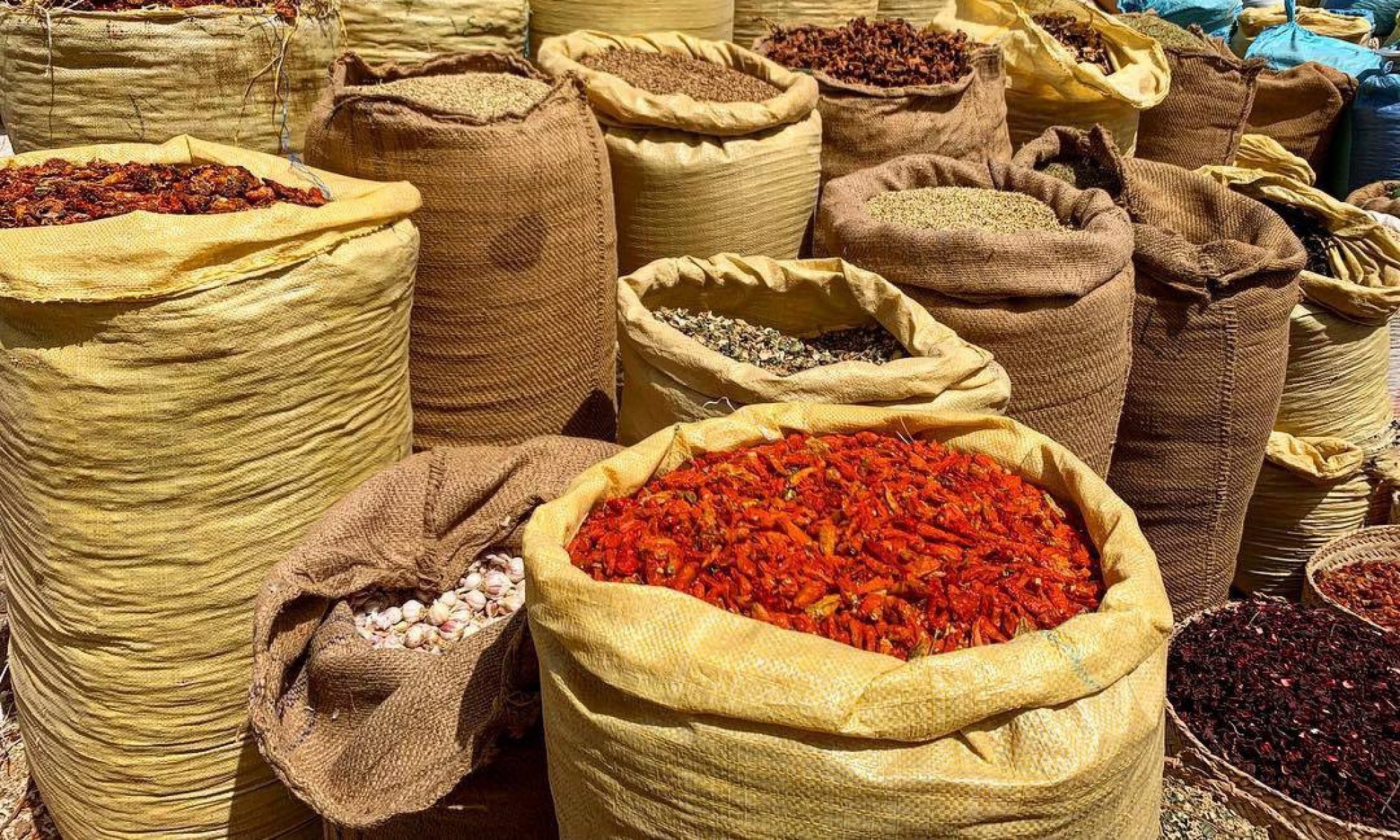

Darfur boasts a rich tradition of handmade products that reflect its diverse cultures, environmental heritage, and resilient local economies. From intricate leather goods and traditional textiles to pottery, woven baskets, and woodcrafts, handmade products in Darfur serve as both living expressions of cultural identity and important economic commodities. This report offers a comprehensive overview of the handmade products sector in Darfur, exploring its historical background, the diverse range of products, environmental and socio-cultural influences, economic impact, as well as the challenges and opportunities facing artisans today.
Handmade products in Darfur are more than mere commodities—they are cultural artifacts deeply embedded in the history and daily life of the region’s communities. For generations, local artisans have honed traditional techniques to create items that are visually striking, practically useful, and culturally significant. These products have traditionally been sold in local markets and are increasingly finding recognition in national and international markets. The interplay between Darfur’s unique environmental setting, its ethnic diversity, and traditional knowledge has resulted in a body of work that not only supports livelihoods but also reinforces cultural resilience amid adversity.
Historical and Cultural Background
Ethnic Diversity and Traditional Practices
Darfur is home to numerous ethnic groups—including the Fur, Zaghawa, and Masalit—each contributing distinctive styles and techniques to the region’s craftsmanship. Traditional practices such as leather tanning, weaving, pottery making, and metalworking have been passed down through generations. Artisans draw on a wealth of indigenous knowledge that includes:
- Leather Crafting: Skillful creation of items like shoes (commonly known as “markoob”), belts, bags, and ornate decorative items. This craft is steeped in tradition and is a social interface across ethnic boundaries.
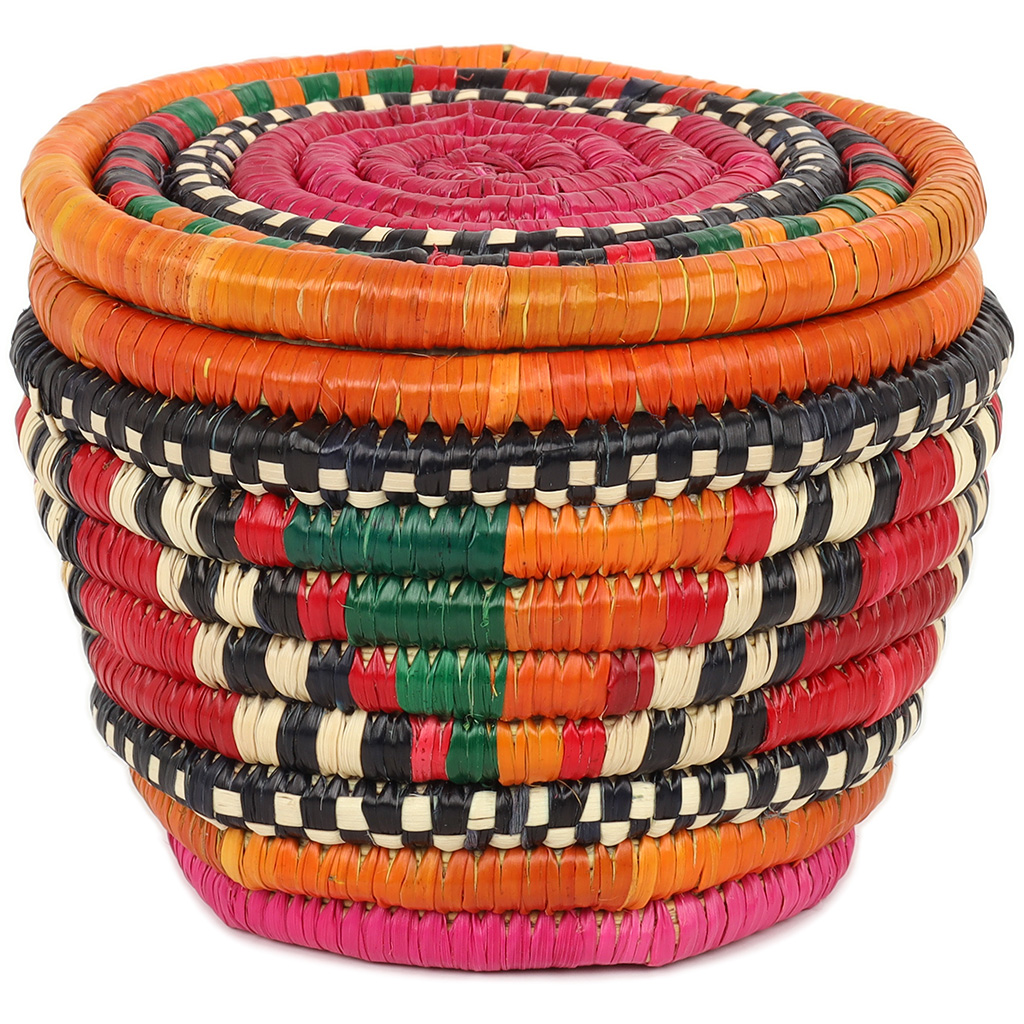
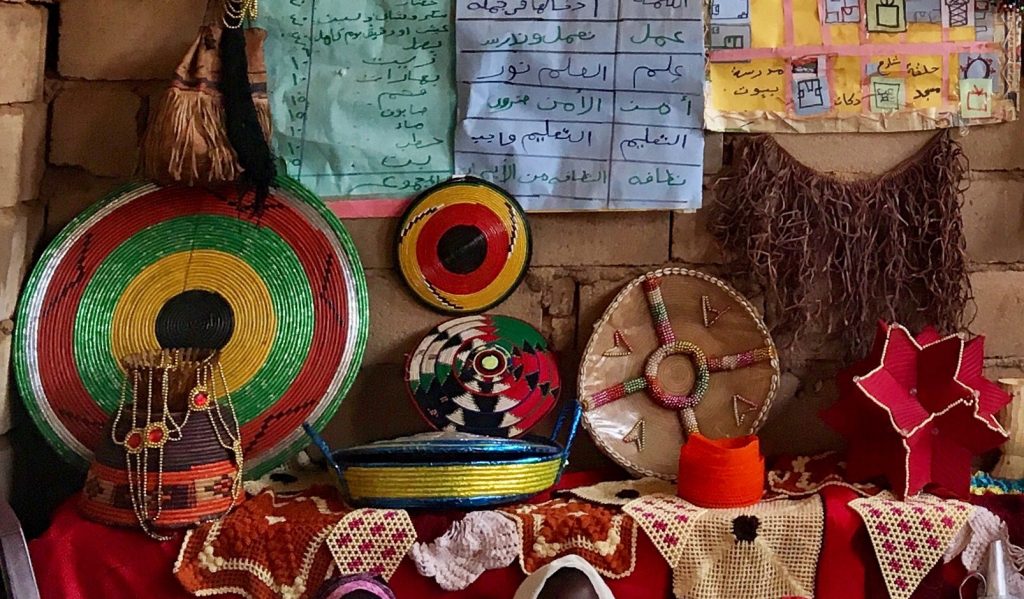
- Textile Weaving and Basketry: Techniques using locally sourced palm fronds, natural fibers, and dyes to produce colorful woven baskets, mats, and traditional garments.
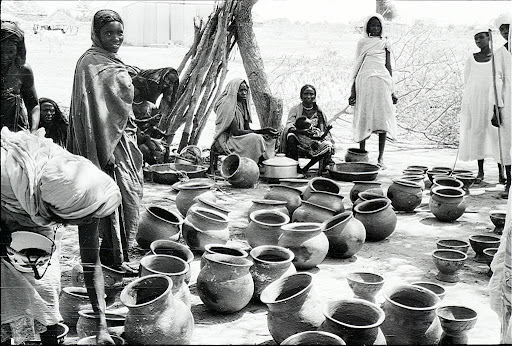
- Pottery and Ceramics: Hand-shaped and hand-painted pottery that serves both utilitarian and ceremonial purposes.
Evolution of Handmade Products
Historically, handmade products played a central role in everyday life—from facilitating pastoral lifestyles to serving as markers of social status and cultural identity. Over the years, these crafts have adapted to changing environmental conditions and market demands, incorporating modern techniques while retaining traditional motifs and methods. Initiatives such as the “Made in Darfur” project highlight local products and foster market linkages by promoting artisanal excellence and cultural authenticity.
Categories of Handmade Products
Leather Goods
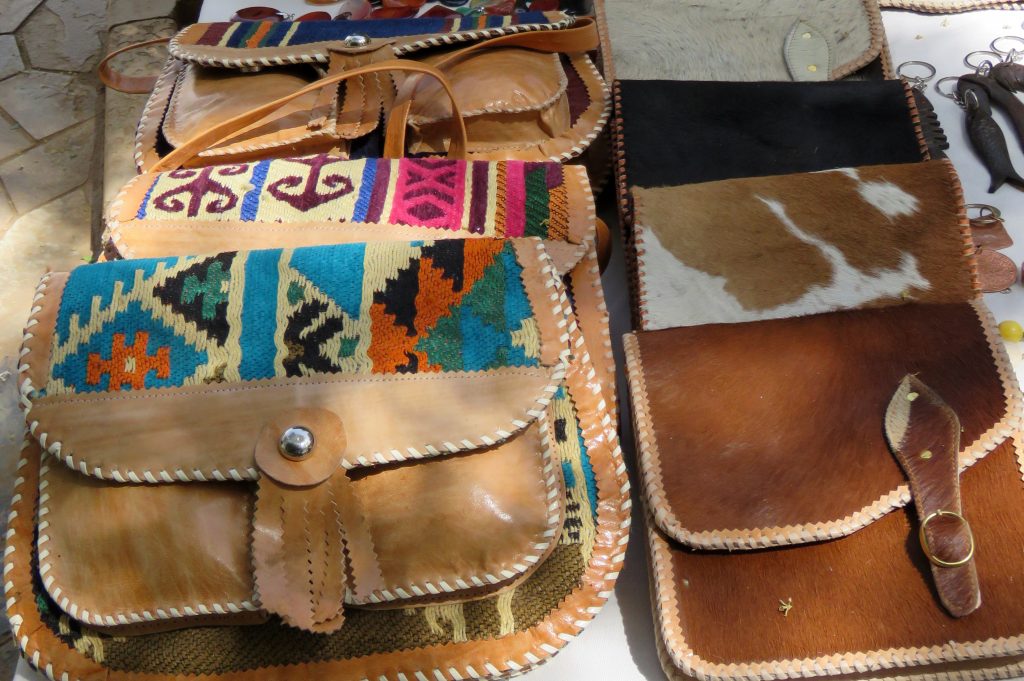
Leather craftsmanship in Darfur is one of the most renowned sectors. Artisans produce a range of products, including:
- Traditional Shoes (“Markoob”): These handcrafted shoes, made from locally sourced leather, vary by region and reflect both functional and aesthetic values.
- Decorative Items: Leather is also used to create belts, bags, and ornamental accessories that are popular both locally and in export markets.
The leather industry demonstrates harmony between environmental awareness and artisanal skill. Despite challenges posed by conflict and infrastructural limitations, modern tanneries have been established that blend traditional techniques with improved machinery and quality controls, ensuring that Darfur’s leather products meet competitive international standards .
Weaving, Textiles, and Basketry
Textile products are another pillar of Darfur’s handmade offerings:
- Woven Baskets and Mats: Utilizing palm fronds and natural fibers, artisans create baskets and mats that are both decorative and functional.
- Traditional Clothing and Accessories: The weaving techniques are also applied to produce fabrics used in traditional dress, which often incorporate rich cultural motifs and natural dyes.
The renewal of traditional textile practices is supported by community initiatives that emphasize eco-friendly and sustainable production methods, ensuring that the craft adapts well to the local environmental context .
Pottery and Ceramics
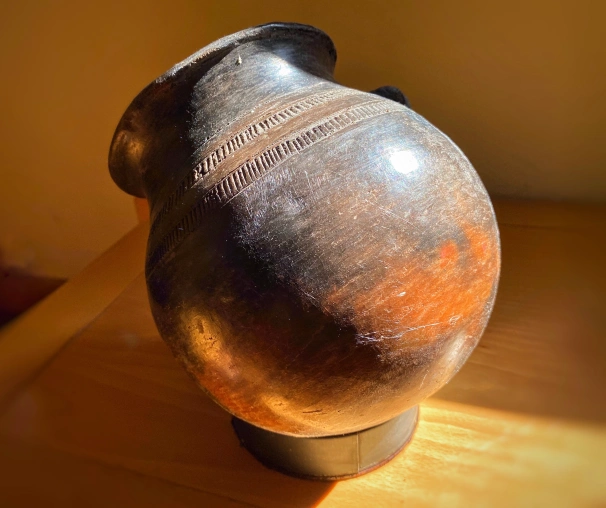
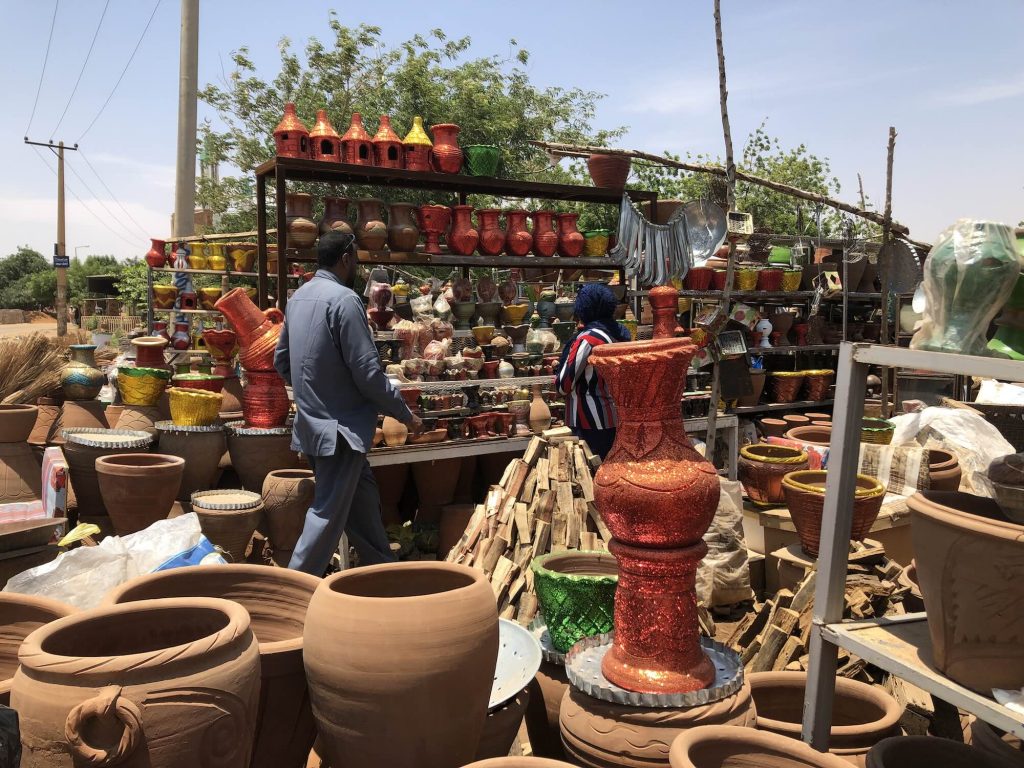
In many parts of Darfur, pottery remains a vital craft:
- Functional Pottery: Water pots, cooking vessels, and storage jars, all of which are produced using local clay and traditional firing techniques.
- Decorative Ceramics: Items that showcase intricate painted designs and patterns, often used in celebrations, rituals, and as household decor.
These products not only serve everyday needs but also represent an artistic narrative that reflects the interplay between nature and cultural expression.
Other Crafts
Additional handmade products include:
- Woodcraft and Carvings: Items ranging from household utensils to religious artifacts, carved from locally sourced wood.
- Metal Works: Handmade jewelry, utensils, and decorative objects that combine traditional designs with functional artistry.
Environmental and Socio-Cultural Influences
Environmental Impact on Production
The raw materials for many handmade products in Darfur are directly derived from the local environment:
- Sustainable Resource Use: Artisans are often reliant on locally sourced materials such as leather from indigenous livestock, palm fronds from naturally occurring groves, clay from local deposits, and wood from regional forests. The sustainable management of these resources is both a challenge and a necessity.
- Adaptation to Environmental Stress: In regions where desertification and water scarcity pose significant challenges, traditional production methods are evolving to incorporate eco-friendly practices. For example, water-efficient tanning techniques and natural dyes extracted from indigenous plants are becoming more common.
Socio-Cultural Significance
Handmade products in Darfur are imbued with cultural meaning:
- Cultural Identity and Heritage: These products serve as tangible expressions of ethnic identity and are vital to the preservation of traditional knowledge. They are featured in festivals, ceremonies, and everyday life, reinforcing a sense of belonging and community continuity.
- Economic Empowerment: The production and trade of handmade goods offer crucial income opportunities for local artisans, especially among women and youth, thereby contributing to broader socio-economic stability in the region.
- Market Dynamics and Local Pride: Initiatives that promote “Made in Darfur” and similar campaigns have helped foster a sense of pride in local craft traditions, encouraging community-based tourism and supporting local economies.

Economic Impact and Market Prospects
Local and Regional Markets
Handmade products play a vital role in Darfur’s local economy:
- Job Creation: The sector provides employment in rural areas where other economic opportunities are limited. It supports not just artisans but also ancillary services such as raw material supply, transportation, and market management.
- Cultural Tourism: Local crafts attract interest from cultural seekers and tourists, enhancing the visibility of Darfur’s rich heritage and potentially spurring investments in artisan communities.
International Trade and Export Potential
Despite challenges such as political instability and infrastructural deficits, Darfur’s handmade products have found markets beyond local borders:
- Export Opportunities: Artisanal leather goods, textiles, and pottery have caught the eye of international buyers looking for authentic, culturally-rich products.
- Brand Development: Efforts to build recognizable brands that highlight the unique story and quality of Darfur’s handmade products are underway. Such initiatives help create value-added products that can command premium prices in international markets.
Challenges and Opportunities
Challenges
- Infrastructural Limitations: Poor transport and communication networks can hinder the timely distribution of handmade products both within and outside the region.
- Resource Scarcity: Environmental degradation may limit the availability of high-quality raw materials, compelling artisans to seek sustainable alternatives.
- Political Instability: Ongoing conflict and political uncertainty can discourage investment and disrupt established supply chains and market access.
- Market Competition: Global competition from mass-produced goods poses a significant threat to the viability of handcrafted products.
Opportunities
- Sustainable Development Initiatives: Support from local and international NGOs can help promote sustainable practices and provide capacity-building workshops for artisans.
- Digital Marketing and E-Commerce: The increasing accessibility of digital platforms offers artisanal communities new avenues to market their products globally, bypassing traditional, often inefficient trade channels.
- Cultural Preservation Programs: Government and community-led initiatives that focus on preserving traditional practices can revitalize interest in handmade products, ensuring that artisanal techniques are passed on to future generations.
Recommendations
- Invest in Infrastructure: Improve transport and communication networks to facilitate smoother market access for handmade products.
- Promote Sustainable Practices: Encourage the adoption of eco-friendly production methods that preserve local resources. This can include training programs in sustainable resource management and modern yet traditional techniques.
- Foster Digital Integration: Develop e-commerce platforms and digital marketing strategies to help artisans reach national and international markets.
- Enhance Policy Support: Advocate for government policies and initiatives that protect and promote local craft industries, including tax incentives, grants, and technical assistance programs.
- Build Partnerships: Establish collaborations between local communities, NGOs, and international organizations to secure funding, technical support, and market development assistance.
- Cultural Branding: Leverage local heritage as a unique selling proposition to create strong, recognizable brands for Darfur’s handmade products.
Conclusion
Handmade products in Darfur represent a vibrant intersection of tradition, environmental heritage, and economic opportunity. These crafts are not only vital for preserving cultural identity but also serve as engines of local economic development. Despite the challenges posed by infrastructural deficits, environmental stress, and political instability, Darfur’s artisanal sector holds significant promise. With targeted investments in sustainable practices, digital integration, and supportive policy frameworks, Darfur can harness its rich tradition of handmade products to drive cultural empowerment, economic growth, and social resilience.