
Darfur’s economy has long been shaped by decades of conflict, yet its resilient communities continue to sustain livelihoods through traditional industries, informal trade networks, and emerging artisanal sectors. For potential investors, understanding both the severe challenges and untapped opportunities is vital. Despite persistent insecurity, markets in Darfur have demonstrated adaptive capacity that may offer long-term prospects for growth if stability, infrastructure, and governance continue to improve.

The Current Economic Situation in Darfur
Since the onset of a renewed and intensified conflict—escalated in April 2023—Darfur’s economic landscape has been increasingly volatile. Violent disruptions, compromised infrastructure, and restrictions on trade routes have led to a marked decline in purchasing power and market integration. Areas once known for robust agricultural production and lively trade now face recurrent instability and humanitarian challenges. Investors must therefore account for both the inherent risks created by ongoing insecurity and the need for conflict-sensitive approaches when considering involvement in the region.
Main Industries and Economic Activities in Darfur
Despite conflict-related setbacks, a handful of core industries continue to anchor Darfur’s economy:
- Agriculture and Livestock: The vast majority of Darfuri households depend on agriculture and livestock rearing. Regional products—including grains, fruits, and vegetables—are cultivated using traditional methods and sold at local markets.
- Artisanal and Organized Gold Mining: With the decline of oil revenues in Sudan over the past decade, gold mining has emerged as a crucial industry. Both organized and artisanal mining are significant; although often accompanied by environmental and ethical challenges, they provide vital foreign currency earnings and employment opportunities.
- Local Trade and Informal Commerce: Traditional market activities remain essential, with traders moving agricultural commodities, livestock, and artisanal goods throughout the region.
The resilience of these sectors under extreme conditions signals latent potential provided that stabilization efforts and supportive reforms are implemented.
Characteristics of Local Markets in Darfur
Local markets in Darfur are both the economic lifeblood and social hubs for the population. Key features include:
- Vibrancy and Resilience: Even amid conflict, marketplaces in centers like El Fasher and Kutum bustle with activity. They serve as critical nodes for the exchange of necessities as well as culturally significant social interactions.
- Informality and Adaptability: Due to constant disruptions—ranging from irregular trading days to sporadic closures caused by security threats—traders have developed informal ways to connect buyers and sellers, often relying on community networks.
- Supply Chain Volatility: Fluctuations in product availability and prices are common, driven by both seasonal factors and conflict-induced access restrictions.
- Cross-Border Dynamics: Several markets also function as conduits for trade with neighboring countries such as Chad and Libya, adding a regional dimension to their operation.
For investors, these characteristics highlight the potential for targeted interventions—such as improved market infrastructure and digital platforms—to stabilize and modernize trade activities.
Unique Local Products and Industries
Darfur’s cultural heritage and natural resources nurture a range of unique products and industries, including:
- Traditional Handicrafts and Textiles: Local communities produce distinctive artisanal goods—hand-woven textiles, pottery, and decorative crafts—that reflect centuries of cultural tradition.
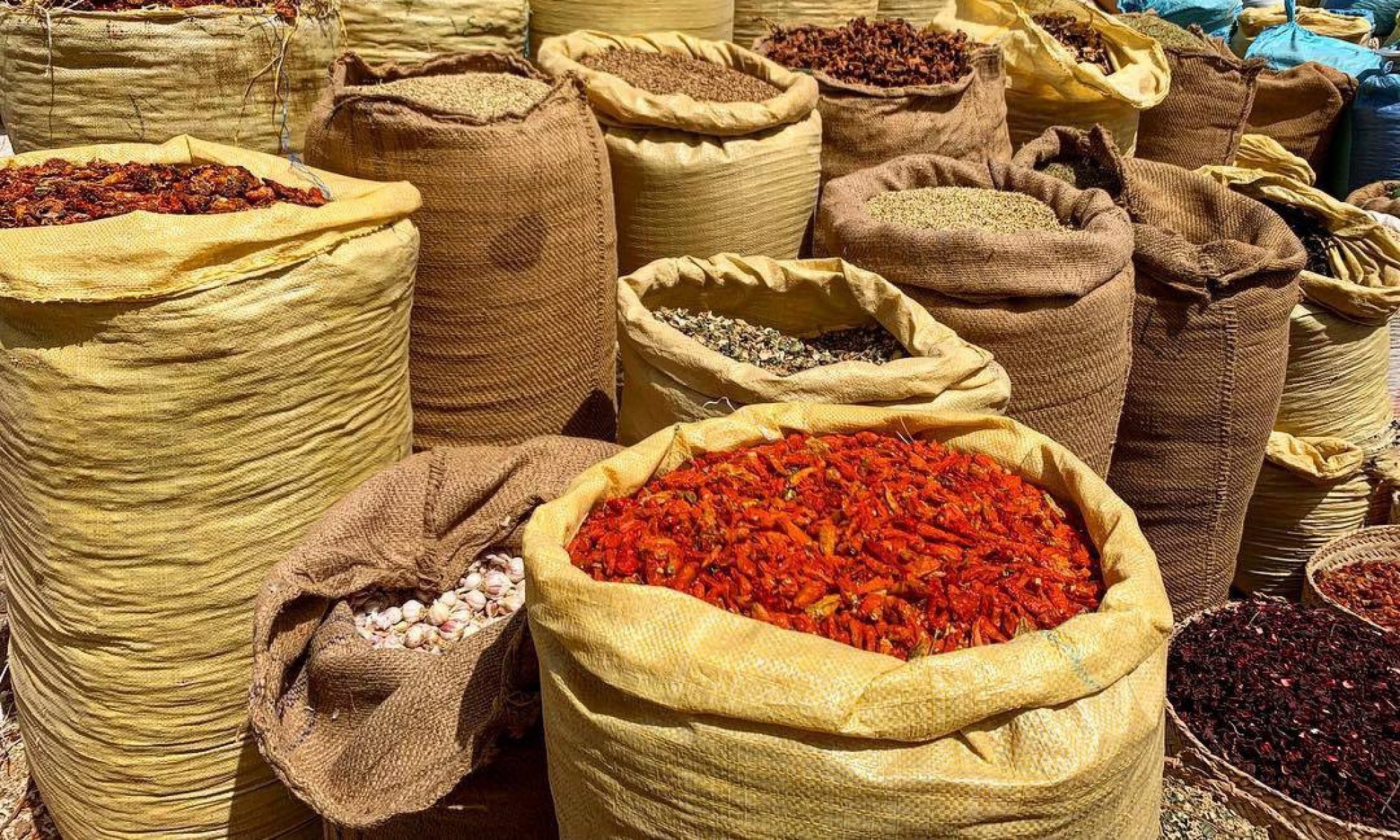
- Specialized Agricultural Produce: Indigenous grains, spices, and fruits grown in select fertile regions of Darfur provide niche products with strong regional identities.
- Artisanal Gold: The gold sector, though fraught with regulatory and environmental concerns, remains a unique economic activity. Artisanal mining supports many rural families and impacts both local markets and international trade channels.
These unique products not only add cultural value but also offer prospects in niche international markets if ethical and sustainable production practices are encouraged.
Impact of Conflict and Humanitarian Situation on the Economy and Local Markets
Conflict continues to exert a profound negative influence on Darfur’s economy and markets:
- Market Disruptions: Regular targeting of major trade centers—such as the repeated shelling of the El Fasher livestock market—has led to temporary closures, forced abandonment by traders, and significant losses in both goods and life.
- Displacement and Labor Loss: Widespread displacement has diminished the available labor force, undermining both production and local entrepreneurial activity.
- Inflation and Reduced Purchasing Power: The breakdown of trade networks and rising transport costs have contributed to inflationary pressures, further squeezing consumer spending and destabilizing local markets.
- Humanitarian Crises: While international aid manages to provide critical relief—such as food distribution and emergency services—the persistent insecurity hampers long-term economic recovery and market rehabilitation.
Any investment strategy must thus be highly sensitive to these dynamics, incorporating robust risk mitigation frameworks.
Poverty Levels, Employment Rates, and Income Distribution
Socioeconomic challenges persist on several fronts:
- Pervasive Poverty: Prolonged conflict, loss of livelihoods, and disrupted economic activity have left a significant proportion of the Darfuri population living below the poverty line.
- High Unemployment: The displacement crisis and interrupted agricultural cycles contribute to exceptionally high unemployment levels—particularly among youth and displaced persons.
- Uneven Income Distribution: Economic gains in informal sectors (such as artisanal mining) contrast sharply with widespread poverty in rural areas, resulting in acute income inequality.
A qualitative overview of key indicators is provided below:
| Indicator | Observed Trends |
|---|---|
| Poverty Incidence | High; a majority of residents face chronic economic insecurity. |
| Employment Rates | Low, especially in conflict-affected urban centers and among displaced populations. |
| Income Distribution | Highly unequal, with a small segment benefiting from niche markets while most subsist on low incomes. |
Note: Exact numerical figures are variable across sources; the table reflects general trends.
International Aid and Development Initiatives Supporting the Economy
A network of international agencies and development programs plays a significant role in stabilizing and rehabilitating Darfur’s economy:
- Humanitarian Relief Efforts: Organizations such as the World Food Programme and local NGOs have coordinated critical aid deliveries—for instance, a recent distribution in Central Darfur reached over 54,000 beneficiaries, addressing basic food and shelter needs.
- Capacity Building and Livelihood Programs: Initiatives like the Darfur Livelihoods Programme have focused on training community groups, forming village savings and loan associations, and fostering small enterprise development. These efforts bolster local resilience and integrate marginalized populations.
- Strategic Development Reviews: The Darfur Development Review Concept Note outlines long-term strategies, aligning investments with the Sustainable Development Goals, national poverty reduction strategies, and broader peace initiatives. These frameworks aim to bridge the immediate humanitarian response with sustainable economic recovery.
For investors, the presence of such aid programs provides opportunities for partnerships that blend profit objectives with social impact and risk mitigation strategies.
Challenges and Opportunities for Economic Growth and Development
Challenges
Security and Political Instability: Ongoing violence and sporadic conflicts undermine investor confidence and interrupt economic activities.
Infrastructure Damage: Continuous targeting of transport routes and market facilities disrupts logistics and constrains market operations.
Regulatory and Financial Barriers: Weak institutional frameworks, limited access to formal financial services, and corruption hinder business development.
Environmental Concerns: Unsustainable practices in sectors like artisanal gold mining pose long-term risks, including environmental degradation and associated public health issues.
Opportunities
- Post-Conflict Reconstruction: As the security situation stabilizes, rebuilding infrastructure and market networks will open up substantial investment opportunities.
- Agricultural Modernization: Modern irrigation systems, post-harvest technologies, and agro-processing facilities could significantly enhance productivity and export competitiveness.
- Digital Financial Inclusion: The expansion of digital banking and microfinance services offers avenues for integrating underbanked populations into the formal economy.
- Regional Trade Integration: Strengthening cross-border trade with neighboring countries could diversify and expand market access.
- Sustainable and Ethical Investments: Promoting environmentally friendly practices, particularly in artisanal mining and agriculture, can satisfy global sustainability criteria and access niche markets.
Investors willing to pioneer conflict-sensitive, inclusive, and sustainable business models may find that Darfur offers a high-risk/high-reward environment with substantial potential for impact.
Conclusion and Recommendations
While Darfur’s economic landscape is marred by decades-long conflict and persisting humanitarian challenges, the region also exhibits a resilient entrepreneurial spirit and unique local industries that present notable opportunities for recovery and growth. For investors considering a stake in Darfur’s future, a strategic, well-informed, and ethically driven approach is essential.
Recommendations
- Adopt Comprehensive Risk Management: Integrate robust risk assessment protocols to navigate security uncertainties, political fluctuations, and infrastructural vulnerabilities.
- Invest in Infrastructure and Capacity Building: Support public–private partnerships that aim to rebuild and modernize market facilities, transport systems, and financial services. Empower local entrepreneurs through training, technical support, and inclusion initiatives.
- Promote Sustainable Practices: Prioritize investments in sectors committed to environmentally sustainable and socially responsible techniques—particularly in agriculture and artisanal mining—to mitigate long-term damage and access ethical markets.
- Enhance Digital Connectivity: Facilitate the expansion of digital financial services to improve market transparency, integration, and accessibility for remote communities.
- Leverage International Partnerships: Collaborate with government agencies, international donors, and humanitarian organizations to align investment efforts with broader developmental agendas and recovery frameworks such as the Sustainable Development Goals.
Investors who integrate these strategies can contribute not only to economic growth but also to building a more stable, equitable, and vibrant future for Darfur.