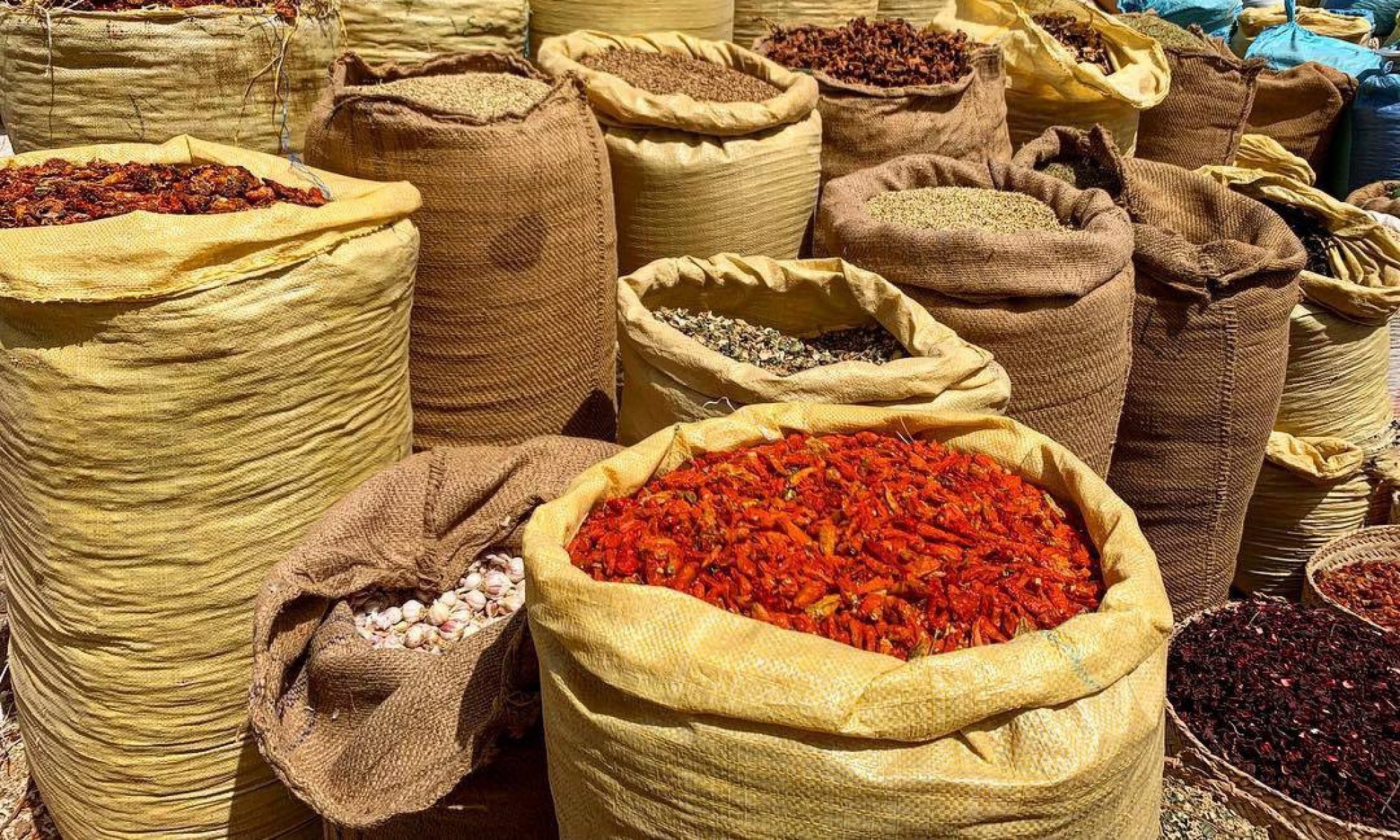

Perfumes and cosmetics are not only essential items of daily personal grooming but also cultural artifacts that reflect the heritage and traditions of a region. In Darfur—a territory marked by both a rich cultural history and ongoing socio-economic challenges—fragrances and cosmetic products have long played roles in daily rituals, celebrations, and social interactions. Traditional perfumery, often based on locally available natural ingredients, has been handed down from generation to generation, while cosmetics in local settings sometimes blend indigenous practices with modern influences. Despite prolonged conflict and infrastructural constraints, the emerging interest in sustainable, artisanal beauty products offers an opportunity for Darfuri producers to revitalize and modernize their offerings for both local use and niche international markets.
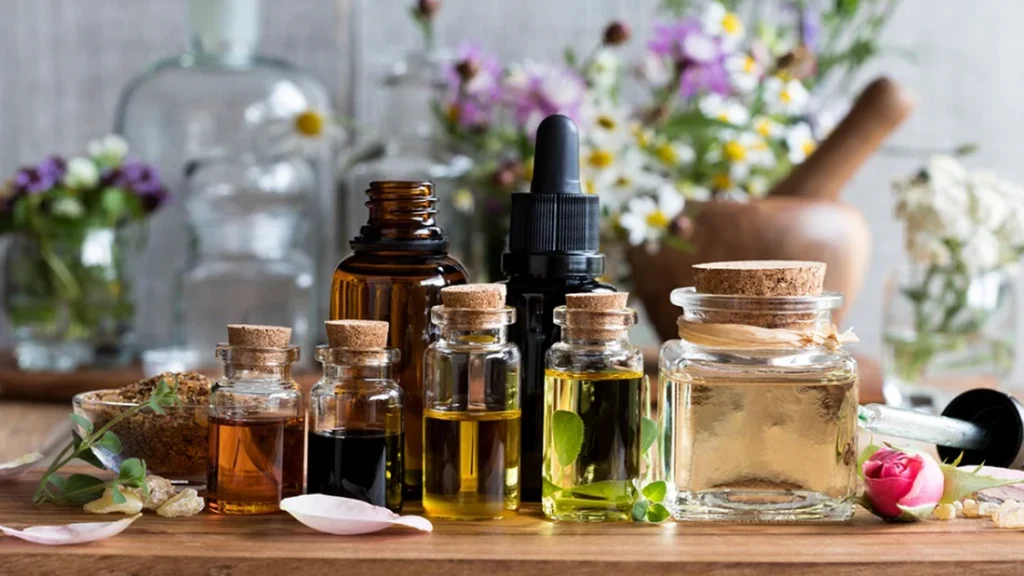
Global Market Overview for Perfumes & Cosmetics
The international market for perfumes and cosmetics is vast and continuously evolving. Some key trends include:
- Market Scale and Growth: The global perfume market was valued at around USD 50.85 billion in 2022 and is projected to grow at a compound annual growth rate (CAGR) of approximately 5.9% from 2023 to 2030. Meanwhile, the broader cosmetics and personal care segment—encompassing skincare, hair care, makeup, and fragrances—is similarly expansive, driven by increasing consumer spending, personal grooming trends, and evolving beauty standards.
- Sustainability and Artisanal Appeal: Consumers in developed markets, as well as emerging markets, are increasingly favoring products that emphasize natural ingredients, ethical production, and cultural authenticity. Artisanal, limited-batch products that tell a story resonate with those seeking alternatives to mass-produced items, thereby allowing small-scale and traditional producers to secure higher value in niche segments.
- Digital Transformation: With the rapid growth of e-commerce platforms and digital marketing channels, even small-scale producers can now reach global audiences directly. This trend enables niche and heritage brands to develop a strong online presence without relying solely on traditional retail channels.
These global drivers have created a favorable environment for producers who can combine high-quality production with unique cultural narratives, setting the stage for Darfur’s emerging perfumes and cosmetics sector.
Current Status of the Perfumes & Cosmetics Industry in Darfur
Market Characteristics and Production Methods
In Darfur, the perfumes and cosmetics industry remains largely informal and artisanal. Key characteristics include:
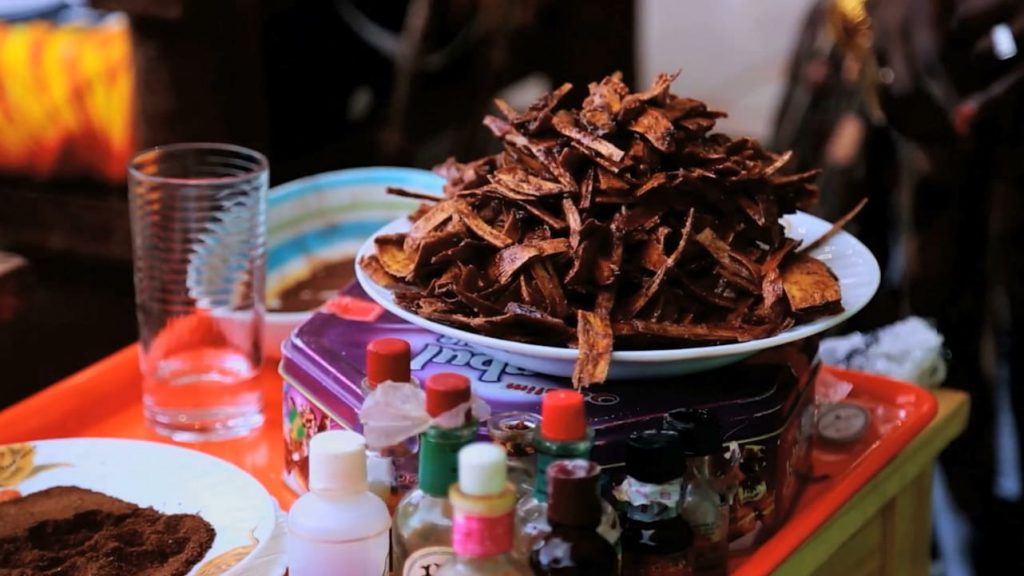
- Traditional Methodologies: Many local products are produced using time‑honored techniques and locally sourced, natural ingredients. For example, traditional attar production, which often employs natural essential oils and plant extracts, has been a long-established craft. Similarly, cosmetics may incorporate indigenous ingredients—such as botanical extracts and natural clays—that align with both cultural heritage and sustainable production methods.
- Limited Industrial-Scale Production: Due to prolonged conflict, infrastructural deficits, and limited investment, most production remains small-scale and community‐based. A significant proportion of the market is supplied by home-based workshops or small artisan cooperatives. Formal manufacturing facilities or large-scale distribution channels are rare, which restricts production volume and the ability to achieve internationally recognized quality standards.
- Import Reliance and Informal Trade: In many cases, modern cosmetics and fragrances sold in local markets are imported from larger manufacturing hubs in Sudan and neighboring regions. However, there is also a budding movement among local producers to revive traditional formulas and artisanal practices, aligning with a global trend toward natural and ethical beauty products.
Evolving Market Environment
Despite resource constraints and ongoing instability, local entrepreneurs and artisans continue to produce perfumes and cosmetic items that appeal to culturally rooted consumers. For instance, initiatives inspired by platforms like “Sudanese Scents” emphasize the heritage and natural origins of local perfumery, offering a glimpse into an evolving industry that seeks to merge tradition with contemporary market demands .
Key Products
The range of products produced by Darfuri artisans in the perfumes and cosmetics sector typically includes:
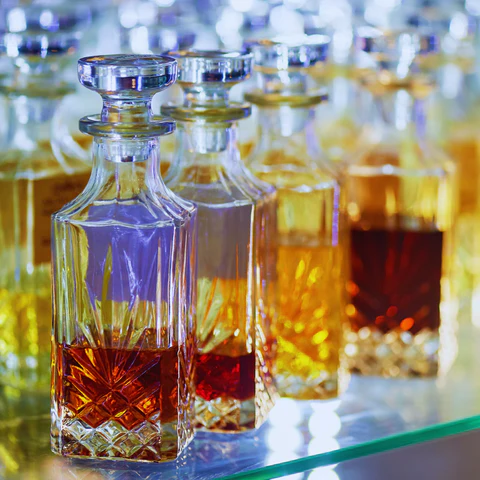
- Traditional Perfumes and Attars: Locally produced attars (concentrated essential oil perfumes) and traditional scents that often incorporate ingredients like rose, sandalwood, musk, and other natural extracts. These products are frequently marketed for personal use as well as for special occasions.
- Natural and Organic Cosmetics: Skincare products such as lotions, creams, and soaps formulated with indigenous ingredients (e.g., plant extracts, natural clays, essential oils), which reflect both the region’s natural bounty and the growing consumer interest in organic beauty products.
- Complementary Fragrance Accessories: Incense, scented oils, and body sprays that may be used in domestic rituals or ceremonial contexts, thereby reinforcing cultural traditions through sensory expression.
These products are predominantly produced using methods that emphasize minimal processing and the preservation of natural ingredients, appealing to both local consumers and niche international markets.
Key Locations
The industry is geographically concentrated in a few strategic locations within Darfur:
- Nyala (South Darfur): As one of the largest urban centers in Darfur, Nyala serves as a commercial hub where locally produced perfumes and cosmetics can be aggregated and distributed. Relatively better infrastructure and access to regional trade networks in Nyala support a modest but growing industry.
- El Fasher (North Darfur): With its historical legacy as a center of craft and trade, El Fasher is known for its traditional artisanal production, including perfume and cosmetic crafts. Local marketplaces in El Fasher continue to showcase heritage-made products that are cherished by the community.
- Rural Artisan Communities: Numerous small villages and rural settlements keep traditional production methods alive. Although production is decentralized, these communities are the primary custodians of indigenous techniques and recipes in perfumery and natural cosmetology.
These locations, while diverse in terms of production scale and sophistication, collectively contribute to the overall identity and viability of the industry in Darfur.
Economic Potential
The perfumes and cosmetics sector in Darfur presents significant, though largely untapped, economic potential:
- Niche Market Differentiation: Darfuri artisanal perfumes and natural cosmetics have the potential to be branded as heritage, luxury, or eco-friendly products. An effective “Made in Darfur” brand, built on narratives of authenticity and sustainability, could command premium prices in both domestic and international niche markets.
- Job Creation and Local Development: Revitalizing this sector can provide employment opportunities for artisans and enhance income generation for rural communities. In addition to direct production roles, ancillary services (such as packaging, marketing, and logistics) could also benefit from sectoral growth.
- Export and Tourism Opportunities: As global demand for ethically produced and artisanal beauty products increases, Darfur’s unique offerings—if properly standardized and marketed—could open up access to the export market. Furthermore, cultural tourism may further drive demand for locally made perfumery and cosmetic products.
- Value Addition Potential: Investments in modern processing, quality control, product development, and packaging can transform traditional products into value-added goods. This not only increases local incomes but also improves competitiveness in external markets.

Challenges & Opportunities
Challenges
- Conflict and Insecurity: Persistent regional instability and the risk of violence disrupt production schedules, hamper transportation of goods, and deter potential investment.
- Infrastructural Limitations: Poor road networks, inconsistent electricity supply, and a lack of modern processing facilities limit production scalability and quality consistency.
- Fragmented Informal Production: Much of the industry operates in an informal, decentralized manner. This fragmentation poses challenges in achieving standardized quality, accessing formal finance, and negotiating collective bargaining power.
- Limited Access to Modern Technology and Capital: The low level of investment in technology and training restricts both the optimization of traditional methods and the adoption of innovative production techniques.
Opportunities
- Rising Global Demand for Natural and Artisanal Products: Worldwide trends toward sustainable, organic, and locally authentic products create a favorable niche market for Darfuri perfumes and cosmetics.
- Digital Platforms and E-Commerce: Online marketplaces allow small-scale producers to reach global consumers directly, bypassing traditional intermediaries and enabling the development of a strong brand identity.
- Cooperative and Collaborative Models: Forming artisan cooperatives can help standardize production methods, pool resources, and boost the collective bargaining power of local producers. Such cooperatives can also facilitate scale-up for accessing higher-value market segments.
- Government and Donor Support: Increasing international interest in supporting post-conflict reconstruction and sustainable development provides opportunities for accessing technical, financial, and policy support targeted at the artisanal sector.
Recommendations
To unlock the potential of the Perfumes & Cosmetics industry in Darfur, the following multi-pronged strategy is recommended:
- Infrastructure Investment and Modernization:
- Develop local processing centers equipped with modern technology (for extraction, preservation, and packaging) to enhance product quality.
- Improve transportation, electricity, and storage facilities to minimize post-production losses and support consistent market supply.
- Capacity Building and Skills Training:
- Organize training programs to combine traditional knowledge with modern techniques in formulation, quality control, and product design.
- Establish partnerships with academic institutions, NGOs, and international donors to transfer technical expertise and update production methods while preserving cultural authenticity.
- Cooperative Formation and Value Chain Integration:
- Encourage the formation of artisan cooperatives to pool resources, standardize production practices, and collectively negotiate with buyers.
- Foster the integration of the entire value chain—from raw material processing to finished product distribution—to secure broader market access and create value-added products.
- Digital Marketing and Global Market Linkages:
- Leverage e-commerce platforms and social media channels to create a “Made in Darfur” brand that emphasizes heritage, sustainability, and artisanal quality.
- Facilitate participation in international trade fairs, cultural exhibitions, and online marketplaces to reach niche global markets.
- Policy Support and Funding Initiatives:
- Advocate for supportive government policies, including tax incentives, subsidies, and grants specifically targeted at revitalizing the artisanal sector.
- Engage with international donors and development agencies to secure funding and technical support for sustainable production initiatives.
The Perfumes & Cosmetics industry in Darfur—rooted in time-honored traditions and the rich cultural heritage of local artisans—presents a promising yet largely untapped niche. While the region faces significant challenges related to conflict, infrastructure, and informal market structures, the growing global demand for artisanal, sustainable beauty products creates an opportune moment for transformation. Through strategic investments in modern processing, capacity building, cooperative organization, digital marketing, and supportive public policies, Darfuri producers can modernize and scale their operations. This integrated approach not only presents an opportunity for economic growth and job creation but also for the preservation of a unique and invaluable cultural legacy.