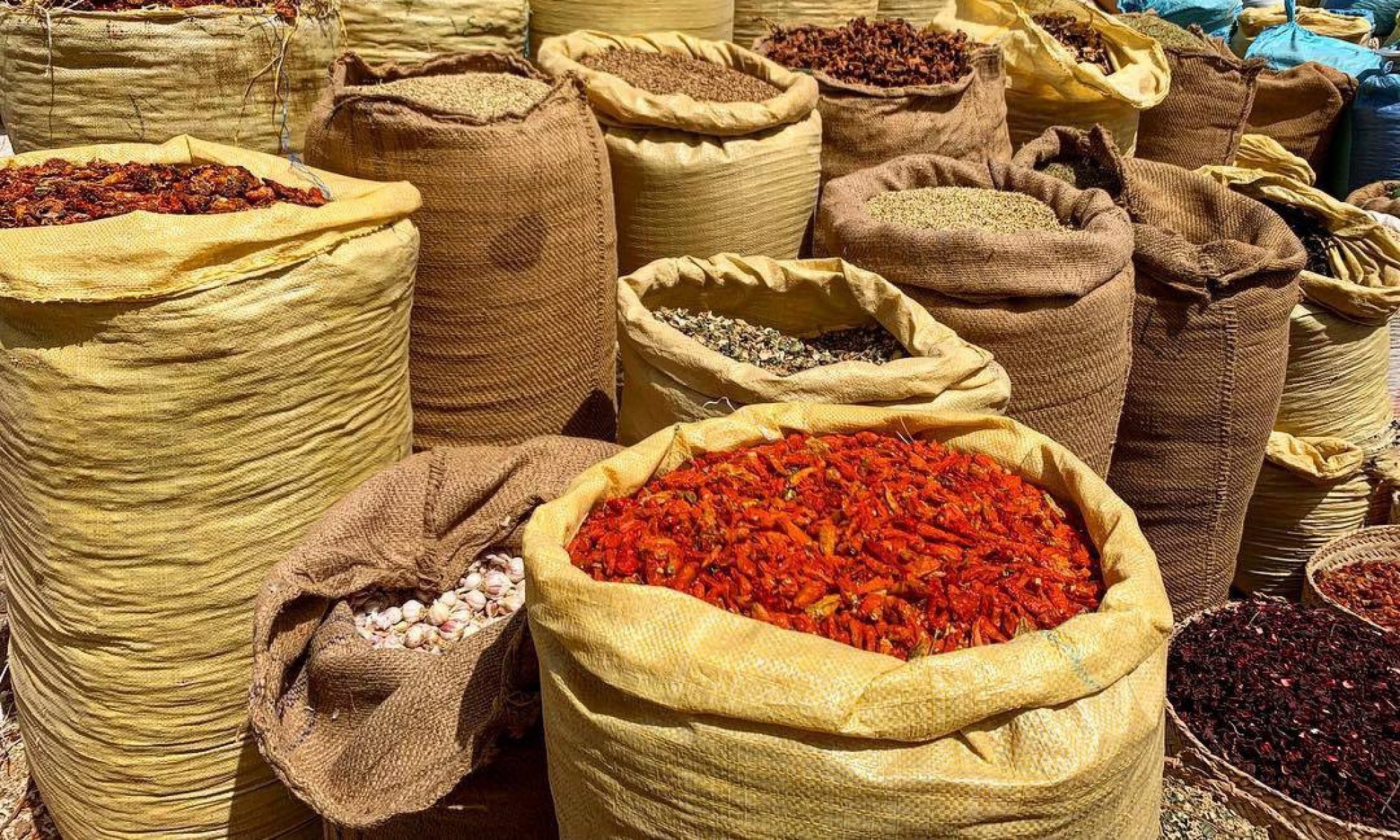

Honey production in Darfur has long been a part of the region’s traditional practices. Harvested from wild bee colonies roaming the natural landscapes, local honey is more than just a food source—it encapsulates cultural heritage, biodiversity, and untapped economic potential. With increasing global demand for natural and organic products, Darfur’s honey sector offers promising prospects for both local communities and international buyers.
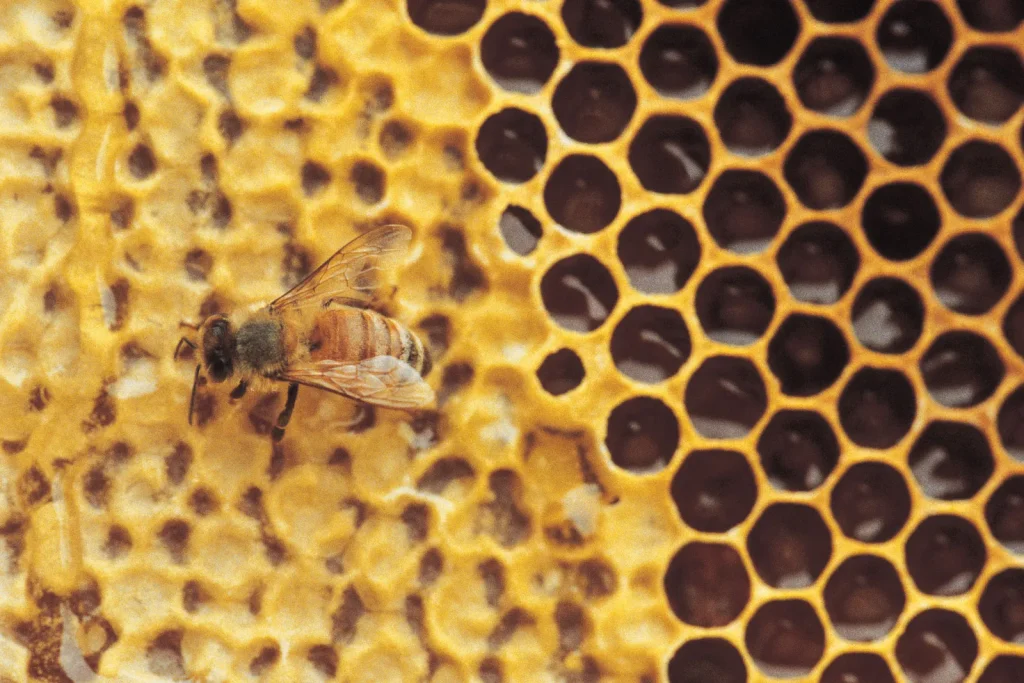
Overview of the Global Honey Market
The global honey market is a significant and growing sector within the food and agriculture industry. In 2024, the market was estimated to be around $9.2 billion to $9.94 billion USD, and it is projected to reach approximately $14 billion to $14.96 billion USD by 2032-2035, exhibiting a Compound Annual Growth Rate (CAGR) of around 3.17% to 5.4% during the forecast period (2025-2035).
Key trends driving this growth include:
- Increasing Consumer Demand for Natural Sweeteners: As consumers become more health-conscious, there is a rising preference for natural alternatives to refined sugar, positioning honey as a favorable option.
- Growing Health Awareness: Honey is recognized for its various health benefits, including antioxidant and antibacterial properties, boosting its demand in functional foods, beverages, and even pharmaceuticals.
- Expansion of Organic and Raw Honey Products: There is a significant increase in the demand for organic and raw honey, driven by consumers seeking minimally processed and chemical-free food products.
- Diversified Applications: Beyond its traditional use as a sweetener, honey is increasingly used in the cosmetics and personal care industry due to its moisturizing and antibacterial properties.
- Emerging Markets: The Asia Pacific and Latin America are experiencing rapid growth in honey production and consumption, with countries like China, India, and Argentina being major producers and exporters.
- Sustainable Practices: There is a growing emphasis on sustainable beekeeping practices and biodiversity conservation within the honey market.
The market is segmented by type (organic, raw, regular, flavored), application (food and beverage, cosmetics and personal care, pharmaceuticals), form (liquid, granulated, comb honey), and distribution channel (supermarkets/hypermarkets, online retail, etc.). Regions like North America and Europe currently hold significant market shares, but the Asia Pacific region is showing strong growth potential.
Key Honey Varieties Found in Darfur
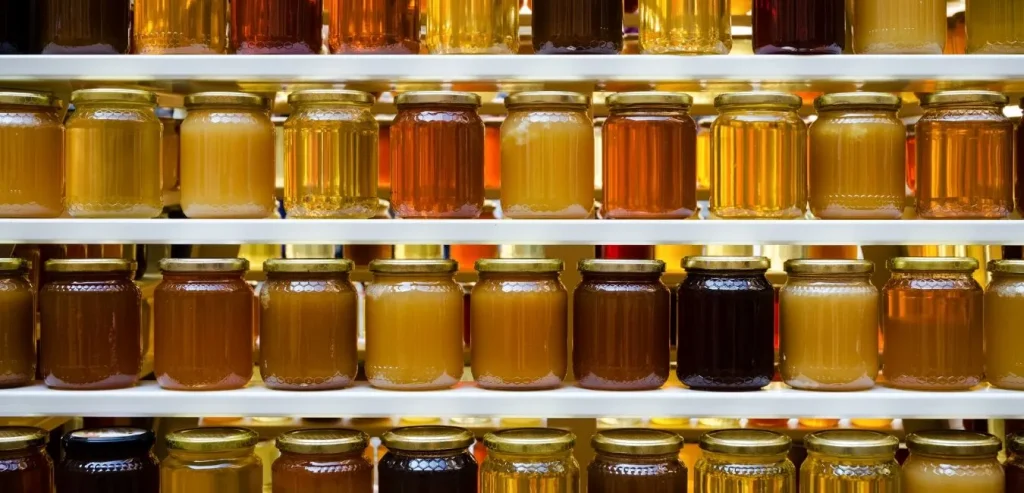
Darfur, with its diverse flora, supports the production of unique honey varieties. Research indicates the presence of at least two distinct wild honey types in the Southern Darfur region:
- Acacia Honey: Locally known as “sunt honey,” this variety is predominantly derived from the nectar of Acacia nilotica trees. It is characterized by its dark amber color and has demonstrated significant antioxidant and antibacterial properties in studies.
- Ziziphus Honey: Known locally as “sidir honey,” this honey is mainly sourced from the Ziziphus spina-christi tree. It typically has a light amber color and has also shown notable antioxidant and antibacterial activity, with some evidence suggesting it might be more potent against certain bacteria than acacia honey.
- Savanna and Wildflower Honey: Collected from bee colonies that forage in mixed woodland and savanna areas, this honey exhibits a complex flavor profile influenced by diverse indigenous flora.
- Desert Honey: Produced in arid and semi-arid zones, desert honey often has a distinct mineral undertone and robust taste, reflective of the unique environmental conditions.
- Specialty Varieties: In some areas, bees may collect nectar from lesser-known indigenous plants. These specialty honeys vary seasonally and can be marketed as unique, artisanal products with high export potential.
The specific flavor profiles and other characteristics of Darfur honey are likely influenced by the region’s unique vegetation, which may include various other flowering plants and trees. Further research could potentially identify more distinct honey varieties based on their floral origins within Darfur. Local knowledge about microclimates, optimal flowering periods, and bee behavior is essential for maximizing yield and quality in these regions.
Key Locations for Honey Production in Darfur
While specific detailed mapping of all honey production areas might be limited in readily available sources, the following can be inferred:
- South and Central Darfur: These regions have been specifically mentioned in reports regarding the modernization and development of the honey sector, indicating they are key production areas.
- Kubum (South Darfur): This area is highlighted as a location where beekeeping has become a viable means of economic enhancement, with significant growth in beekeeper associations.
- Bindisi (Central Darfur): This is another identified location where beekeeping and honey production are significant livelihoods, with support provided to beekeepers’ associations.
- Rural Areas: Generally, the strong domestic demand for Darfur’s honey has incentivized farmers in various rural areas to adopt beekeeping.
- Forested Areas: Sudanese forests, including those in Darfur, are a primary source of honey yield, with Acacia and Ziziphus trees being important nectar sources.
It’s likely that honey production is scattered across various regions within Darfur where suitable vegetation and beekeeping practices are established, with potential concentrations in areas with abundant Acacia and Ziziphus trees.
Production Methodologies
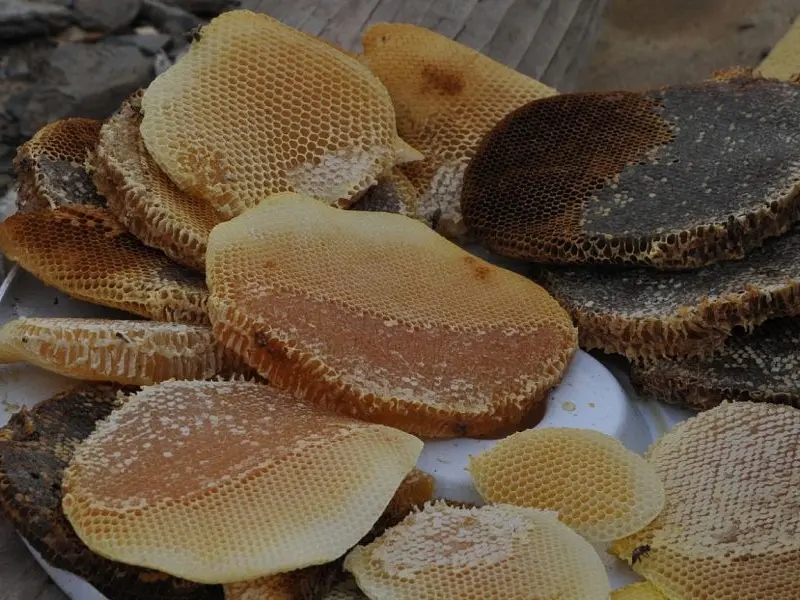
Honey production in Darfur relies predominantly on traditional, sustainable harvesting techniques passed down through generations. The main methodologies include:
Identification and Harvesting
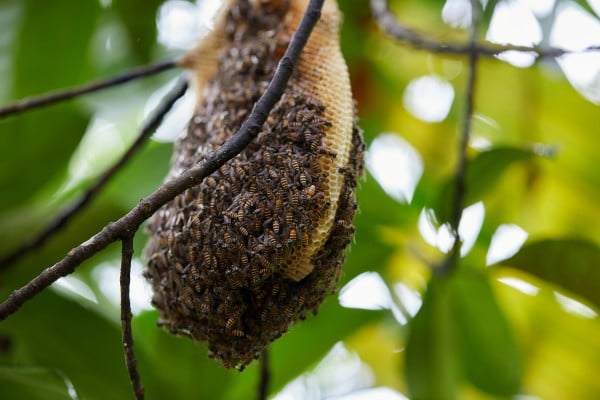
- Wild Colony Identification: Foragers and beekeepers scout natural locations, locating wild bee colonies found in tree hollows, rock crevices, or traditional hives. Indigenous knowledge plays a critical role in identifying these colonies.
- Sustainable Harvesting Techniques: Honey is collected using methods that minimize disturbance. Smoke is sometimes used to calm the bees, allowing harvesters to extract honeycombs with minimal damage. The timing of the harvest is carefully determined to ensure that colonies are not stressed, allowing for natural regeneration.
Post-Harvest Processing
- Extraction and Filtration: After careful extraction, the honey is often left to settle in traditional containers. Filtration is typically performed using simple cloths or sieves to remove wax particles and impurities.
- Storage and Preservation: Given the climatic challenges in Darfur, proper storage is crucial. Honey is stored in airtight containers—preferably in cool, shaded areas—to preserve its quality and prevent fermentation.
- Value-Addition Processes: In some communities, additional practices such as blending different varieties, controlled crystallization, and the production of by-products (like beeswax and propolis) provide extra economic value.
Honey production in Darfur employs a range of methodologies, from traditional to increasingly modern practices:
- Traditional Beekeeping: This involves using locally available materials to construct hives, such as logs, bark, clay pots, grasses, and doum palm leaves. Traditional hives are often placed in trees, and harvesting methods can sometimes be destructive, involving fire, smoke, and even felling trees, which can harm bee colonies.
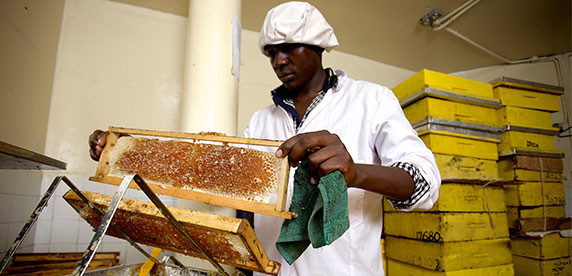
- Modernized Beekeeping: Efforts are underway to introduce modern beekeeping techniques and equipment to improve efficiency and sustainability. This includes:
- Modern Beehives: Providing beekeepers with new, often frame-based hives that allow for easier management, inspection, and honey extraction without destroying the comb or the colony. Examples include Kenyan Top Bar Hives.
- Training: Offering training on sustainable hive management, honey handling, and quality control.
- Equipment Provision: Supplying essential tools like protective suits, smokers, honey extractors, and storage containers.
- Beekeeper Associations: The establishment of beekeeper associations plays a crucial role in collective production, marketing, sales, and distribution. These associations often facilitate training and the sharing of resources.
- Honey Collection Centers: Some initiatives have established central collection points to bulk honey for better marketing and quality control.
The transition from traditional to modern beekeeping is gradual but essential for maximizing the economic potential and sustainability of the honey sector in Darfur.
Economic Potential
Honey production holds significant economic potential for Darfur, offering opportunities for income generation, poverty reduction, and economic diversification:
- Income Enhancement: Beekeeping has proven to significantly increase household incomes for participating families. Projects have reported income increases of over 60% for beekeeping households.
- Livelihood Diversification: Beekeeping provides an alternative or supplementary livelihood for farmers and vulnerable groups, including youth, internally displaced persons, ex-combatants, and women.
- Market Demand: There is strong domestic and regional demand for Darfur’s high-quality honey, creating a viable market for producers. Honey from Darfur is reportedly favored in national and regional markets.
- Value Chain Development: Supporting the honey value chain, from production to processing and marketing, can create employment and business opportunities at various levels.
- Export Potential: While currently focused on domestic and regional markets, there may be potential for exporting Darfur honey to international markets, especially if organic or fair-trade certifications can be obtained. South Sudan’s honey, for example, is considered organic due to low pesticide use, meeting Codex and European standards, suggesting a similar potential for Darfur.
- Forest Resource Management: Recognizing the economic value of honey from forest trees can incentivize local communities to engage in sustainable forest management and conservation. Studies have shown that honey production from forest trees can provide considerable financial returns per hectare.
- Micro-Entrepreneurship: Beekeeping requires relatively small initial investment and minimal land, making it suitable for micro-entrepreneurs and small-scale farmers.
Despite its potential, the honey sector in Sudan, including Darfur, currently contributes less than 1% to the national agricultural economy, indicating significant room for growth and development.
Challenges & Opportunities
The honey sector in Darfur faces several challenges that need to be addressed to fully realize its potential:
Challenges
- Traditional Practices: Reliance on traditional and often destructive harvesting methods can limit productivity and harm bee populations.
- Limited Access to Modern Equipment and Techniques: Many beekeepers lack access to modern hives, extraction equipment, and training on best practices.
- Financial Constraints: Beekeepers may face difficulties in accessing finance for investment in modern equipment and expansion.
- Pests and Predators: Bee colonies are susceptible to various pests and predators, which can reduce honey yields and colony survival.
- Water Scarcity and Bee Forage Shortage: Environmental factors like water scarcity and the decline of flowering plants due to deforestation or climate change can impact honey production.
- Poor Extension Services: Limited access to agricultural extension services and technical support in beekeeping hinders the adoption of improved practices.
- Market Linkages: Weak connections to markets and limited marketing skills can prevent beekeepers from obtaining fair prices for their honey.
- Security and Instability: The history of conflict in Darfur can disrupt livelihoods and access to resources, including beekeeping activities.
- Quality Control: Maintaining consistent honey quality and meeting market standards can be challenging with traditional processing methods.
Opportunities
- Strong Local and Regional Demand: The existing demand for Darfur honey provides a solid foundation for market growth.
- Untapped Potential: The honey sector’s current low contribution to the national economy indicates significant room for expansion.
- Availability of Natural Resources: Darfur’s diverse flora, particularly Acacia and Ziziphus trees, offers a rich source of nectar for honey production.
- Support from Development Programs: Initiatives by organizations like UNDP and others are focused on modernizing the honey sector, providing training, equipment, and market linkages.
- Community Empowerment: Beekeeping can empower vulnerable groups, including women and youth, by providing them with income-generating opportunities.
- Sustainable Development: Promoting sustainable beekeeping practices can contribute to environmental conservation and biodiversity.
- Organic Potential: The low use of agricultural pesticides in some areas of Sudan, including potentially Darfur, could offer opportunities for producing and marketing organic honey.
- Value Addition: Exploring the potential of other bee products like beeswax and propolis could further enhance economic returns.
Recommendations for the Future
To foster the sustainable growth and maximize the economic benefits of the honey sector in Darfur, the following recommendations are proposed:
- Promote Modern Beekeeping Practices: Expand training programs on modern beekeeping techniques, including hive management, pest and disease control, and honey extraction. Facilitate access to affordable modern beehives and essential equipment through subsidies or credit schemes.
- Strengthen Beekeepers’ Associations: Support the formation and capacity building of beekeepers’ associations to enhance collective bargaining power, facilitate knowledge sharing, and improve access to markets and resources.
- Improve Market Access and Linkages: Develop market information systems and facilitate linkages between beekeepers and traders, processors, and retailers. Explore opportunities for value addition through processing and packaging.
- Enhance Extension Services: Increase the availability of qualified extension officers who can provide beekeepers with ongoing technical support and guidance on best practices.
- Support Sustainable Resource Management: Promote the planting of bee-friendly trees and vegetation to ensure a sustainable supply of nectar and pollen. Implement measures to combat deforestation and land degradation.
- Facilitate Access to Finance: Establish microfinance schemes or grants specifically targeted at beekeepers to enable them to invest in their operations.
- Promote Quality Control and Standards: Provide training on honey quality standards and support the establishment of quality control mechanisms to ensure Darfur honey meets market requirements. Explore the potential for organic certification.
- Invest in Research and Development: Conduct research on local bee species, honey varieties, and optimal beekeeping practices for the Darfur region.
- Explore Value-Added Products: Support beekeepers in diversifying their offerings by exploring the production and marketing of other bee products like beeswax, propolis, and royal jelly.
- Foster Public-Private Partnerships: Encourage collaboration between government agencies, NGOs, the private sector, and beekeepers to create a supportive ecosystem for the honey industry.
- Address Environmental Challenges: Implement strategies to mitigate the impacts of water scarcity and climate change on bee forage and honey production.
- Ensure Security and Stability: Efforts to promote peace and stability in the region are crucial for the long-term development of all economic activities, including beekeeping.
By addressing these challenges and capitalizing on the existing opportunities, Darfur can transform its honey sector into a significant contributor to economic growth, food security, and sustainable livelihoods for its people.