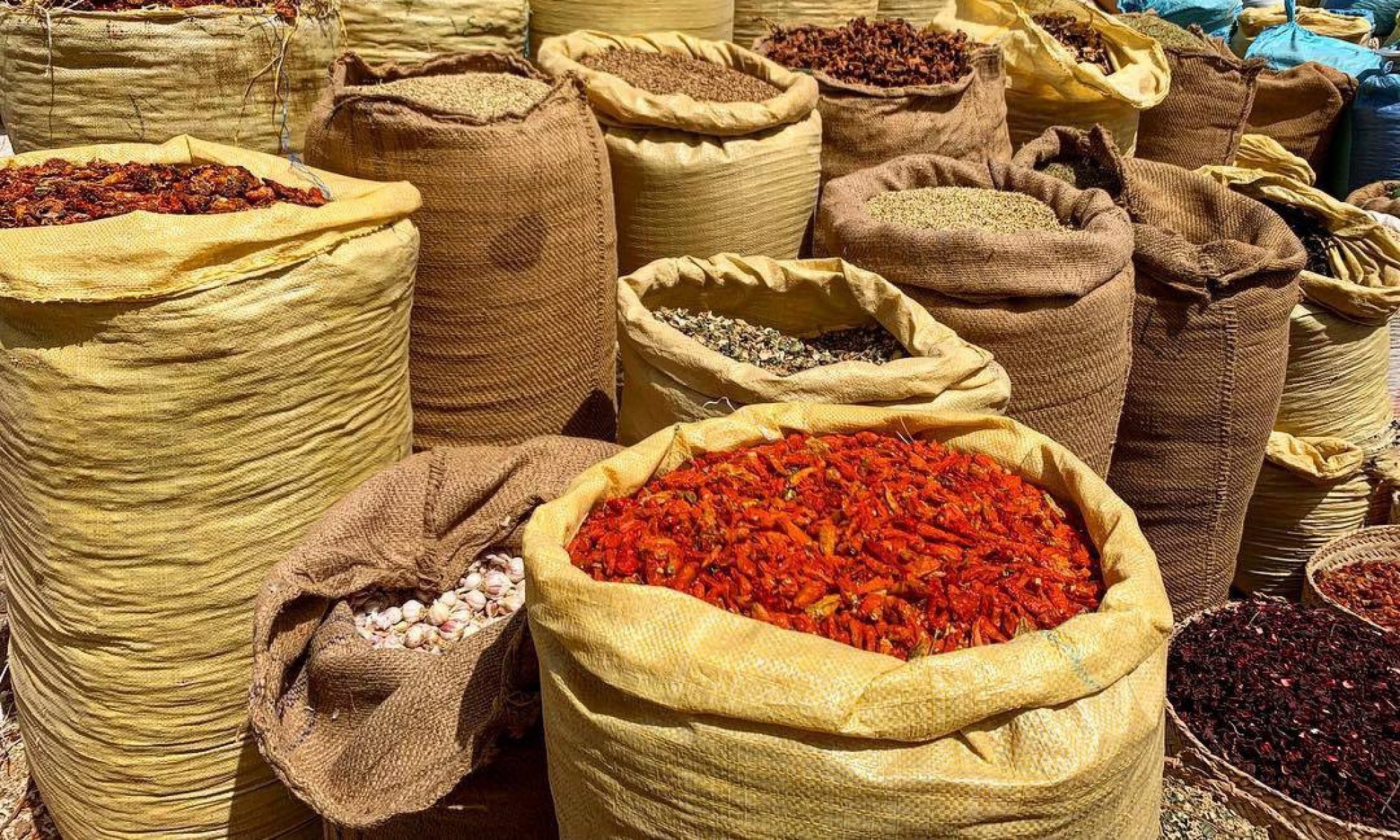

Darfur possesses a wealth of largely unexploited wild fruit resources, including baobab, tamarind, and balanites, which hold significant economic potential within the expanding global market for fruits and vegetables. This report analyzes this potential, highlighting the nutritional value and resilience of these fruits as key assets. While the sector faces considerable challenges, notably environmental degradation and infrastructural limitations, the increasing global demand for wild-harvested and healthy foods presents promising opportunities for economic development and improved livelihoods in the region. The report concludes with actionable recommendations for stakeholders, emphasizing sustainable harvesting practices, strategic investments in infrastructure and value addition, and the establishment of supportive policies to foster a thriving wild fruit sector in Darfur.
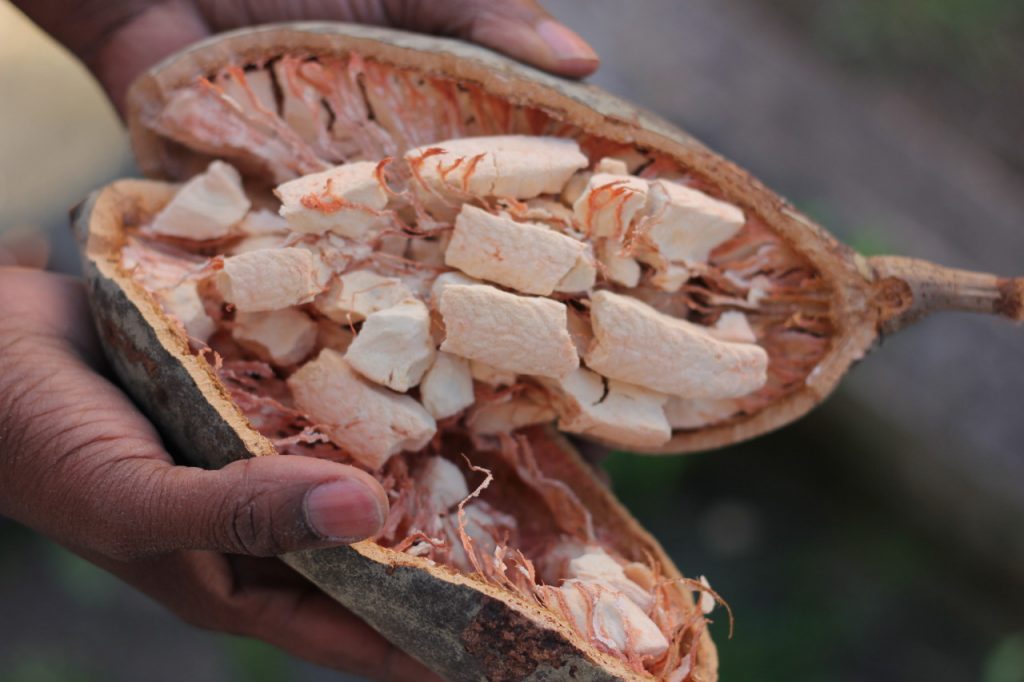
Wild fruits in Darfur not only encapsulate the region’s rich biodiversity but also mirror a long history of traditional gathering and local knowledge. Harvested from natural ecosystems rather than cultivated on farms, these fruits—in species such as baobab, tamarind, balanites, and others—provide significant nutritional, medicinal, and economic value. Their potential reaches beyond local consumption into the expanding global market for natural ingredients and health foods. This report seeks to explore the facets of wild fruit production, its economic promise, and the strategies needed to ensure sustainable growth.
Global Market Overview for Wild Fruits and Vegetables
Wild fruits and vegetables are gaining increasing global recognition for their nutritional richness, adaptability to diverse environments, and their vital role in supporting local economies, particularly within developing regions. These resources are not merely supplementary food sources; they form an integral part of food security strategies and act as crucial safety nets for communities facing times of crisis. The fact that billions of people across socioeconomic strata and geographical locations utilize non-timber forest products, including wild fruits, for both household sustenance and income generation underscores their fundamental importance on a global scale. This widespread reliance highlights a substantial existing market and significant potential for further development and integration into broader economic frameworks. The increasing global emphasis on health and wellness is a significant driver behind the rising demand for nutrient-dense, natural food options. This shift in consumer preferences positions wild fruits favorably within the market, as they are often perceived as inherently natural and possessing superior nutritional profiles.
The global market for fruits and vegetables is substantial, with estimations reaching hundreds of billions of United States dollars annually. In 2023, the market size was valued at approximately USD 733.87 billion. Projections indicate a consistent growth trajectory for this market, with Compound Annual Growth Rates (CAGR) ranging from 3.3% to 5.2% anticipated in the coming years. Specifically, the global fruits and vegetables market is expected to expand at a CAGR of 5.0% from 2024 to 2030, potentially reaching USD 1,018.12 billion by 2030. While fresh fruits and vegetables currently hold the largest share of the market, accounting for 81.0% of revenue in 2023, the processed and frozen segments are demonstrating strong growth potential, driven by factors such as convenience and extended shelf life. The fruit segment, in particular, is expected to grow at a rapid CAGR of 5.2% from 2024 to 2030. This significant and steadily expanding global market for fruits and vegetables provides a promising backdrop for the potential commercialization of wild fruits originating from Darfur.
The global market for wild fruits and vegetables has seen steady growth in recent years, driven by a shift toward natural and organic food products. Consumers worldwide are increasingly interested in superfoods and nutrient-dense ingredients, a trend that benefits lesser-known fruits with high nutritional profiles. Key points include:
- Health and Wellness Trends: Superfoods like baobab are highly valued for their high vitamin C, antioxidants, and fiber. Companies in the food, beverage, and nutraceutical sectors are investing in these exotic ingredients.
- Sustainable Sourcing: Globally, there is rising demand for sustainably and ethically sourced wild ingredients. Certification schemes — such as organic and fair trade labels — add market value.
- Market Expansion: Europe, North America, and select Asian markets actively seek out unusual and indigenous fruits that can be incorporated into smoothies, supplements, and artisanal food products.
- Artisanal and Niche Markets: Along with large-scale industrial buyers, there is growing interest among small businesses, craft producers, and culinary innovators who wish to tap into the region’s unique natural flavors.
These trends create an opportunity for regions like Darfur to leverage their naturally harvested fruits and build global supply chains.
Key Varieties Found in Darfur
Darfur’s wild landscapes host a variety of edible fruits that have been traditionally gathered for generations. Some of the key varieties include:
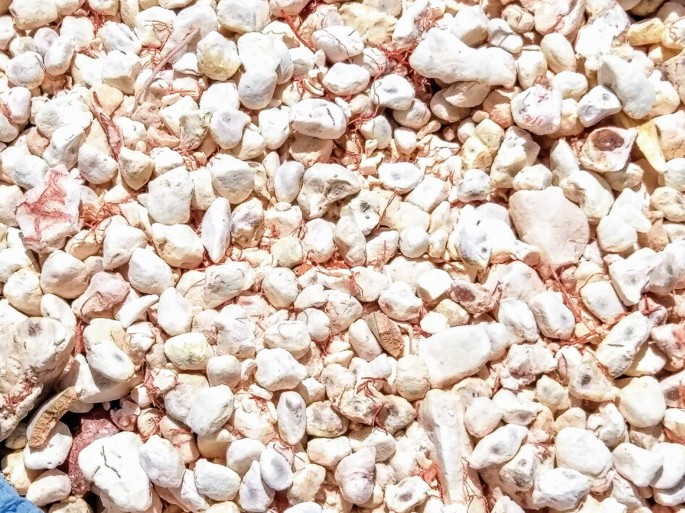
- Baobab (Adansonia digitata): Known as the “tree of life,” baobab produces a fruit with a tangy, powdery pulp rich in vitamin C, antioxidants, and fiber. Its uses span from dietary supplements and juice additives to cosmetic formulations.
- Tamarind (Tamarindus indica): This fruit has a distinctive tangy-sweet flavor and is used extensively in culinary applications—from sauces and spice mixes to traditional drinks—along with medicinal uses as a digestive aid.
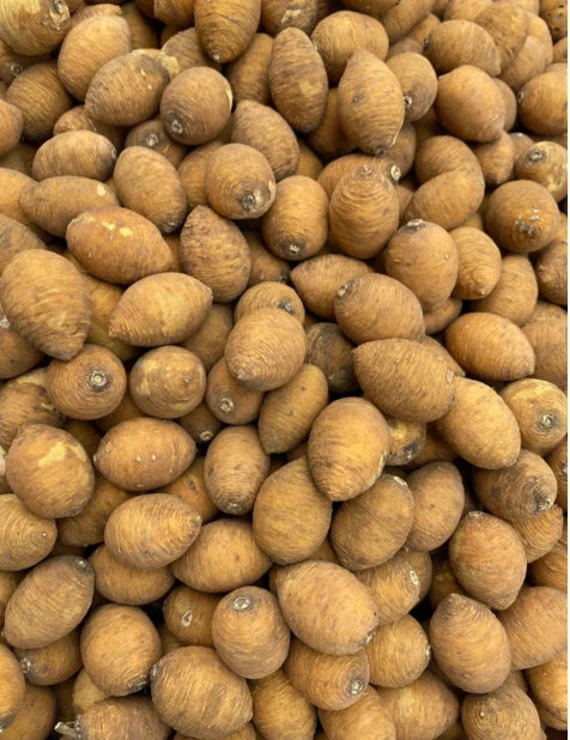
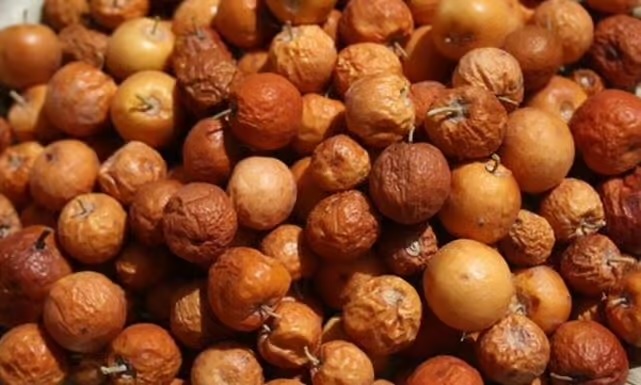
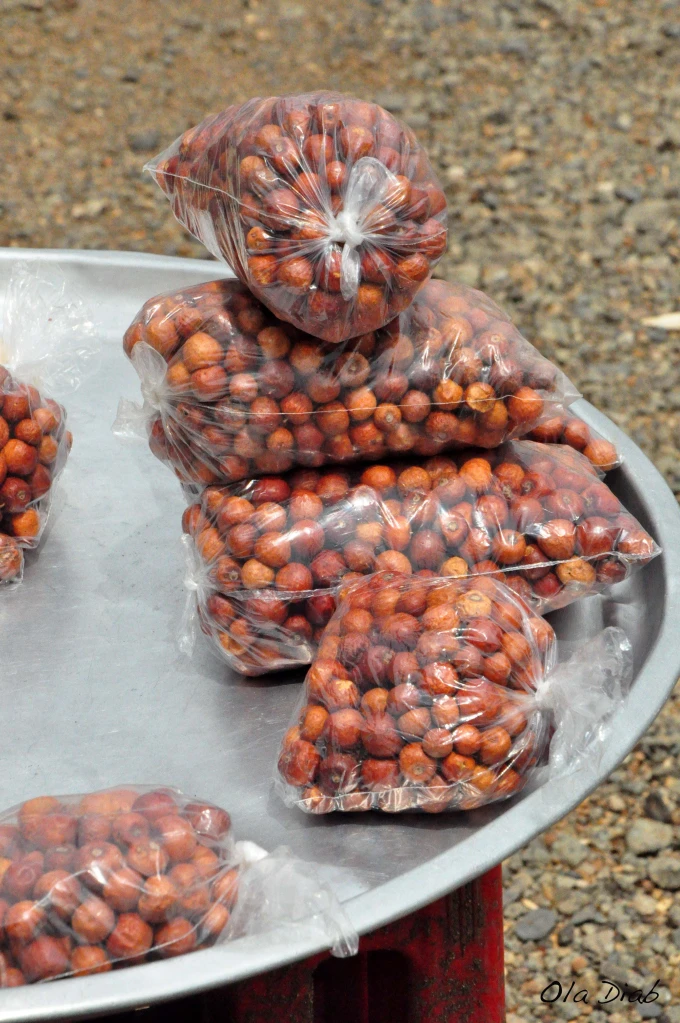
- Balanites (Balanites aegyptiaca): Often referred to as the desert date, this fruit is consumed for its nutritional qualities and medicinal properties. It serves as an ingredient in traditional remedies and can also be processed into flour or other products.
- Additional Varieties: Darfur is home to a variety of other notable wild fruits, each with its own unique characteristics and uses. Amgaggag (Thespesia garckeana), also known as silky kola or ‘goron lula,’ is a fruit prized in Darfur for its sweet taste and bright yellow color. It is consumed by both young and old and is recognized for its medicinal benefits, being rich in iron, phosphorus, and vitamins. The Doum palm (Hyphaene thebaica) produces an edible oval fruit and has versatile leaves used for weaving baskets and mats. Grewia species, locally known as ‘Gudeim,’ are also found in Darfur, with their fruits being utilized for their nutritional and medicinal properties, often made into a drink particularly beneficial for pregnant women due to their high iron content. Additionally, based on their presence in Sudan, other wild food trees like Sclerocarya birrea (Marula), Cordia africana, Diospyros mespiliformis, Ficus sycomorous, and Vangueria madagascariensis are likely to be found in Darfur, each with their own traditional uses and nutritional profiles. The wide array of wild fruits available in Darfur presents a significant opportunity for diversification and economic development.
The diversity of these fruits not only attests to Darfur’s rich natural heritage but also creates prospects for niche markets both locally and abroad.
Table: Key Wild Fruit Varieties in Darfur
| Wild Fruit Variety | Primary Locations in Darfur | Main Uses |
| Baobab (Adansonia digitata) | Widely distributed | Food, beverages, medicine, source of water, fiber |
| Tamarind (Tamarindus indica) | Southern Darfur, Kordofan | Culinary ingredient (pulp), beverages, traditional medicine |
| Balanites (Balanites aegyptiaca) | Western Darfur, Kordofan | Food (fruit, leaves, kernels), fodder, traditional medicine, oil extraction, fuel |
| Amgaggag (Thespesia garckeana) | Mount Merra region | Edible fruit (chewing gum), traditional medicine |
| Doum Palm (Hyphaene thebaica) | Areas with groundwater | Edible fruit, leaves used for weaving |
| Grewia spp. (Gudeim) | Savanna zone | Edible fruit (fresh, juice, dried), traditional medicine |
| Marula (Sclerocarya birrea) | Sudan | Edible fruit, oil from kernels, traditional medicine |
| Cordia africana | Sudan | Edible fruit, timber, fuelwood, shade tree |
| Diospyros mespiliformis | Sudan | Edible fruit, timber, traditional medicine |
| Ficus sycomorous | Riverbanks | Edible figs, fodder, firewood, traditional medicine |
| Vangueria madagascariensis | Sudan | Edible fruit, traditional medicine |
Key Locations for Wild Fruit Collection in Darfur
Darfur’s varied ecological zones—from dry woodlands and savannas to riverine ecosystems—offer ideal conditions for wild fruit proliferation. Key areas include:
- Northern and Central Darfur: Regions here provide the optimal climate for baobab and tamarind trees. The interplay of seasonal rains and dry spells promotes fruiting cycles that local communities have adapted to over the generations.
- Western Darfur: This zone is known for a mix of wild fruit species often gathered from scattered and naturally occurring stands. Harvesters benefit from microclimates where lesser-known fruits like certain jujube species thrive.
- Peripheral Areas and Oases: Smaller pockets of vegetation near water bodies or oases within the arid landscape support a range of wild fruit species and help sustain local gathering practices.
Local expertise is critical in determining the best locations and optimal times for collection, ensuring that the sustainable balance of the ecosystem is maintained.
Production Methodologies
Unlike large-scale agriculture, wild fruit production in Darfur is based on traditional collection methods that have evolved over centuries. The process generally follows these stages:
Harvesting
- Seasonal Gathering: Farmers and foragers rely on indigenous knowledge to identify the optimal fruiting seasons. The timing of rains, temperature changes, and fruit maturation cues determine the harvest period.
- Manual Collection: The fruits are carefully picked by hand or with rudimentary cutting tools to avoid damaging the trees and ensure that subsequent fruiting cycles are unaffected.
Post-Harvest Handling
- Cleaning and Sorting: Once harvested, fruits are sorted according to quality, ripeness, and intended use (fresh consumption, drying, or processing into powders and extracts).
- Drying and Preservation: Many wild fruits, particularly baobab pulp or tamarind pods, are sun-dried to extend shelf life. Traditional drying methods often rely on natural sunlight and ventilation.
- Value Addition: In some instances, local practices include further processing such as grinding dried fruits into powders, producing artisanal jams, or extracting concentrates that can be marketed locally or exported.
These methods reflect a balance between maintaining the natural integrity of the fruit and adapting to market requirements, all while utilizing long-held community wisdom.
Economic Potential
Wild fruits in Darfur hold considerable economic promise:
- Nutritional Superfoods: The high nutritional value of fruits like baobab and tamarind positions them as superfoods in the global market. Their integration into dietary supplements and health foods commands premium pricing.
- Diverse Applications: Beyond direct consumption, these fruits can be processed into powders, extracts, juices, and preserves. Each product form finds unique demand in food processing, cosmetics, and traditional medicine.
- Local Livelihoods: The wild fruit sector supports income for rural communities by diversifying income sources. When integrated into organized cooperatives, these activities can catalyze broader socio-economic development.
- Export Opportunities: With growing global demand for organic and ethically sourced ingredients, Darfur’s wild fruits could tap into high-value niche markets abroad, further driving regional economic growth.
The potential economic multiplier effects are significant if systematic approaches are adopted to move from unorganized collection to organized, sustainable production with value chain integration.
Challenges and Opportunities
Challenges
- Environmental Degradation: Climate change, overharvesting, and habitat loss pose threats to natural ecosystems. Unsustainable collection practices may jeopardize the long-term availability of wild fruits.
- Conflict and Socioeconomic Instability: Regional instability in Darfur hampers the development of consistent harvesting, transportation, and marketing infrastructure.
- Infrastructure Limitations: Poor roads, inadequate storage facilities, and insufficient processing technologies reduce quality and market competitiveness, resulting in post-harvest losses.
- Market Informality: The traditional nature of wild fruit harvesting means that there are often few formal quality controls or certification processes. This can limit market entry and price negotiation internationally.
Opportunities
- Rising Health Consciousness: Globally, consumers are increasingly drawn to natural and nutrient-rich foods. This trend creates a ready market for superfoods and organically harvested ingredients.
- Value-Added Products: Investing in processing (such as drying, powdering, or packaging) can transform raw wild fruits into high-value products, attracting premium buyers.
- Sustainable and Ethical Sourcing: Certification as organic or fair trade could boost market prices and ensure sustainable harvesting practices, benefiting both producers and the environment.
- Community Empowerment: Organizing local harvesters into cooperatives can streamline production, improve bargaining power, and open pathways to training and sustainable practices.
By addressing these challenges with innovative strategies, Darfur can unlock the broader economic potential of its natural wild fruits while preserving its ecological heritage.
Recommendations for the Future
To cultivate a thriving and sustainable wild fruit sector in Darfur, the following recommendations are proposed:
- Sustainable Environment Management:
- Develop and implement community-led harvesting guidelines that protect wild fruit resources and ensure long-term ecological balance.
- Promote reforestation and habitat restoration projects to counteract environmental degradation.
- Infrastructure and Capacity Building:
- Invest in basic infrastructure such as roads, storage, and modern processing facilities to reduce post-harvest losses and improve market quality.
- Provide training programs for local harvesters focused on advanced post-harvest techniques, quality control, and business skills.
- Market Development and Certification:
- Encourage the formation of cooperatives to aggregate produce, negotiate better prices, and streamline access to both local and international markets.
- Facilitate organic and fair-trade certification processes that help position Darfur’s wild fruits as premium products.
- Research and Value Addition Innovation:
- Collaborate with research institutions to document indigenous fruit varieties, understand their nutritional profiles, and explore potential new product applications.
- Explore new value-added product development (e.g., baobab powder, tamarind concentrate, or processed desert date snacks) to diversify market offerings.
- Policy Support and Investment:
- Engage with governmental and non-governmental organizations to secure policy support, including subsidies and micro-loans, to support local entrepreneurs.
- Strengthen export partnerships through regional trade agreements that facilitate market access for high-quality, sustainably harvested wild fruits.
Conclusion
Wild fruits in Darfur—exemplified by baobab, tamarind, balanites, and others—represent a unique confluence of cultural heritage, nutritional value, and untapped economic potential. While traditional harvesting methods have sustained local communities for generations, modern challenges such as environmental degradation, insufficient infrastructure, and market volatility demand innovative, sustainable solutions. With careful investment in value addition, infrastructure, and sustainable harvesting practices alongside policies that empower local communities, Darfur’s wild fruit sector can evolve into a significant contributor to both local economies and the global market for natural, high-value ingredients.