
Darfur’s turbulent past and ongoing challenges have not erased a resilient spirit and untapped potential. Today’s recovery efforts herald a new phase in which international cooperation, humanitarian initiatives, and local entrepreneurship aim to restore critical infrastructure, rebuild social systems, and reinvigorate economic activity. This guide outlines the current situation, key sectors for reinvestment, risk mitigation strategies, and actionable recommendations to engage in a transformative recovery process in Darfur.

Understanding the Context
Political & Security Environment
Darfur’s recovery journey is intrinsically tied to its improved security and political stability. While the region still faces intermittent conflict and sporadic violence, coordinated peacebuilding efforts by local organizations, international donors, and multilateral agencies are gradually paving the way for long-term stability. Investors need to recognize the importance of sensitive, conflict-aware strategies that integrate rigorous risk assessments and local stakeholder engagement.
Socioeconomic Landscape
Years of conflict have left scars on Darfur’s economic fabric—with disrupted infrastructure, high unemployment, pervasive poverty, and fragile market networks. Nonetheless, essential sectors like agriculture, artisanal mining, and traditional crafts remain deeply rooted in local livelihoods. Today, recovery is seen as an opportunity not only to rebuild but to modernize these sectors in tandem with humanitarian development initiatives.
Recovery Initiatives and Institutional Framework
International and National Partnerships
The international community continues to play a significant role in Darfur’s recovery. For instance, the United Nations Fund for Recovery, Reconstruction, and Development in Darfur has mobilized multi-stakeholder partnerships to channel resources toward building resilient infrastructures, land rights education, vocational training, and improved access to basic services. Such frameworks provide both a safety net and launching pad for investments that can dovetail with government-led initiatives and local community programs.
Humanitarian-to-Development Transition
Recent reports highlight the critical shift from emergency humanitarian relief to sustainable development. Initiatives—such as AWAFY’s rapid assessment of shelter and resettlement needs—stress the importance of addressing immediate necessities while integrating long-term recovery goals. Investors who align with these dual objectives can support projects that yield both social impact and economic returns.
Key Sectors and Investment Opportunities
- Infrastructure and Public Services
Opportunities
- Transport and Communication: Rebuilding roads, bridges, and communication networks is vital for market integration and regional trade.
- Energy and Water Supply: Investments in renewable energy projects and water purification systems provide essential services and support local industries.
Drivers
- Enhanced logistics, decreased trade disruption, and improved quality of life for residents.
- Opportunities for public–private partnerships (PPP) that lower the cost of capital risk while accelerating project timelines.
- Agriculture and Agribusiness
Opportunities
- Modern Farming Techniques: Introducing sustainable irrigation, agro-processing facilities, and storage solutions to minimize post-harvest losses.
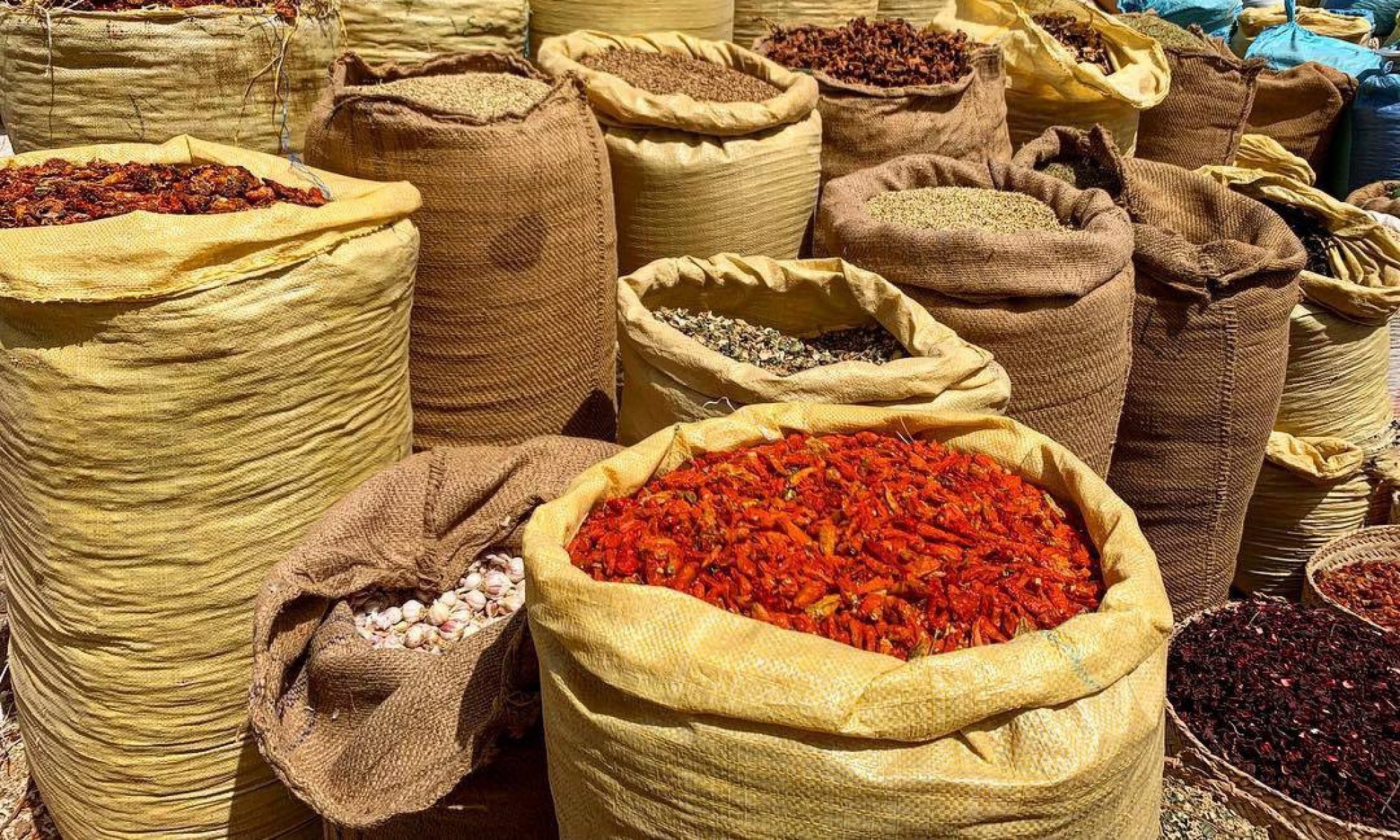
- Value-Added Products: Encouraging the production of niche local products (such as indigenous grains, spices, or artisanal food items) for both local consumption and export.
Drivers
- A resilient farming community eager for modernization.
- Access to international development funds aimed at sustainable agriculture.
- Artisanal Mining and Natural Resource Management
Opportunities
- Formalization and Regulation: Investing in technologies and processes that formalize artisanal gold and mineral mining not only boosts local incomes but also helps ensure environmental and ethical standards.
- Resource Resilience: Enhancing traceability and sustainable extraction methods can attract international buyers committed to ethical sourcing.
Drivers
- The high demand for gold on international markets.
- A crucial step in transitioning from informal practices to a structured, investor-friendly model.
- Digital Financial Services and Market Integration
Opportunities
- Mobile Banking and Microfinance: Developing digital financial platforms to facilitate transactions in an economy largely dependent on informal networks.
- E-Commerce and Market Information Systems: Empowering local traders and small enterprises through improved market transparency and digital connectivity.
Drivers:
- The growing global emphasis on digital inclusion.
- Reduced transaction costs and the promotion of a cashless economy.
Risk Management and Mitigation Strategies
Security and Political Risks
- Due Diligence: Collaborate with local peacebuilding organizations and international risk assessment agencies.
- Security Protocols: Integrate robust security measures for operations, including contingency planning and local partnerships to navigate volatile situations.
Regulatory and Financial Risks
- Legal Framework: Understand Sudanese regulations related to foreign investment, property rights, and local business practices.
- Financial Instruments: Leverage insurance products, guarantee funds, and PPP agreements to cushion against unforeseen regulatory changes.
Social and Environmental Risks
- Sustainable Practices: Prioritize environmentally friendly technologies and community-inclusive projects.
- Cultural Sensitivity: Engage with local communities to ensure that investment projects bolster rather than disrupt communal priorities.
Implementing these risk management strategies allows investors to address challenges while cushioning potential setbacks. Coordination with local experts, NGOs, and international institutions further mitigates operational risks.
Implementation Roadmap
Phase 1: Assessment and Stakeholder Engagement
- Conduct a Comprehensive Situational Analysis: Evaluate local needs, asset distribution, and infrastructural gaps.
- Form Strategic Partnerships: Identify reputable local organizations, governmental bodies, and international agencies committed to Darfur’s recovery.
- Develop a Conflict-Sensitive Investment Framework: Create robust frameworks that integrate risk assessment and sustainability metrics.
Phase 2: Pilot Projects and Capacity Building
- Launch Pilot Investments: Initiate small-scale, high-impact projects in essential sectors such as agriculture modernization or digital financial inclusion.
- Capacity Building: Partner with local institutions and training centers to enhance local skills, ensuring community buy-in and long-term project sustainability.
Phase 3: Scaling Up and Transitioning to Sustainable Growth
- Expand Successful Initiatives: Leverage initial results to scale up projects across recovery sectors.
- Institutionalize Best Practices: Formalize standards for transparent financial management, ethical resource extraction, and community participation.
- Monitor, Evaluate, and Adapt: Establish robust M&E frameworks to refine strategies in real time, ensuring that evolving challenges and opportunities are promptly addressed.
Conclusion and Recommendations
Darfur’s path to recovery is a multifaceted journey—a delicate interplay of rebuilding critical infrastructures, restoring civic trust, and unlocking economic potential. For investors, actively engaging in this transformation means:
- Adopting Conflict-Sensitive, Contextual Investment Strategies: Understand the local dynamics, engage with community stakeholders, and design projects that promote peace and development.
- Investing in Key Growth Sectors: Focus on infrastructure, sustainable agriculture, regulated artisanal mining, and digital financial services as the pillars of a resilient economy.
- Collaborating with International and National Actors: Leverage existing programs and frameworks—such as the United Nations Fund Darfur and local NGO initiatives—to reduce risks and align with broader developmental goals.
- Fostering Sustainable and Inclusive Growth: Ensure that investments not only yield financial returns but also contribute to social cohesion, economic equity, and environmental stewardship.
By embracing these recommendations, investors can help drive a transformative recovery in Darfur—unlocking long-term growth opportunities while fostering stability and sustainable development in one of the region’s most challenging yet promising landscapes.