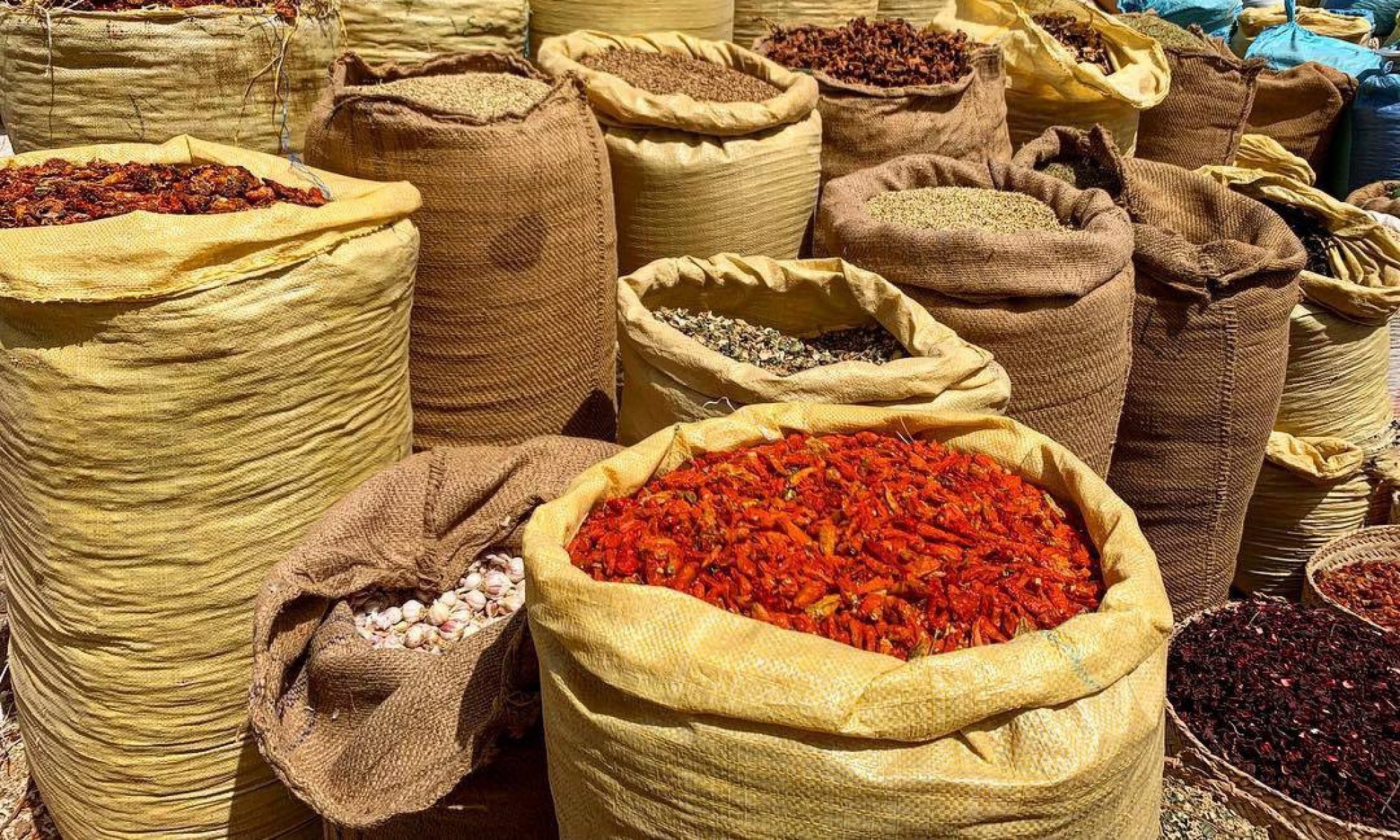

Organic products are those produced in ways that avoid—and, where possible, remove—in the use of synthetic inputs such as pesticides and fertilizers. In many parts of the world, organic agriculture is emerging as both an environmental strategy and a market differentiator, as consumers increasingly seek healthy, sustainably produced food. In Darfur, a region with deep traditional agricultural practices, many farmers have long employed methods that today could be classified as organic. However, while these practices are often sustainable by default, formal recognition, certification, and market organization remain limited. Building on a rich heritage in farming and local trade, promoting organic products offers an opportunity to revitalize rural economies and support long-term peace and resilience in the region.
Overview of the International Market for Organic Products
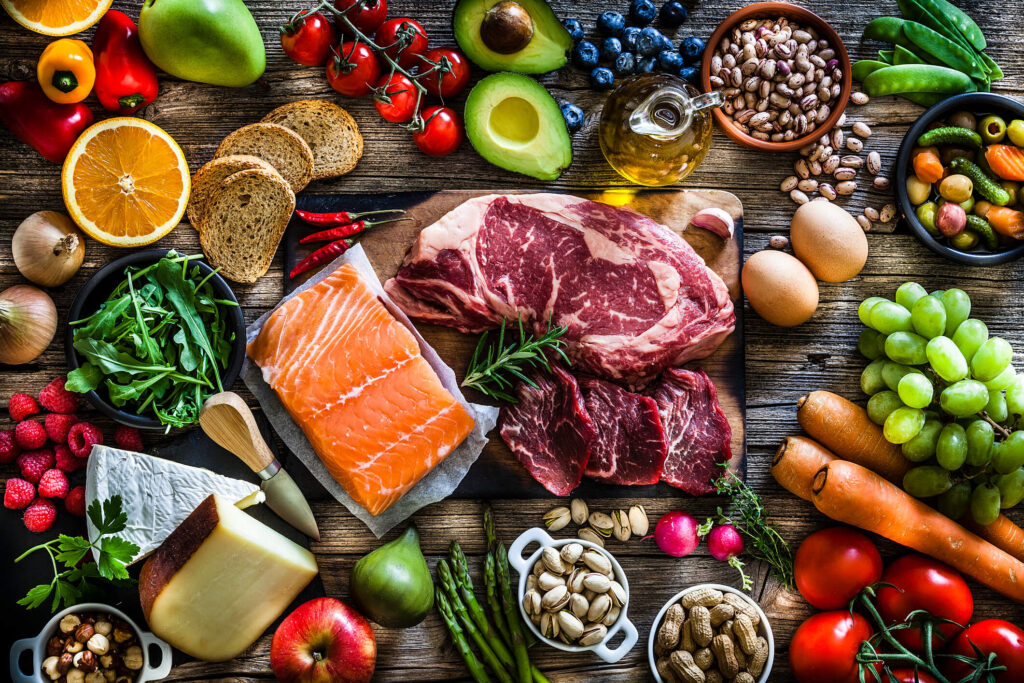
Globally, the organic products market has experienced impressive growth over the past decade. Recent market research projects that the global organic food market will continue to expand at high compound annual growth rates (CAGR). For instance, analyses indicate that the global market could reach several hundred billion dollars within the next few years—with key growth driven by rising consumer health awareness, increased concerns about food safety, and environmental sustainability. Regions such as Europe and North America have long been leaders in organic consumption, while emerging markets are rapidly increasing their share of the market. Many studies also note that premium pricing and demand for ethically produced, certified organic foods provide lucrative opportunities for producers who can supply them with assurance of quality and sustainability.
Current Status of Organic Products in Darfur
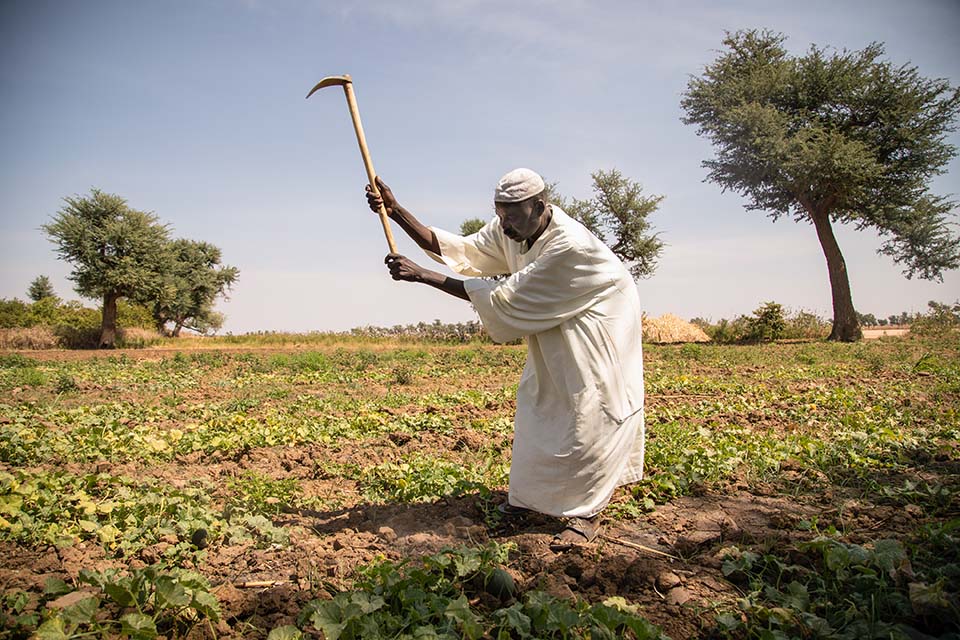
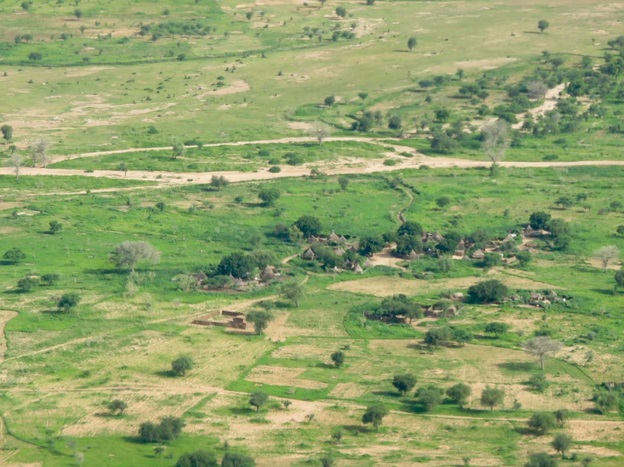
In Darfur, many smallholder farmers are already engaged in practices that align with organic principles. Traditional methods such as mixed cropping, rainwater harvesting, and minimal chemical use have been passed down through generations. A study of production and trade in fresh vegetables in North and West Darfur illustrates that, although most produce is grown using naturally sustainable methods, there is very limited formalization of these practices. In other words, while the majority of produce is “organic” by essence, the absence of formal certification systems or widely recognized labeling means that such products rarely benefit from the premium market channels available in more organized sectors.
The local market remains largely informal, with community‐based practices governing production and trade. Conflict, displacement, and infrastructural challenges have further hindered efforts to bring organic products into recognized market frameworks. As a result, while Darfur’s farmers produce high-quality, chemical-free produce, their products have not yet been fully harnessed to tap into a growing international demand for certified organic goods .
Challenges and Opportunities
Challenges
- Lack of Formal Certification and Standards: Although traditional agricultural practices often produce organically grown crops, there is little in the way of formal, standardized certification in Darfur. Without certification, it is difficult for producers to access premium markets or benefit from export opportunities where verifiable organic status is essential.
- Infrastructural and Institutional Constraints: Years of conflict have led to inadequate infrastructure—poor storage facilities, unreliable transportation networks, and limited extension services—which impede the organization and marketing of organic produce. Weak institutional capacity also complicates the establishment and maintenance of quality assurance systems.
- Market Access and Price Volatility: Insecure market conditions and logistical hurdles restrict the consistent flow of organic products to broader or international markets. Price volatility and disrupted supply chains further undermine the ability of farmers to leverage the price premiums that organic products might command.
- Security and Land Use Challenges: Ongoing conflicts and land rights issues create uncertainties affecting long-term investments in organic production. Without stable access to cultivable land and predictable market conditions, many farmers hesitate to invest in processes (such as certification or organic inputs) that require sustained commitment.
Opportunities
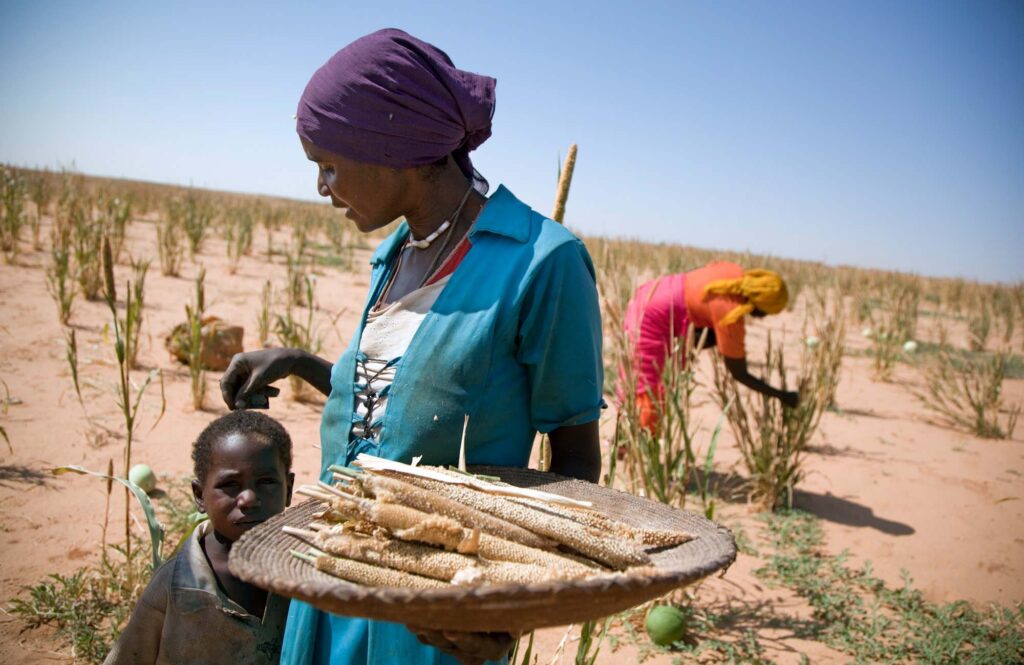
- Inherent Traditional Practices: Many Darfuri farmers already practice methods that align with organic principles. By drawing on these existing practices, stakeholders can develop narratives that emphasize the “natural” and heritage aspects of Darfur’s produce. Authenticity and tradition can be significant selling points in international markets.
- Rising Global Demand: International consumer trends favor organic foods, driven by increased health consciousness and environmental awareness. This growing demand presents an opportunity for producers in Darfur to enter niche international markets that pay premium prices for certified, sustainably sourced products .
- Cooperative and Community-Led Models: Forming farmer cooperatives can help pool resources, share best practices, and negotiate collective certification. Cooperative models can also facilitate investments in technology, marketing, and logistics—helping to overcome some of the existing infrastructural constraints.
- Partnerships with NGOs and International Donors: Several international agencies and non-governmental organizations are increasingly interested in supporting sustainable agriculture in conflict-affected regions. These partnerships could provide technical assistance, training, and financial support to help standardize and expand organic production in Darfur.
Recommendations
To harness the potential of organic products in Darfur and address the challenges outlined above, the following recommendations are proposed:
- Develop Local Certification and Quality Assurance Schemes:
- Adapt Certification Models: Work with international bodies to develop locally adapted organic certification systems that validate traditional practices while meeting global standards.
- Capacity Building for Extension Services: Train local agricultural extension workers in organic standards and certification procedures to assist farmers in transitioning to formal organic production.
- Strengthen Infrastructure and Institutional Support:
- Rebuild Key Infrastructure: Invest in upgrading transportation, storage, and processing facilities to ensure that organic produce can be safely and efficiently brought to market.
- Enhance Institutional Capacity: Collaborate with government agencies, international donors, and NGOs to develop robust institutional frameworks that support organic agriculture, including market information and dispute-resolution mechanisms.
- Promote Cooperative and Collaborative Models:
- Facilitate Farmer Cooperatives: Encourage the formation of local cooperatives to collectively invest in certification, marketing, and technological improvements.
- Engage in Collective Branding: Develop community-led branding initiatives that highlight the traditional and sustainable nature of Darfur’s organic produce—building recognition in both domestic and international markets.
- Leverage International Partnerships and Market Linkages:
- Forge Trade Relationships: Establish direct linkages with international buyers and organic food distributors by participating in trade fairs and digital marketplaces dedicated to organic products.
- Utilize Donor Funding: Seek targeted funding from international donors focused on sustainable agriculture and post-conflict economic reconstruction to build capacity and pilot innovative organic projects.
- Invest in Research and Extension Services:
- Document Traditional Practices: Conduct participatory research to document existing indigenous organic practices and integrate these findings into modern training curricula.
- Pilot Demonstration Projects: Establish model farms and pilot projects that showcase best practices in organic production, serving as learning hubs for local communities.
Organic products in Darfur represent a significant, yet underutilized, opportunity. While traditional farming practices already yield produce that is essentially organic, the lack of formal certification and infrastructural challenges limit market access and financial rewards. At the same time, the rapid expansion of the international organic market and growing consumer demand for sustainably produced goods offer a promising avenue for economic development.
By establishing locally adapted certification systems, strengthening infrastructure, fostering cooperative models, and forging robust partnerships with international stakeholders, Darfur can unlock the potential of its organic sector. Such efforts could not only enhance farmer incomes and food security but also contribute to broader peacebuilding and sustainable development initiatives in this conflict-affected region.