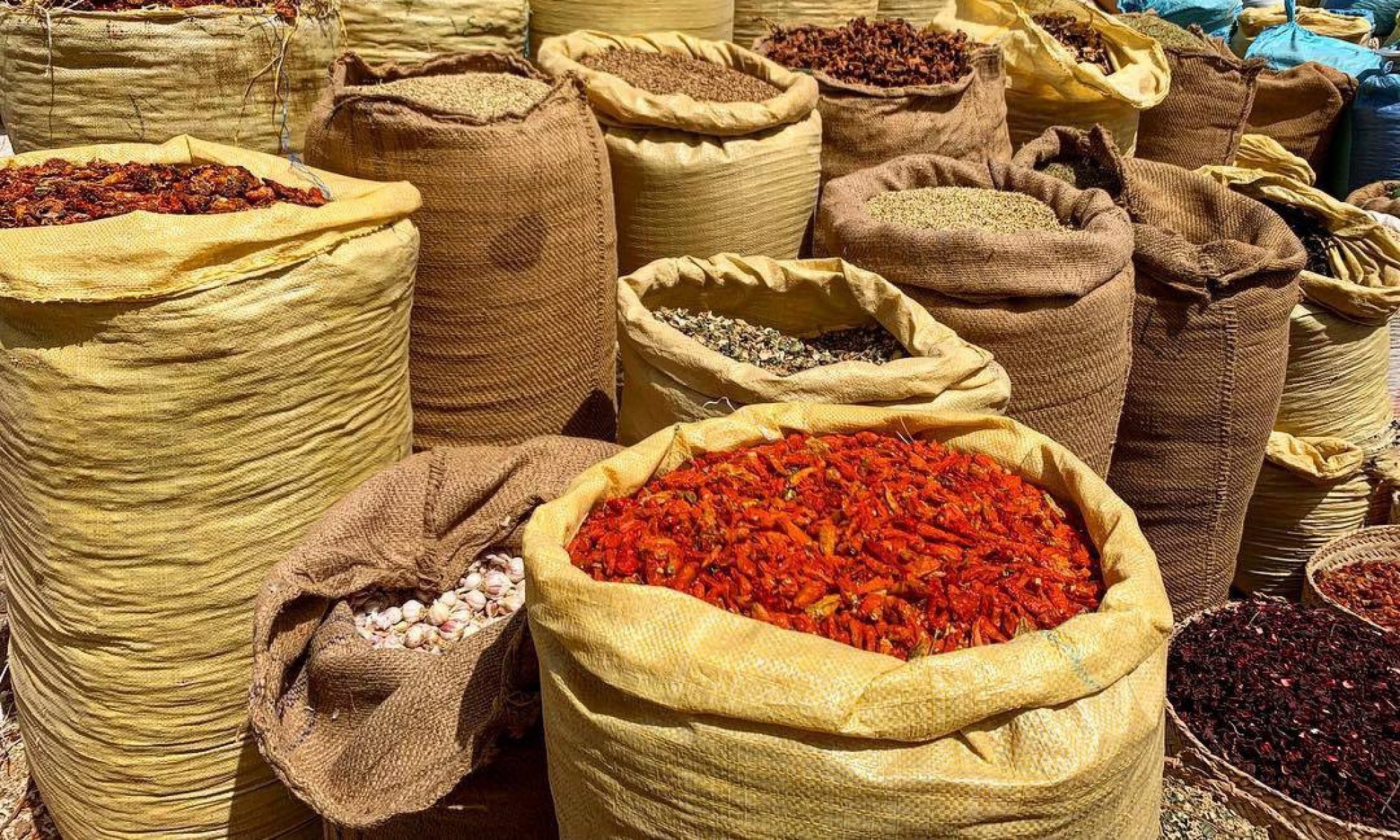

Spices and seasonings are among the world’s most valued food ingredients. Integral to cultural identity and culinary traditions, they enhance flavor, preserve food, and even offer health benefits. In Darfur—a region with a deep-rooted heritage of using indigenous herbs and spices in daily cooking—spices and seasonings are not only essential to traditional cuisine but also represent a potential sector for economic diversification and value addition. Despite being produced largely on a small scale and distributed through informal channels, Darfur’s unique culinary legacy offers opportunities to connect with expanding global, clean-label, and organic markets.
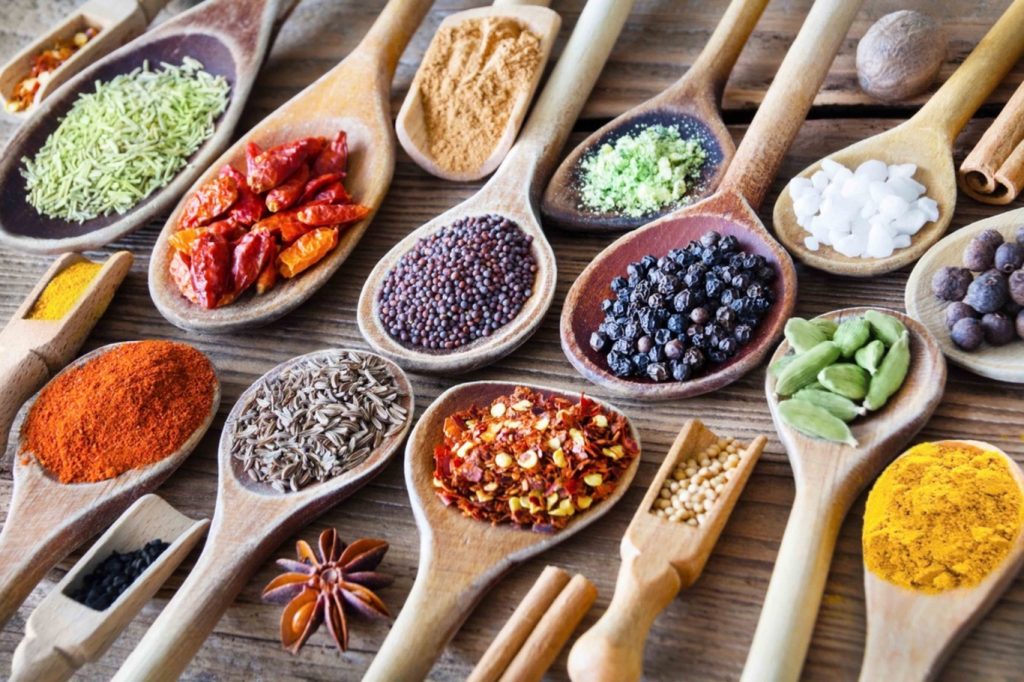
Overview of the Global Market for Spices and Seasonings
The global spices and seasonings market has experienced steady growth and significant transformation in recent years. In 2024, the industry was valued at over USD 24.5 billion and is projected to reach around USD 34.2 billion by 2030, growing at a compound annual growth rate (CAGR) of approximately 5.7% 2. Key drivers for this expansion include:
- Changing Consumer Preferences: Increasing health awareness and a shift toward clean-label, organic products have spurred demand for natural spices free from synthetic additives.
- E-Commerce and Direct-to-Consumer Channels: Advances in digital marketing and online retail have enabled even niche spice producers to access wider markets and offer specialized blends.
- Product Innovation: Manufacturers are introducing new formulations such as liquid seasonings and functional spice blends aimed at international cuisines, further driving market diversification.
This robust global market sets a high standard in quality and consistency that presents both a challenge and an opportunity for spice producers in emerging regions like Darfur.
Current Status of Spices and Seasonings Production in Darfur
Traditional Production and Processing
In Darfur, the production of spices and seasonings remains deeply intertwined with centuries-old culinary traditions. Traditionally, local farmers and households have relied on indigenous knowledge and natural processing methods. Techniques such as sun-drying, smoking, and natural fermentation are used both to preserve seasonal herbs and to enhance their flavor profiles. These methods, rooted in cultural practices, offer natural means of preservation and develop the characteristic aromas found in Darfuri cuisine.
While many spices are grown wild or cultivated on small plots, much of the processing occurs at the household or community level without formal quality controls. The absence of standardized certification, however, limits the ability of producers to access premium or export markets that demand traceable, high-quality products.
Key Spices and Seasonings
Though detailed studies on specific spice varieties in Darfur are limited, available evidence and culinary traditions indicate that the region makes extensive use of several key ingredients, including:
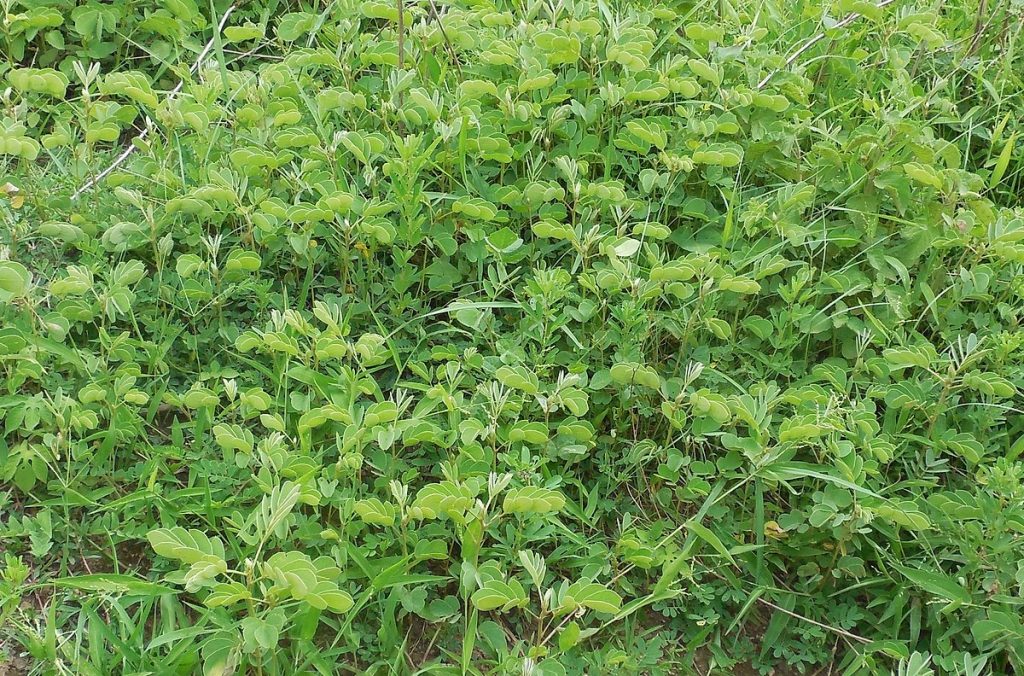
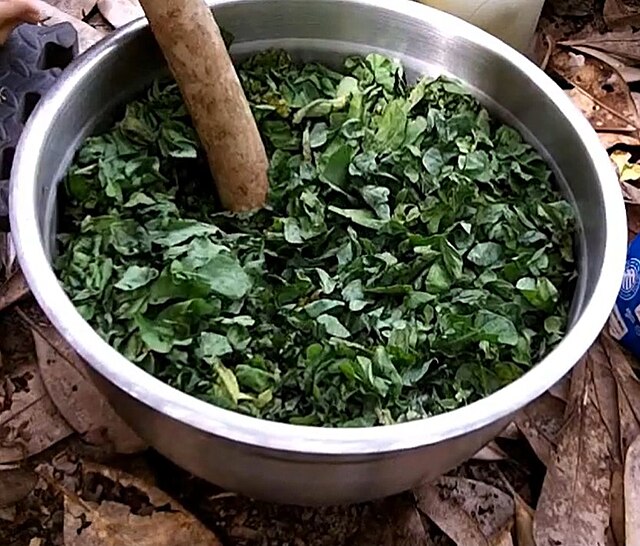
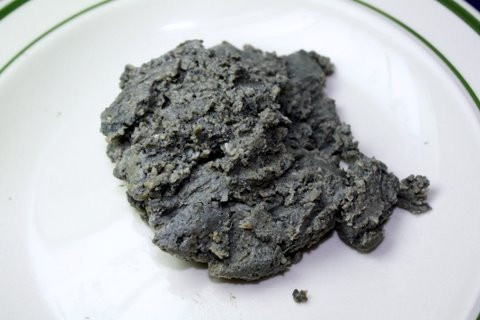
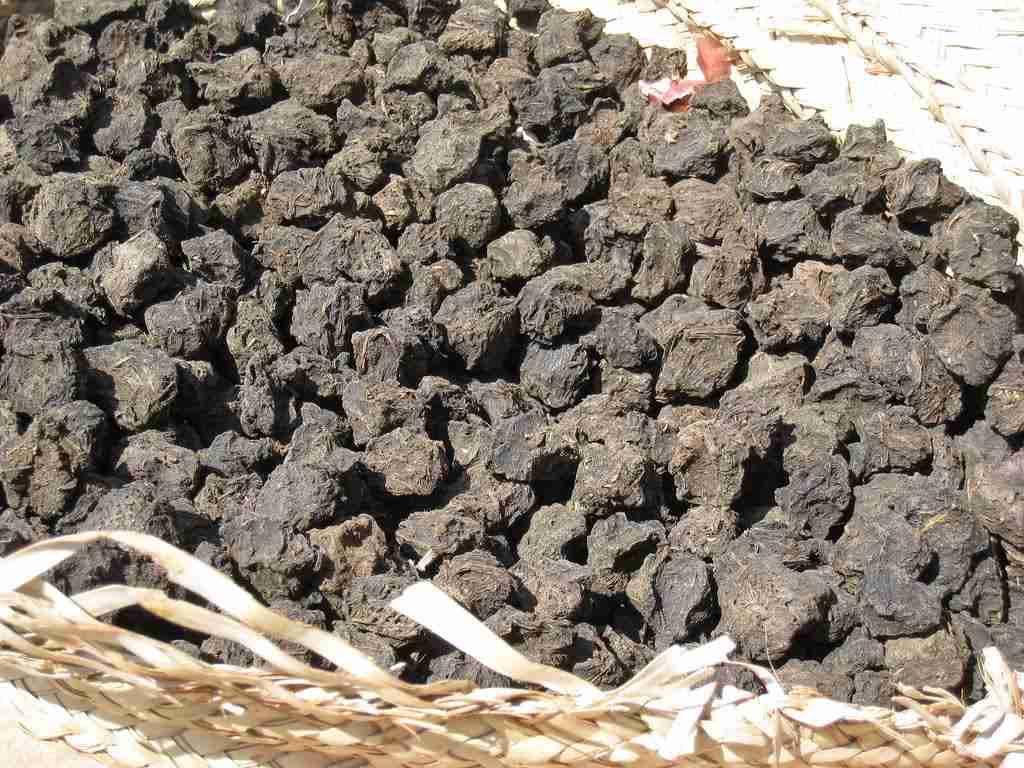
| Kawal | is food made of fermented leaves used as a meat substitute indigenous to western Sudan, in particular the Kordofan and Darfur provinces, and eastern Chad. In urban areas, it is used as a condiment, similarly to black pepper. It is also used as a primary protein source, substituting or extending meat or fish in stews and sauces. It is created from the fermented leaves of Cassia obtusifolia, a toxic wild legume also known as the kawal plant. |
| Hibiscus (Karkade) | Widely cultivated and consumed as a refreshing drink, Karkade also has culinary uses. |
| Dried Okra (Bamya) | Although technically a vegetable, dried okra is used extensively as a flavoring and thickening agent in stews and other dishes, effectively functioning as a seasoning. |
| Sesame Seeds (Simsim) | While primarily an oilseed, sesame seeds are also used as a seasoning, adding a nutty flavor to foods. |
| Dried Onions | used in the preparation of many traditional dishes such as stew (Mullah) for Asida. |
| Dried Garlic | Available, but not commonly used in traditional dishes |
| Cumin and Coriander | Widely used in local stews and meat dishes. |
| Turmeric | Employed both as a coloring agent and flavor enhancer, aligning with its global recognition as a health-promoting spice. |
| Black Pepper and Chili | Adding heat and complexity to recipes, these spices are integral in flavoring traditional dishes. |
| Local Herb Blends | Various indigenous herbs with aromatic and medicinal properties are used in Darfurian cuisine. These may include wild-gathered varieties as well as cultivated ones. Local names and specific uses require further documentation. |
These spices are essential not only for flavor but also for their cultural and nutritional significance in Darfuri diets.
Key Locations
Spices and seasonings production in Darfur is largely decentralized and localized. Production tends to be concentrated in areas with strong agricultural traditions and established local food processing practices. Key locations include:
- North Darfur: Rural communities here use traditional sun-drying and smoking methods to process herbs and spices, often serving local and regional markets.
- South Darfur: Given its relatively better rainfall and agricultural productivity, South Darfur likely has the most significant production of cultivated spices and herbs.
- West Darfur: Urban centers and trading hubs, such as those near El Fasher, act as critical nodes where processed spices are exchanged within local value chains.
- Areas around major towns: Gardens and small farms around cities like Nyala, El Fasher, and Geneina often cultivate some spices and herbs for local consumption.
- Rural and internally displaced person (IDP) camps: Home gardens in these areas can be important sources of spices and herbs for household use.
These areas are not only centers of production but also gather points for cultural exchange, underpinning the culinary heritage of the region.
Economic Potential
The economic potential of spices and seasonings in Darfur is significant, albeit currently underexploited. Opportunities include:
- Value Addition and Market Differentiation: By adopting standardized processing and certification, Darfuri spices can command premium prices in both domestic and international markets that increasingly favor traceable, organically produced ingredients.
- Regional Trade: There might be opportunities to trade unique Darfurian spices and herbs with other regions of Sudan and potentially even neighboring countries.
- Export Opportunities: The growing global demand for sustainable and natural products offers a clear pathway for niche exports. With improved infrastructure and quality assurance, Darfuri spices could access markets in Europe, North America, and Asia.
- Cultural Branding: The uniqueness of Darfur’s culinary heritage can be leveraged to create a strong brand identity that resonates with consumers seeking authentic, traditional food products.
- Income Diversification: Supporting smallholder producers and local cooperatives would not only boost household incomes but also contribute to broader regional economic recovery and stability.
By addressing current challenges, there is potential for the spices and seasonings sector in Darfur to become a driver of rural development and sustainable economic growth.
Challenges and opportunities
Challenges:
- Limited Data and Research: There is a lack of comprehensive data on spice and herb production, marketing, and consumption in Darfur. Further research is needed.
- Lack of Infrastructure: Poor infrastructure, including roads and storage facilities, hinders the development of the spice and herb sector.
- Climate Variability and Drought: Darfur’s climate is prone to droughts, which can negatively impact spice and herb production.
- Limited Access to Inputs and Technology: Farmers often lack access to quality seeds, fertilizers, and improved farming techniques.
- Conflict and Displacement: Ongoing conflict and displacement have disrupted agricultural activities and limited access to land and resources.
Opportunities:
- Promoting Sustainable Cultivation Practices: Introducing sustainable farming methods can improve yields and protect the environment.
- Supporting Research and Development: Investing in research on suitable varieties, improved cultivation techniques, and post-harvest handling can boost productivity and quality.
- Empowering Women: Providing women with training, resources, and access to markets can empower them economically.
- Developing Cooperatives: Forming cooperatives can help farmers access inputs, credit, and markets.
- Linking to Markets: Connecting producers to local and regional markets is crucial for realizing the economic potential of spices and herbs.
- Promoting Local Consumption: Raising awareness about the nutritional and culinary benefits of local spices and herbs can increase demand.
Recommendations
To help unlock the economic potential of spices and seasonings in Darfur, a coordinated, multi-stakeholder approach is essential. Recommendations include:
- Develop Locally Adapted Certification and Quality Assurance:
- Collaborate with international organizations to establish certification systems that validate the quality and sustainability of Darfuri spices.
- Train local extension workers and producers on standardized processing techniques that maintain traditional quality while meeting export standards.
- Invest in Infrastructure and Modern Processing Facilities:
- Improve storage, packaging, and transportation networks to reduce post-harvest losses and ensure consistent product quality.
- Establish community-level processing centers equipped with modern drying and milling technologies while respecting traditional methods.
- Promote Cooperative Models and Capacity Building:
- Encourage the formation of farmer cooperatives to pool resources, facilitate bulk certification, and negotiate better prices within both local and international markets.
- Provide technical training in agricultural best practices, digital market information systems, and modern food processing methods.
- Leverage Digital and Market Linkages:
- Utilize digital platforms for improved market information, online sales channels, and export promotion.
- Facilitate partnerships with local traders, regional buyers, and international spice distributors through trade fairs and e-commerce initiatives.
- Cultural Branding and Marketing:
- Develop marketing strategies that highlight Darfur’s rich culinary heritage and traditional production methods as unique selling points.
- Promote “Made in Darfur” spices through storytelling and cultural events that build consumer trust and brand recognition.
- Policy Support and Investment:
- Engage governmental and non-governmental organizations in offering incentives such as grants, low-interest loans, and technical support geared toward sustainable spice production.
- Prioritize investments in rural infrastructure, including roads and energy supply, to support the entire value chain from production to market access.
Spices and seasonings in Darfur represent an untapped resource with tremendous cultural and economic potential. While traditional practices have long sustained local culinary heritage, the lack of formal processing, certification, and organized market structures currently limits growth. In a global market that increasingly values natural, organic, and traceable products, Darfur’s indigenous spice sector can flourish—provided that coordinated steps are taken to upgrade infrastructure, build capacity, and promote standardized quality.
By embracing a strategy that honors traditional methods while integrating modern technologies and market best practices, stakeholders in Darfur can transform the spice and seasoning sector into a robust engine of economic development and cultural pride, driving sustainable growth in a region eager for economic renewal.