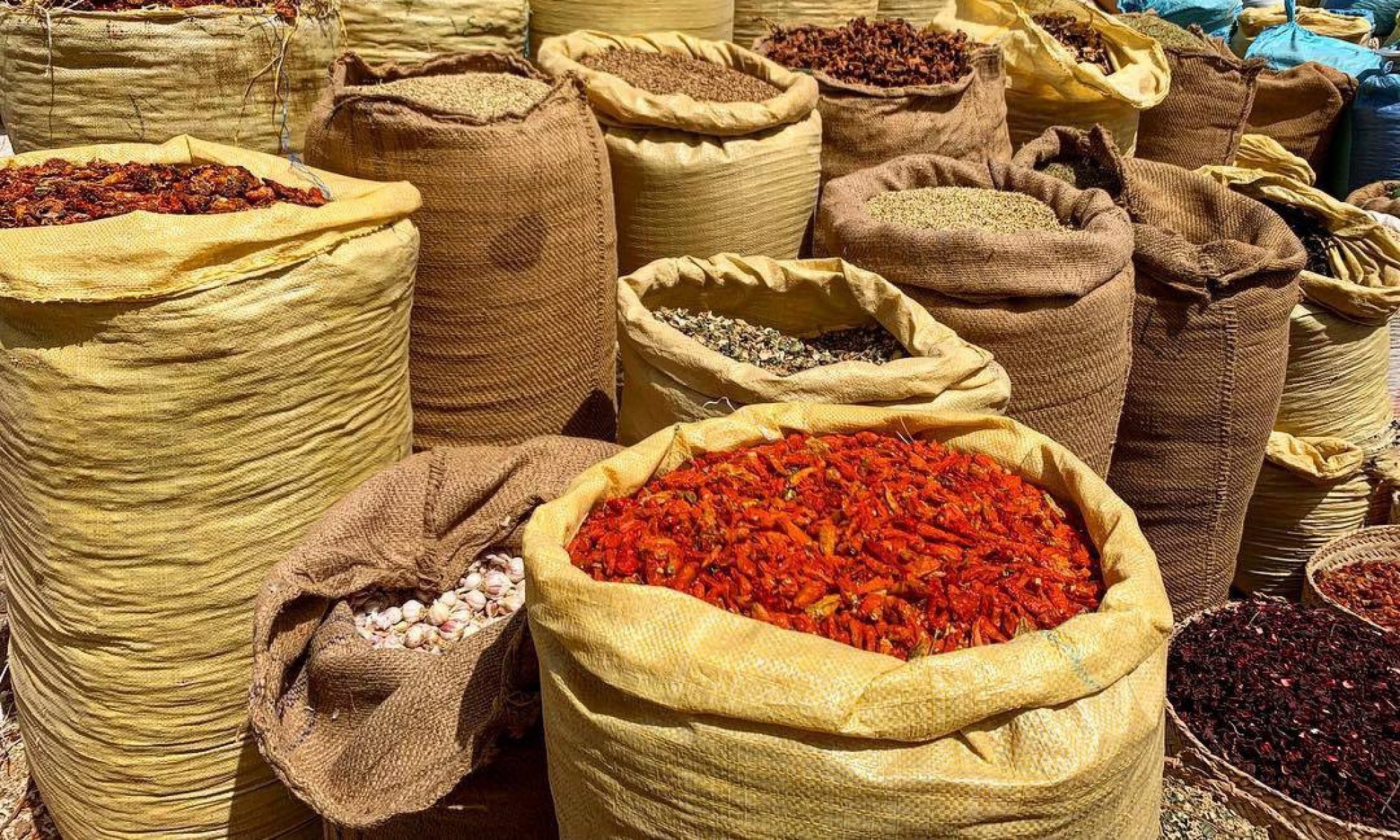

Pottery is one of the oldest and most enduring traditional crafts in Darfur. Rooted in ancient cultural practices and relying on locally sourced clay from riverbanks, Darfur’s pottery has long been integral to daily life, serving both functional and ceremonial purposes. Despite decades of conflict and economic challenges, many communities in Darfur continue to produce handcrafted ceramic vessels and decorative items. Revitalizing this ancient craft requires a careful blend of preserving traditional techniques and integrating modern tools, market access, and sustainable practices.
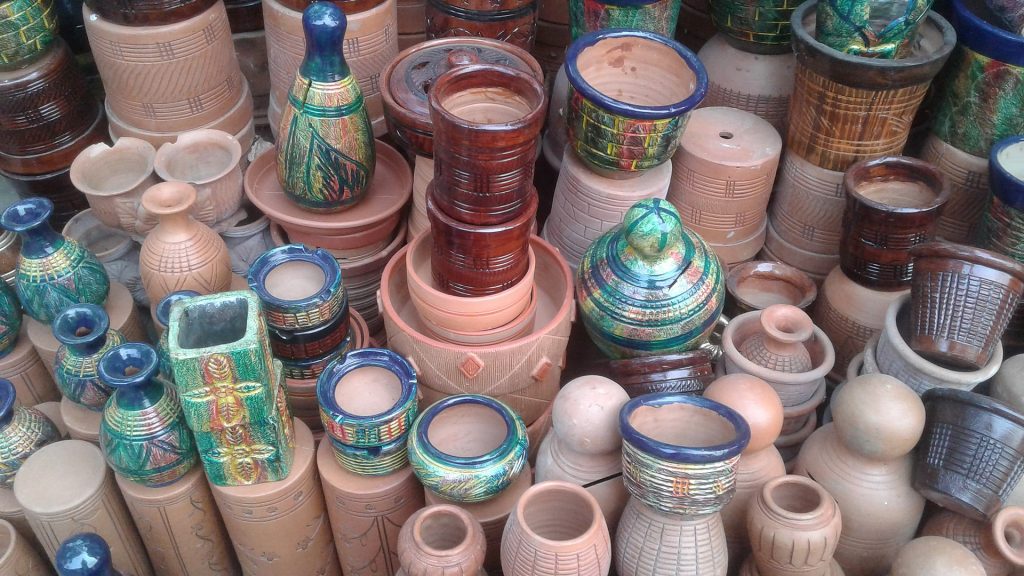
Global Market Overview for Pottery
The international market for pottery and ceramics is dynamic and diverse, balancing mass-produced items with a growing appreciation for artisanal handmade works. Key trends include:
- Market Scale and Growth: The global ceramics market was valued at over USD 10 billion in 2021 and is expected to grow at a compound annual growth rate (CAGR) of around 3–4% up to 2030. While a significant portion of the market is driven by construction (e.g., tiles and sanitary ware), the artisanal segment—encompassing tableware, decorative items, and unique art ware—has also grown steadily. Consumers in North America, Europe, and Asia increasingly seek authentic, handcrafted products that offer cultural uniqueness.
- Sustainability, Handmade Appeal & Customization: A rising consumer focus on sustainable, eco-friendly, and culturally rich products has boosted the appeal of artisanal pottery. In parallel with the global movement toward sustainability and ethical production, pottery made using low-impact traditional methods is attracting niches of buyers in home décor and specialized tableware sectors.
- Digital Transformation and E-Commerce: The proliferation of e-commerce platforms (like Etsy, Amazon Handmade, and others) has enabled small-scale producers worldwide to access global markets directly. Artisanal producers who can offer unique, certified products have the potential to command premium prices.
These trends suggest that regional producers, when properly supported through quality improvements and effective branding, can find niche markets that value tradition, sustainability, and heritage.
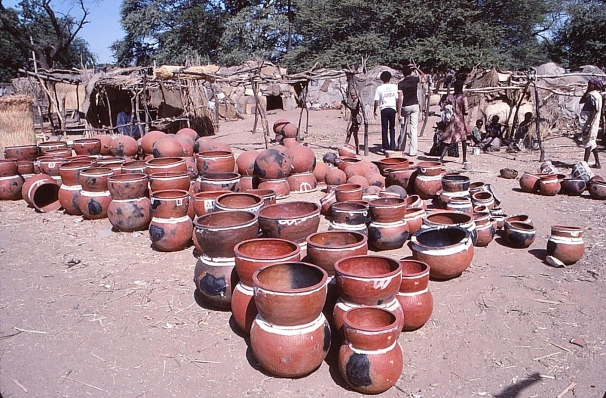
Current Status of the Pottery Industry in Darfur
Traditional Production Methods
- Material Sourcing and Craft Techniques: In Darfur, pottery production is based on time‑honored methods. Artisans source clay locally from riverbanks and alluvial deposits and shape it by hand. Traditional techniques—such as pinch pot formation, coiling, and mold pressing—are used to create functional items like pots, jars, and bowls as well as decorative objects.
- Decoration and Finishing: Many pieces are decorated with intricate patterns and designs that often carry symbolic meanings. Natural pigments, slip, and sometimes limited glazing techniques provide both protective finishes and distinctive aesthetics—reflecting the cultural identity of the artisan community.
- Informal and Household-Level Production: Production is primarily informal and decentralized. Most pottery is made in small, home-based workshops or community studios. Although this system preserves traditional knowledge, it often limits output volume, quality standardization, and market scale.
Evolving Context Amid Socio-Political Challenges
- Impact of Conflict and Displacement: Prolonged conflicts in the region have disrupted traditional supply networks and market channels. However, resilient communities continue production despite sporadic insecurity and infrastructural deficits.
- Limited Formalization and Market Visibility: Whereas local pottery is essential for everyday use and ceremonies, there is minimal formalization (such as quality certification or branding) which limits its penetration in higher-value domestic or export markets.
Key Products
The pottery produced in Darfur can be broadly categorized into functional and decorative items:
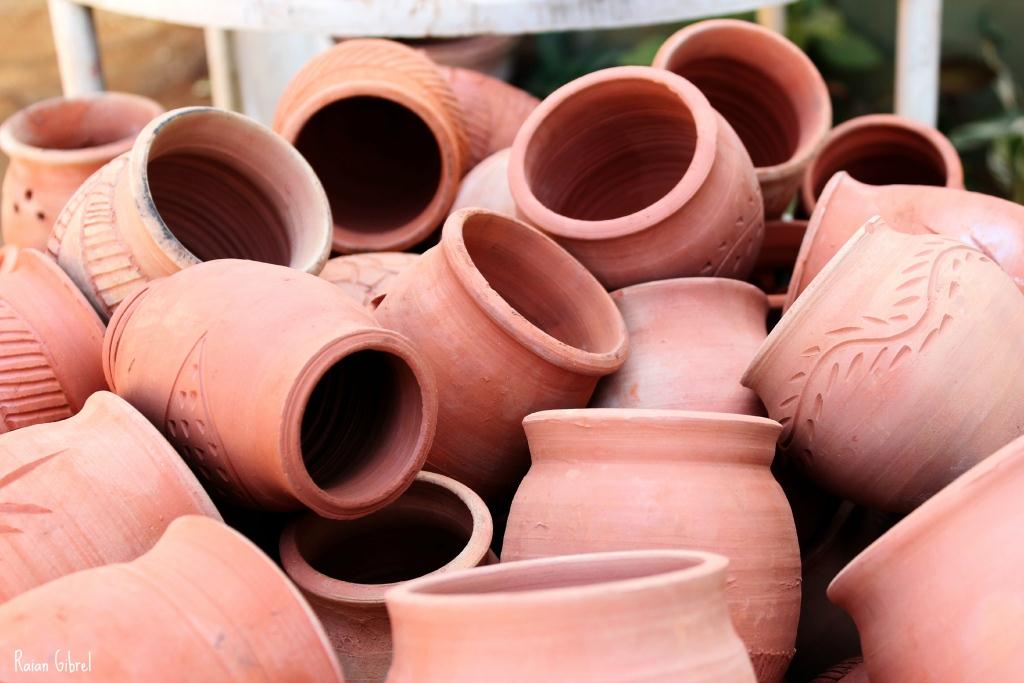
Functional Pottery:
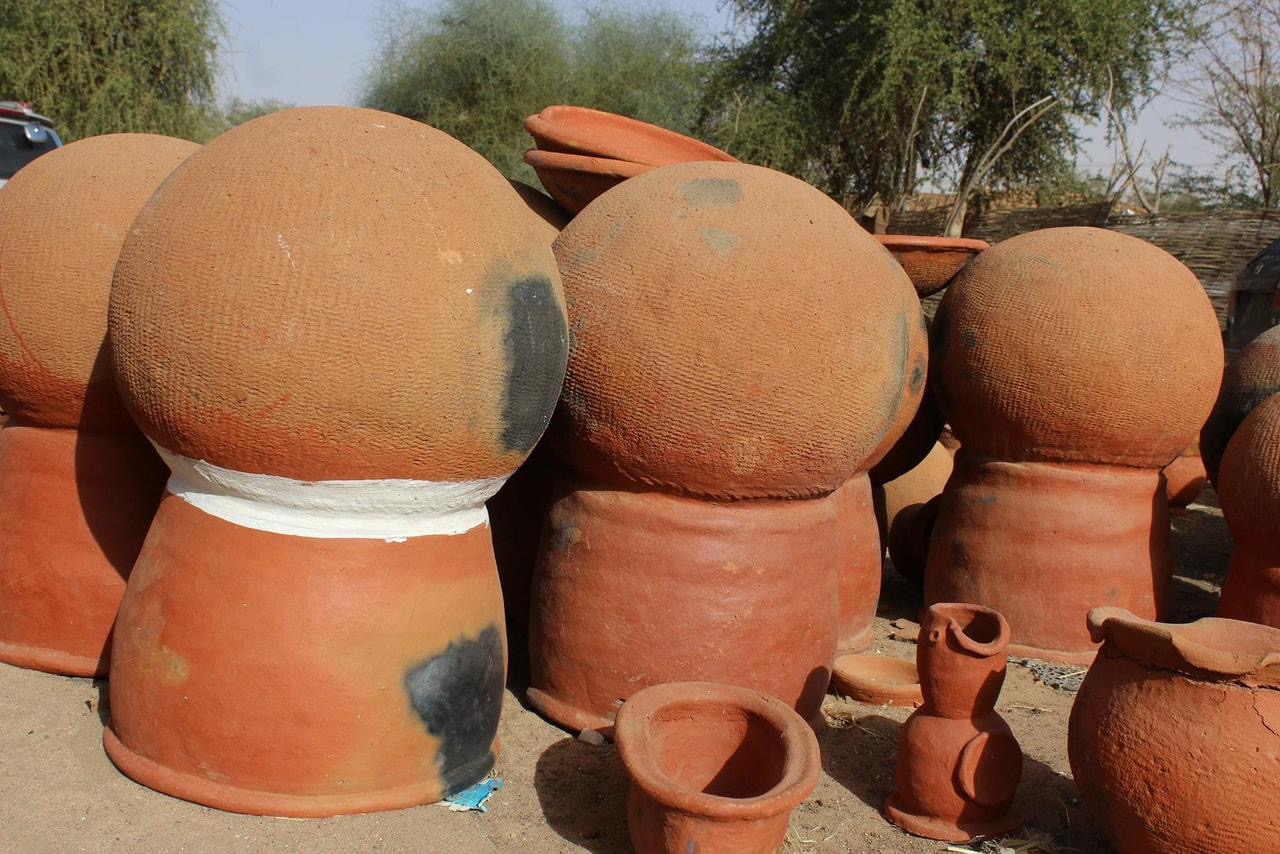
- Cooking and Storage Vessels: Traditional water pots, cooking vessels, and storage jars are integral to rural households.
- Tableware: Bowls, plates, and cups, often handcrafted with simple yet durable designs.
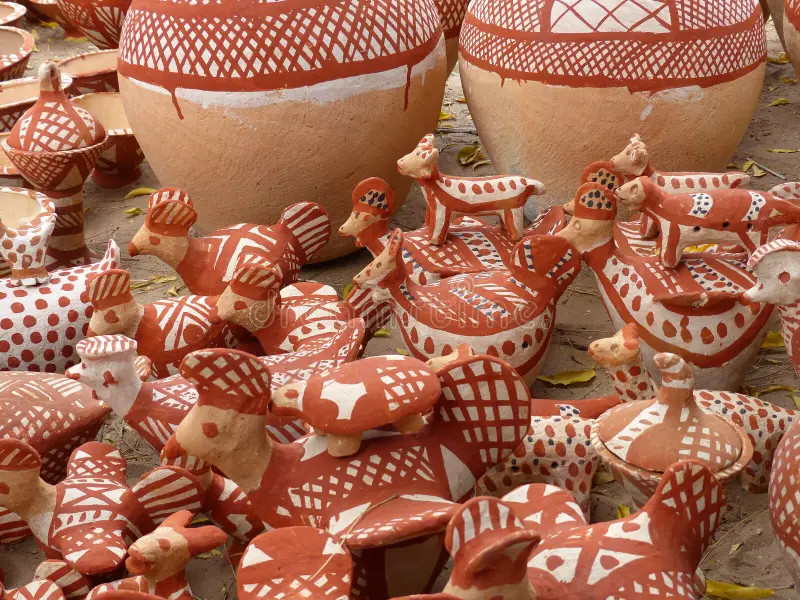
Decorative and Ceremonial Pottery:
- Artistic Pottery: Ornamental pieces such as vases, figurines, and decorative jars that frequently feature culturally specific patterns and motifs.
- Cultural Artifacts: Items used in rituals or as heirlooms, which may carry symbolic or historical significance within communities.
Key Locations
Pottery production in Darfur is regionally distributed, with some areas recognized for their enduring craft traditions:
- El Fasher (North Darfur): El Fasher historically serves as a cultural and trade hub. Here, artisanal pottery is produced by established communities familiar with traditional techniques. Local markets and cultural centers help in preserving and showcasing these crafts.
- Rural Villages Across Darfur: In many rural settings, pottery remains a household craft. Villagers produce everyday items using locally sourced clay. Although production is small-scale, these communities are the keepers of unique regional designs and methods.
- Other Urban Centers such as Nyala and Geneina: Smaller towns and suburban markets also have clusters of artisans. While these areas might be less renowned than El Fasher, they contribute significantly to pottery’s role in regional trade and cultural expression.
Economic Potential
The economic potential for pottery in Darfur is multifaceted:
- Niche Market Appeal: Authentic Darfuri pottery, with its rich cultural designs and sustainable production methods, can be branded as a heritage product. With appropriate certification and marketing (e.g., a “Made in Darfur” label), these items can attract upscale domestic and international buyers.
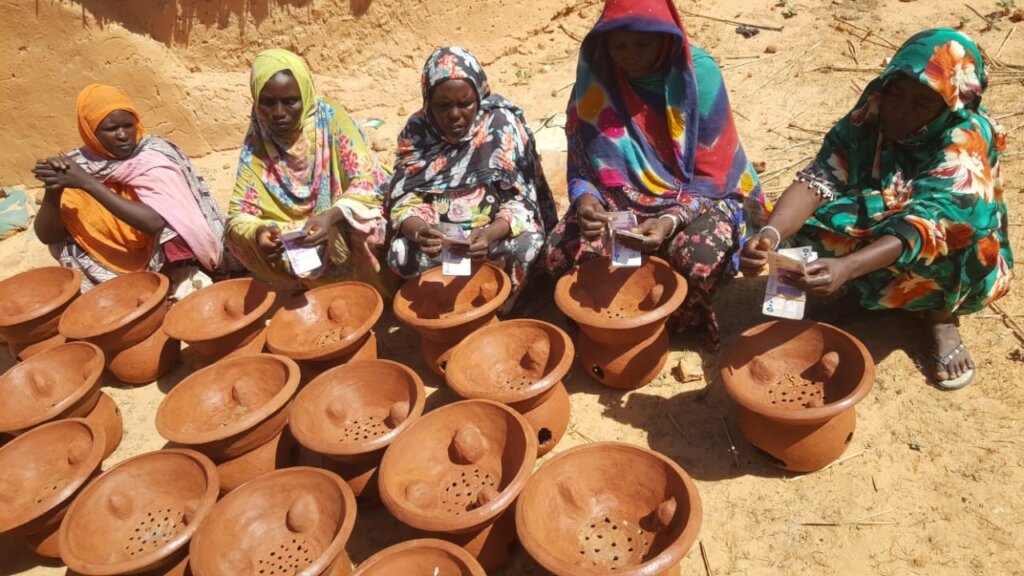
- Job Creation and Rural Development: Revitalizing pottery production can generate jobs not only for potters but also for ancillary services such as dye sourcing, packaging, and transport. This would be particularly valuable for rural communities and displaced populations seeking income diversification.
- Export and Tourist Markets: As cultural tourism recovers, artisanal pottery can find market opportunities in souvenir and decor segments. Moreover, strategically tapping into global e-commerce platforms could open direct trade channels with niche collectors and design-conscious consumers.
- Value Addition: Investments in modern yet culturally sensitive processes (e.g., improved kilns, quality control, and design innovation) could transform raw or minimally finished pottery into value-added products that command premium prices in international markets.
Challenges & Opportunities
Challenges
- Conflict and Insecurity: Ongoing regional instabilities disrupt production, hinder transport, and discourage external investment.
- Infrastructure Limitations: Poor road networks, unreliable electricity, and limited access to modern kilns or processing equipment lead to inconsistent quality and lower productivity.
- Fragmented Informal Production: Decentralized, household-based production lacks economies of scale and standardized quality, making it harder to penetrate formal markets.
- Limited Financial and Technical Support: Many artisans have minimal access to microcredit, technical training in modern techniques, or platforms to share best practices.
Opportunities
- Global Trends Favoring Handcrafted and Sustainable Products: There is growing worldwide consumer interest in artisanal, eco-friendly, and culturally rich products—an opportunity for Darfuri pottery if it is effectively branded.
- Digital Marketing and E-Commerce Expansion: Online platforms can help small-scale potters reach niche markets globally without relying on traditional intermediaries.
- Cooperative and Value Chain Development: Encouraging the formation of artisan cooperatives can help standardize quality, aggregate production, and facilitate access to credit and technical assistance.
- Cultural Tourism and Heritage Promotion: Cultural festivals, exhibitions, and heritage tours can provide additional market avenues, enhancing both local pride and revenue generation.
Recommendations
To revitalize and expand the pottery sector in Darfur, the following multi-pronged strategy is recommended:
- Invest in Infrastructure and Technology:
- Establish communal processing centers equipped with modern, energy-efficient kilns and quality control laboratories.
- Improve local transportation networks and storage facilities to reduce post-production losses and maintain product quality.
- Capacity Building and Training:
- Organize regular training workshops to introduce modern techniques that complement traditional skills—covering improved clay preparation, firing technologies, and innovative decorative techniques.
- Facilitate access to microfinance and low-interest credit to help artisans invest in better tools and facilities.
- Formation of Producer Cooperatives:
- Encourage local potters to form cooperatives to pool resources, standardize designs, and negotiate collectively for better prices in local and export markets.
- Support the creation of branding initiatives (e.g., “Made in Darfur Pottery”) that emphasize authenticity, quality, and cultural heritage.
- Leverage Digital Platforms and Market Linkages:
- Develop e-commerce websites and utilize social media to promote Darfuri pottery globally.
- Facilitate participation in regional and international craft fairs and cultural exhibitions to build networks with buyers and investors.
- Strengthen Policy Support and Partnerships:
- Advocate for government policies that support artisan sectors, including subsidies, tax breaks, and infrastructure investment specifically targeted to cultural industries.
- Partner with international development agencies and NGOs focused on cultural preservation and economic recovery to secure technical and financial assistance.
Pottery in Darfur represents a confluence of ancient tradition, artistic expression, and economic potential. While decades of conflict and infrastructural limitations have challenged this sector, the resilience of local artisans remains evident. Global trends increasingly favor unique, sustainable, and handcrafted products—a niche in which Darfuri pottery can excel. By investing in modern infrastructure, skill development, cooperative organization, and digital marketing, the pottery sector in Darfur can be revitalized, unlocking significant economic and cultural benefits for local communities. This integrated strategy promises not only to enhance artisans’ livelihoods but also to preserve and celebrate a rich heritage for future generations.