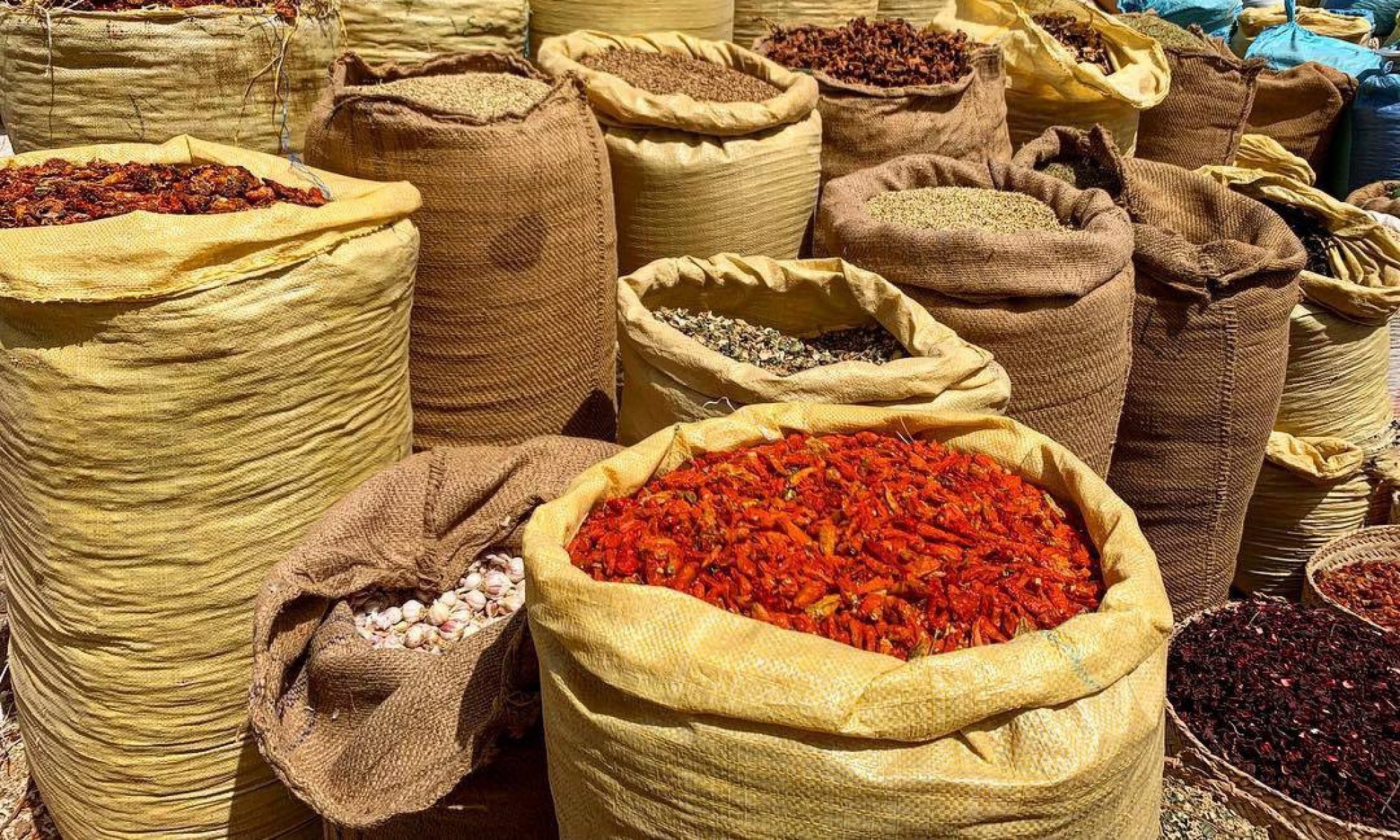

The global market for medicinal herbs is experiencing substantial growth, driven by increasing consumer preference for natural health products and their expanding applications across pharmaceutical, nutraceutical, and cosmetic industries. Darfur, a region in western Sudan, is endowed with a rich biodiversity and a long tradition of using medicinal herbs for various health conditions. This section provides a detailed analysis of the medicinal herb sector in Darfur, encompassing the global market context, key varieties found in the region, their geographical distribution, traditional uses, and cultivation methodologies. The report also examines the economic potential of these herbs, along with the challenges and opportunities associated with developing this sector. Finally, it offers recommendations for the future to promote the sustainable and ethical development of Darfur’s medicinal herb industry, aiming to contribute to local livelihoods and economic growth.
Global Market Overview for Medicinal Herbs
Current Market Size, Growth Trends, and Future Projections
The global herbal medicine market demonstrates significant economic activity and growth potential. In 2024, the market was valued at USD 233.08 billion. Another estimate places the market size at USD 214.32 billion in 2024, with a projected increase to USD 235.5 billion in 2025. A more conservative valuation estimates the market at USD 100.12 billion in 2024, expecting it to reach USD 113.45 billion by 2025. Yet another report indicates a valuation of USD 70.57 billion in 2023, forecasting USD 87.03 billion for 2024. Furthermore, a different analysis estimates USD 146.6 billion in 2023, with projections reaching USD 248.6 billion by 2030. A particularly optimistic forecast suggests a market size of USD 87.05 billion in 2024, growing to USD 105.24 billion in 2025 and potentially reaching USD 580.81 billion by 2034.
The anticipated growth rate for this market is also substantial. Projections indicate a compound annual growth rate (CAGR) of 8.23% from 2025 to 2032 1, 9.9% from 2024 to 2025, and 10.9% from 2024 to 2033. Other reports suggest a CAGR of 20.91% from 2024 to 2030 5, 6.8% from 2023 to 2030, and 13.32% from 2025 to 2034, with one report highlighting a significant 20.9% CAGR during the forecast period.
Looking ahead, the global herbal medicine market is expected to reach considerable valuations. By 2032, it could amount to USD 437 billion, while projections for 2029 stand at USD 356.25 billion. By 2034, the market is anticipated to reach USD 580.81 billion or USD 349.61 billion, with another estimate predicting USD 248.6 billion by 2030. The consistent indication of substantial growth across various independent market research reports underscores the increasing global interest and demand for herbal medicines. While the specific figures for market size and CAGR may vary due to differences in report scope and methodology, the overall trend points towards a promising sector for regions like Darfur to explore.
Market Segmentation by Application
1. Segmentation by Application
Medicinal herbs are incorporated across various industries. Three principal application segments include:
- Pharmaceutical: In this segment, herbal ingredients are used as active pharmaceutical ingredients (APIs) or as complementary agents in drug formulations. Products range from standardized extracts to complete herbal formulations intended for clinical use. A strong focus on safety, standardization, and clinical validation is essential here. The pharmaceutical segment benefits from the steady demand for natural remedies that offer fewer side effects compared to conventional drugs.
- Nutraceutical: Herbal supplements, teas, and extracts are popular as nutraceuticals because they satisfy consumer demand for natural products that promote health and prevent common ailments. These products, often marketed as dietary supplements, are integrated into daily wellness routines and benefit from rising consumer awareness related to lifestyle and chronic health issues. The nutraceutical segment is one of the fastest growing areas in the global herbal market as more consumers seek natural alternatives for health enhancement.
- Personal Care: The personal care and beauty sector increasingly incorporates herbal ingredients in products such as skincare creams, shampoos, perfumes, and other cosmetic items. There is a growing consumer interest in clean label and organically sourced ingredients that are gentle on the skin and environment. Traditionally, extracts from medicinal herbs are valued in this segment for their antioxidant, anti-inflammatory, and soothing properties.
Market research indicates robust growth across these application segments—with a premium often placed on products that offer certifications (organic, fair trade, or geographic indications) that verify ethical and sustainable sourcing 2.
2. Segmentation by Form
Medicinal herbs are processed into a variety of forms that cater to different consumer and industrial needs. The primary forms include:
- Powder: Herbal powders are one of the most common forms. They are created by drying and grinding plant parts such as leaves, roots, or stems. Powders are versatile, used either as direct dietary supplements or as the base for further extraction. Due to their stability and ease of transport, they are favored in both traditional formulations and modern nutraceutical products.
- Liquid: Liquid forms encompass herbal extracts, tinctures, and concentrates. Liquids often provide faster bioavailability and are convenient for people looking for rapid assimilation. They are widely used in both pharmaceutical preparations and in the nutraceutical and personal care sectors—especially in formulations that require a consistent, standardized concentration of herbal actives.
- Capsules (and Tablets): Encapsulated herbal preparations are popular, particularly within the nutraceutical industry. Capsules offer clear advantages in terms of dosing accuracy, consumer convenience, and extended shelf life. Moreover, standardized tablets and capsules facilitate quality control, which is highly valued by regulatory agencies and consumers alike.
Each form has its own market dynamics and associated distribution challenges. Manufacturers often select the form based on the intended application, ease of absorption, and consumer preferences, with many companies offering a portfolio of these formats to capture different segments of the market.
3. Geographic Segmentation
The global herbal medicine market is segmented regionally, reflecting differences in consumer behavior, regulatory environments, and traditional medicine practices:
- North America: This region is highly driven by consumer health awareness and a growing nutraceutical sector. Modern lifestyles, a preference for natural, organic products, and relatively high purchasing power contribute to strong market demand. North America also emphasizes rigorous quality control and certification, which supports premium pricing.
- Europe: Europe has historically maintained a significant share of the herbal medicine market, with strong consumer interest in natural therapies and alternative medicine. Regulatory frameworks here encourage thorough standardization and safety verification, reinforcing consumer trust.
- Asia-Pacific: The region is a key market due to the deep-rooted traditions in herbal medicine—evident in practices such as Traditional Chinese Medicine and Ayurveda. Asia-Pacific not only has a large internal market but also serves as a production hub for herbal ingredients and value-added products destined for global markets.
- Latin America: An emerging market where both traditional practices and modern wellness trends are merging. There is growing consumer interest in indigenous herbs and plant-based remedies, and the region is building on its rich biodiversity.
- Middle East & Africa: In regions like Darfur, locally sourced medicinal herbs are gaining prominence, especially when combined with international certification programs. These regions are beginning to tap into niche markets that prize authenticity and sustainability. Local producers are increasingly aware of global trends in natural health products, which opens up opportunities for export and regional collaboration.
A recent study from Fortune Business Insights highlighted that the global herbal medicine market, segmented by form and application, is forecast to reach USD 437 billion by 2032—with regional demand driven by factors such as consumer lifestyle changes, increasing chronic ailments, and advanced quality controls in manufacturing
Key Drivers and Restraints Influencing the Global Market
The global medicinal herbs market has experienced robust growth, driven by increasing consumer interest in natural products and alternative medicine. Several key trends characterize this market:
- Health and Wellness Trends: Consumers around the world are turning to herbal remedies for their perceived safety and holistic benefits. This trend is supported by rising awareness of natural products, particularly for chronic conditions and preventive health.
- Sustainability and Organic Demand: There is a growing preference for sustainably sourced, organic herbal products. Certifications such as organic, fair trade, or geographic indications further enhance market appeal and allow producers to command premium prices.
- Diversification of Applications: Worldwide, medicinal herbs are used in dietary supplements, pharmaceuticals, cosmetics, and even functional foods. This diversification drives investment in research, quality control, and innovative processing technologies.
- Market Growth and International Trade: Traditional medicine plays a significant role in countries across Asia, Africa, and Latin America. As global trade expands, niche markets for single-origin and authentically sourced medicinal herbs are emerging.
These global market dynamics offer an encouraging outlook for regions like Darfur, where the natural abundance of medicinal herbs can be harnessed to meet rising international demand.
Key Medicinal Herb Varieties in Darfur
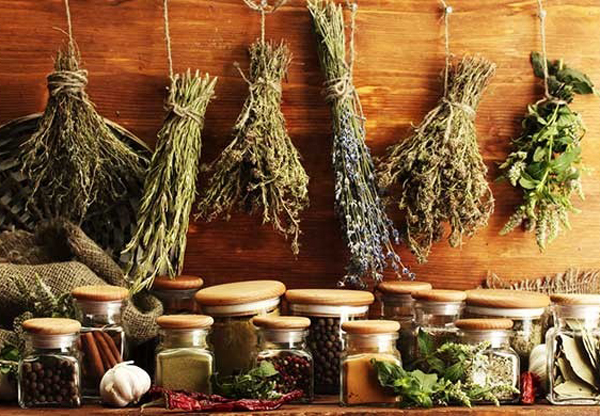
Local traditional knowledge identifies a number of medicinal herbs in Darfur known for their healing properties. Some key varieties include:
- Frankincense (Boswellia papyrifera): Traditionally burned as incense and used to prepare herbal remedies with anti-inflammatory and analgesic properties.
- Myrrh (from various Commiphora species): Valued for its antiseptic, wound-healing, and anti-inflammatory effects, myrrh has been incorporated into traditional formulas for centuries.
- Desert Wormwood (Artemisia herba-alba): Known locally for its digestive and antimicrobial benefits, it is often used in infusions and poultices.
- Ziziphus (Ziziphus spina-christi): Commonly used as a remedy for gastrointestinal and respiratory ailments, this plant forms a staple in local medicinal preparations.
- Desert Date (Balanites aegyptiaca): Not only a nutritional fruit, this species also plays a role in treating digestive disorders and other health conditions.
These species, among others, form the backbone of Darfur’s traditional therapeutic practices, offering diverse bioactive compounds that appeal to both local and global markets.
Table 1: Key Medicinal Herbs in Darfur, Their Traditional Uses, and Potential Economic Applications
| Family/plant name (voucher number) | Local name | Habit | Part used | Ailment treated | Mode of preparation and application |
|---|---|---|---|---|---|
| Acanthaceae Blepharis linariifolia Pers. (BH/BL1122) | Alsieha | Herb | Whole plant | Urine retention | Decoction, potions |
| Alliaceae Allium sativum L (BH/AS1122) | Thoom | Herb | Bulb | Haemorrhoids | Infusion, wash |
| Apiaceae Foeniculum vulgare Mill. (BH/FV1221) | Shamar | Herb | Fruit | Stomach ache | Infusion, potions |
| Apocynaceae Calotropis procera (Aiton) Dryand. (HB/CP0722) | Usher | Shrub | Bark | Wounds | Powder, sprinkle |
| Haemorrhoids | Poultice | ||||
| Arecaceae Leptadenia arborea (Forssk.) Schweinf. (HB/LA0222) | Marrkh | Shrub | Bark | Kidney Stones | Decoction, potions |
| Aristolochiaceae Aristolochia bracteolata Lam. (HB/AB1121) | Um galagil | Herb | Whole plant | Malaria | Infusion, potions |
| Tooth ache | Poultice, filling tooth cavity | ||||
| Scorpion sting | Freshly crush, rub | ||||
| Asphodelaceae Aloe sinkatana Reynolds (HB/AS0322) | Sabbar | Herb | Root | Tonsillitis | Infusion, mouth wash |
| Asteraceae Ambrosia maritima L. (HB/AM1121) | Damesisa | Herb | Seed | Diarrhoea | Infusion, potions |
| Geigeria alata Benth. & Hook.f. ex Oliv. (HB/GA1221) | Algassgas | Herb | Whole plant | Diabetes | Infusion, potions |
| Catarrh | Steam, inhalation | ||||
| Psiadia punctulata Vatke (HB/PP0322) | Tibag | Shrub | Root | Swellings | Poultice |
| Pulicaria crispa (Forssk.) Oliv. (HB/PC1121) | Alrihan | Herb | Whole plant | Stomach pain | Decoction, potions |
| Boraginaceae Cordia sinensis Lam. (HB/CS0622) | Andram | Tree | Bark | Wounds | Powder, sprinkle |
| Heliotropium sudanicum F.W.Andrews (HB/HS1121) | Gash alagrrab | Herb | Leaf | Scorpion bite | Freshly crush, rub |
| Brassicaceae Raphanus sativus f. aka-daikon (HB/RS1221) | Figile | Herb | Root | Kidney Stones | Decoction, potions |
| Burseraceae Boswellia papyrifera (Hochst.HB/BP0422) | Tarag tarag | Tree | Gum | Corona virus | Decoction, potions |
| Cold/cough | Decoction, potions | ||||
| Diabetes | Decoction, potions | ||||
| Capparaceae Cadaba glandulosa Forssk. (HB/CG0622) | Kourmot | Tree | Leaf | Kalaazar | Poultice |
| Wounds | Poultice | ||||
| Maerua crassifolia Forssk (HB/MC0422) | Sarrh | Tree | Bark | Wounds | Poultice |
| Caricaceae Carica papaya L. (HB/CP0122) | Papya | Tree | Fruit | Eczema | Poultice |
| Combretaceae Terminalia brownii Fresen. (HB/TB0422) | Sobag | Tree | Bark | Rheumatic pain | Smoke fumigant |
| Cucurbitaceae Citrullus colocynthis (L.) Schrad. (HB/CC0522) | Hanzal | Herb | Leaf | Rheumatic pain | Poultice |
| Seed | Malaria | Decoction, potions | |||
| Gonorrhoea | Decoction, potions | ||||
| Scorpion sting | Poultice | ||||
| Momordica dioica Roxb. Ex Willd. (HB/MD0222) | Al erieri | Herb/creeper | Root | Abortive | Decoction, potions |
| Fabaceae Albizia anthelmintica (A.Rich.) Brongn. (HB/AN1121) | Um Takarny | Tree | Bark | Anthelmintic | Decoction, potions |
| Bauhinia rufescens Lam. (HB/BR1121) | Kolkol | Tree | Bark | Diabetes | Decoction, potions |
| Cassia arereh Delile (HB/CA1121) | Gaga | Tree | Bark | Malaria | Decoction, potions |
| Rhynchosia minima (L.) DC. (HB/ RM0122) | Shgr Dabib | Herb | Root | Snake bite | Freshly crush, rub |
| Rabies | Poultice | ||||
| Senegalia mellifera (Benth.) Seigler & Ebinger (HB/SM0522) | Kitir | Shrub | Bark | Syphilis | Ash, poultice |
| Senegalia senegal (L.) Britton (HB/SS0522) | Hashab | Tree | Gum | Kidney disorder | Decoction, potions |
| Senna alexandrina Mill. (HB/SA1121) | Sanamaka algezo | Herb | Whole plant | Constipation | Decoction, potions |
| Senna italica Mill. (HB/SI1121) | Sana sana | Herb | Whole plant | Constipation | Decoction, potions |
| Senna obtusifolia (L.) H.S.Irwin & Barneby (HB/SO0522) | Kawal | Herb | Seed | Jaundice | Powder mixed with fresh milk, Potions |
| Tephrosia purpurea (L.) Pers. (HB/TP0522) | Mardoyaa | Herb | Whole Plant | Wounds | Poultice |
| Trigonella foenumgraecum L. (HB/FF1121) | Hilaba | Herb | Seed | Stomach pain | Infusion, potions |
| Diabetes | Raw, swallow | ||||
| Vachellia nilotica subsp. Adstringens (Schumach.) Kyal. & Boatwr. (HB/VN1121) | Sunut | Tree | Leaf | Abscess | Poultice |
| Fruit | Corona virus | Decoction, potions | |||
| Vachellia oerfota var. oerfota (HB/VO1121) | El Ifein | Shrub | Fruit | Tooth ache | Poultice |
| Root | Snake bite | Freshly crush, rub | |||
| Scorpion sting | Poultice | ||||
| Lamiaceae Ocimum basilicum L. (HB/OB1221) | Rayhan | Herb | Whole plant | Rheumatic pain | Smoke fumigant |
| Evil eye | Smoke fumigant | ||||
| Lythraceae Punica granatum L | Ruman | Shrub | Fruit | Giardia | Maceration, potions |
| Adansonia digitata L. (HB/AD0622) | Tabaldi (gongolase) | Tree | Fruit pulp | Diarrhoea | Maceration, potions |
| Corchorus trilocularis L. (HB/CT0122) | Khudra | Herb | Seed | Tonsillitis | Decoction, rinse |
| Grewia tenax (Forssk.) Fiori (HB/GT0622) | Guddaim | Shrub | Fruit | Anaemia | Maceration, potions |
| Root | Abscess | Poultice | |||
| Hibiscus sabdariffa L. (HB/HS0422) | Karkade | Herb | Cayx | Hypertension | Maceration, potions |
| Cough/ Flu | Maceration, potions | ||||
| Meliaceae Azadirachta indica A.Juss. (HB/AI1121) | Neem | Tree | Leaf | Rheumatic pain | Maceration, wash |
| Molluginaceae Mollugo cerviana (L.) Ser. (HB/MC1121) | Al Kashibbra | Herb | Whole plant | Kalaazar | Poultice |
| Lip dermatitis | Decoction, rinse | ||||
| Wound | Poultice | ||||
| Moraceae Ficus sycomorus L. (HB/FS0422) | Guomaze | Tree | Bark | Gum inflammation | Decoction, wash |
| Myrtaceae Eucalyptus globulus Labill. (HB/EG1121) | Ban | Tree | Leaf | Hypertension | Decoction, potions |
| Syzygium aromaticum (L.) Merr. & L.M.Perry | Gronful | Tree | Flower bud | Corona virus | Decoction, potions |
| Olacaceae Ximenia americana L. (HB/XA1121) | Beu | Tree | Root bark | Rheumatic pain | Powder mixed with seasam oil and rubbed |
| leaf | Measles | Decoction, wash | |||
| Orobanchaceae Striga hermonthica (Delile) Benth. (HB/SH0122) | Buda | Herb | Whole plant | Urine retention | Ash, decoction, potions |
| Menstrual cramps | Decoction, potions | ||||
| Pedaliaceae Sesamum indicum L. (HB/SI0722) | Simsim | Herb | Seed | Head ache | Oil, rub |
| Poaceae Chrysopogon nigritanus (Benth.) Veldkampis (HB/CN0122) | Irg almouya | Herb | Root | Diarrhoea | Infusion, potions |
| Cymbopogon schoenanthus Spreng. (HB/CS0122) | Marhabab | Herb | Whole Plant | Abdominal pain | Decoction, potions |
| Women infertility | Decoction, potions | ||||
| Renal colic | Decoction, potions | ||||
| Eragrostis cilianensis (All.) Vignolo ex Janch. (HB/EC0722) | Banoo | Herb | Root | Dyspepsia | Raw (chewed fresh) |
| Ranunculaceae Nigella sativa L | Al haba elsowda | Herb | Seed | Corona virus | Decoction, potions |
| Diabetes | Decoction, potions | ||||
| Head ache | Powder, inhalation | ||||
| Prostate | Decoction, potions | ||||
| Rhamnaceae Ziziphus spina-christi (L.) Willd. (HB/ZS1121) | Nabk Karno | Tree | Bark | Kidney stones | Maceration, potions |
| Leaf | Evil eye | Smoke fumigant | |||
| Rubiaceae Vangueria madagascariensis J.F.Gmel. (HB/VM1221) | Kir kir | Tree | Fruit | Hypertension | Maceration, potions |
| Solanum coagulans Forssk. (HB/SC0422) | Gabean | Herb | Seed | Abdominal pain | Raw, swallow |
| Solanum forskalii Dunal (HB/SF0422) | Aldayok | Shrub | Fruit | Head pustules | Poultice |
| Head ache | Infusion, potions | ||||
| Seed | Snake bite | Freshly crush, rub | |||
| Malaria | Infusion, potions | ||||
| Luck | Powder | ||||
| Zygophyllaceae Balanites aegyptiaca (L.) Delile (HB/BA1121) | Hagleeg | Tree | Bark | Rheumatic pain | Smoke fumigant |
| Fruit pulp | Jaundice | Maceration, potions | |||
| Diarrhoea | Maceration, potions | ||||
| Dysentery | Maceration, potions | ||||
| Stomachache | Maceration, potions | ||||
| Tribulus terrestris L. (HB/TT0722) | Dreesa | Herb | Fruit | Kidney stones | Maceration, potions |
| Hyoscyamus Archihyoscyamus A.M.Lu | Sekaran | Shrub | Leaf | Pain killer & Anti inflammatory | Wrap around swollen area |
| Seeds | Hallucinogenic | Swallow (in very small doses) |
Key Locations for Medicinal Herb Collection
Darfur’s varied ecosystems—from arid plains to savanna margins and isolated oases—create distinct niches where medicinal herbs thrive. Key collection zones include:
- Northern and Central Darfur: These regions offer a mix of semi-arid woodlands and wild scrub, where herbs like desert wormwood and Ziziphus are commonly gathered.
- Western Darfur: The rugged terrain and seasonal water sources support species such as frankincense and myrrh. Local collectors use deep-rooted indigenous knowledge to identify high-quality specimens.
- Oasis and Peripheral Areas: Scattered pockets of more humid or riparian conditions help sustain a diversity of medicinal species that might not thrive in the harsher central areas.
Local communities have honed their skills over generations to identify the optimal harvesting periods and microhabitats for each herb, ensuring sustainable use of these resources.
Cultivation Methodologies
In Darfur, most medicinal herbs are traditionally gathered from the wild rather than grown on large-scale farms. However, cultivation practices are evolving to support sustainability and improve productivity. Methodologies are characterized by:
Wild Harvesting Techniques
- Seasonal Collection: Harvesters rely on traditional calendars that synchronize with seasonal flowering and maturation cycles. This timing ensures that medicinal potency is maximized while the plants are allowed to regenerate.
- Selective Harvesting: Traditional practices emphasize the careful collection of only certain parts of the plant (leaves, resins, or bark) to maintain the health of the herb and allow for future growth.
- Community-Based Management: Local groups often organize harvest rotations to prevent overexploitation and to ensure that ecosystem balance is maintained.
Emerging Cultivation Practices
- Pilot Cultivation Projects: To reduce pressure on wild populations, some initiatives are encouraging the cultivation of high-demand species under controlled conditions. These projects focus on propagation techniques that respect the genetic diversity of the native plants.
- Integration with Agroforestry: Combining medicinal herbs with other crops in integrated agroforestry systems is being explored. This method not only diversifies income sources for rural communities but also improves soil health and biodiversity.
- Standardization of Practices: Training and capacity building are beginning to introduce modern practices and quality control measures. These enhancements aim to improve consistency, meet international standards, and facilitate certification.
Economic Potential
Medicinal herbs in Darfur offer considerable economic promise:
- Value-Added Products: With proper processing and certification, raw herbal materials can be transformed into high-value products such as extracts, supplements, teas, and cosmetic ingredients. This value addition can significantly improve income for local producers.
- Export Opportunities: As global demand for organic and naturally sourced herbal products grows, Darfur’s medicinal herbs could carve out a niche in premium international markets. The unique endemic species and traditional knowledge contribute to a strong market identity.
- Local Livelihoods: The cultivation and sustainable wild harvesting of medicinal herbs provide a diversified income stream for rural communities. Establishing cooperatives and community-based enterprises can support local economic resilience and empower small-scale producers.
- Research and Innovation: Collaborations with research institutions could lead to the discovery and standardized extraction of bioactive compounds, further boosting the medicinal herb value chain.
Challenges and Opportunities
Challenges
- Environmental Degradation: Overharvesting, climate change, and habitat loss threaten the natural abundance of medicinal herbs. Unsustainable practices may lead to the depletion of valuable species.
- Lack of Standardization: The informal nature of traditional harvesting limits quality control and standardization, which can be a barrier to international market entry.
- Political and Socioeconomic Instability: Ongoing regional conflicts and infrastructural deficiencies can hinder investment, research, and the reliable supply of herbal products.
- Limited Access to Markets and Technology: Rural producers often lack direct access to international markets and modern processing technologies, resulting in reliance on intermediaries and reduced profit margins.
Opportunities
- Rising Global Health Trends: Increased consumer demand for natural remedies, organic products, and traditional medicine creates a favorable market environment.
- Sustainable Certification: Pursuing certifications such as organic, fair-trade, or geographic indications could result in premium pricing and stronger market positioning.
- Community Empowerment through Cooperatives: Organizing local harvesters into cooperatives can enhance bargaining power, ensure better quality control, and streamline the supply chain from field to market.
- Investment in Research and Development: Collaborations with research institutions can unlock innovative processing methods and help document the pharmacological properties of these herbs, thus enhancing their global appeal.
Recommendations for the Future
To fully realize the potential of medicinal herbs in Darfur while ensuring sustainable use, the following recommendations are proposed:
- Implement Sustainable Harvesting Guidelines: Develop and enforce locally adapted guidelines to ensure that wild harvesting practices do not deplete plant populations. This may include rotational harvesting and community monitoring systems.
- Promote Cultivation and Agroforestry Models: Encourage pilot projects and provide technical training on controlled cultivation of key medicinal species. Integrating herbs into agroforestry systems can mitigate environmental pressures and improve productivity.
- Strengthen Capacity Building and Training: Invest in training programs for local communities on modern harvesting, processing, and quality control practices. This effort should include certification processes and value addition techniques.
- Facilitate Market Access and Partnerships: Establish regional cooperatives to support collective marketing and to negotiate fairer prices. Forge partnerships with international buyers, research institutions, and non-governmental organizations to enhance market linkages and technology transfer.
- Support Infrastructure Development and Policy Reform: Advocate for better transport networks, storage facilities, and energy access to improve post-harvest handling and processing. Policy support from government and development agencies is critical to incentivize sustainable practices and attract investment.
- Invest in Research and Innovation: Encourage interdisciplinary research to scientifically validate traditional knowledge and optimize the extraction of bioactive compounds. This approach will support product diversification and help position Darfur’s medicinal herbs in high-value global markets.
Conclusion
The medicinal herbs of Darfur represent a remarkable resource combining rich biodiversity and centuries-old indigenous knowledge. With rising global demand for natural, ethically sourced health products, these herbs hold significant economic potential for rural communities. While challenges such as environmental degradation, limited market access, and political instability persist, strategic investments in sustainable practices, capacity building, and infrastructure can foster a vibrant, competitive sector. By harnessing these opportunities through community empowerment and research-driven innovation, Darfur can secure a sustainable future for its medicinal herb heritage.