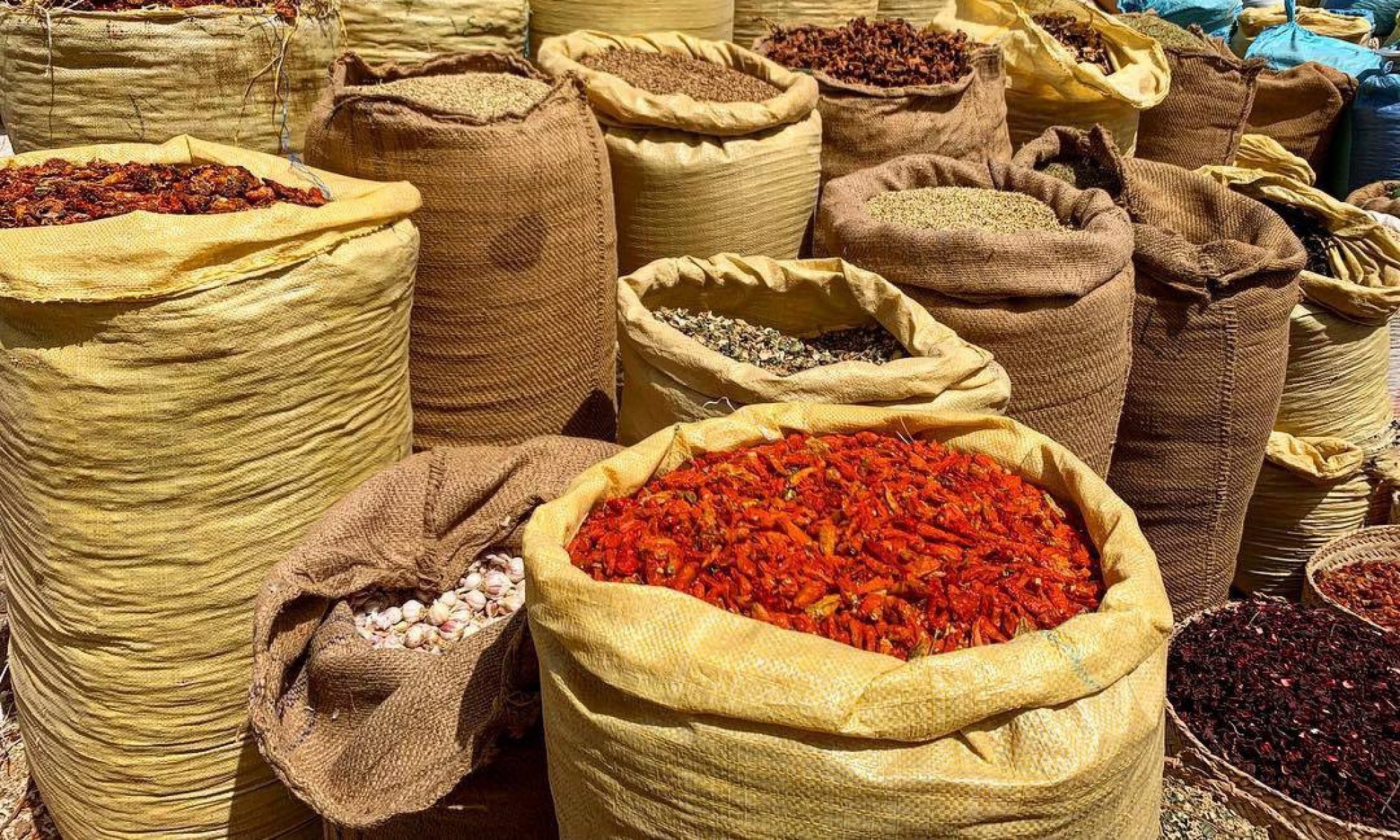

Natural oils and fats—including those extracted from oilseed crops as well as animal fats—are essential both as cooking ingredients and as ingredients in food processing, cosmetics, and traditional medicine. In Darfur—a region that has long relied on traditional agriculture and pastoralism—many communities produce these products using time‑honored, low‑input techniques. However, conflict‐affected environments, limited infrastructure, and the predominance of informal production systems have constrained the sector’s growth. At the same time, rising global consumer demand for minimally processed, organic, and culturally specific products creates significant opportunities for Darfur’s natural oils and fats producers to add value, improve livelihoods, and drive economic recovery.
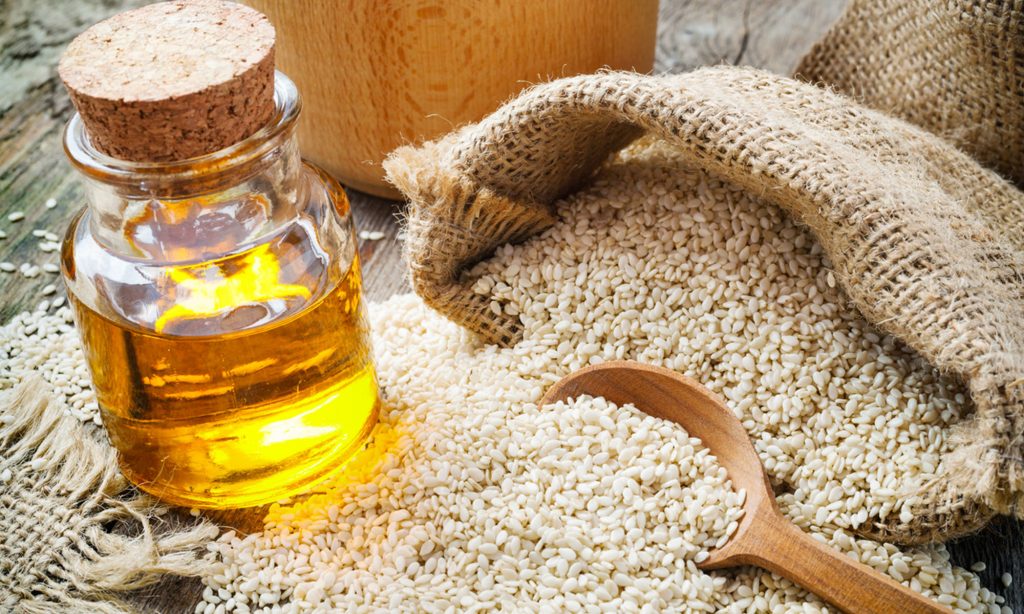
Overview of the Global Market for Natural Oils and Fats
The global market for natural oils and fats is vast and rapidly evolving. Key trends include:
- Market Growth and Scale: Global consumption of oils and fats—from both plant and animal sources—has steadily expanded. Growth is driven by rising middle-class incomes, changing dietary patterns, and an increasing demand for healthier, naturally sourced products.
- Consumer Trends: Health-conscious consumers are demanding products that are minimally processed and free from synthetic additives. This trend is fueling growth in cold-pressed, organic, and artisanal oils such as extra virgin olive oil, sesame oil, and specialty seed oils.
- Innovation and Value Addition: Advancements in extraction technologies, improvements in cold chain logistics, and innovation in packaging are enabling producers to differentiate their offerings. Companies are now focusing on traceability, sustainability, and product authenticity as important selling points.
- Sustainability and Regulatory Developments: With global emphasis on environmental sustainability, many markets now require certification or adherence to strict quality standards. This creates both a challenge and an opportunity for producers—those who can meet rigorous standards may access higher-value market segments.
These trends underscore a growing international appetite for natural oils and fats with minimal processing and clear sustainability credentials, setting a favorable context for emerging producers in regions such as Darfur.
Current Status of Natural Oils and Fats Production in Darfur
Traditional Production Methods and Techniques
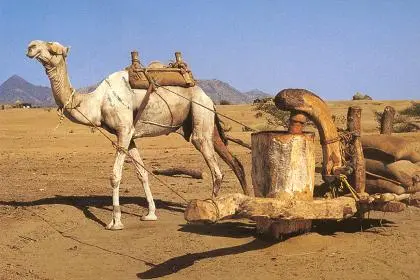
In Darfur, the production of natural oils and fats is mostly a traditional affair. Producers rely on:
- Manual Extraction Methods: Oil is often extracted using traditional mechanical methods such as cold pressing or manual grinding. These techniques are practiced on a small scale and remain closely linked to familial or communal processing.
- Low-Input Cultivation: Many oilseed crops are grown using rain-fed agriculture without the extensive use of chemical inputs. This leads to produce that is “naturally” organic by default, though formal certification is rarely pursued.
- Artisanal Processing of Animal Fats: In pastoral communities, animal fats—such as tallow from cattle or camel fat—are rendered using simple heating processes. These fats serve both as cooking ingredients and as traditional remedies.
Key Natural Oils and Fats Produced in Darfur
While detailed product segmentation studies in Darfur remain limited, local practices and cultural culinary traditions indicate that several types of natural oils and fats are produced:
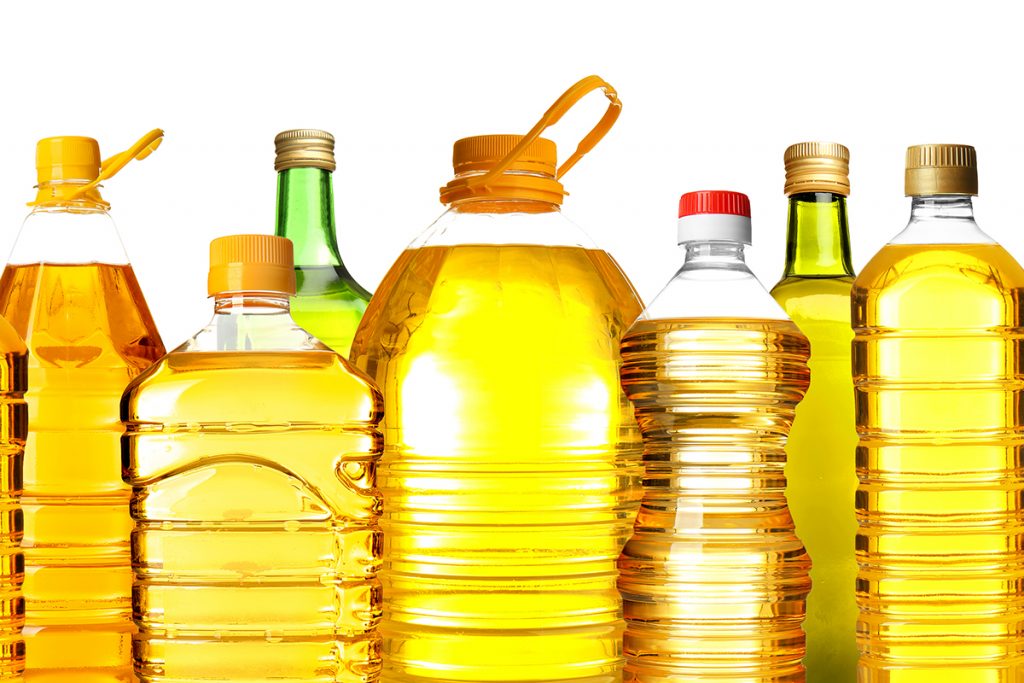
Vegetable Oils
- Sesame Oil
- Production: Sesame is Darfur’s most significant oilseed crop, cultivated primarily in rain-fed areas of Central and South Darfur. The crop thrives in semi-arid conditions, though yields are highly dependent on erratic rainfall patterns.
- Processing: Traditional methods dominate, with women-led cooperatives increasingly adopting small-scale mechanical pressing techniques to produce sesame oil. These initiatives, supported by NGOs, enhance value addition and income for rural households.
- Groundnut Oil
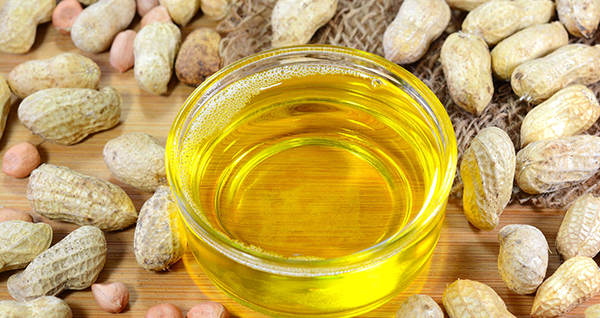
- Production: Groundnuts are widely grown in East, North and West Darfur, where sandy soils Favor their cultivation. However, post-harvest losses exceed 30% due to inadequate storage and processing facilities.
- Economic Role: Groundnut oil is a dietary staple and a key commodity in local markets. Prices surged in 2025, reflecting inflationary pressures and supply chain disruptions.
- Baobab OilProduction: Baobab oil is cold-pressed from seeds for various uses, from cooking to hair care to skin care. Baobab oil, like other products of the baobab tree, has several health properties. The high omega-3 fatty acid content of this seed oil might make it beneficial for your skin and hair. Economic Role: Very high export potential since the European Commission approved dried baobab fruit pulp as a novel food in 2008 for its nutritional value. In the United States, the Food and Drug Administration approved baobab fruit as a food product in 2009.
- Castor or Moringa Oil (Emerging): In some areas, alternative oilseed crops may be under experimentation, given the region’s climate and indigenous knowledge.
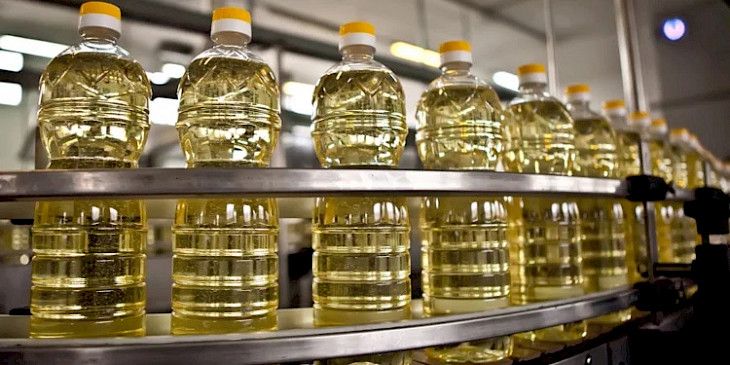
- Sunflower Oil: Sunflower can be grown in Sudan, and its oil is becoming increasingly popular.
- Shea Butter: Limited to forested areas of Central Darfur, shea butter extraction remains artisanal. Deforestation and land degradation threaten the shea tree population, reducing output.
- Other Potential Oils: Depending on specific local conditions, other oilseeds like watermelon seeds might be viable sources of oil.
Animal Fats
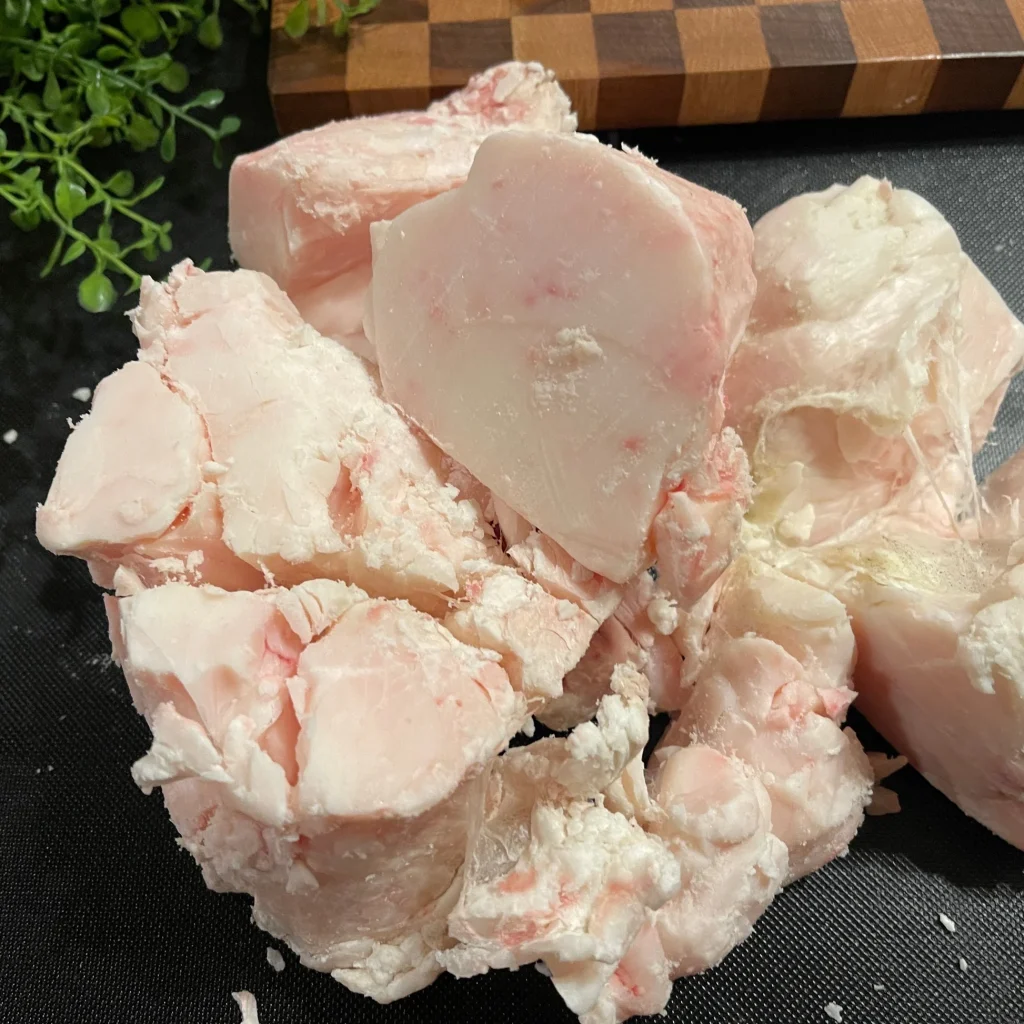
- Camel Fat and Cattle Tallow: Rendered from animals central to pastoral livelihoods, these fats are used in cooking and local medicinal preparations.
- Sheep Fat: Occasionally produced and used in traditional recipes and local processing.
Key Locations
The production of natural oils and fats in Darfur is largely decentralized and dependent on local agricultural and pastoral systems:
- South Darfur: Areas around settled farming communities—where oilseeds such as sesame and groundnuts are cultivated—play a key role in vegetable oil production. Rural hubs serve as processing centers with traditional pressing techniques.
- North Darfur: Pastoral regions, where animal rearing is dominant, contribute significantly to the production of animal fats. Traditional processing units in rural communities and market centers near towns like El Fasher provide channels for distribution.
- Central Darfur: Dominates sesame production, leveraging relatively higher rainfall (compared to the north). Key hubs include Zalingei and Garsila.
- West Darfur: Emerging groundnut cultivation zones, but conflict-induced displacement disrupts farming cycles.
- Urban and Trading Nodes: Towns that serve as local market hubs (e.g., Nyala and Geneina) help aggregate production from surrounding rural areas. Although these centers often lack modern processing facilities, they remain critical for local trade and value addition.
Economic Potential
The sector of natural oils and fats in Darfur holds considerable promise:
- Value Addition and Niche Marketing: With relatively low input and high-quality traditional methods, Darfur’s oils already align with the global trend toward minimally processed, organic products. Certification and improved branding could allow local producers to capture premium pricing in both domestic and international markets.
- Income Diversification: By investing in modern processing techniques and cooperative marketing structures, producers can shift from subsistence-level operations to more commercial-scale ventures—enhancing incomes and stimulating broader rural development.
- Traditional and Cultural Value: Darfur’s unique culinary heritage can be leveraged as a strong branding tool, appealing to consumers interested in artisanal products with authentic, ethnic origins.
- Complementary Economic Activities: Upgrading the natural oils and fats sector can stimulate allied industries, such as packaging, transportation, and retail services. In a post-conflict recovery framework, such diversification can contribute to overall regional resilience.
- Local Livelihoods
- Employment: Over 70% of Darfur’s rural population engages in oilseed farming or processing, with women constituting 60% of the workforce in sesame oil cooperatives.
- Income Diversification: Training programs in food processing (e.g., dry vegetable preservation, oil extraction) have increased household incomes by 15–25% in pilot areas.
- Regional Trade
- Domestic Markets: Sesame and groundnut oils account for 30% of Darfur’s informal trade volume, though prices remain volatile due to supply bottlenecks.
- Export Potential: Sudan’s pre-conflict agricultural exports included sesame and groundnuts, contributing ~3% of national exports. Restoring cross-border trade corridors could revive this sector.
- Humanitarian Linkages
- Food Security: Locally produced oils are critical for calorie intake in displacement camps, where 10 million IDPs rely on humanitarian aid.
Challenges & Opportunities
Challenges
- Conflict and Instability: Persistent regional insecurity and intermittent conflict can disrupt production, limit market access, and discourage infrastructure investments.
- Limited Infrastructure: The absence of modern processing equipment, cold storage, and reliable transport networks results in high post-harvest losses and inconsistent product quality.
- Small-Scale Production and Lack of Certification: Many producers operate at a subsistence or micro-commercial level. Without organized cooperatives or formal certification systems, it is difficult to achieve economies of scale or meet international quality standards.
- Access to Financing and Technical Training: Limited access to credit and inadequate extension services hinders the adoption of improved extraction technologies and best practices.
- Market Fragmentation: The predominantly informal value chain makes it challenging to aggregate production, standardize quality, and negotiate competitive prices.
Opportunities
- Global Demand for Natural, Organic Products: Increasing consumer preference for cold-pressed and minimally processed oils creates a strong incentive for producers to formalize and upgrade production processes.
- Leveraging Traditional Knowledge: Darfur’s long history of natural oil production provides a culturally rooted foundation that, if validated and branded effectively, can set products apart in niche markets.
- Cooperative Models and Collective Action: Forming cooperatives can help small-scale producers pool resources for investment in modern processing facilities, quality control measures, and market access strategies.
- Partnerships with Donors and Government Initiatives: International donor agencies and local government bodies, especially in post-conflict rebuilding efforts, may offer support for infrastructural development, capacity building, and certification programs.
- Digital and E-commerce Platforms: Embracing digital marketing and e-commerce can open new channels for reaching urban and international buyers, thus bypassing traditional market bottlenecks.
Recommendations
To unlock the economic potential of natural oils and fats production in Darfur, the following strategic actions are recommended:
- Infrastructure Investment:
- Develop local processing facilities equipped for cold pressing, milling, and packaging to improve yield, extend shelf life, and maintain product quality.
- Invest in transportation and storage networks, including cold storage where applicable, to reduce post-harvest losses.
- Capacity Building and Technical Training:
- Provide specialized training programs on modern extraction techniques, quality control, and best practices for sustainable cultivation of oilseed crops and animal fat processing.
- Strengthen local extension services through partnerships with governmental, NGO, and international donor agencies focused on agricultural development.
- Formation of Producer Cooperatives:
- Encourage the organization of small-scale farmers and pastoralists into cooperatives to facilitate bulk purchasing of inputs, shared investment in processing infrastructure, improved bargaining power, and collective certification efforts.
- Develop models for shared branding (e.g., “Made in Darfur”) to promote the unique cultural and health credentials of these natural oils and fats.
- Certification and Standardization:
- Collaborate with international certification bodies to develop locally adapted certification systems that verify the organic and traditional quality aspects of Darfuri oils and fats.
- Support the establishment of quality control laboratories to monitor product standards and facilitate market access to premium segments.
- Market Linkages and Digital Promotion:
- Create digital platforms for marketing and sales that connect local producers directly with urban and international buyers, leveraging social media and e-commerce solutions.
- Participate in trade fairs and organize promotional events to showcase the unique qualities of Darfuri products to potential investors and buyers.
- Policy and Institutional Support:
- Advocate for supportive government policies, tax incentives, and low-interest financing options aimed at upgrading the natural oils and fats sector.
- Engage donor organizations to fund pilot projects that demonstrate the viability of modernizing traditional production systems while respecting indigenous practices.
Natural oils and fats production in Darfur is rooted in a rich tradition of artisanal processing and low-input agriculture. Despite challenges related to conflict, infrastructure, and market fragmentation, the global demand for organic and minimally processed products offers significant opportunities. With strategic investments in modern processing, capacity building, cooperative structures, and improved market linkages, Darfur’s producers can transform their traditional practices into a vibrant sector that drives local economic development and positions the region as a niche supplier of high-quality, culturally distinct products in the global market.
By integrating modern technology with traditional know-how and fostering collaborative networks among producers, policymakers, and international partners, the natural oils and fats sector in Darfur holds the promise of improved livelihoods, sustainable growth, and long-term resilience.