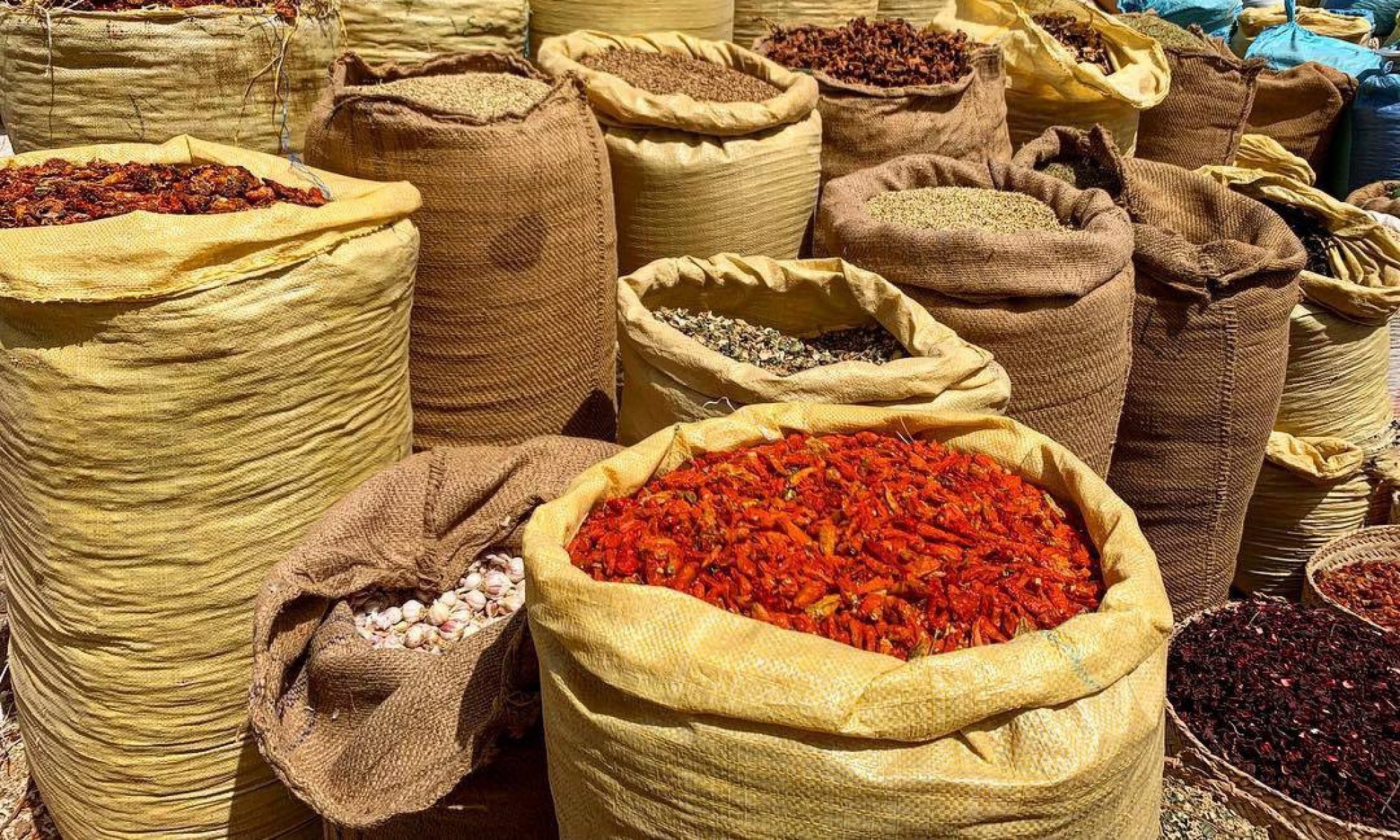

Darfur’s agricultural heritage is inseparable from its cultural identity and survival strategies. In a region where conflict, climatic challenges, and limited infrastructure have long shaped livelihood practices, the cultivation of indigenous grains and legumes represents both a storied tradition and an emerging pathway for food security and economic transformation. This report explores the global market context for grains and legumes, examines production in Darfur with emphasis on traditional practices and local crop varieties, and concludes with an analysis of economic potential, key challenges, and actionable recommendations for stakeholders.
Overview of the Global Market for Grains and Legumes
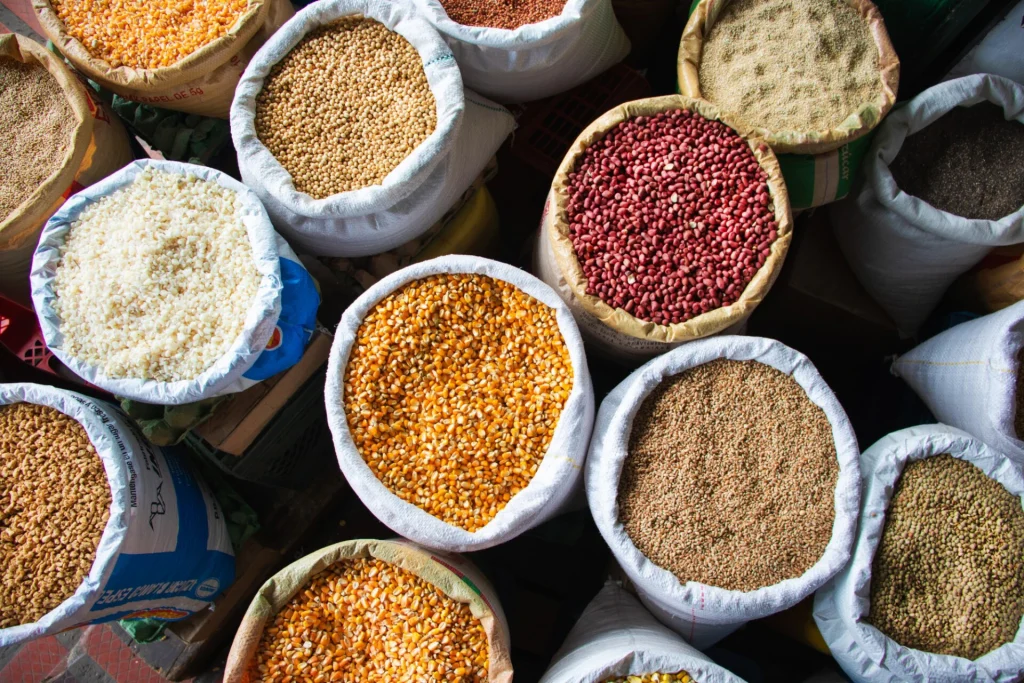
Global grain markets in 2025 are characterized by a complex interplay of geopolitical tensions, shifting trade policies, and environmental uncertainties. Recent analyses indicate that while overall output levels for staples such as wheat, corn, and rice have remained fairly stable, factors like erratic weather patterns, energy price volatility (impacting fertilizer costs), and renewed trade frictions continue to add layers of complexity to the commodity market. Meanwhile, legumes—crucial for their nutritional benefits and soil-enhancing properties—are increasingly recognized in global value chains, especially as diverse consumers seek organically grown and resilient crops. The growing global emphasis on sustainability has spurred demand for traditional, indigenous grains and legumes that are often better adapted to marginal environments, offering new marketing opportunities in niche segments.
Current Status of Grains and Legumes Production in Darfur
Traditional and Indigenous Grains and Legumes
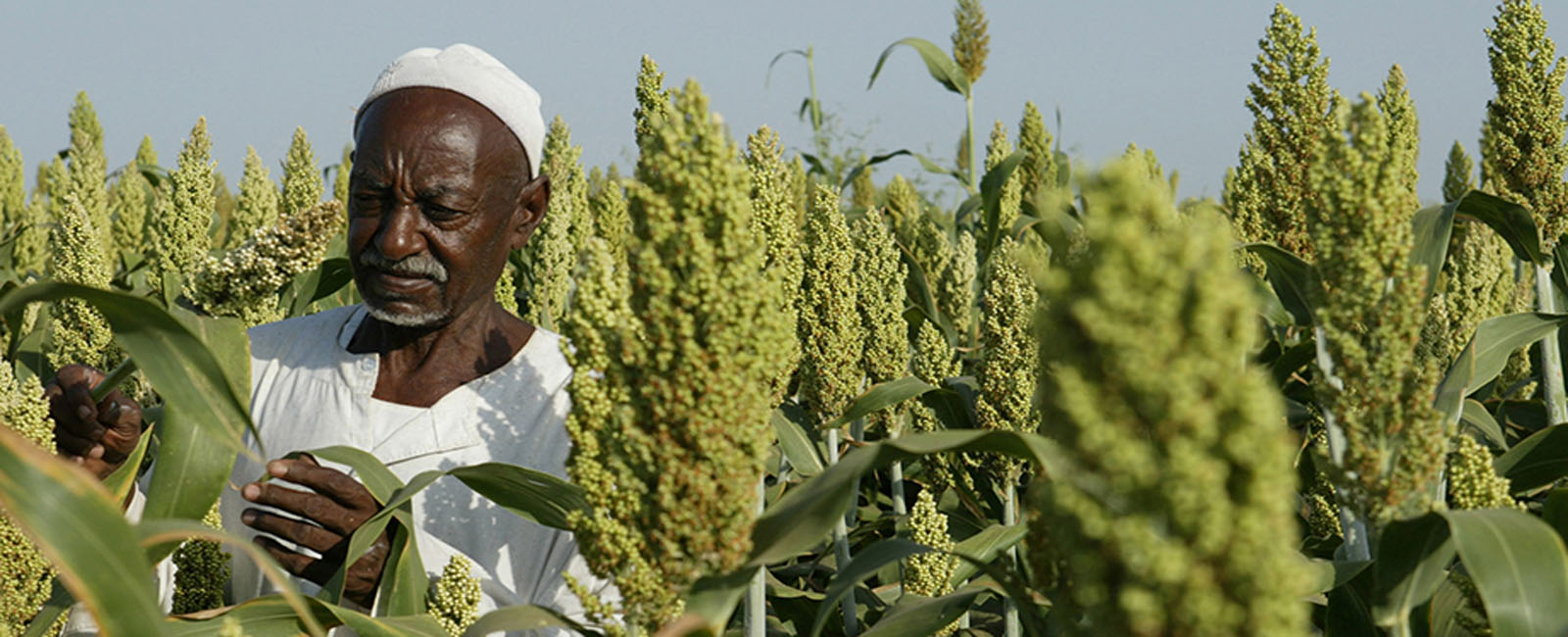
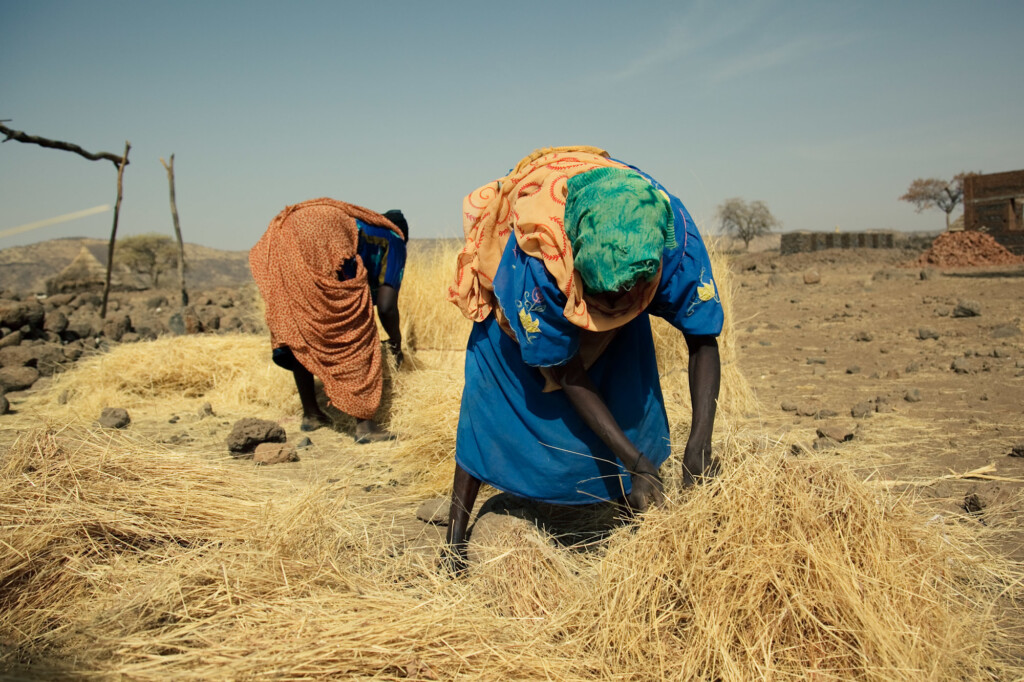
Agriculture in Darfur is far more than an economic enterprise—it is a way of life that has been handed down through generations. Farmers routinely rely on traditional methods such as rainwater harvesting, locally engineered shallow wells, and seasonal irrigation practices adapted to the semi‐arid conditions of the region. This indigenous knowledge system governs crop rotation, soil conservation, and pest management, ensuring that local varieties are both resilient and well suited to the environment.
Production Characteristics and Traditional Practices
Production in Darfur is predominantly small-scale and based on subsistence farming. The majority of farmers use low-input techniques passed down orally and refined through communal labor. Key characteristics include:
- Community-based management: Informal cooperatives and local market networks play a central role in managing the production cycle—from seed preservation to the distribution of crops.
- Mixed cropping and intercropping: Farmers often grow grains alongside legumes to maximize limited land resources and improve soil fertility through biological nitrogen fixation.
- Seasonal timing: Traditional calendars, which are based on rainfall patterns, guide planting and harvesting, although erratic weather increasingly challenges these time-tested practices.
Key Grains Produced in Darfur
Darfur’s grain production centers primarily on:
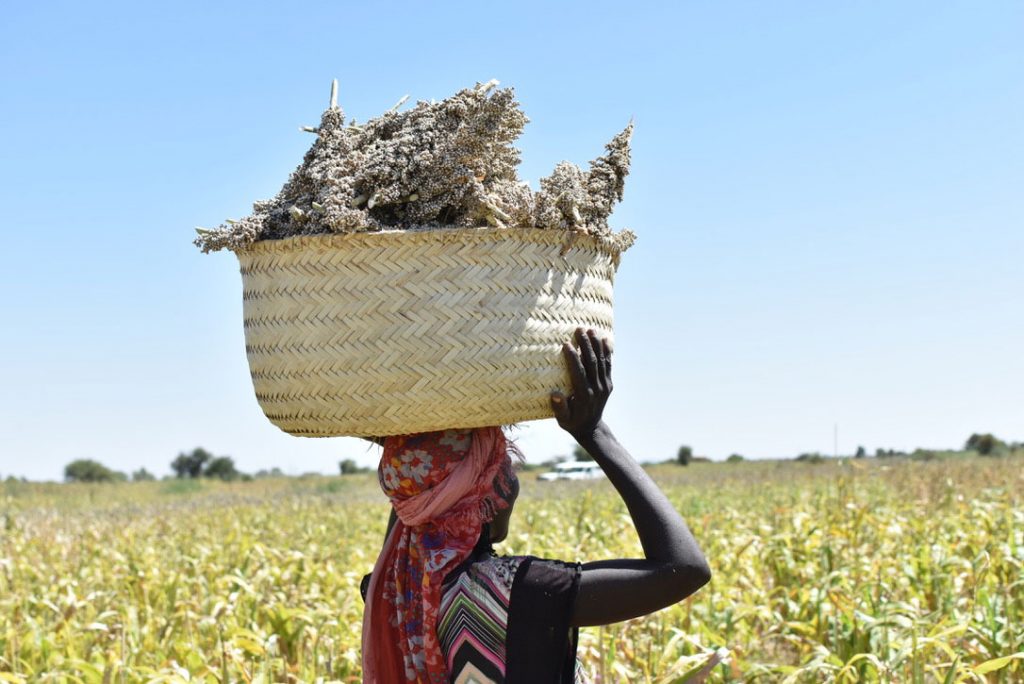
- Millet: One of the staple grains in the region, millet is highly resilient to drought and well adapted to semi‐arid conditions. Policy studies suggest that over 90% of millet production in Sudan originates in traditional systems, with a significant contribution from the Darfur states .
- Sorghum: Equally important, sorghum offers robust yields even in challenging climatic conditions and is integral to both daily sustenance and local trade.
- Additional varieties: In some areas, other cereals such as certain types of maize and barley are cultivated, albeit often under traditional, low-input systems.
| Grain | Common Varieties | Cultivation Methods | Traditional Uses | Significance |
| Sorghum | Korjaj | Primarily rain-fed | Kisra, Aceda, Hulu-mur | Major staple food, high household consumption |
| Millet | Wad El Bashir | Primarily rain-fed | Staple food | Preferred staple, significant part of national production |
| Wheat | Limited information for Darfur | Small scale, rain-fed | Bread (mainly imported) | Important for urban consumption, regional specialization |
| Maize | Not specified | Rainfall agriculture | Food | Mentioned as a cultivated grain in South Darfur |
Key Legumes Produced in Darfur
The legume component of Darfur’s agriculture complements grain production by enhancing soil fertility and providing essential protein. Common legumes include:
- Cowpeas and Lentils: These hardy pulses are well adapted to the region’s dry conditions.
- Chickpeas and indigenous bean varieties: Often intercropped with cereals, these legumes contribute to dietary diversity and improve overall farm resilience.
| Legume | Common Varieties | Cultivation Methods | Traditional Uses | Significance |
| Groundnuts | ‘Western’ variety | Rain-fed | Food, oil, animal feed, cash crop | Major cash crop, high volume and value |
| Sesame | Not specified | Rain-fed | Oilseed, food, cash crop | Important cash crop and oilseed |
| Cowpeas | Not specified | Rain-fed | Food, soil fertility improvement | Contributes to soil health, source of food (including black-eyed beans) |
| Beans | White beans, black-eyed beans, faba beans | Rain-fed, irrigated | Food | Important source of protein, faba beans grown in specific regions |
| Hibiscus | Not specified | Rain-fed | Cash crop | Source of income for farmers |
| Okra | Not specified | Rain-fed | Food, cash crop | Grown for consumption and sale |
| Watermelon Seeds | Not specified | Rain-fed | Cash crop, food | Used for consumption after roasting, source of income |
Key Locations
Grains and legumes are produced across several parts of Darfur, albeit with regional variations driven by both environmental conditions and historical cultivation patterns:
- North Darfur: While facing more arid conditions, North Darfur still supports some grain and legume cultivation, particularly drought-resistant varieties. Traditional “goz/wadi” farming is widespread, with millet being the staple crop on sandy soils and alluvial wadi areas. Communities here often intersperse legume cultivation to maintain soil fertility. Local markets in towns and rural hubs serve as important nodes for these products.
- South Darfur: In parts of South Darfur—around towns like Nyala—farmers cultivate sorghum and wheat on both lowland areas and irrigated plots. Legumes are frequently intercropped with cereals to provide additional income and dietary diversity. In these areas, despite challenges from conflict and infrastructural limitations, farmers have managed to maintain a degree of production that supports both local consumption and informal trade.
- West Darfur: Another important agricultural area, West Darfur is known for its sorghum and millet production.
- Central Darfur: This region also contributes to grain and legume production, although it has faced significant challenges due to conflict and displacement.
- Transitional Zones and Lowlands: Certain transitional zones, where environmental variability is higher, also contribute to the production portfolio. Here, smallholder farmers rely on indigenous water-harvesting techniques and communal labor to eke out yields in marginal lands.
Production Volume and Statistics of Grains and Legumes in Darfur
Data on the precise production volume of grains and legumes specifically within the Darfur region can be fragmented and often aggregated at the national level. Recent years have shown fluctuations in grain production across Sudan, influenced significantly by the ongoing conflict and varying climatic conditions. For example, national figures indicate a substantial 63% surge in Sudan’s grain production in 2024, with sorghum estimated at 5.4 million tons and millet at 793,000 tons. However, the specific contribution of Darfur to these impressive numbers is not always clearly delineated. In North Darfur, a reported food supply gap highlighted that the total production of millet and maize reached 68,963 metric tons in a particular season.
Looking at longer-term trends, Sudan’s overall cereal production (including sorghum, millet, and wheat) was estimated at 4.1 million tonnes in 2023, marking a notable decrease from the previous year. For the 2024/25 marketing year, national projections for Sudan include 3.3 million tons of sorghum and 1 million tons of millet. While these figures provide a national context, Darfur-specific data remains less readily available. One report from 2018 offered a more localized perspective, estimating average household production in Southern Darfur State at 418 kg of millet and 166 kg of sorghum. Earlier data from 2014 suggested that total cereal production in Darfur was approximately 590 thousand tons, with a near-even split between millet and sorghum.
Groundnut production in Darfur has historically represented a significant share of Sudan’s total output, with estimates ranging from 48.8% to 70.4% in different years. The economic value of reductions in sorghum and millet production in West Darfur during the period of April 2023 to March 2024 was estimated at a substantial USD 278 million, with South Darfur experiencing reductions valued at USD 234 million. These figures underscore the significant economic impact of conflict on agricultural output within Darfur.
Trends in agricultural production in Darfur over recent years have been significantly shaped by the ongoing conflict, which has led to widespread displacement, reduced access to arable land, and disruptions in essential supply chains. Climatic factors, particularly the high variability of rainfall and the occurrence of drought, have also played a critical role in affecting crop yields across the region. Notably, there has been a reported shift in some parts of Darfur from millet to sorghum production during the years of conflict.
The available production statistics highlight the volatility of Darfur’s agricultural sector, heavily influenced by both conflict and environmental factors. The lack of consistently disaggregated data for Darfur specifically presents a challenge for accurately assessing the region’s contribution to national production and its precise food security situation. However, historical data on groundnut production indicates Darfur’s past importance as a major contributor to Sudan’s overall output.
Economic Potential
Darfur’s grains and legumes hold notable economic potential on several fronts:
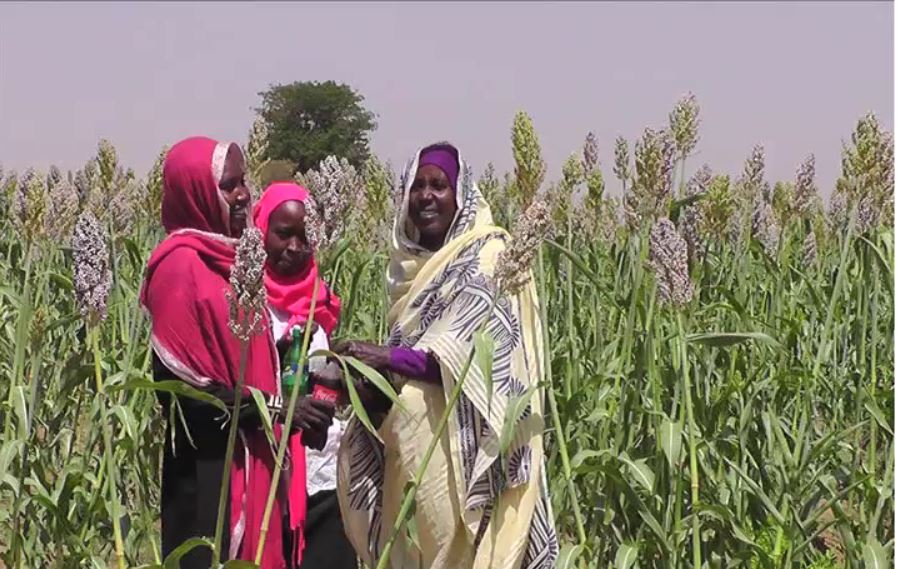
- Food Security and Nutrition: Indigenous grains such as millet and sorghum, along with locally grown legumes, provide balanced nutrition and are vital for ameliorating food insecurity in a region prone to climatic shocks.
- Niche Market Opportunities: Global demand is rising for traditional, organic, and gluten-free products. Darfur’s time-honored grains—produced using low-input, sustainable methods—have the potential to access premium niche markets overseas .
- Value Addition: There is room to boost local incomes by investing in processing facilities for milling, packaging, and branding. Value chains that integrate smallholder production with modern distribution networks can yield higher returns for rural communities.
- Rural Employment: Diversifying agricultural practices and enhancing crop yields can stimulate local economies, create jobs, and reduce the pervasive poverty that has historically burdened the region .
Challenges & Opportunities
Challenges
- Climatic Variability and Soil Degradation: Erratic rainfall patterns and increasing drought frequencies are challenging traditional seasonal calendars and reducing soil fertility over time.
- Infrastructural Limitations: Inadequate storage facilities, poor road networks, and limited access to modern farming equipment hamper both production and market access.
- Conflict and Political Instability: The security situation in Darfur disrupts production cycles, disturbs trade routes, and limits investments in agricultural infrastructure. Recent accounts note that pest outbreaks and transportation constraints further exacerbate production challenges .
- Limited Access to Credit and Modern Inputs: Farmers face significant hurdles in obtaining quality seeds, fertilizers, and extension services, which are critical for boosting yields and adapting to environmental changes.
Opportunities
- Post-Conflict Recovery Initiatives: Emerging peacebuilding and recovery programs offer the chance to rebuild infrastructure, promote capacity building, and integrate modern agricultural technologies.
- Market Integration Through Digital Platforms: Leveraging digital tools for financial inclusion and e-marketing can connect local producers with national and international markets, improving price transparency and access to finance.
- Investment in Research and Development: Focusing on locally adapted, high-yielding varieties and sustainable practices will not only increase productivity but also enhance resilience against pests and climate shocks.
- Value Chain Development: Creating integrated value chains—spanning from production to processing and marketing—could significantly enhance rural incomes while promoting food security and regional stability.
Recommendations
Based on the assessment, stakeholders—ranging from local farmers and government agencies to international investors—should consider the following strategic measures:
- Enhance Infrastructure and Extension Services:
- Invest in modern irrigation systems, storage facilities, and transportation networks.
- Expand extension services and training programs to transfer innovative practices while respecting traditional knowledge.
- Facilitate Access to Credit and Modern Inputs:
- Establish microfinance schemes and subsidized credit facilities targeted at smallholder farmers.
- Support initiatives that supply high-quality seeds, organic fertilizers, and pest control technologies.
- Promote Value Addition and Market Linkages:
- Develop processing facilities that convert raw grains and legumes into packaged products, thereby accessing niche markets both domestically and internationally.
- Encourage public–private partnerships to integrate digital platforms for market information and e-commerce.
- Research and Development:
- Collaborate with agricultural institutions to breed resilient crop varieties tailored to Darfur’s environmental conditions.
- Invest in research that documents indigenous practices and optimizes them for increased productivity and sustainability.
- Support Policy Reforms and Coordination:
- Strengthen governmental policy frameworks that promote agricultural investment, protect local producers, and incentivize sustainable practices.
- Foster coordination between governmental bodies, non-governmental organizations, and international aid agencies to ensure a unified approach toward agricultural recovery.
The grains and legumes sector in Darfur stands at a crossroads, where the confluence of a rich agricultural heritage and modern sustainability imperatives offers both daunting challenges and promising opportunities. While traditional practices have enabled communities to survive in a harsh environment, there is now a critical need to modernize production methods, improve infrastructure, and integrate market systems to unlock the full economic potential of indigenous crops. By embracing strategic investments, reinforcing capacity building, and promoting policies aligned with sustainable development goals, Darfur can transform its grains and legumes sector into a robust engine of food security and economic growth.
Embracing these opportunities requires not only financial investment but also a commitment to social impact—one that respects traditional knowledge while leveraging contemporary innovations. In doing so, stakeholders can help forge a resilient, prosperous future that benefits the entire region and offers a model for sustainable agriculture in conflict-affected areas.