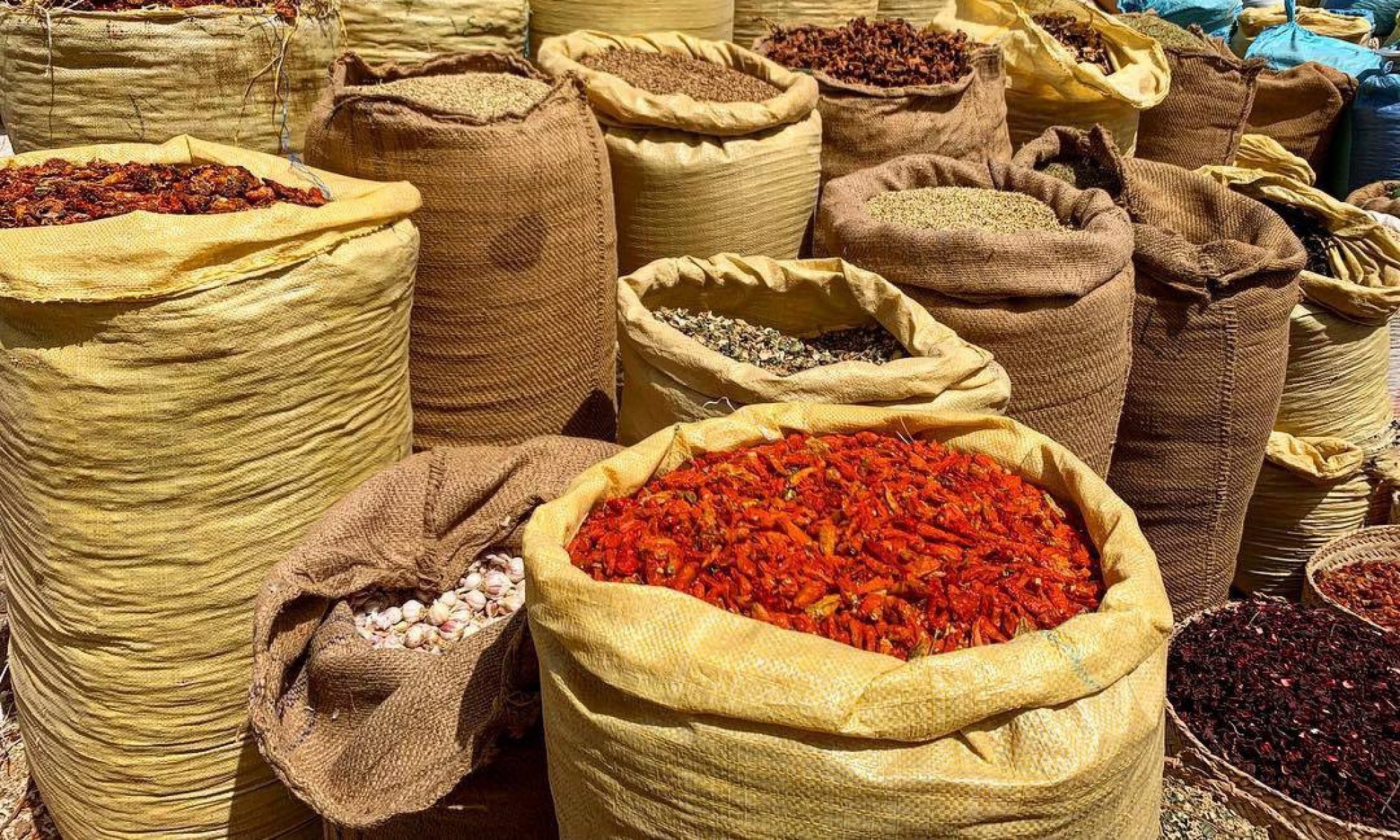

Meat and poultry have been a central component of Darfur’s food culture and local economies for generations. In a region where pastoralism and small‐scale livestock rearing remain the norm, traditional methods dominate production. Yet amid prolonged conflict and infrastructural challenges, there is growing interest in transforming these sectors to meet both local nutritional needs and emerging market opportunities. Recognizing the dual role of meat and poultry as both a dietary staple and a potential export commodity, stakeholders are now looking to modernize production systems, improve quality standards, and integrate value chains—thereby boosting rural incomes and enhancing food security.
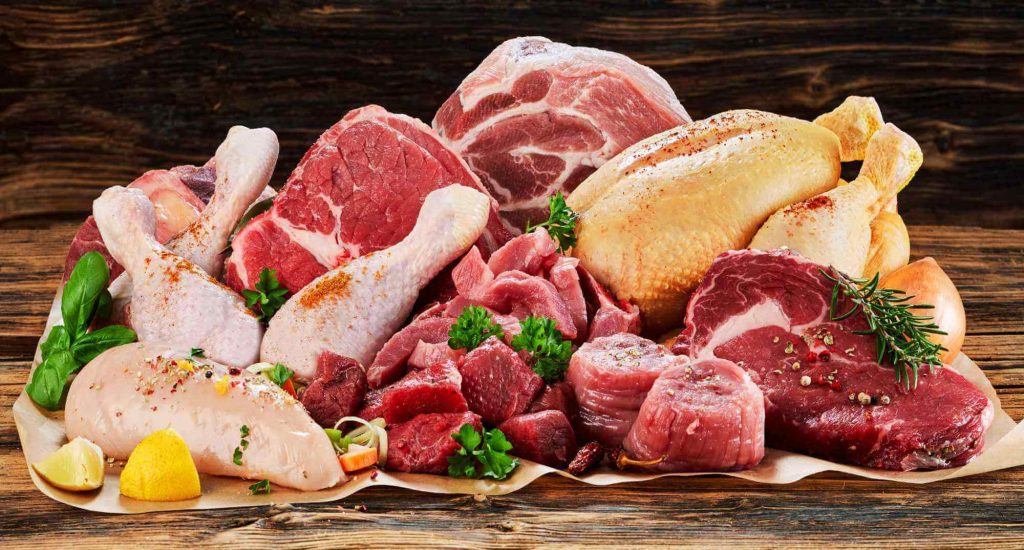
Overview of the Global Market for Meat & Poultry
The global meat and poultry market is vast and dynamic. Key characteristics include:
- Market Growth and Trends: The industry is valued at hundreds of billions of dollars and continues to grow at steady compound annual growth rates. Key drivers include health-conscious consumer shifts, an increasing demand for premium and organic meat products, and innovations in processing and packaging that ensure product safety and quality.
- Consumer Preferences and Innovations: In several regions—particularly in North America and Europe—consumers are leaning toward products that boast clean labels, traceability, and ethical sourcing. Meanwhile, emerging markets in Asia and Africa are experiencing rapid urbanization, leading to increased demand for processed and ready-to-cook meat products.
- Supply Chain Advancements: Enhanced cold chain logistics, improved production techniques, and digital platforms for market information have reduced wastage and opened direct channels between producers and consumers. Such innovations also facilitate niche marketing, such as grass-fed, free-range, or indigenous meat products.
As global consumers become more discerning and the demand for ethically produced and value-added meat and poultry grows, regions like Darfur can potentially tap into new market segments—provided that quality, infrastructure, and supply chain challenges are addressed.
Current Status of Meat & Poultry Production in Darfur
Traditional Production Systems and Key Breeds
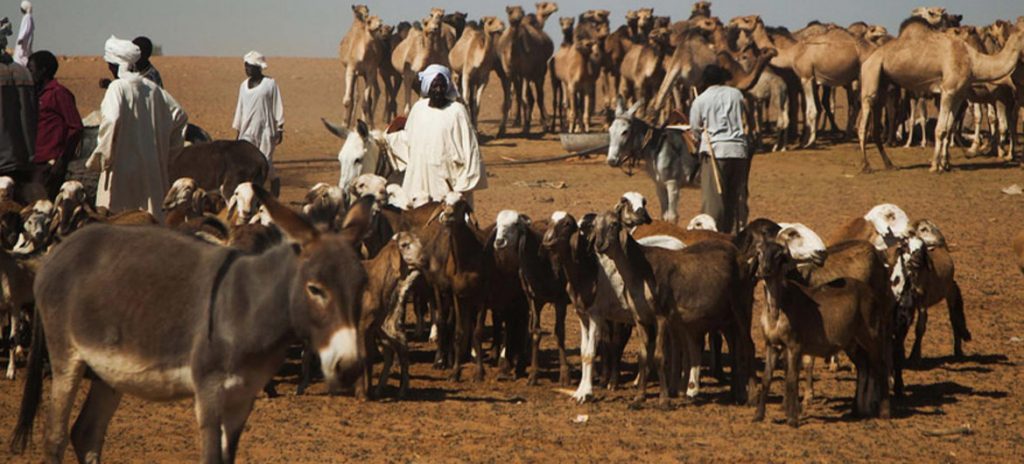
In Darfur, meat and poultry production is largely driven by traditional pastoral and agro-pastoral systems:
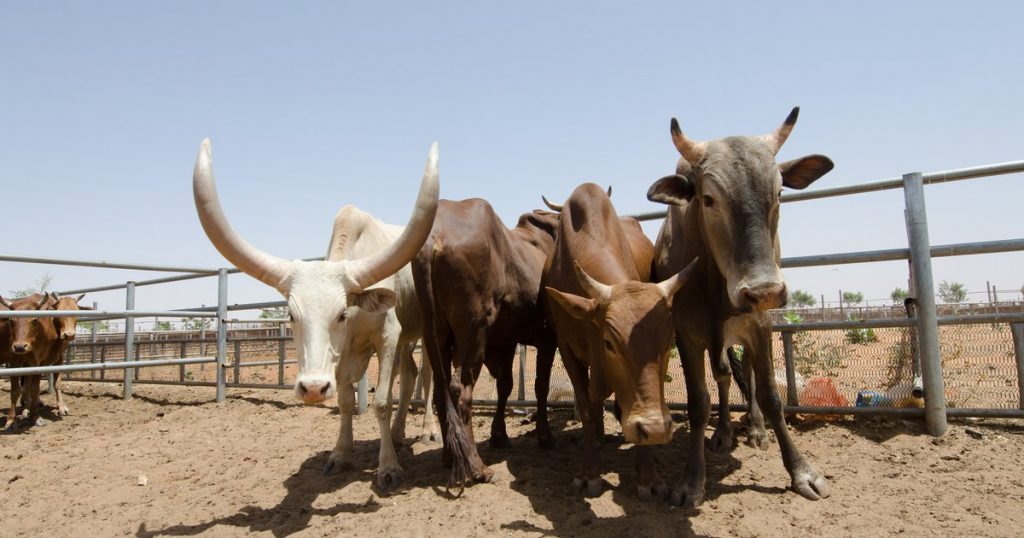
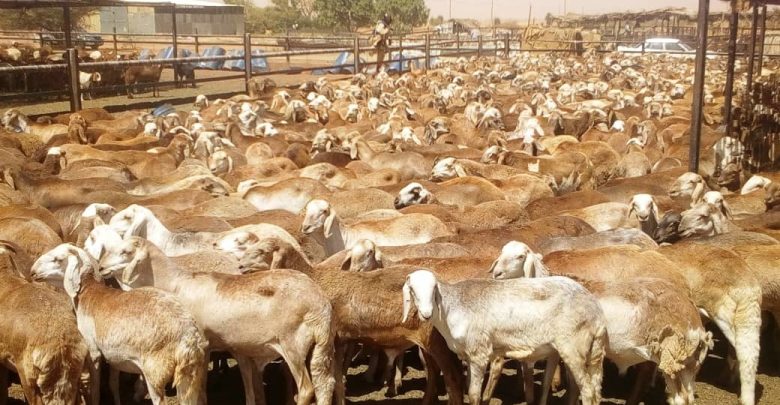
- Livestock-Based Meat Production: The majority of meat comes from indigenous cattle, goats, and sheep. Local cattle breeds (often adapted to arid conditions), along with traditional goat and sheep breeds, are raised predominantly under nomadic or semi-nomadic systems. These animals provide not only meat but also dairy and draught power.
- Poultry Production: Traditional poultry rearing is common in both rural households and peri-urban settings. Local chicken breeds are raised under extensive systems; while they produce a steady supply of meat and eggs, they typically lack the advanced management systems found in established commercial operations.
- Key Breeds (or “Breads”): Although formal breed improvement programs are limited, regional livestock typically include:
| Livestock | Breed | Population |
| Cattle | Indigenous breeds like the Baggara and Fulani cattle dominate, adapted to arid conditions. These breeds are dual-purpose, providing meat and milk, though productivity is low due to limited veterinary care and feed shortages | 8,182,388 |
| Sheep | The Desert Sheep is prevalent, valued for drought resilience. Sheep are primarily raised for meat. | 10,396,503 |
| Goats | Nubian Goat is prevalent, valued for drought resilience. goats provide milk and meat | 8,649,608 |
| Camels | Camels are critical for transport and meat in remote areas. Darfur’s camel trade thrives in cross-border routes to Libya and Chad, though conflict often disrupts mobility. | 759,111 |
| Horses | Primarily raised for transport | 426,721 |
| Donkeys | Primarily raised for transport | 2,041,419 |
| Poultry | Small-scale backyard poultry (e.g., indigenous chickens) is common, but commercial ventures are rare. Small-scale industrial poultry farms exist, in areas around major cities such as El Fasher and Nyala. | – |
| Pigeons | Small-scale with various breeds which are raised for meat and leisure. | – |
| Rabits | Small-scale | – |
| Ducks | Small-scale | – |
Key Locations
Production is concentrated in several strategic zones in Darfur:
- North Darfur: Rural communities here, where pastoral life has long been established, focus on cattle and small ruminant rearing. Traditional meat markets are supported by longstanding trade routes, although struggle with infrastructure limitations remains a concern.
- South Darfur: Areas around towns like Nyala leverage both extensive pastoral systems and some degree of settled farming. Here, meat production serves both local consumption and regional trade, often facilitated by informal markets.
- Urban and Trading Hubs: Market centers such as El Fasher and other peri-urban zones act as conduits between rural producers and urban consumers. These hubs are critical for aggregating produce, albeit without modern processing facilities.
Key Production Locations and Trade Hubs
- El Fasher (North Darfur): A historic livestock market, now hampered by RSF sieges and infrastructure decay. The city’s poorly functional slaughterhouse underscores inefficiencies in meat processing.
- Zalingei (West Darfur): A focal point for FAO-led animal production studies, though conflict has reduced livestock populations by 40–60% since 2003.
- Nyala (South Darfur): A hub for cross-line trade, where community agreements enable livestock movement between conflict zones.
- Cross-Border Corridors: Routes like Serif Umra to Libya facilitate camel and cattle exports, though reliant on armed escorts due to insecurity.
| State | Cattle | Sheep | Goats | Camels | Donkeys | Horses |
| North Darfur | 628,530 | 3,396,505 | 2,656,808 | 397,172 | 700,293 | 16,907 |
| South Darfur | 3,851,663 | 3,471,773 | 2,756,688 | 74,950 | 535,129 | 233,986 |
| West Darfur | 3,702,195 | 3,528,225 | 3,236,112 | 286,989 | 805,997 | 175,828 |
| Total | 8,182,388 | 10,396,503 | 8,649,608 | 759,111 | 2,041,419 | 426,721 |
| % Of National Herd Population | 21 % | 22 % | 22 % | 24 % | 31 % | 63 % |
Economic Potential
The meat and poultry sector in Darfur holds significant promise:
- Food Security and Nutrition: Meat and poultry products are an important source of high-quality protein and other nutrients. Improving production standards can enhance local diets and overall nutritional status.
- Income Generation and Rural Development: Modernizing the sector offers pathways for poverty alleviation by creating employment opportunities across the value chain. From animal rearing and feed production to slaughtering, processing, and packaging, increased formalization can lead to better prices and more stable incomes for rural households.
- Export and Niche Market Opportunities: With increasing global demand for organically produced, ethically sourced meat, Darfur has an opportunity to position its unique traditional products as niche offerings. With adequate quality control and certification, small-scale producers could access premium domestic and international markets.
- Multiplier Effects: Investment in infrastructure—such as cold chain logistics and processing plants—can stimulate other sectors (transportation, marketing, veterinary services) and contribute to broader economic stabilization and recovery in a post-conflict context.
Challenges & Opportunities
Challenges
- Conflict and Insecurity: Ongoing instability in Darfur disrupts production cycles, hampers safe transportation of livestock, and undermines investments in infrastructure.
- Inadequate Infrastructure: Poor roads, limited cold storage, and outdated processing facilities lead to high post-harvest losses and difficulty in meeting international quality standards.
- Fragmented Value Chains: The absence of organized cooperatives and formal market linkages results in weak bargaining power for producers. As a consequence, small-scale farmers and herders often sell at suboptimal prices.
- Limited Access to Finance and Modernization: Unreliable credit options and underinvestment in research and training restrict the adoption of modern production techniques and higher productivity practices.
Opportunities
- Meat Exports: Darfur contributes significantly to Sudan’s livestock exports, which account for ~50% of agricultural exports nationally. Restoring safe trade corridors could revive exports to Egypt and the gulf states.
- Hides and Skins Trade: A rare success story: hides and skins flourish due to low infrastructure needs, offering a model for niche market development.
- Modernizing Traditional Systems: Integrating modern animal husbandry practices with indigenous knowledge can boost productivity and quality.
- Community-Led Initiatives
- Market Monitoring and Trade Analysis (MMTA): This network monitors 70+ markets, identifies peacebuilding opportunities, and provides data to optimize aid delivery. Scaling MMTA could enhance market efficiency.
- Cross-Line Trade Agreements: Replicating South Darfur’s peace deals between herders and farmers could stabilize supply chains.
- Poultry Expansion: Investing in smallholder poultry co-ops with improved breeds and vaccines could reduce reliance on imports and boost protein access 8.
- Development of Cooperative Structures: Forming cooperatives can help pool resources, invest in processing infrastructure, and negotiate better market prices.
- Leveraging Digital Platforms: The increasing use of digital market information and e-commerce channels offers avenues for farmers to connect directly with urban and export markets.
- Government and Donor Support: The clear need for infrastructural and institutional support presents opportunities for government agencies, NGOs, and international donors to partner with local stakeholders.
- Niche Branding: Darfur’s unique cultural heritage can be used to brand meat and poultry products as artisanal or naturally produced, appealing to health-conscious and ethically minded consumers globally.
Recommendations
To unlock the full potential of the meat and poultry sector in Darfur, the following strategic actions are recommended:
- Strengthen Infrastructure and Processing Capabilities:
- Invest in building or upgrading rural roads, cold storage facilities, and local slaughterhouses to minimize losses and improve product quality.
- Establish regional processing centers that can ensure hygienic practices and modern packaging standards.
- Enhance Capacity Building and Technical Support:
- Provide training programs on modern livestock management, quality control, and best practices in meat processing.
- Collaborate with veterinary services, agricultural extension units, and NGOs to disseminate knowledge and technical expertise.
- Foster Cooperative and Value Chain Integration:
- Support the formation of farmer and herder cooperatives to pool resources for bulk purchases of inputs, access credit facilities, and negotiate collective sales agreements.
- Develop partnerships between producers and local traders to ensure smoother market linkages, from rural areas to urban hubs and potential export markets.
- Implement Certification and Branding Strategies:
- Develop locally adapted certification schemes that highlight sustainable and traditional production methods.
- Create a “Made in Darfur” brand for meat and poultry products that can be marketed domestically and internationally to attract premium buyers.
- Leverage Digital Technologies:
- Promote digital platforms that provide real-time market information, facilitate online sales, and help in organizing logistic networks from production sites to markets.
- Encourage collaborations with mobile financial services to improve access to credit and payment security along the value chain.
- Policy and Institutional Support:
- Advocate for government policies that offer tax incentives, subsidies for infrastructure investment, and supportive regulatory frameworks for the dairy and meat sectors.
- Urge international donors to fund programs aimed at rebuilding the agricultural value chain in conflict-affected areas, ensuring that modern practices are introduced without disregarding traditional know-how.
The meat and poultry sector in Darfur embodies both the enduring traditions of pastoral communities and the transformative potential of modern agricultural practices. While challenges—such as insecurity, poor infrastructure, and fragmented value chains—continue to impede progress, a strategic focus on capacity building, cooperative development, and infrastructural investment can help unlock significant economic opportunities. By modernizing production, embracing digital market linkages, and leveraging its unique cultural heritage, Darfur can not only improve local food security and income generation but also position itself as a niche supplier in the growing global market for ethically and sustainably produced meat and poultry.
Through coordinated efforts between government, international donors, and local communities, the sector can become a robust engine of economic recovery, contributing to both rural development and long-term stability in the region.