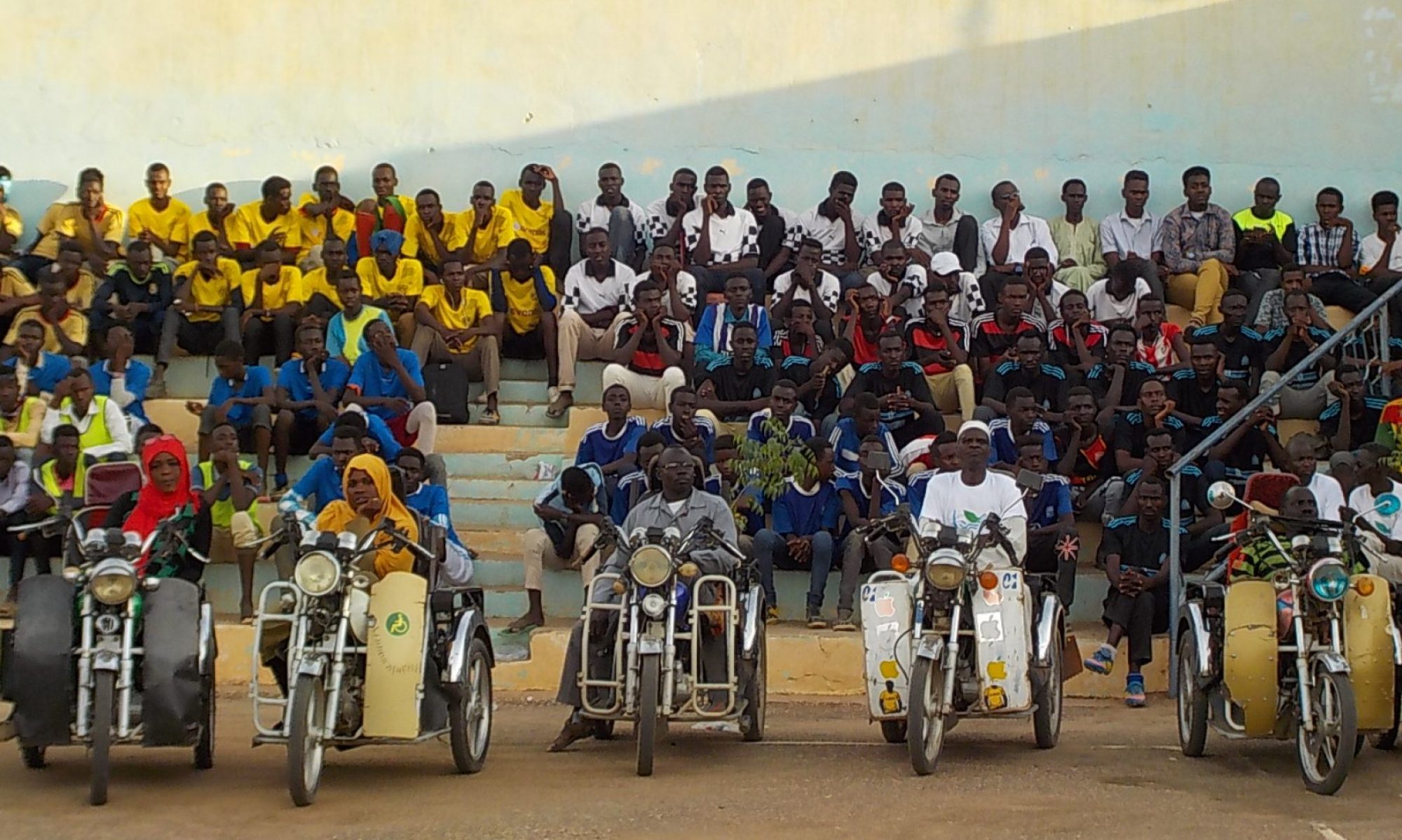

Darfur, a land of sweeping landscapes and resilient people, is a treasure trove of cultural heritage. Despite the challenges it has faced, the region’s rich traditions continue to thrive, woven into the daily lives of its communities. From vibrant music and dance to intricate crafts and age-old customs, Darfur culture is a testament to the enduring spirit of its people.
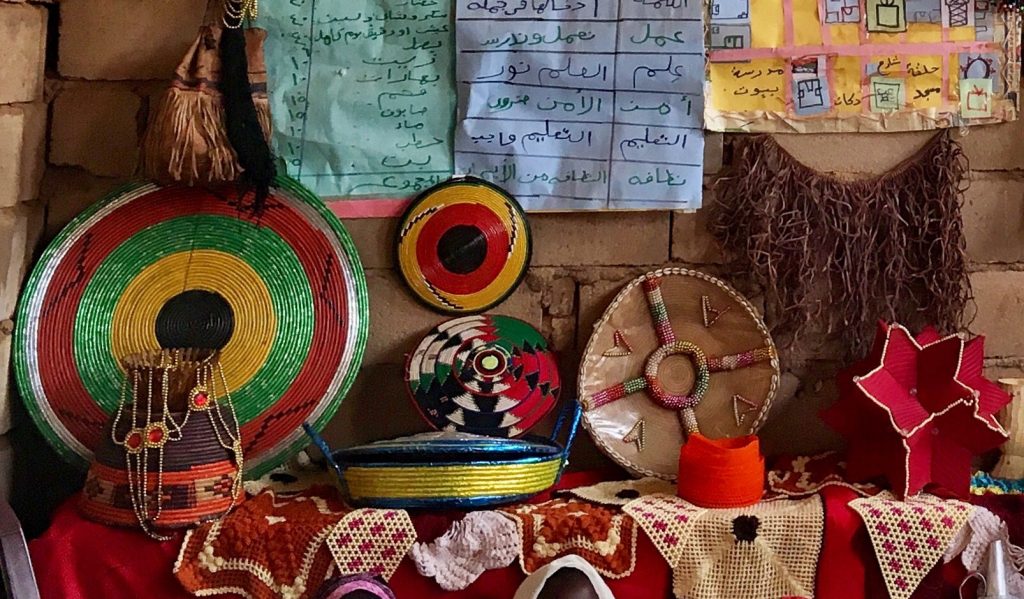
A Symphony of Traditions
- Oral Traditions: Music and dance are integral to Darfur’s culture, often passed down through generations through oral traditions.
- Diverse Styles: The region boasts a rich variety of musical styles, reflecting the diverse ethnic groups that call Darfur home.
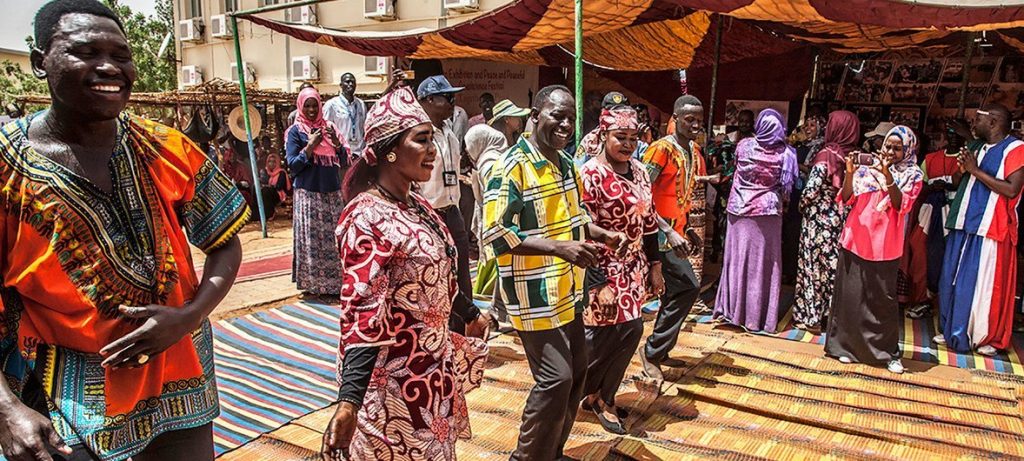
- Celebrations and Rituals: Music and dance play a crucial role in celebrations, ceremonies, and social gatherings, expressing joy, sorrow, and cultural identity.
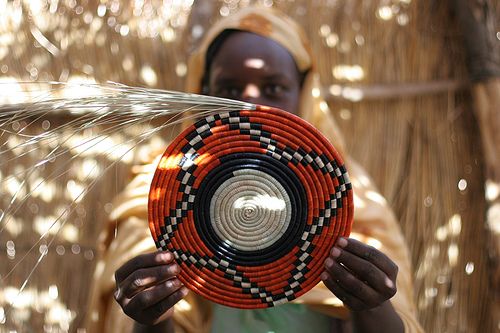
Crafts and Artisanship: Hands of Heritage
- Intricate Designs: Darfur’s artisans are renowned for their intricate designs and skilled craftsmanship, creating beautiful and functional objects.
- Traditional Techniques: Traditional techniques are used to create pottery, weaving, leather work, and other crafts, reflecting the region’s history and resources.
- Cultural Expression: Crafts are not only practical items but also expressions of cultural identity and artistic talent.
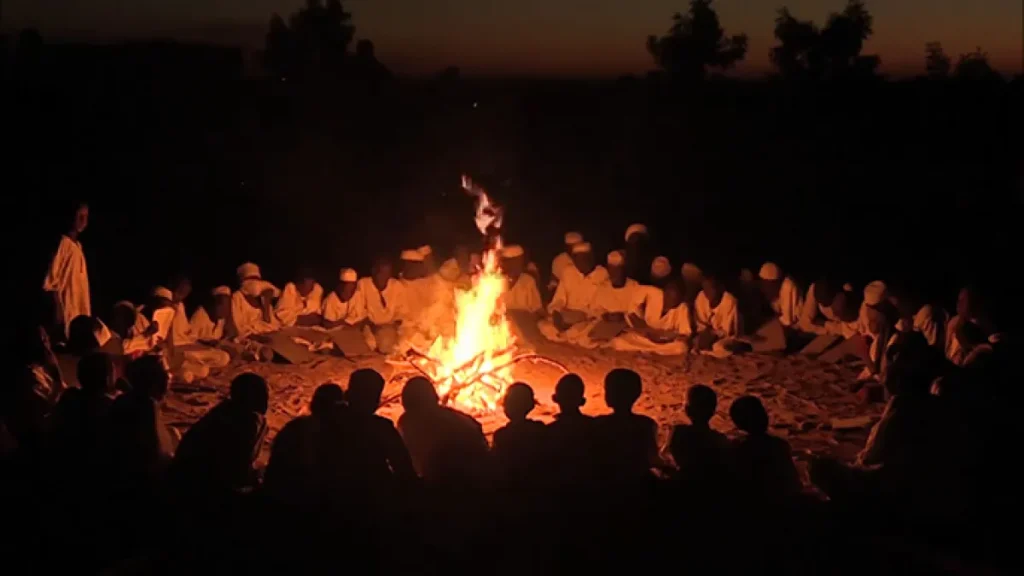
Storytelling and Oral Literature: Voices of the Past
- Guardians of History: Storytelling and oral literature are vital for preserving Darfur’s history, legends, and cultural values.
- Moral Lessons and Entertainment: Stories often convey moral lessons, historical events, and cultural beliefs, while also providing entertainment.
- Community Connection: Storytelling fosters community connection, bringing people together to share knowledge and experiences.
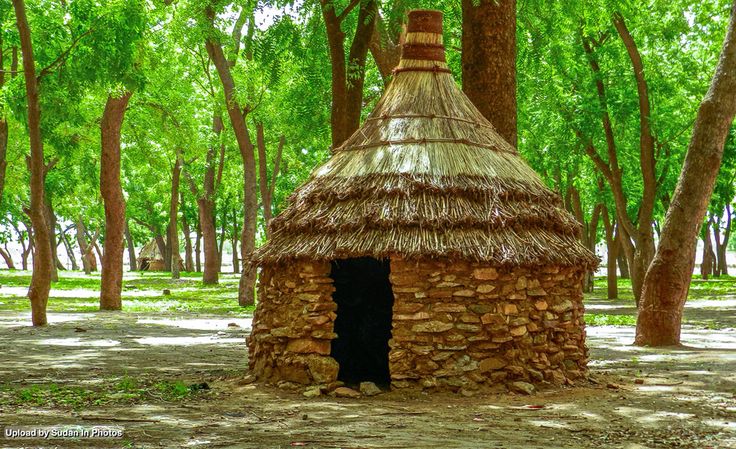
Architecture and Design: Homes of Tradition
- Adaptation to Environment: Traditional architecture in Darfur is adapted to the region’s climate and resources, using local materials and techniques.
- Cultural Significance: Architectural styles and designs often reflect cultural beliefs and social structures.
- Community Spaces: Traditional architecture emphasizes community spaces, fostering social interaction and shared experiences.
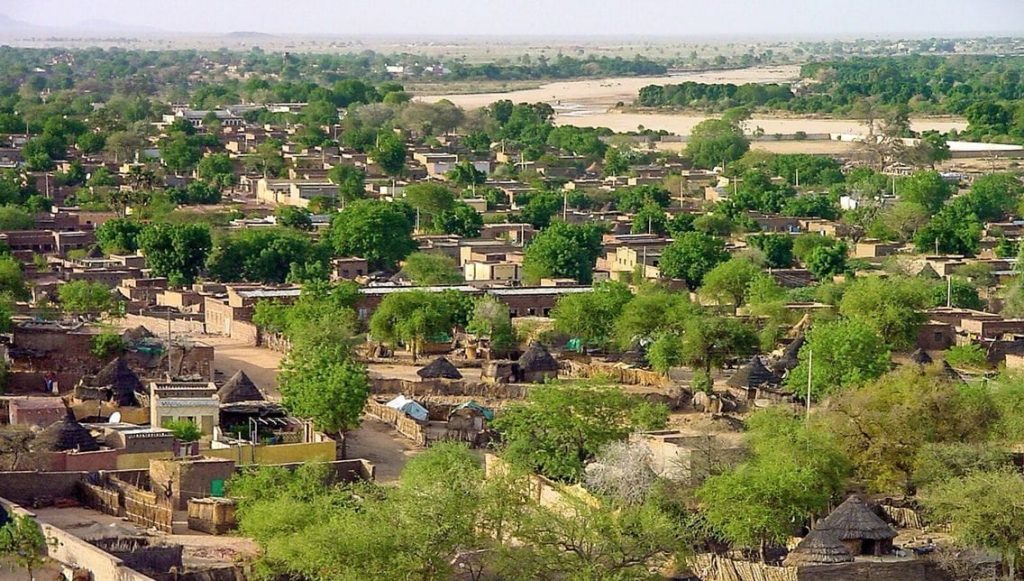
Resilience and Preservation
- Impact of Conflict: Ongoing challenges have impacted the preservation of cultural practices, but the spirit of Darfur culture endures.
- Community Efforts: Local communities are working to preserve their traditions, passing them on to younger generations.
- Importance of Documentation: Documenting and preserving Darfur’s culture is crucial for safeguarding its legacy and promoting understanding.
Our Role in Celebrating Darfur’s Culture
- Education and Awareness: Learn about and share the rich cultural heritage of Darfur.
- Supporting Local Initiatives: Support organizations that are working to preserve and promote Darfur’s culture.
- Respect and Appreciation: Approach Darfur culture with respect and appreciation, recognizing its value and significance.
Call to Action: “Learn More About Darfur’s Culture” or “Support Cultural Preservation Initiatives”