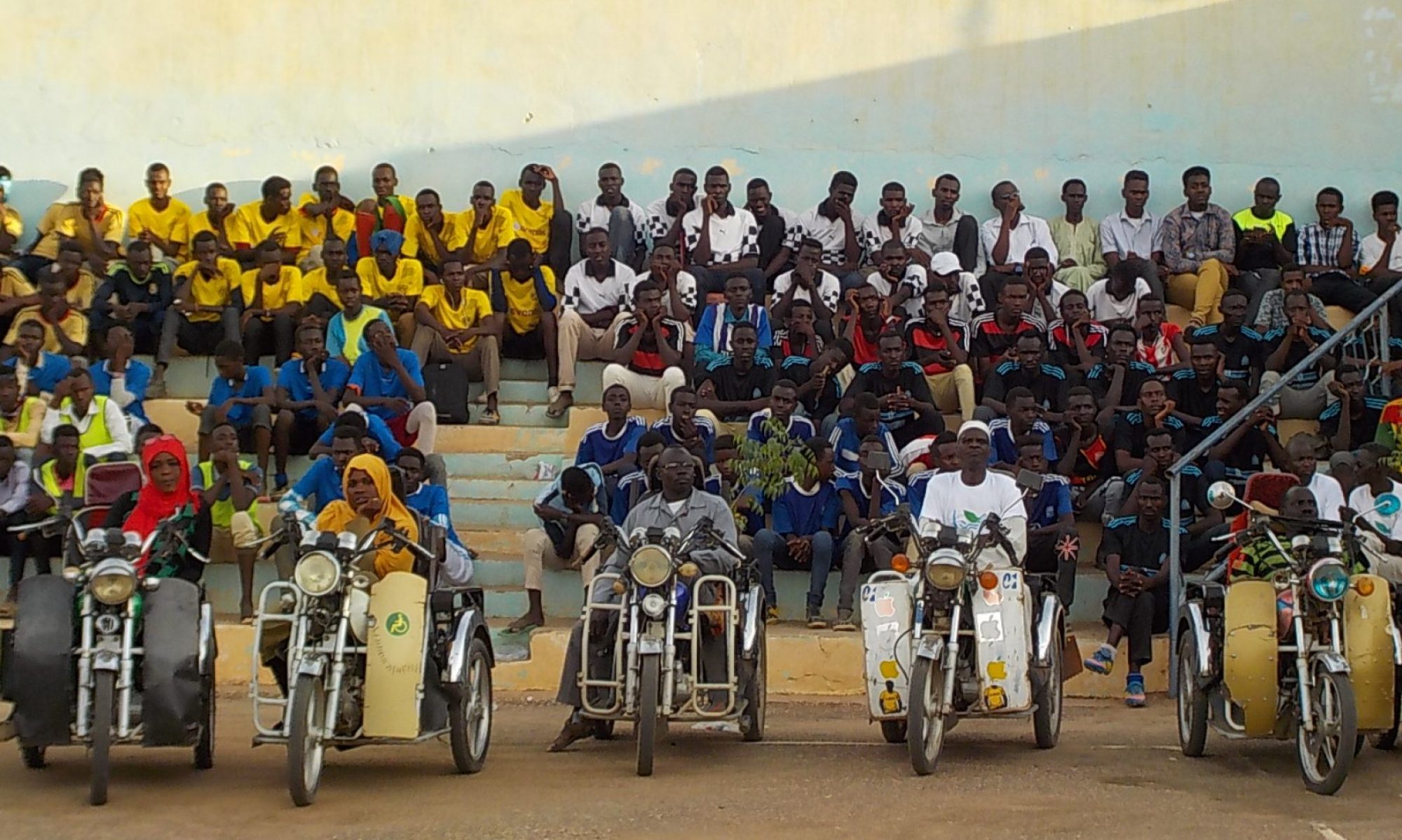

Youth employment and skills training are critical components in the overall development and stability of Darfur. With decades of conflict and economic instability having left many communities vulnerable, investment in the human capital of the region’s young people is essential for fostering resilience and catalyzing economic growth. By equipping youth with market-relevant skills and facilitating job creation, stakeholders aim to transform untapped potential into economic opportunities that reinforce community stability and development.
Employment Programs
Across Darfur, multiple initiatives have been launched to address the high rate of youth unemployment. Programs led by organizations such as the United Nations Development Programme (UNDP) have targeted young people through initiatives like youth employment and entrepreneurship schemes. For example, UNDP’s projects have trained hundreds of youth as volunteers and entrepreneurs who have since gone on to launch small businesses—from local cafes to artisanal food production—thereby directly impacting the local economy and generating jobs in their communities . In parallel, projects under the Youth, Employment, Skills (YES) initiative, often supported by international partnerships, focus on providing vocational training and market-oriented skills designed to meet current labor market demands.
Skills and Technology
The development of skills—with an emphasis on digital literacy as well as technical and vocational training—is central to preparing Darfuri youth for employment in a modern economy. Key aspects include:
- Digital and Technical Training: Training programs have been established to bridge the digital divide. These programs focus on practical skills such as computer literacy, coding, and the use of business software that are essential for today’s job market. This approach not only prepares young people for employment in sectors such as information technology and telecommunications but also encourages entrepreneurial ventures that leverage digital platforms.
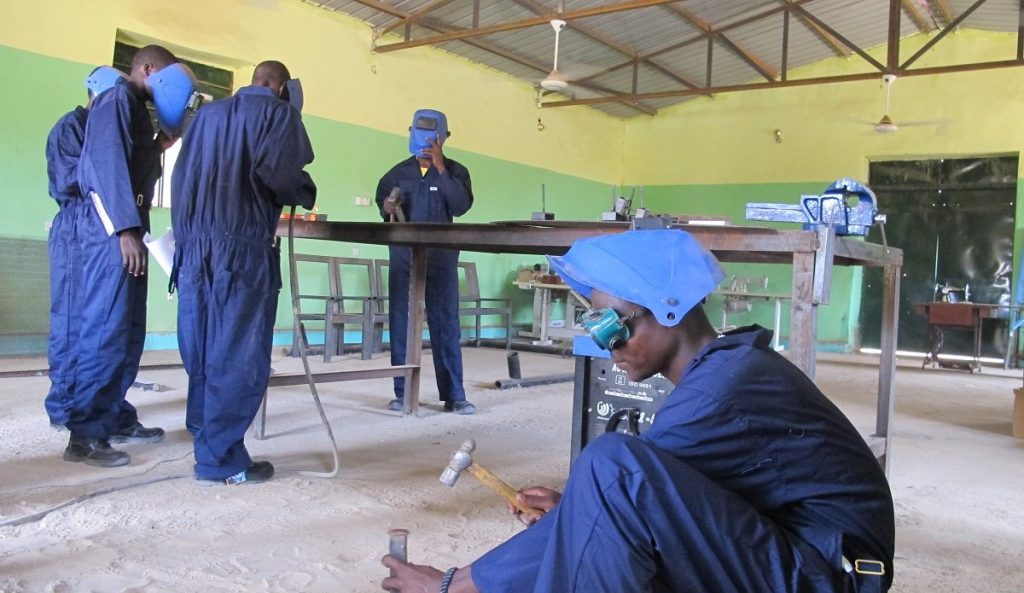
- Vocational and Trade Skills: In coordination with local governments and international organizations, vocational training centers have been introduced to offer courses in areas such as agriculture, carpentry, and manufacturing. These programs are designed to match the skill sets of local youth with the specific needs of Darfur’s evolving economy.
- Technology Integration: The use of mobile technology and interactive platforms has proven to be a valuable tool in delivering training materials and linking youth with job opportunities. By making use of digital innovation, education providers can reach remote communities and ensure that even those in rural areas gain access to vital training.
This blend of digital literacy and practical vocational skills is critical for fostering self-reliance and equipping young people with a competitive edge in the job market.
Supporting Job Creation in Darfur
Beyond training, a comprehensive ecosystem supporting job creation is emerging in Darfur through several collaborative approaches:
- Entrepreneurship and Microfinance: Many initiatives are focused on nurturing entrepreneurial skills among youth. With seed funding, mentorship programs, and business development services, these projects help young people translate skills into sustainable businesses. Success stories—ranging from small-scale bakeries to local service providers—demonstrate the impact of well-supported entrepreneurial initiatives.
- Job Matching and Networking Platforms: Programs led by organizations such as GIZ have concentrated on creating structures that bridge the gap between aspiring young professionals (including those from marginalized groups, refugees, and internally displaced persons) and the labor market. These projects partner with local training institutions and private sector stakeholders to ensure that youth are connected with prospective employment opportunities through job fairs, online portals, and networking events .
- Holistic Development Approaches: Recognizing that job creation goes hand in hand with community development, many projects integrate capacity building into wider social initiatives. These include leadership training, conflict resolution, and civic engagement workshops that bolster a supportive environment for sustainable economic activity.
Such multidimensional support systems are essential not only for creating jobs but also for ensuring that employment is sustainable and aligned with broader community development goals.
Challenges and Opportunities
Challenges
- Infrastructure Limitations: Many areas of Darfur still suffer from inadequate electricity, poor internet connectivity, and insufficient educational facilities—all factors that hamper both vocational training and modern digital learning initiatives.
- Economic and Political Instability: Ongoing conflict and economic instability continue to disrupt employment programs and inhibit long-term investment in skills development. These instabilities often lead to fluctuating donor engagement and delayed implementation of projects.
- Resource Access and Funding Gaps: Limited access to capital, both from public and private sectors, restricts the scale at which training and job creation initiatives can be deployed. In addition, a scarcity of localized technical support can slow the pace of digital and vocational skills training.
- Mismatch of Skills and Market Demand: While training programs are expanding, there is often a gap between the skills provided and those demanded by the emerging job market. This mismatch can reduce the effectiveness of employment programs and leave talented individuals underemployed.
Opportunities
- Advances in Digital Technology: As mobile and internet connectivity improve, there is significant potential to expand digital skills training and remote learning platforms. This shift can extend training to underserved areas and link youth with a broader range of global opportunities.
- Community Resilience and International Partnerships: The determination of local communities, together with support from international organizations (UNDP, GIZ, EU initiatives), provides a solid foundation on which to build more robust employment programs. Collaborative projects create opportunities for shared expertise and integrated resource mobilization.
- Entrepreneurial Innovation: The current trend toward entrepreneurial ventures among Darfuri youth indicates a latent talent pool that can be nurtured with targeted microfinance initiatives and business incubation services. By harnessing local ingenuity, diverse sectors—from agriculture to creative industries—can expand and offer new employment prospects.
These challenges and opportunities must be carefully balanced to ensure that interventions are both realistic and transformative.
Recommendations for the Future
To stimulate robust skills development and sustainable job creation for youth in Darfur, the following strategic recommendations are proposed:
- Expand and Modernize Infrastructure:
- Invest in upgrading digital and physical infrastructure, such as reliable electricity, internet connectivity, and modern educational facilities, to support digital literacy and vocational training programs.
- Scale Up Vocational and Technical Training:
- Develop partnerships between vocational training institutions, local businesses, and international donors to offer programs that are closely aligned with market needs.
- Introduce flexible learning modules that combine practical training with digital education.
- Enhance Entrepreneurship Initiatives:
- Increase access to seed funding, microfinance, and mentorship programs that encourage youth-led enterprises.
- Establish incubator centers and innovation hubs that provide resources such as business coaching, networking, and access to market information.
- Strengthen Job Matching and Networking Platforms:
- Implement digital job matching platforms that connect trained youth with local and international employment opportunities.
- Organize regular job fairs, online webinars, and networking events to bridge the gap between job seekers and employers.
- Promote Public–Private Partnerships:
- Foster collaboration between government agencies, private companies, and civil society organizations to co-fund and co-implement training and employment initiatives.
- Encourage local companies to invest in youth development as part of their corporate social responsibility initiatives.
- Monitor, Evaluate, and Adapt Programs:
- Develop robust monitoring and evaluation frameworks to measure the impact of skills and employment programs.
- Use the data collected to refine existing initiatives and design new interventions that respond dynamically to changing market conditions.
The empowerment of Darfur’s youth through skills development and job creation is essential for breaking the cycle of instability and unlocking long-term economic resilience. Through comprehensive employment programs, targeted skills training, and initiatives that bridge the gap between education and market demand, there is a clear pathway toward sustainable development. While challenges such as infrastructural deficiencies, political instability, and resource limitations persist, the opportunities presented by digital transformation, community resilience, and vibrant entrepreneurial spirit are profound. With well-coordinated efforts and strategic investments from both local and international stakeholders, Darfur can create a future where its youth play a central role in shaping a stable, prosperous society.