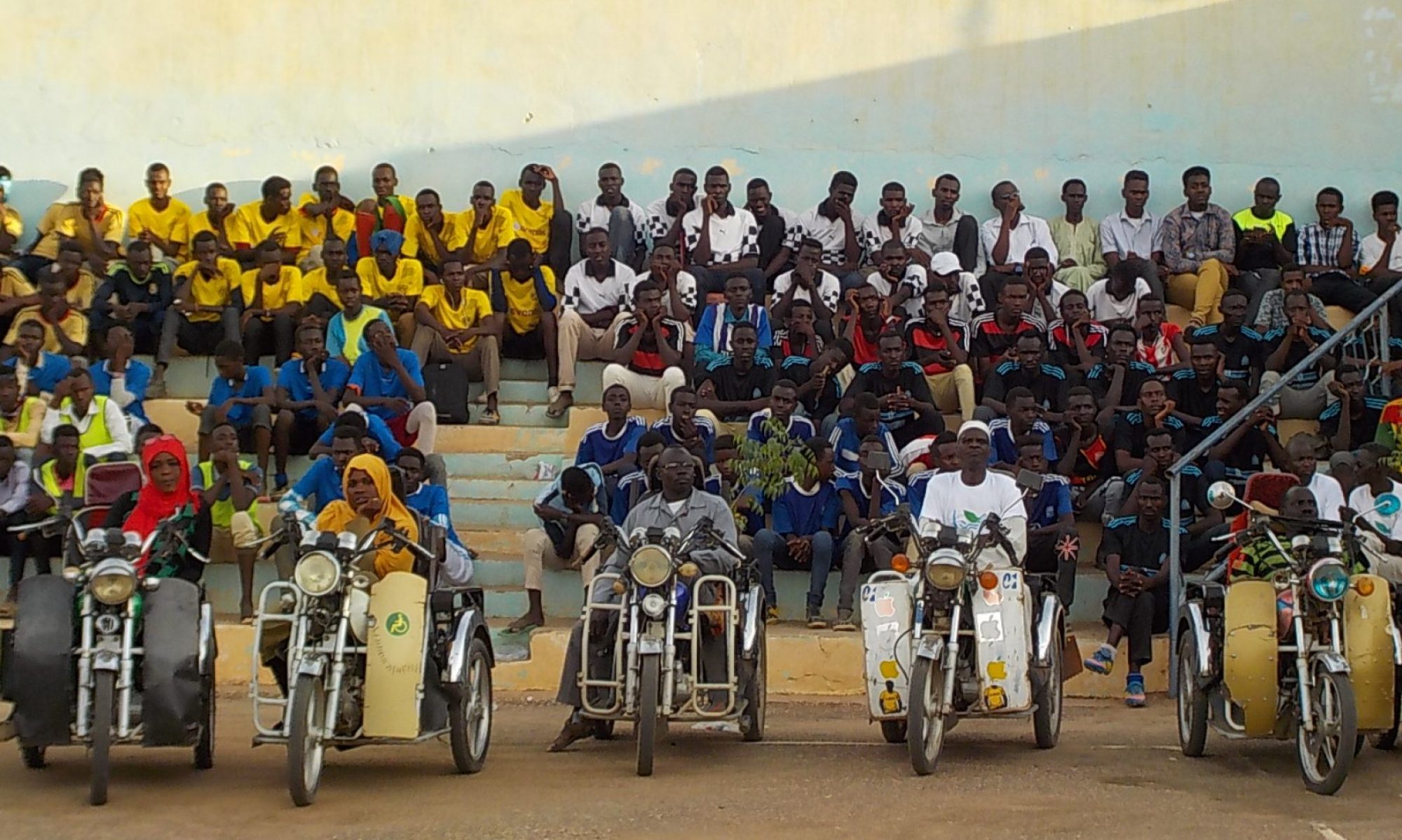

Games in Darfur are far more than mere pastimes; they serve as conduits for cultural knowledge, community bonding, and the imparting of essential life skills. In a region marked by both cultural richness and hardship, traditional games help preserve identity and instill resilience. Whether played around a simple board, in the dusty open courtyards, or during vibrant communal gatherings, the games of Darfur are steeped in history and echo generations of social learning.
Board Games and Strategic Thinking
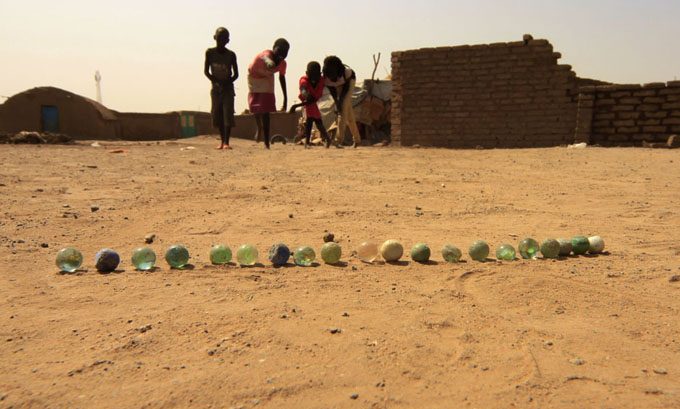
Traditional board games in Darfur are often variants of ancient playforms that utilize simple tools—such as carved boards, stones, or seeds—to create games that demand strategic planning and resource management. Much like internationally renowned strategy games (for example, Risk or Settlers of Catan), these local games foster decision-making skills, critical thinking, and negotiation among players. In modern contexts, strategic board games have gained acclaim for developing cognitive abilities. In Darfur, traditional board games not only entertain but also serve as a medium for passing on local history, values, and methods for overcoming challenges—a microcosm of the community’s broader survival strategies.
- Traditional board games, often with intricate rules and strategies, have been played for centuries. They foster critical thinking and social interaction.
- These games often carry symbolic meanings and are deeply ingrained in cultural narratives.
Throwing and Skill Games
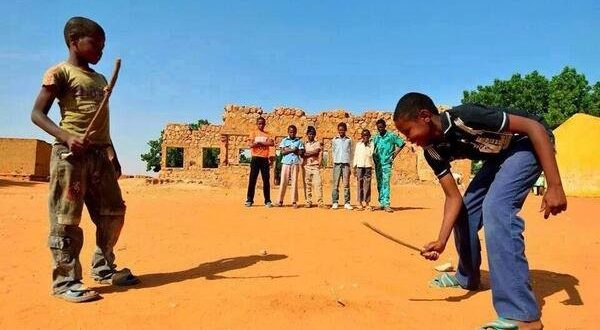
Across many villages in Darfur, throwing and skill games have long been a staple of daily recreation. These games—often improvised with locally sourced objects such as stones, small clay pots, or handmade objects—require precision, coordination, and timing. They are reminiscent of activities that once served as informal training for hunting or warfare, thereby sharpening an individual’s reflexes and hand–eye coordination. Far from being merely casual play, such games are formative for youth and help reinforce a sense of competence and self-reliance, all while keeping traditions alive by adapting to available materials and environmental resources.
- Games involving throwing stones, sticks, or other objects test accuracy and coordination.
- These games can be competitive or cooperative, depending on the specific tradition.
Running and Physical Challenges
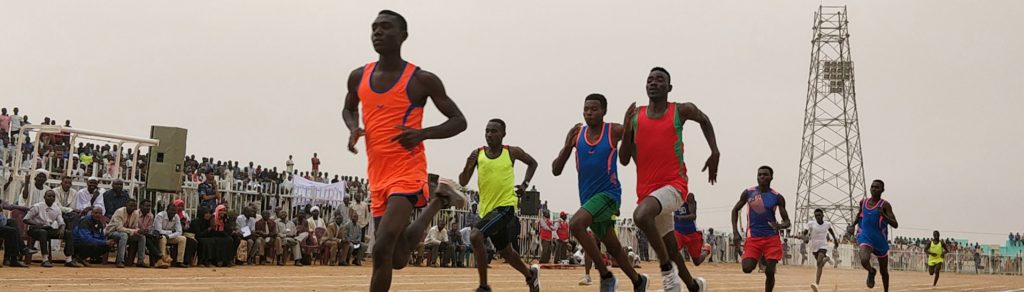
Given the wide-open spaces and the rugged terrain of Darfur, running games and physical challenges naturally emerged as significant community activities. Local running contests and races are not only tests of physical endurance and speed; they also function as communal events that foster healthy competition and collective spirit. These activities can range from simple foot races among youths to more organized obstacle courses during community festivals, serving both as rites of passage and demonstrations of physical prowess. In environments where daily life is interwoven with physical challenges, these contests also serve as metaphors for the trials of everyday survival.
- Running races and other physical challenges have long been a part of Darfur culture, testing speed, endurance, and agility.
- These activities are often integrated into festivals and community celebrations.
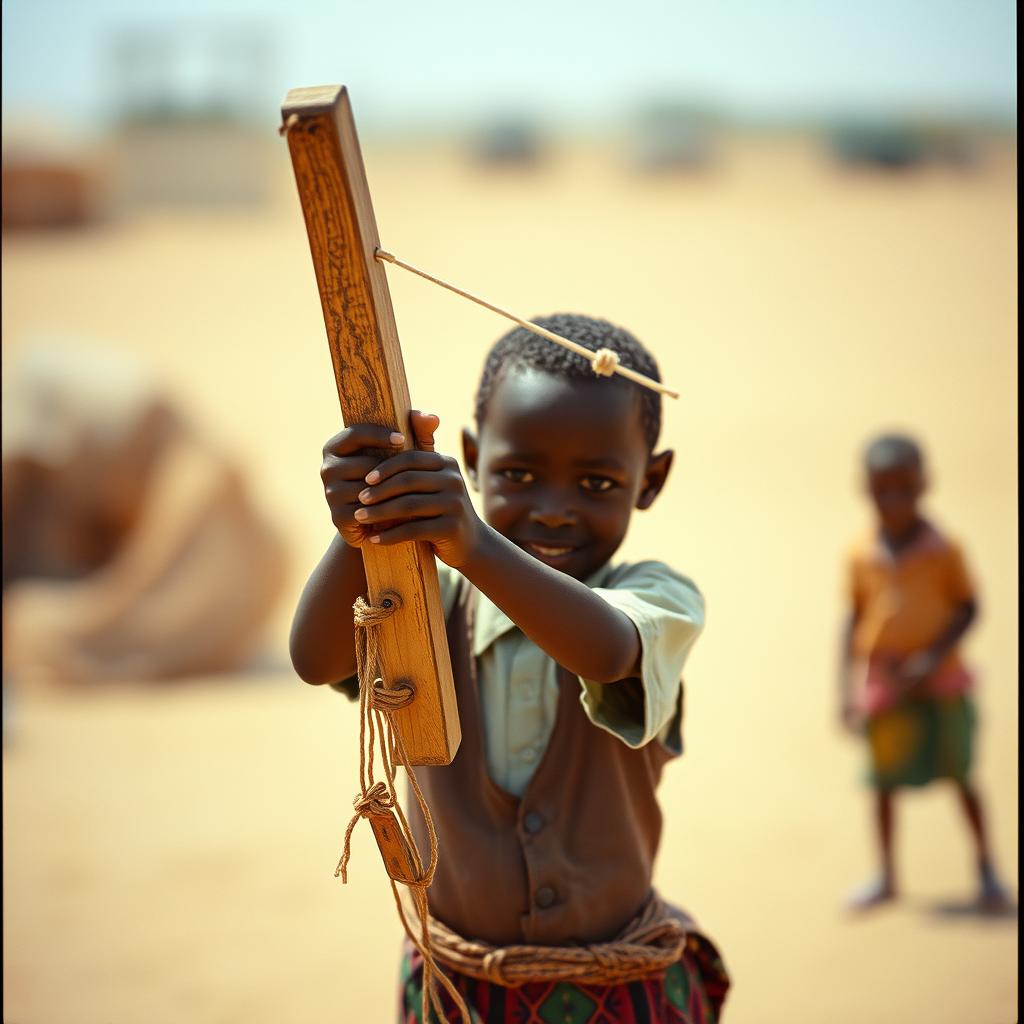
Children’s Games: Joy and Resilience
The games played by children in Darfur are imbued with creativity and a deep connection to their cultural context. Using everyday objects and open spaces, children engage in games that resemble classic activities such as hide and seek, tag, or hopscotch—but with local twists that often reflect community lore and family traditions. These games are vital for socialization, teaching young ones about cooperation, turn-taking, and problem-solving. Through role-playing and storytelling, children absorb lessons on local heroism and cultural values that have been passed down through generations. Their playful interactions ensure that the core traditions of Darfur continue to be renewed with each generation.
- Children in Darfur find joy and escape in simple games, using their imagination and resourcefulness.
- These games foster social skills, creativity, and resilience.
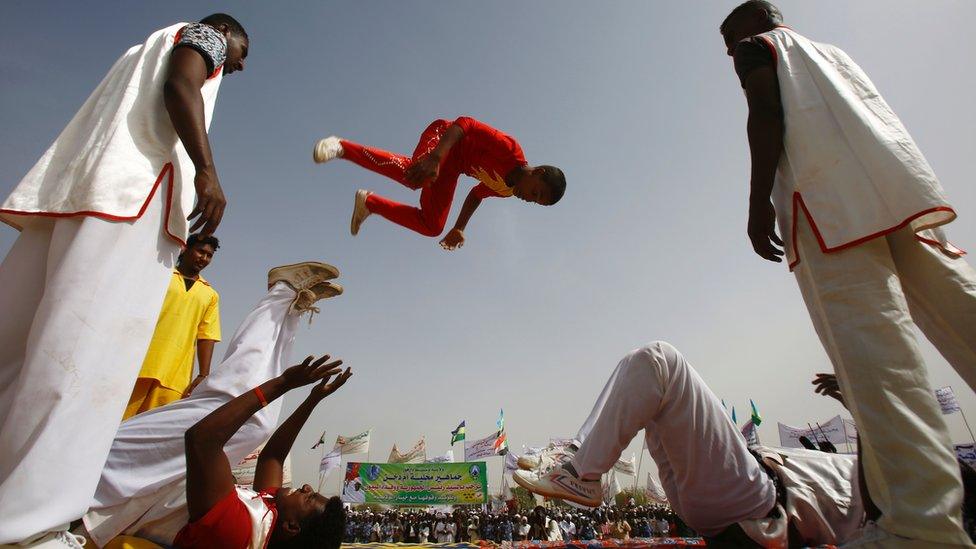
Community Games: Strengthening Bonds
Community games in Darfur are a celebration of collective identity. They are typically organized during local festivals, religious ceremonies, or special market days—events where people of all ages and backgrounds come together. Such games might include team competitions, cooperative puzzles, or traditional dances that integrate game-like challenges. The communal nature of these events reinforces social cohesion and provides a forum for intergenerational dialogue, with elders sharing anecdotes and cultural narratives that underscore the region’s rich heritage. In a society where external pressures and conflict have often threatened unity, these games are a powerful reminder of the community’s strength and resilience.
- Games are an integral part of community gatherings, festivals, and celebrations, strengthening social bonds and fostering a sense of belonging.
- Games help to reduce stress, and to build community cohesion.
- Games as a Tool for Peacebuilding: Organizations use games and sports to promote peace and reconciliation, bringing together communities affected by conflict.
Challenges
Despite their cultural importance, traditional gaming practices in Darfur face numerous challenges:
- Social and Economic Instability: Ongoing conflict, displacement, and economic hardship have disrupted many traditional practices, making it harder for communities to gather regularly for gaming and cultural activities.
- Modernization and Globalization: The influx of digital entertainment and foreign cultural influences can contribute to the decline of traditional games, especially among younger generations who may find modern media more immediately engaging.
- Loss of Infrastructure and Documentation: Many traditional games are passed down by word of mouth or informal demonstration. With shifting demographics and the pressures of modern life, there is a risk that these practices may fade without proper documentation or dedicated venues.
- Resource Scarcity: In a region where daily survival takes precedence, finding the time and resources to maintain or revive cultural gaming practices can be particularly challenging.
These challenges underscore the delicate balance between preserving cultural heritage and adapting to an ever-changing environment.
Call to Action: “Support Play and Recreation in Darfur” or “Donate to Youth Development Programs”