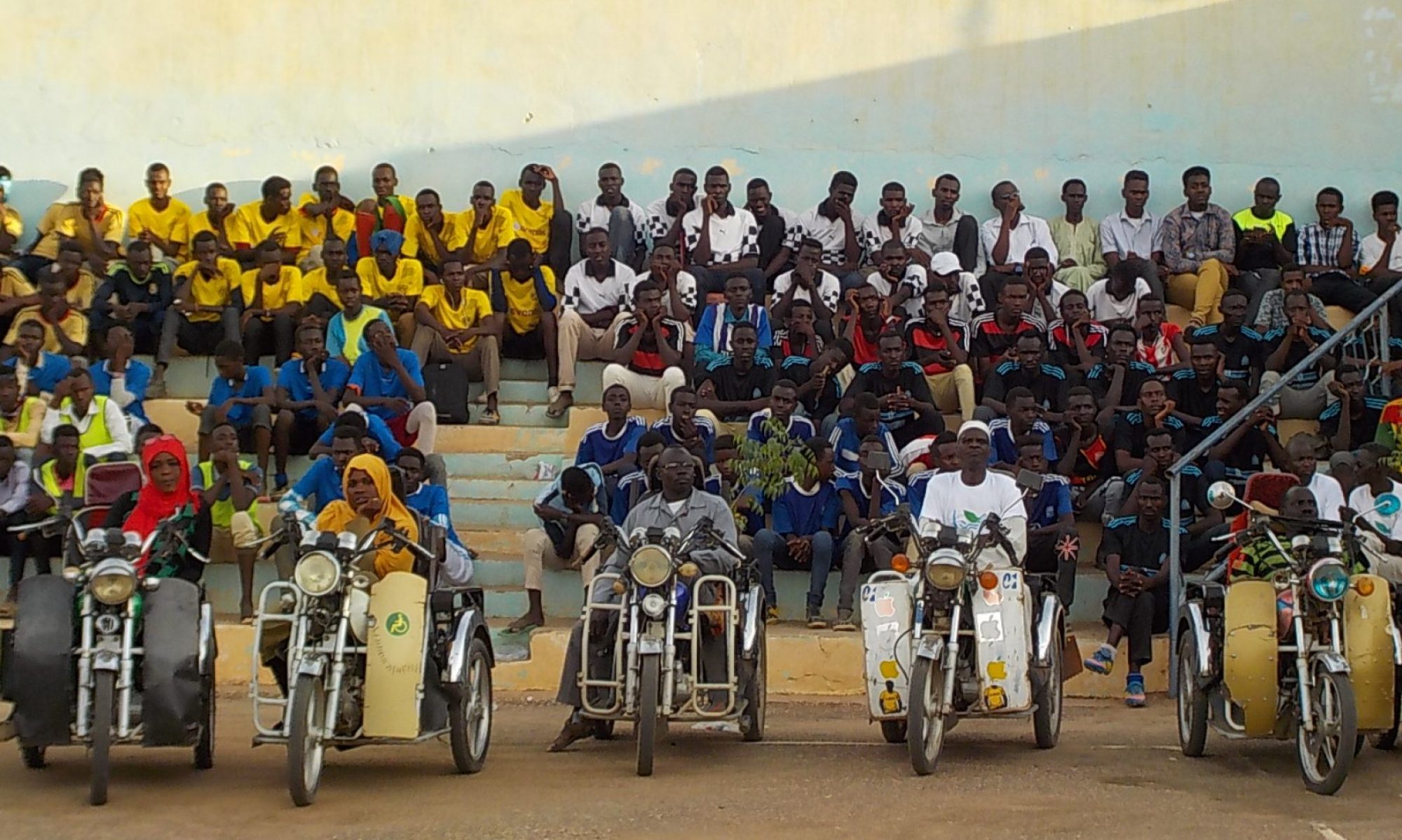

Darfur’s traditional games are more than just pastimes; they are living threads connecting generations, weaving together stories of skill, strategy, and community. These games, often passed down through oral tradition, offer a window into the rich cultural tapestry of the region, reflecting the values and ingenuity of the people of Darfur .
A Celebration of Skill and Community
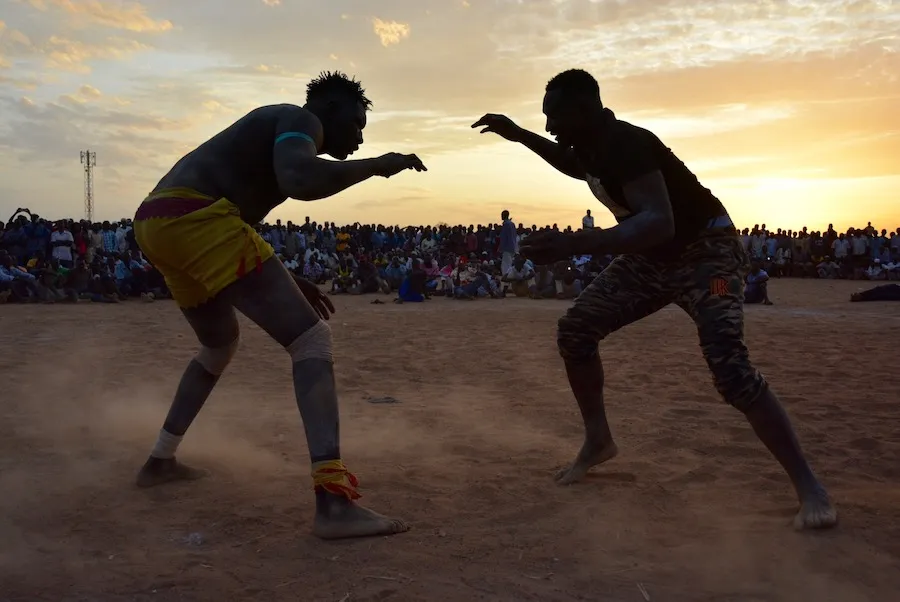
Traditional wrestling, known by various local names, is a prominent spectacle, where strength and agility meet ritual and respect. Pre-match ceremonies, filled with rhythmic chants and displays of prowess, emphasize honor and fair play, transforming a physical contest into a cultural event.
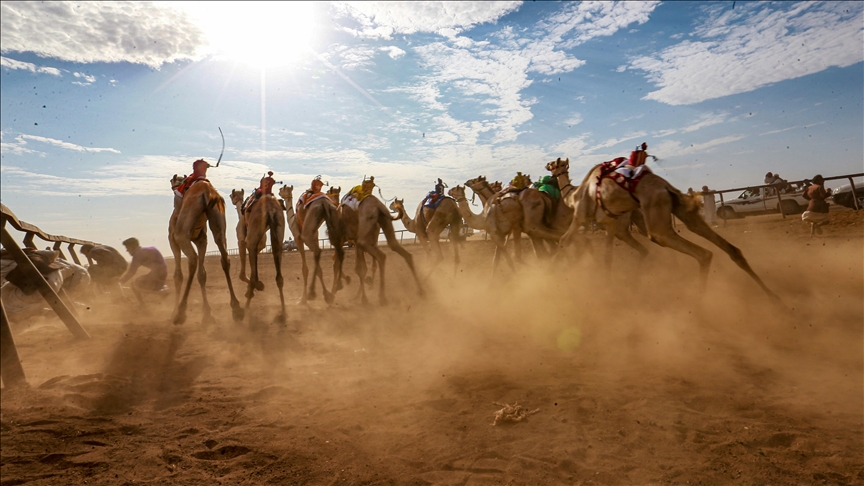
Camel racing, another cherished tradition, celebrates the deep connection between humans and animals, showcasing the skill of riders and the enduring importance of camels in Darfur life. These races are more than just competitions; they are social gatherings, fostering community spirit and celebrating shared heritage.
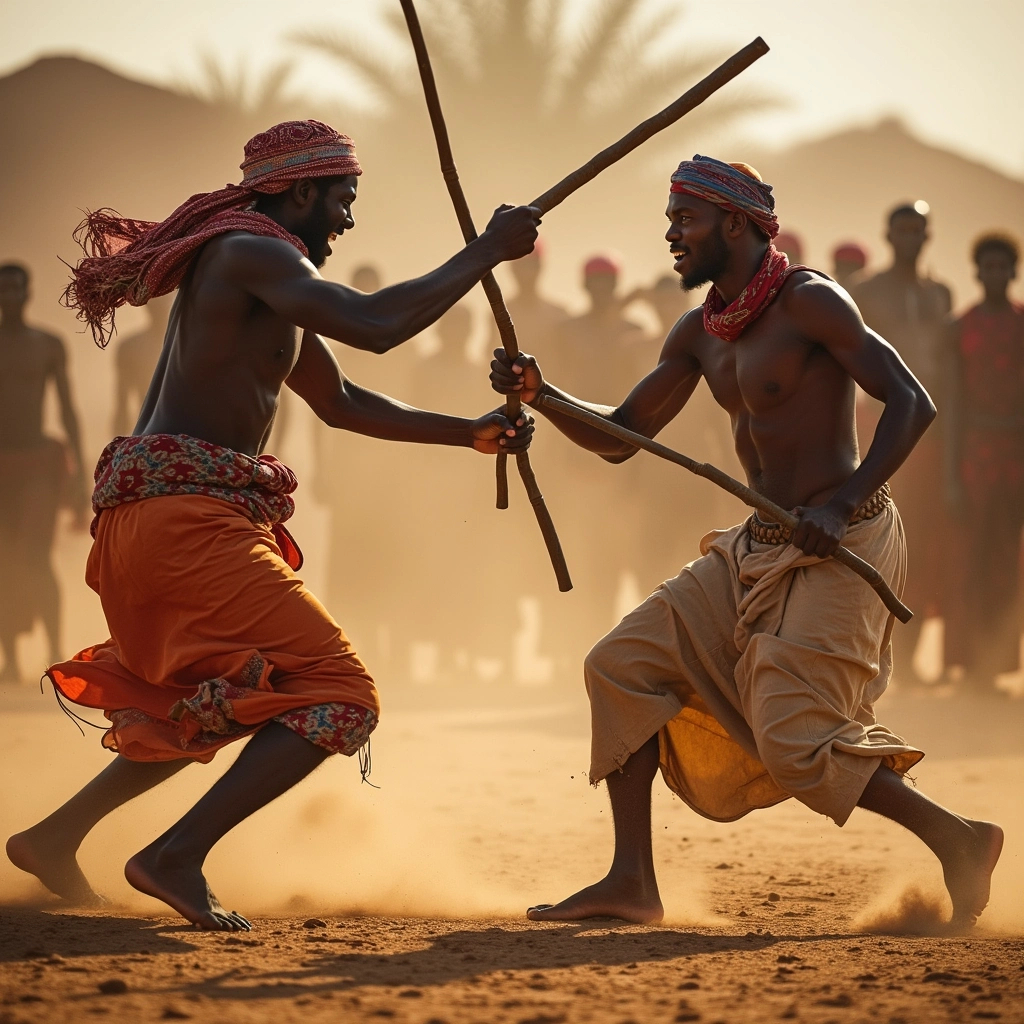
Stick fighting, a display of martial skill and courage, offers a glimpse into the region’s historical traditions and serves as a means of settling disputes or demonstrating strength within a community.
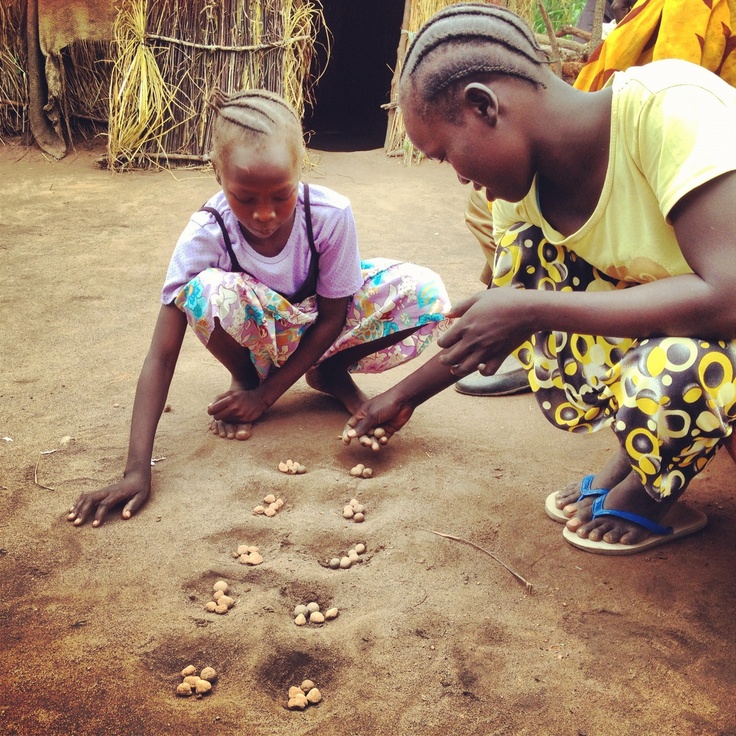
Numerous other games, including intricate board games that demand strategic thinking, throwing games that test precision, and running races that showcase speed and endurance, contribute to the rich tapestry of Darfur’s cultural practices. These games, often played during festivals and social gatherings, strengthen community bonds and transmit valuable skills and knowledge.
Preserving a Living Legacy
These traditional games are vital for preserving Darfur’s cultural identity, acting as repositories of history, values, and skills. They are essential for reinforcing social cohesion, creating spaces for inter generational interaction, and fostering a sense of belonging. However, the ongoing challenges faced by Darfur, including conflict and displacement, threaten the continuity of these practices. It is crucial to document and support these traditions, ensuring that they continue to thrive and inspire future generations. By recognizing their importance and supporting their continued practice, we honor the enduring spirit of the people of Darfur and safeguard their rich cultural heritage.