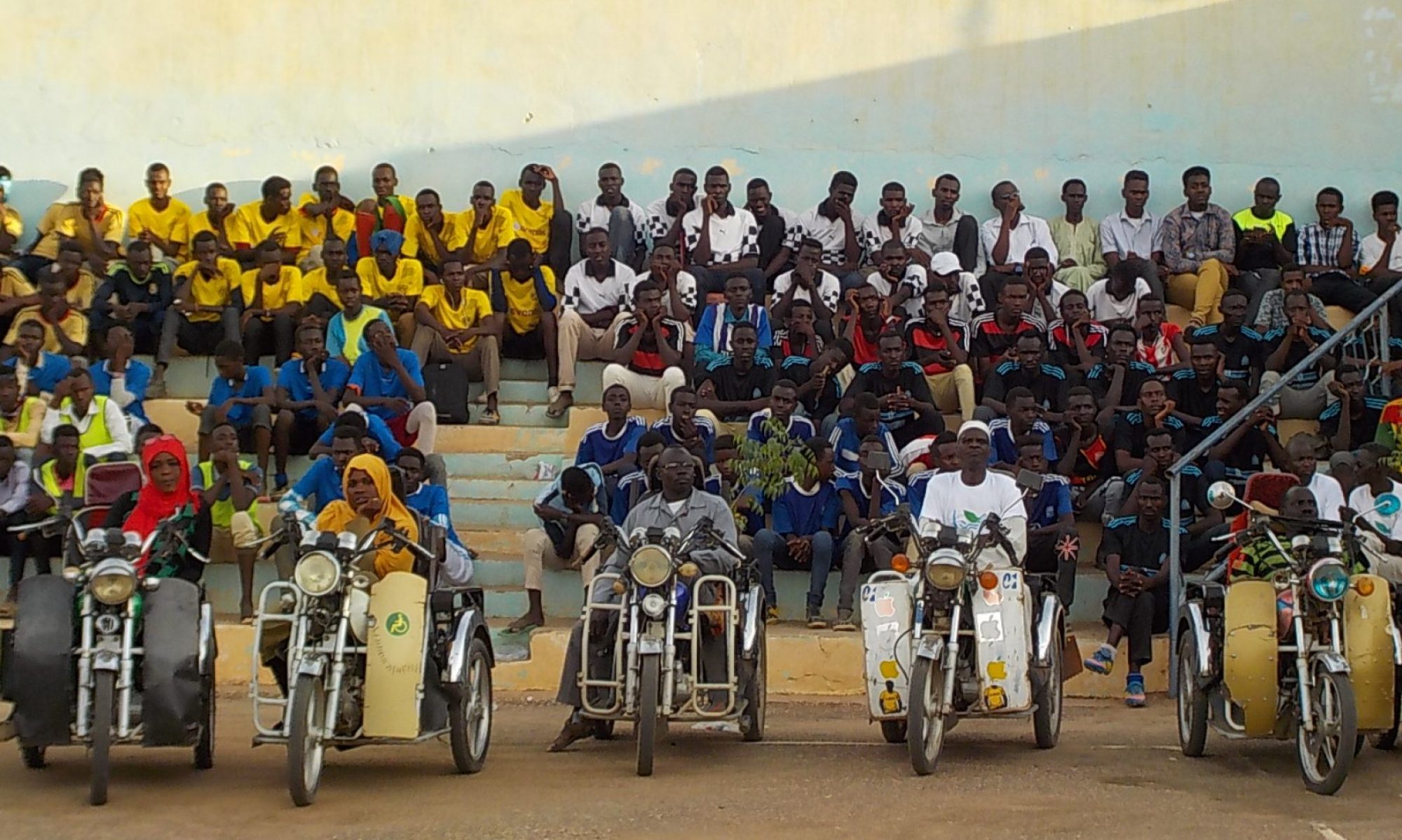

Beyond the thrill of football and other physical sports, modern games like chess, dominoes, and card games are thriving in Darfur, offering spaces for mental engagement, strategic thinking, and social interaction. These games transcend age and social barriers, providing a sense of normalcy and connection amidst challenging circumstances.
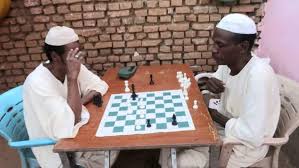
Chess: A Global Strategy Game in a Local Setting
Chess is globally revered for its intellectual rigor and timeless appeal. In Darfur, chess has become more than an imported game; it is a channel through which local communities refine their problem-solving abilities and strategic thinking. Local enthusiasts and budding clubs have embraced chess as they find that its structured rules and dynamic strategies resonate with the challenges of daily life. Here, chess is often played in community centers, schools, and informal gatherings where the game sparks conversations that range from tactical maneuvers to broader reflections on life’s complexities. As a game that demands foresight and adaptability—qualities that many in the region value—it acts as a bridge connecting Darfur’s rich history with modern intellectual pursuits.
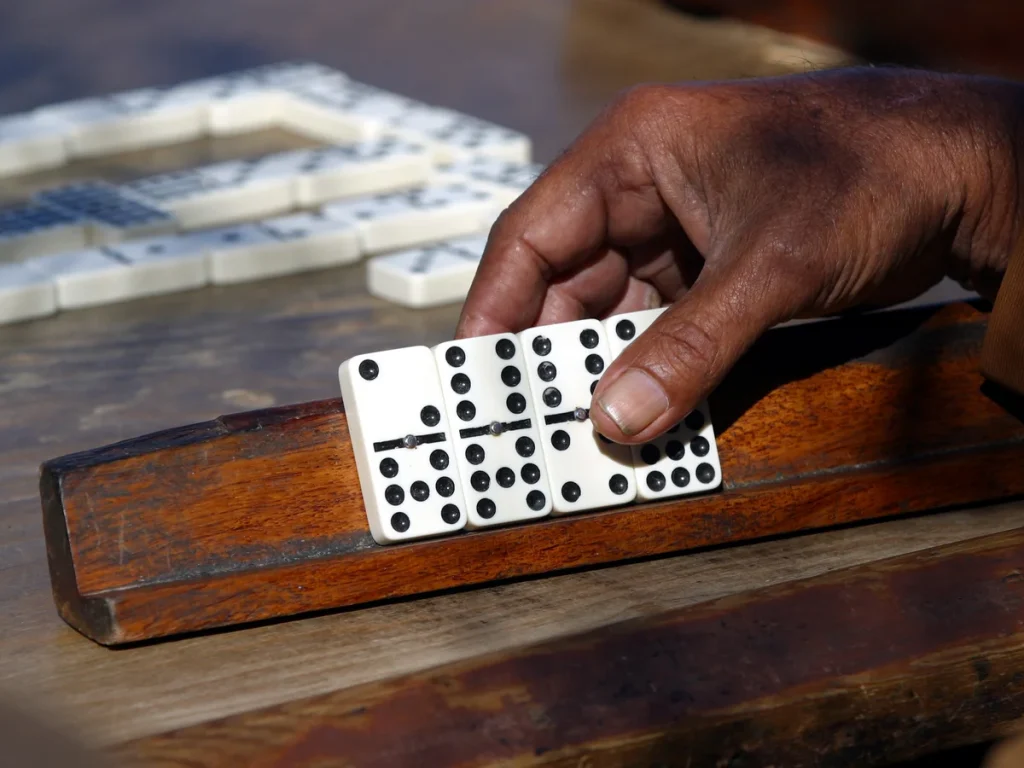
Dominoes, with its rhythmic clacking and strategic tile placement, is another popular pastime. It’s a game that can be enjoyed by people of all ages and skill levels, making it a perfect social activity. Dominoes matches bring people together, fostering friendly competition and creating opportunities for laughter and conversation. Whether played in cafes, homes, or community centers, dominoes provide a sense of shared experience and connection.
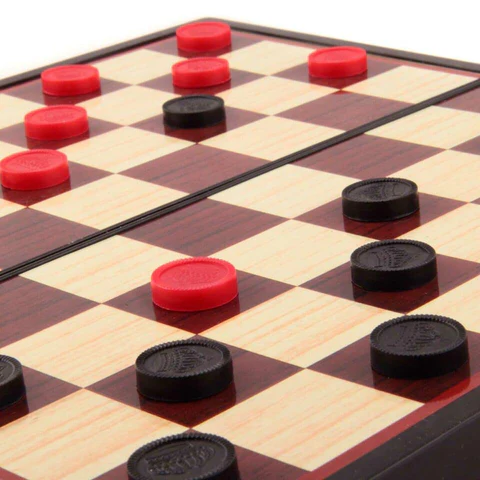
Checkers: Simplicity and Strategic Insight
Checkers, with its accessible rules and emphasis on spatial awareness and planning, offers another avenue for modern game enjoyment in Darfur. Known for its simplicity, checkers is frequently enjoyed by people of all ages and social backgrounds. The game’s ease of setup—often requiring nothing more than a standardized board and a set of pieces—has made it popular in both urban centers and smaller communities. It serves as an effective tool for teaching logic, sequencing, and the reward of iterative learning. Its universality ensures that it remains a staple at social gatherings, where friendly competition and rapid-fire decisions create a shared sense of excitement. For many in Darfur, checkers is a way to navigate the balance between tradition and modernity in a setting where every move can represent both strategy and spontaneity.
Playing Cards: A Medium for Social Connection
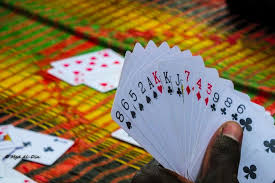
Playing cards have a longstanding history as both recreational tools and social catalysts. In Darfur, card games have grown increasingly popular in coffee houses, community centers, and private gatherings. Popular games vary—from traditional family games to internationally recognized formats such as rummy or even adaptations of poker rules. These card games are not only about winning or losing; they provide a means to build social networks, pass the time in moments of communal respite, and engage in light-hearted yet competitive exchanges. The portability and low cost of playing cards also make them highly accessible, enabling a broad cross-section of society—from elders to youth—to share in the enjoyment and challenge of each round.
Social and Cultural Integration of Modern Games
The introduction and adoption of chess, checkers, and playing cards in Darfur have contributed significantly to social cohesion and cross-generational dialogue. These games serve as an informal curriculum that sharpens strategic thinking, hones decision-making skills, and encourages respectful competition. Community gatherings centered on these games provide opportunities to forge bonds that extend beyond gameplay—promoting cultural dialogue where modern influences meet local traditions. School programs, community centers, and outreach initiatives are increasingly incorporating these games as educational supplements, enhancing cognitive skills while instilling a sense of pride and connectedness among participants.
Challenges Facing the Modern Gaming Sector
Despite the growing popularity of these modern board and card games, several challenges continue to affect their wider adoption in Darfur:
- Access and Resource Limitations: In some areas, limited access to quality gaming materials (such as well-crafted boards, pieces, or decks) can impede enthusiasm and skill development.
- Economic and Social Constraints: In regions where survival and day-to-day economic concerns take precedence, allotting time and resources for leisure activities—including organized gaming—remains challenging.
- Awareness and Training: While interest is on the rise, formal coaching or club structures for games like chess are still in their infancy. This can slow progress in developing local champions or hosting official tournaments.
- Balancing Traditional and Modern Interests: As local communities already cherish their own cultural games, integrating modern board games without diminishing traditional practices requires thoughtful community engagement and resource allocation.
These challenges point to the necessity of targeted support and infrastructure that can help modern gaming thrive alongside traditional forms.
Recommendations for a Vibrant Gaming Future
To build on the current momentum and expand the modern gaming landscape in Darfur, several recommendations are proposed:
- Establishment of Dedicated Gaming Centers: Create community hubs where chess, checkers, and card game enthusiasts can gather, play, and learn from one another. Such centers would serve both as social spaces and as informal schools of strategy and critical thinking.
- Integration into Educational Programs: Collaborate with local schools to include modern board game tournaments and clubs as part of extracurricular activities. This approach would harness the cognitive and social benefits of gameplay while nurturing healthy competition and teamwork.
- Community Tournaments and Leagues: Organize local and regional competitions that not only foster healthy rivalry but also spotlight emerging talent. Recognizing local champions through awards and public events could serve as an impetus for further engagement.
- Partnerships with National and International Organizations: Seek collaborations with organizations specializing in strategy games and cultural exchange. Such partnerships can help supply quality gaming materials, coaching expertise, and opportunities for inter-regional competitions.
- Digital and Media Engagement: Leverage digital platforms to host online tournaments, tutorials, and discussion forums. Increased internet penetration and mobile connectivity in Darfur can facilitate virtual gatherings that complement physical club centers.
- Documentation and Cultural Integration: Archive and document the local evolution of these modern games. This effort would help highlight how global influences merge with local cultures and could serve as a foundation for future research and cultural preservation initiatives.
Modern games like chess, checkers, and playing cards are much more than recreational activities in Darfur—they are a testament to the region’s adaptive spirit and its willingness to engage with global trends while nurturing local traditions. As communities continue to embrace these games, they not only sharpen essential cognitive skills but also create networks of social solidarity and intellectual challenge. With concerted efforts to support and integrate modern gaming into educational and cultural settings, Darfur’s gaming sector can flourish, offering a dynamic blend of tradition and modernity that enriches community life on many levels.