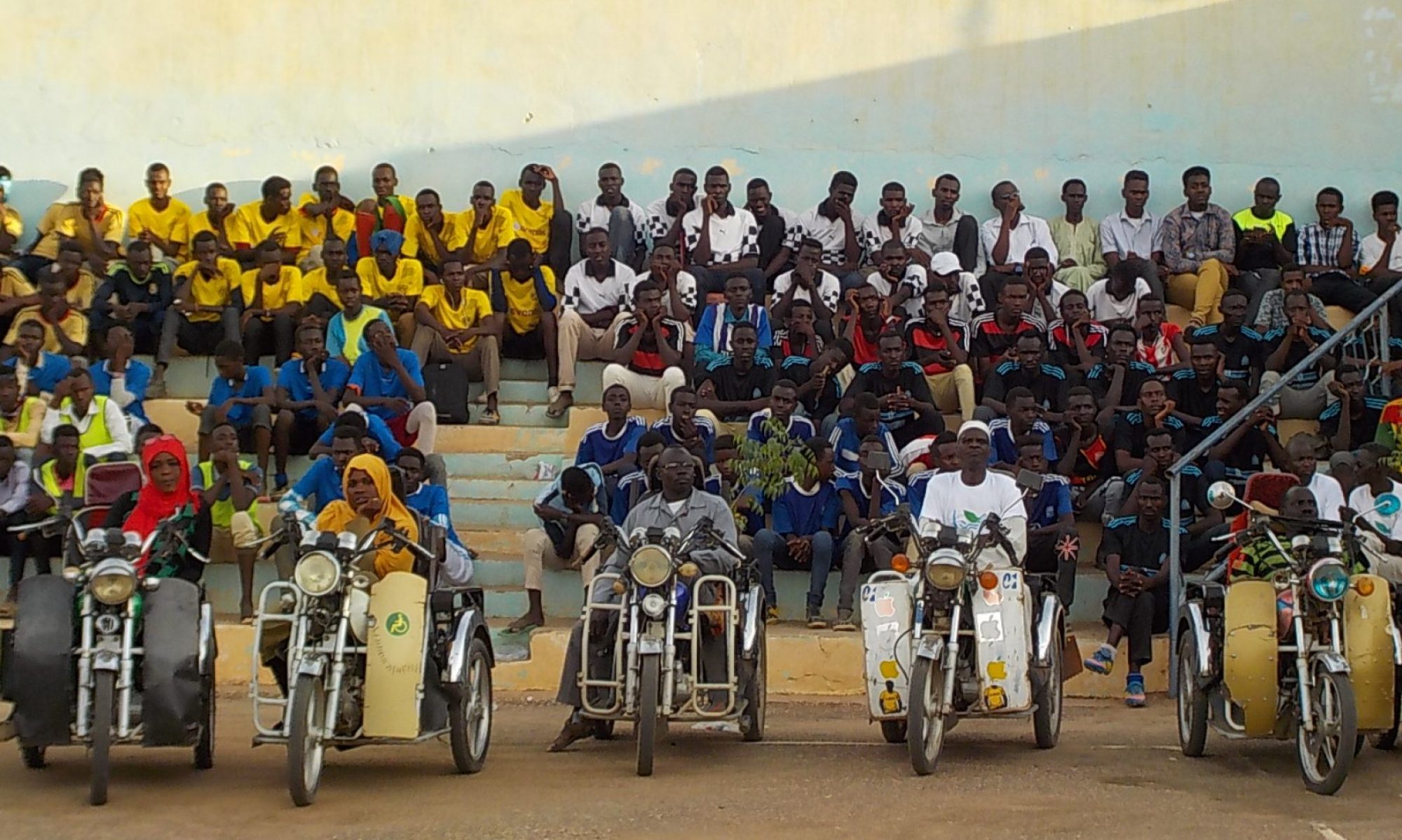

Youth education is a crucial driver of long-term stability and economic resilience in Darfur—a region that has faced significant social, economic, and political challenges. In recent years, efforts to empower young people through education have taken multiple forms, from digital literacy initiatives and technology-driven learning methods to sports programs and scholarship schemes. These efforts not only bolster academic achievement but also nurture skills that are essential for navigating a rapidly evolving global economy. The cumulative impact of these initiatives contributes to community empowerment, peacebuilding, and sustainable development in the region.
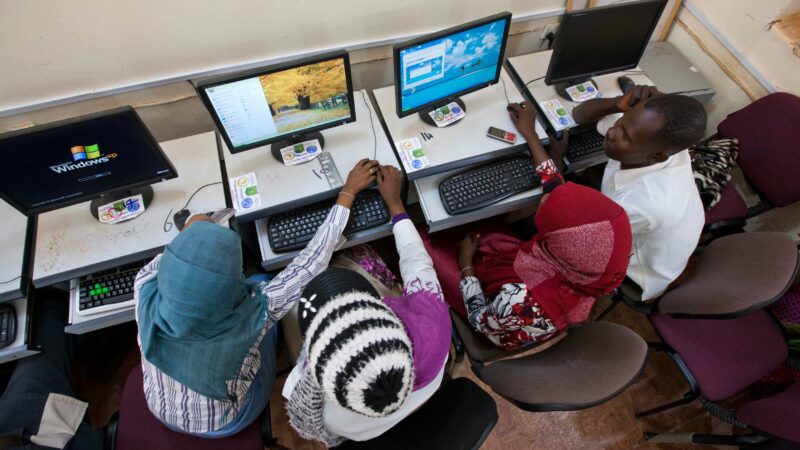
Digital Literacy Programs: Bridging the Gap
The advent of digital technologies and expanding mobile connectivity have paved the way for digital literacy programs to become central to youth education in Darfur. Several initiatives have focused on bridging the digital divide, equipping youth with essential computer skills and digital competencies required to access modern employment and entrepreneurial opportunities.
- E-Learning Platforms: Recent partnerships, such as the one between the Sudanese government and Classera, have introduced smart learning systems that reach millions of students across Darfur. These systems integrate Learning Management Systems (LMS), digital classrooms, and interactive tools, underscoring the commitment to ensuring that youth can continue learning even amid challenging circumstances
- Capacity Building: Organizations have launched programs that offer hands-on training in computer usage, internet navigation, and basic software applications. For example, initiatives modeled on programs like the Technology Literacy Program have targeted displaced and marginalized communities, ensuring that both girls and young people develop skills relevant for entry-level positions in government and private sectors .
- Practical Applications: These digital literacy courses are tailored to the local context, integrating local languages and cultural references to make the learning process more relatable. By focusing on skills such as online research, digital content creation, and e-governance, these programs also help foster a new generation of informed citizens who can participate in community decision-making.

Sports and Technology: A Winning Combination
Integrating sports and technology into education provides a multidimensional approach to youth development in Darfur. The convergence of physical activity and digital tools offers benefits that go beyond traditional classroom learning.
- Building Digital Competence: Through sports technology, youth gain exposure to data analysis and performance metrics, skills that are transferable to other areas such as science, technology, engineering, and mathematics (STEM). This dual approach not only nurtures physical well-being but also encourages analytical thinking and technological proficiency.
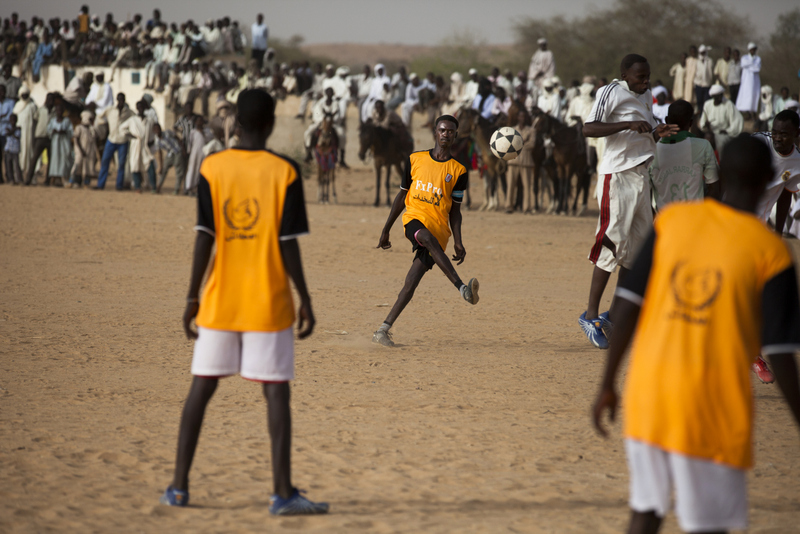
- Sports as Engagement: Organized sports programs encourage teamwork, discipline, and perseverance—qualities that are essential for academic and personal success. In Darfur, community sports initiatives have served as a unifying factor, drawing young people together while promoting healthy lifestyles.
- Edutainment and Gamification: The innovative use of technology in sports—such as gamified learning platforms and virtual coaching—helps bridge the gap between physical education and digital literacy. For instance, digital tools can track performance data in local sports tournaments, provide real-time feedback, and even simulate sports scenarios for training purposes. These methods engage youth in both physical and cognitive development, making learning interactive and fun.

Scholarships: Investing in Potential
Scholarship programs play a significant role in enabling youth from disadvantaged and conflict-affected communities in Darfur to access quality education.
- Merit and Need-Based Programs: Some initiatives focus on merit-based awards, recognizing academic excellence and leadership potential, while others are need-based, ensuring inclusivity for youth from the most disadvantaged backgrounds. The dual strategy helps cultivate a balanced environment where both talent and need are addressed.
- Financial Support: In a region where economic hardships can severely limit educational opportunities, scholarships provide critical financial backing. These schemes help cover tuition fees, learning materials, and other educational expenses, ensuring that talented students are not left behind due to financial constraints.
- Partnerships and Funding: Both local NGOs and international organizations have been involved in establishing scholarship funds. By partnering with educational institutions and donors, these programs target high-achieving students and promising young leaders, offering them pathways to higher education and professional development.
Supporting Education in Darfur
Beyond digital literacy and scholarships, a comprehensive support system is essential to bolster youth education in the region.
Community Involvement: Local communities are integral to the success of educational initiatives. Engaged parents, community leaders, and local educators create a nurturing environment that supports the academic and personal growth of young people. Community-based mentoring and extracurricular programs further augment formal education, helping youth acquire life skills and social resilience.
Infrastructure and Facilities: Building and refurbishing schools, establishing vocational centers, and setting up digital learning hubs are key to improving educational access. Numerous projects aim to construct classrooms that are equipped with modern learning technologies, thus bridging the gap between remote communities and global education standards.
Government and Private Sector Initiatives: The role of the government has been pivotal, complemented by private-sector partnerships aimed at revitalizing the educational landscape. Initiatives like the smart learning system launched through a collaboration with Classera demonstrate how public–private partnerships can support millions of students by modernizing traditional educational structures .
Challenges and Opportunities
Challenges
- Economic Constraints: Persistent poverty and limited financial resources remain major hurdles, restricting the ability of many families to support continued education. This challenge is compounded by the cost of modern technology and learning materials.
- Infrastructure Limitations: Many rural and conflict-affected areas in Darfur suffer from unreliable electricity, inadequate internet connectivity, and a shortage of modern educational facilities. These factors hinder access to both digital and traditional education.
- Political Instability: Ongoing conflict and political uncertainties disrupt academic schedules, lead to the displacement of families, and hamper sustained educational programming. Security concerns also affect the willingness of organizations to invest in long-term educational infrastructure.
- Social Barriers: In some communities, traditional gender roles and cultural practices may limit access to education for girls and other marginalized groups. Overcoming these social barriers requires culturally sensitive interventions and inclusive policies.
Opportunities
- Innovative Pedagogies: Integrating sports and technology, gamification of learning, and hybrid digital–physical education models all represent emerging trends that can revolutionize how education is delivered in challenging contexts.
- Digital Transformation: The rapid expansion of mobile and internet connectivity offers transformative opportunities for e-learning, remote education, and digital literacy programs. With the right investment, digital platforms can provide continuous, high-quality education even in the face of infrastructural challenges.
- International and Regional Collaboration: Partnerships with international donors, NGOs, and tech companies are creating new avenues for investment in educational initiatives. Global expertise combined with local knowledge presents a unique opportunity to customize solutions to Darfur’s specific needs.
- Community Resilience: Despite the challenges, the resilience and determination of Darfuri communities present an opportunity to drive grassroots educational reforms. Community-led educational projects and local champions can foster sustainable change from within.
Recommendations for the Future
To fully harness the potential of youth education in Darfur, stakeholders should consider the following strategic recommendations:
- Expand and Modernize Infrastructure:
- Invest in building and refurbishing schools equipped with modern digital technologies, particularly in rural and underserved areas.
- Strengthen internet connectivity and ensure a reliable electricity supply to support digital learning initiatives.
- Scale Digital Literacy Programs:
- Develop and expand scalable digital literacy programs that target both urban and rural youth, incorporating local languages and culturally relevant content.
- Promote mobile learning platforms and e-learning centers to reach remote communities.
- Enhance Scholarship Schemes:
- Increase public–private partnerships to secure more funding for comprehensive scholarship programs that address both merit and need.
- Establish mentorship networks to support scholarship recipients throughout their educational journeys.
- Integrate Sports and Technology:
- Develop initiatives that blend sports with digital learning to create dynamic, engaging educational experiences.
- Leverage sports technology to teach teamwork, discipline, and analytical skills alongside academic subjects.
- Strengthen Community Involvement:
- Encourage local communities to participate in educational planning and support, including the formation of volunteer groups, parent–teacher associations, and local advisory councils.
- Promote gender-inclusive policies and programs that ensure girls and marginalized groups have equitable access to education.
- Foster International and Regional Collaborations:
- Leverage international partnerships to gain access to modern educational tools, training programs, and investment in digital infrastructure.
- Coordinate with regional organizations to share best practices and scale successful interventions across Darfur and similar contexts.
- Implement Robust Monitoring and Evaluation: Develop comprehensive frameworks to assess the impact of educational initiatives, ensuring that programs are responsive to the evolving needs of youth.
Investing in youth education in Darfur is an investment in the region’s future. Through targeted digital literacy programs, innovative sports and technology integrations, comprehensive scholarship schemes, and broad-based support for educational infrastructure, Darfur can transform its educational landscape. Although challenges such as economic constraints, infrastructural deficits, and political instability persist, the emerging opportunities—fueled by technology and community resilience—are immense. With concerted efforts, strategic investments, and inclusive policies, Darfur’s youth can access the education they deserve, empowering them to drive lasting change and build a more prosperous and stable society.