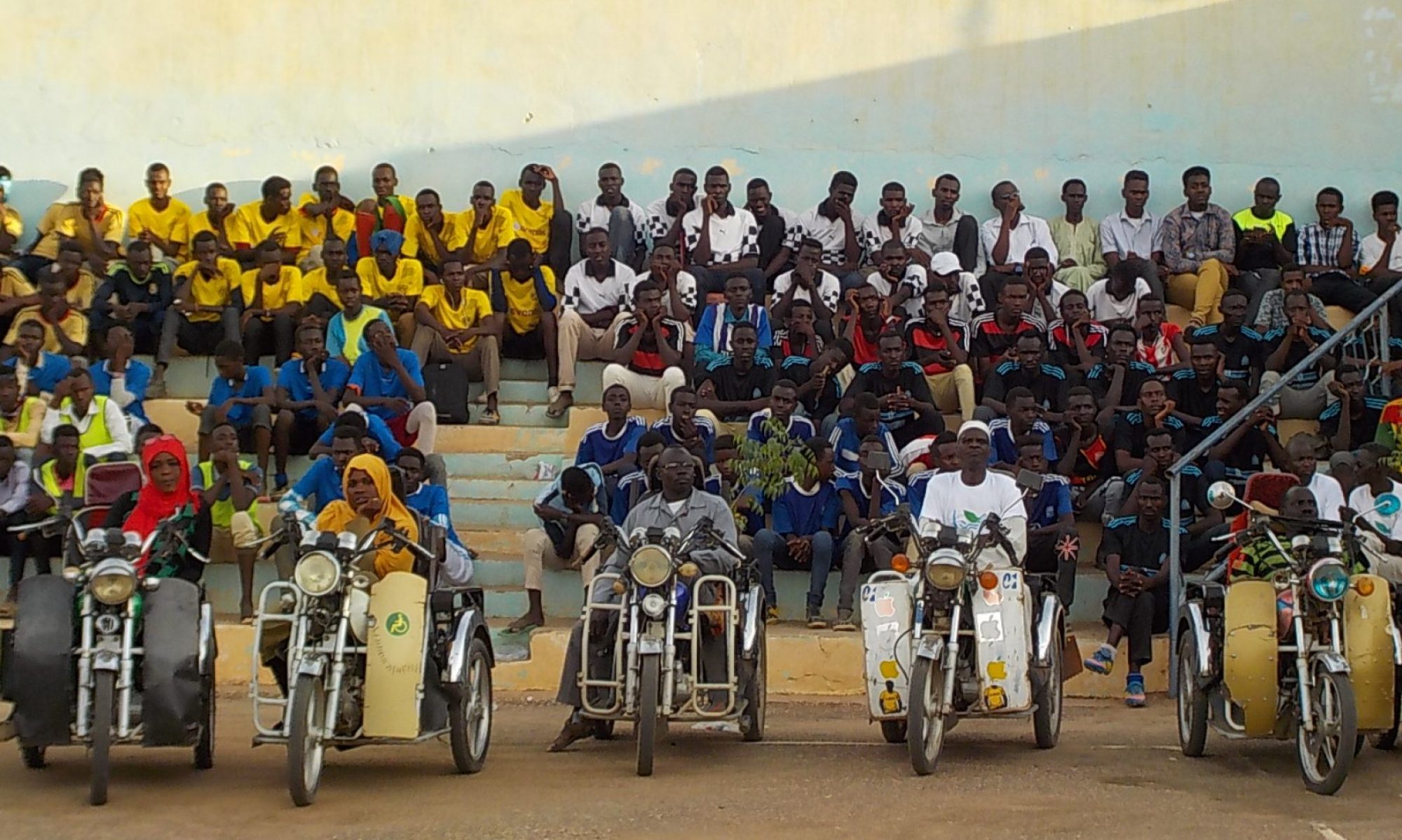

In a region marked by decades of conflict, displacement, and socio-economic challenges, the formulation and implementation of effective youth policies are essential for fostering stability and long-term development. Youth in Darfur bear the enduring impact of past conflicts and continue to face barriers to education, employment, and political participation. Comprehensive youth policies aim not only to protect young people but also to empower them as catalysts for peace, economic renewal, and social cohesion.
Background and Context
Historical Legacy and Ongoing Challenges
- Conflict and Displacement: The legacy of armed conflict in Darfur has disrupted social structures, undermined access to education, and eroded local economies. Many young people have experienced displacement or witnessed violence, leaving them vulnerable to exploitation and marginalization.
- Demographic Trends: With a significant portion of the population under 25, Darfur’s youth represent both a challenge and an opportunity. Their potential for driving social and economic change is immense—provided they receive the support through sound policies and sustainable initiatives.
The Need for Youth-Centric Policies
- Protection and Empowerment: Youth policies must address not only immediate protection concerns (such as safety, health, and legal rights) but also long-term development priorities, including skill development, job creation, political participation, and cultural resilience.
- Inclusive Growth and Social Cohesion: By embedding youth voices in policy design and implementation, policymakers can help create a more inclusive society where all young people have an opportunity to contribute and benefit.
Policy Frameworks and Institutional Responses
Government and Institutional Initiatives
While formal, government-led youth policies in Darfur have historically been underdeveloped due to political instability, there is growing recognition of the need to incorporate youth-specific strategies. In recent years, both national initiatives and local government projects have begun addressing areas such as:
- Education Reform: Ensuring access to quality education and vocational training tailored to local conditions.
- Employment Promotion: Developing schemes that support entrepreneurship, microfinance, and skills training.
- Health and Protection: Establishing programs that provide psychosocial support and protect young people from exploitation.
Non-Governmental and Youth-Led Efforts
Local NGOs and youth-led organizations have filled many gaps by:
- Establishing youth councils and advocacy groups to represent young voices.
- Organizing workshops and training programs in leadership, public speaking, and conflict resolution.
- Initiating community-based projects—such as the Darfur Advocacy Group and the Darfur Youth Center for Peace and Development—to monitor human rights, promote peace, and drive community engagement.
These grassroots efforts not only complement formal policies but also serve as laboratories for innovative policy approaches tailored to the lived realities of Darfuri youth.
Key Areas of Youth Policy
Education and Capacity Building
- Policies on Education: Youth policies must guarantee access to quality education, integrating digital literacy and vocational training that reflect local needs and global trends.
- Youth Training Programs: These initiatives include formal classroom instruction as well as practical workshops in entrepreneurship, leadership, and technical skills.
Employment and Economic Empowerment
- Supporting Job Creation: Policies aimed at providing financial inclusion, microfinance, and access to credit can empower youth to start their own businesses or gain market-relevant skills.
- Startups and SMEs: Encouraging the development of startups and small-to-medium enterprises (SMEs) is vital to creating local jobs and diversifying the economy.
Political Participation and Leadership Development
- Youth Councils and Representation: Institutionalizing mechanisms for youth participation in decision-making can bolster democratic governance and ensure that policies reflect the needs of younger generations.
- Leadership Programs: Initiatives such as peace ambassador training and public speaking workshops build the confidence and skills necessary for young people to act as community leaders and mediators.
Health and Psychosocial Support
- Protection and Mental Health: Given the trauma associated with conflict, policies must integrate mental health services, counseling, and safe spaces for young people.
- Legal and Social Protection: Ensuring the enforcement of human rights laws and extending legal aid to young people are critical for safeguarding their development and well-being.
Challenges in Implementation
Infrastructural and Institutional Constraints
- Weak Infrastructure: Inadequate transport, electricity, and digital connectivity continue to limit the reach of youth programs.
- Political Instability: Persistent conflict and shifting political landscapes often disrupt initiatives, delay policy implementation, and reduce donor confidence.
- Limited Resources: Financial constraints, coupled with a lack of trained professionals, hamper comprehensive policy execution and capacity building.
Cultural and Social Barriers
- Traditional Norms: In some communities, entrenched social norms and gender biases can restrict youth participation, particularly for young women and marginalized groups.
- Fragmented Policy Environment: The absence of a centralized, cohesive strategy for youth policy means that efforts are often scattered and less effective over the long term.
Opportunities for Strengthening Youth Policies
Harnessing Digital Transformation
- E-Learning and Virtual Platforms: Expanding digital connectivity provides new avenues for education, training, and communication. Online platforms can also enable youth to engage in policy debates and networking opportunities beyond local borders.
Empowering Youth-Led Initiatives
- Building on Grassroots Innovation: Young people in Darfur are already leading projects in community engagement, human rights advocacy, and entrepreneurship. Institutionalizing these efforts through formal youth councils can amplify their impact.
- International Partnerships: Collaborations with international NGOs, donor agencies, and academic institutions can bring essential technical support, funding, and best practices to local policy efforts.
Creating Inclusive and Sustainable Policies
- Participatory Policy-Making: Involving youth in all stages of policy development—from design to evaluation—ensures that policies remain relevant and empower the younger generation.
- Leveraging Global Trends: Aligning local youth policies with sustainable development goals (SDGs) opens up opportunities for international funding and expertise in areas such as education, health, and economic empowerment.
Recommendations for the Future
- Develop a Comprehensive Youth Policy Framework:
- Assemble multi-stakeholder committees that include representatives from government, civil society, and especially youth-led organizations.
- Integrate education, employment, protection, and political participation into a single, cohesive strategy.
- Invest in Digital and Physical Infrastructure:
- Channel investments into expanding reliable electricity, internet access, and transportation networks to make youth programs more accessible across Darfur.
- Support the creation of digital learning platforms and virtual communities for continuous youth engagement.
- Strengthen Capacity Building and Leadership Training:
- Scale up leadership programs, public speaking workshops, and peace ambassador training to equip youth with the skills needed for active civic participation.
- Expand access to quality education and vocational training that addresses local market demands and global digital trends.
- Enhance Financial Inclusion:
- Promote microfinance initiatives and financial literacy programs tailored to young entrepreneurs.
- Encourage public–private partnerships that provide seed funding and mentorship for startups and SMEs led by youth.
- Institutionalize Youth Representation:
- Create formal Youth Councils at the local, regional, and national levels to ensure that young voices influence policy-making.
- Support regular consultation mechanisms and advisory boards that include youth representatives from diverse communities.
- Improve Monitoring and Evaluation:
- Establish robust M&E frameworks to assess the impact of youth policies and adjust strategies based on feedback and changing conditions.
- Use both quantitative and qualitative data to refine educational programs, economic initiatives, and protection measures.
Effective youth policies in Darfur are critical to transforming a legacy of conflict into a future of promise and stability. By addressing the challenges of infrastructure, political instability, and resource constraints—while leveraging digital innovation, grassroots energy, and international cooperation—policymakers can empower Darfur’s youth to become architects of their own development. A comprehensive, inclusive, and adaptive youth policy framework will not only protect vulnerable young populations but also unlock their potential for driving sustainable peace, economic growth, and social cohesion in the region.