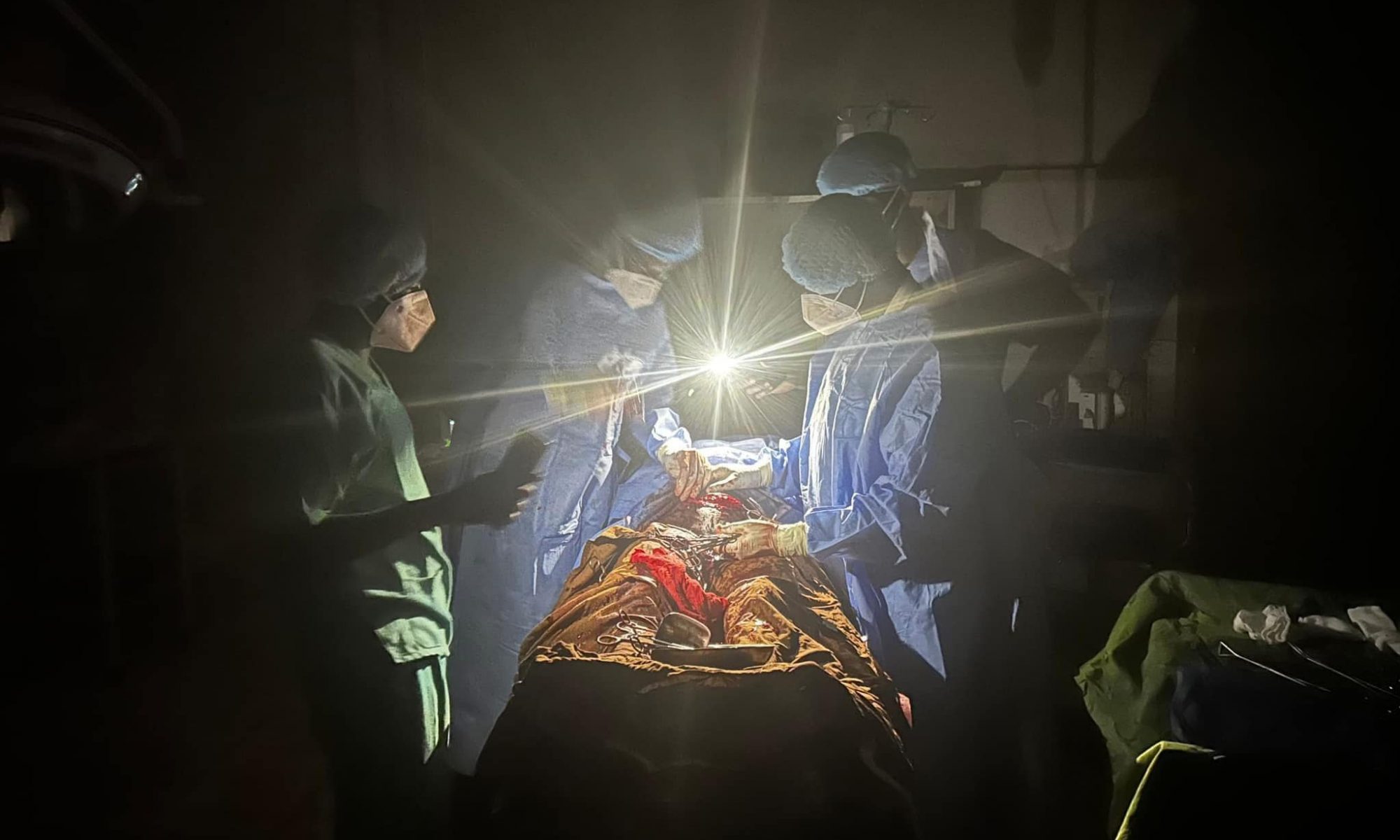

Traditional medicine in Darfur encompasses the indigenous healing practices and remedies that have been developed and refined over centuries by local communities. In a region characterized by conflict, displacement, and economic hardship, these practices continue to serve as a vital source of health care for many people. Traditional medicine offers culturally resonant, affordable, and accessible treatments alongside modern health services and plays a crucial role in addressing both physical and psychosocial needs.
Historical and Cultural Context
Indigenous Roots and Oral Traditions
- Deep-Rooted Practices: Traditional healing in Darfur is based on a long history of indigenous knowledge passed down orally from generation to generation. This body of knowledge covers the use of medicinal plants, ritual practices, and spiritual healing methods tailored to the local environment.
- Integration with Social Life: Health practices are interwoven with social, religious, and cultural beliefs. Healing rituals are often performed as communal events, reflecting the centrality of well-being to social cohesion.
Impact of Environmental and Socioeconomic Factors
- Arid Environment and Natural Resources: Darfur’s arid climate has influenced the local pharmacopeia. Healers have traditionally relied on locally available herbs, roots, and other natural substances adapted to harsh but resourceful environments.
- Conflict and Displacement: Years of conflict have disrupted formal healthcare systems. In this context, traditional medicine has maintained its relevance by offering familiar, time-tested remedies that are accessible even in the absence or collapse of modern facilities.
Key Traditional Medicine Practices in Darfur
Herbal Remedies
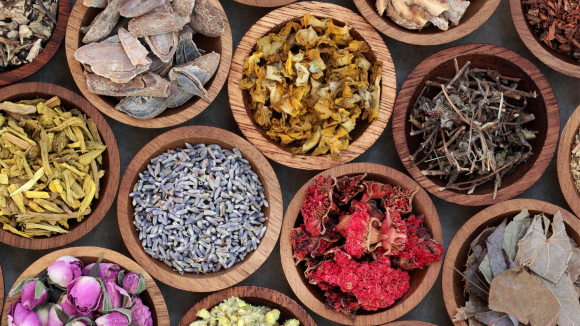
- Medicinal Plants: Numerous local plants are used to treat diverse ailments, ranging from digestive disorders and respiratory illnesses to wounds and fevers. Healers often gather wild herbs and prepare infusions, decoctions, and poultices for both internal and external use.
- Formulation and Dosage: Knowledge of precise dosages, combinations, and methods of preparation is largely empirical and informed by extensive experience as well as oral tradition.
Spiritual and Ritual Healing
- Ceremonial Practices: Many traditional healers incorporate ritual chants, incantations, and prayers believed to invoke healing spirits. These practices address not only the physical symptoms but also the spiritual and emotional dimensions of illness.
- Role of Spirituality: Illness is sometimes interpreted as a manifestation of spiritual imbalance or as the result of curses, ancestral displeasure, or supernatural influences. Ritual healing aims to restore harmony between the individual and the broader cosmological order.
Diagnostic and Therapeutic Approaches
- Holistic Diagnosis: Traditional practitioners do not merely focus on isolated symptoms; instead, they consider the patient’s entire physical, emotional, and spiritual state. Diagnostic methods may include divination, consultation with ancestral spirits, and careful questioning about lifestyle and environment.
- Customized Treatment: Treatments are often personalized, with remedies adjusted based on the patient’s age, gender, and overall constitution, reflecting a highly individualized approach to care.
The Role of Traditional Healers
Centrality in Community Health
- First Point of Contact: In rural and conflict-affected areas where modern healthcare is scarce or inaccessible, traditional healers are frequently the first—and sometimes only—point of care.
- Trusted Advisors: Their deep community roots and cultural resonance build trust. They not only treat illnesses but also advise on lifestyle, family matters, and disease prevention.
Social and Cultural Integration
- Mediators and Community Leaders: Traditional healers often serve multiple roles as spiritual guides, counselors, and mediators in conflicts. Their integration in the social fabric makes them influential in mobilizing community health initiatives.
- Continuity of Cultural Heritage: Through their practice, traditional healers help preserve a rich cultural heritage and provide continuity in ways of knowing and surviving in challenging environments.
Integration with Modern Healthcare
Complementary Approaches
- Bridging the Gap: In some communities, modern medical practitioners collaborate with traditional healers to offer integrated care. This can involve referring patients to hospitals for severe conditions while continuing to support culturally appropriate traditional practices.
- Mutual Learning: Collaborative initiatives have been implemented in other conflict-affected regions, where traditional healers receive training on hygiene and basic diagnostic practices. Such synergies could improve referral systems and public health outcomes in Darfur.
Policy and Institutional Considerations
- Recognition and Regulation: There is an opportunity to formally recognize traditional medicine within the national health framework. Regulation can help ensure safety and efficacy while preserving cultural identity.
- Documentation and Research: Systematic documentation of traditional practices can enhance understanding and may offer novel insights for pharmaceutical development. Research partnerships between universities and local practitioners can help standardize practices without eroding cultural authenticity.
Challenges Facing Traditional Medicine in Darfur
Erosion of Knowledge
- Oral Tradition Vulnerabilities: Much traditional medical knowledge is transmitted orally, making it vulnerable to loss, especially as younger generations may be less inclined to adopt or learn these practices.
- Impact of Conflict: Constant displacement and disruption can fragment the continuity of traditional educational practices, causing gaps in knowledge transfer.
Limited Resources and Modernization Pressures
- Scarcity of Resources: Traditional healers often work with limited access to quality medicinal plants and materials, further challenged by environmental degradation or overharvesting.
- Modern Health Pressures: The increasing availability of modern medicine may lead some community members to bypass traditional remedies, potentially leading to a decline in traditional practices and the erosion of cultural identity.
Integration and Standardization Issues
- Balancing Modernity and Tradition: Efforts to integrate traditional and modern health systems face challenges in balancing scientifically validated treatments with culturally rooted practices. Establishing standards that are both respectful and effective remains complex.
- Regulatory Frameworks: In many cases, the lack of official recognition and regulation leaves traditional practitioners marginalized and without formal support or professional development opportunities.
Opportunities and Future Directions
Documentation and Knowledge Preservation
- Ethnobotanical Research: Initiatives to document medicinal plants and traditional recipes can help preserve knowledge and serve as a basis for future research and integration.
- Digital Archives: Creating digital repositories of traditional practices may provide educational resources for both community members and researchers, ensuring long-term preservation.
Collaborative Training and Integration
- Capacity Building Workshops: Training programs that bring together traditional healers and modern healthcare professionals can foster mutual respect, improve referral systems, and enhance overall community health.
- Policy Integration: Local and national governments, in collaboration with NGOs, can explore formal policies that integrate traditional medicine within the public health system, ensuring that both systems support each other.
Sustainable Use of Natural Resources
- Conservation Efforts: Sustainable harvesting and cultivation initiatives can ensure the availability of medicinal plants without depleting local biodiversity. This not only supports traditional practices but also contributes to environmental conservation.
- Community Engagement: Empowering communities to manage their natural resources through locally-backed conservation projects reinforces cultural identity and supports health outcomes.
Traditional medicine in Darfur remains a cornerstone of community health, deeply interwoven with the social and cultural fabric of the region. While modern health systems face challenges in reaching conflict-affected and rural populations, traditional healers continue to offer accessible, trusted, and culturally appropriate care. To ensure the sustainability of these practices, robust documentation, respectful integration with modern healthcare, and supportive policies are essential. By bridging traditional and contemporary approaches, Darfur can create a more resilient, inclusive, and effective health system that honors its rich heritage while addressing modern challenges.