

Ensuring the safe provision and proper management of medicines is a vital pillar of any health system. In Darfur, decades of conflict, displacement, and infrastructural decay have disrupted access to quality pharmaceuticals while simultaneously creating environments where unregulated or counterfeit medicines can proliferate. Equally, the region faces significant challenges related to the handling and misuse of poisons—from accidental exposures to the deliberate poisoning of food sources or the misuse of hazardous chemicals in agricultural settings. This report examines the dual issues of medicines and poisons in Darfur, with a focus on their impact on public health and the measures needed to create a safer, more resilient health system.
Historical and Socio-Political Context
Disruption Due to Conflict
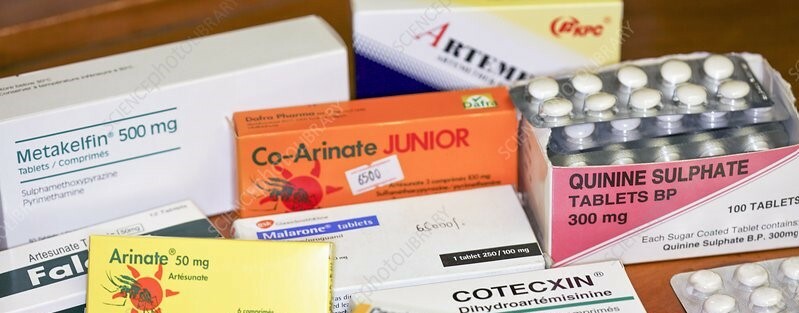
Darfur’s long history of conflict has not only decimated vital health infrastructure but has also severely impacted the pharmaceutical supply chain. With many health facilities damaged or abandoned during episodes of violence, access to essential medicines became sporadic or reliant on emergency humanitarian interventions. Over time, this disruption fostered an environment where unregulated medicines—including counterfeit and expired drugs—could enter the market.
Impact on Regulation and Oversight
Amid shifting control and fragmented governance, regulatory oversight has diminished. Traditional mechanisms designed to monitor medicine quality, control importation, and enforce safe handling of hazardous substances have weakened considerably. This deregulated landscape has, in turn, contributed to the proliferation of substandard drugs and the inadequate control of potentially dangerous chemicals used in both the healthcare and agricultural sectors.
Current Landscape of Medicines
Availability and Distribution
- Public and Humanitarian Supply: International organizations—including the World Health Organization (WHO), Médecins Sans Frontières (MSF), and UNICEF—have frequently intervened to supply essential medicines for emergency care. However, these supplies are often transient and focal, limited to emergency campaigns rather than establishing continuous local availability.
- Private Sector and Informal Markets: The void left by weakened public infrastructure has allowed informal markets to flourish. While these outlets sometimes provide access to medicines, they also present significant risks due to the potential for counterfeit or substandard products.
Quality and Safety Concerns
- Counterfeit and Expired Medicines: With weak regulatory enforcement, counterfeit and expired drugs have become commonplace. These products not only fail to treat illnesses effectively but may also contribute to adverse reactions or toxicity.
- Storage and Handling: Inadequate storage facilities, inconsistent cold chain management, and limited knowledge among vendors further jeopardize drug potency and safety. These factors are critical when managing pharmaceuticals that require strict temperature control.
The Issue of Poisons
Sources and Types of Poisons
- Pharmaceutical Misuse: Medicines, when misused or overdosed, can act as poisons. In environments where there is low health literacy and poor supervision, accidental or deliberate self-harm through pharmaceuticals is a risk.
- Agricultural Chemicals: Darfur’s predominantly agrarian communities often use pesticides and fertilizers. Improper storage, application, and disposal of these chemicals lead to accidental poisonings, food contamination, and environmental hazards.
- Household Chemicals: The use of unregulated or repurposed chemicals for domestic needs further adds to potential poisoning risks, particularly among children and vulnerable populations.
Poisoning Incidents and Management
- Clinical Challenges: Health facilities in Darfur face difficulties in diagnosing and treating poisonings due to limited supplies of antidotes, shortage of specialized toxicology expertise, and a lack of dedicated poison control centers.
- Emergency Response Gaps: Delayed access to healthcare, compounded by disrupted transportation networks, means that many poisoning incidents are either underreported or receive late intervention, leading to poor health outcomes.
Regulatory and Infrastructural Challenges
Weak Regulatory Framework
- Limited Government Capacity: The institutions responsible for regulating medicines and hazardous substances are often underfunded and understaffed. This situation is exacerbated by ongoing conflicts that have diverted resources away from public health oversight.
- Enforcement Difficulties: Even where regulations exist, their enforcement is sporadic due to security challenges and the unpredictability of market conditions. The result is an inconsistent application of standards for both medicinal products and the handling of poisonous substances.
Supply Chain Disruptions
- Logistical Barriers: Poor road infrastructure and insecure transportation routes hinder a reliable supply chain, affecting both the delivery of quality medicines and the safe disposal of hazardous wastes.
- Storage and Preservation Issues: Inadequate storage facilities in health centers and pharmacies contribute to the degradation of medicines, while improper handling of chemicals increases the risk of accidental poisonings.
Current Interventions and Collaborative Responses
Humanitarian Programs
- Emergency Medicine Distribution: Humanitarian organizations have established temporary systems to distribute essential medicines in IDP camps and conflict-affected areas. These programs sometimes include training for local health workers on proper storage and administration practices.
- Poison Management Initiatives: Some emergency health units have incorporated basic toxicology training and established protocols to manage poisoning cases. However, these measures are often isolated and lack the infrastructure needed for a long-term solution.
Regulatory Strengthening Efforts
- Capacity Building: International donors and non-governmental organizations have provided limited support to rebuild regulatory frameworks. Training programs for pharmacists, customs officials, and regulatory staff are sporadically organized to enhance oversight.
- Partnerships: Collaborative initiatives between local authorities and international partners aim to improve both the quality of medicines and the mechanisms for safe chemical management. Pilot projects have focused on establishing better inventory control systems and upgrading storage facilities.
Strategic Recommendations
Strengthen Regulatory Systems
- Develop Robust Policy Frameworks: Urgent efforts must be made to craft and enforce stringent policies governing the importation, distribution, sale, and storage of medicines and hazardous chemicals.
- Enhance Surveillance: Establishment of a comprehensive pharmacovigilance and toxicovigilance system is necessary. Leveraging mobile technology for real-time reporting can help monitor the quality of medicines and record poisoning incidents.
Improve Supply Chain and Storage Facilities
- Infrastructure Investment: Investment in modern storage solutions, such as solar-powered refrigerators and secure warehouses, will ensure that medicines remain potent and reduce the risk of spoilage.
- Improve Distribution Networks: An emphasis on rebuilding transportation networks will improve the reliability of medicine delivery and allow for better emergency responses for poisoning cases.
Expand Community Education and Capacity Building
- Health Literacy Campaigns: Educating communities on the proper use of medicines and safe handling of chemicals, including the potential dangers of counterfeit drugs and hazardous household substances, is essential.
- Professional Training: Expanding training opportunities for health professionals, pharmacists, and regulatory personnel will help build local expertise in both pharmaceutical management and poisoning treatment.
Establish Dedicated Poison Control Centers
- Centralized Response Units: The creation of dedicated poison control centers and helplines can offer guidance for poisoning incidents, provide emergency advice, and coordinate rapid responses.
- Integration with Health Services: These centers should integrate with existing health services to ensure prompt treatment of poisoning cases through established referral pathways.
The dual challenges of ensuring access to quality medicines and managing the risks associated with poisonous substances remain acute in Darfur. Ongoing conflict, weak regulatory oversight, and disrupted supply chains have created an environment in which poor-quality medicines and hazardous chemicals can flourish, posing significant health risks to an already vulnerable population. Addressing these challenges requires concerted efforts focused on strengthening regulatory frameworks, investing in infrastructure, enhancing community education, and establishing robust surveillance and response systems. Through coordinated action between local authorities, international agencies, and community stakeholders, it is possible to build a safer, more resilient system that safeguards public health and reduces the burden of medicine-related adverse events and poisoning incidents.