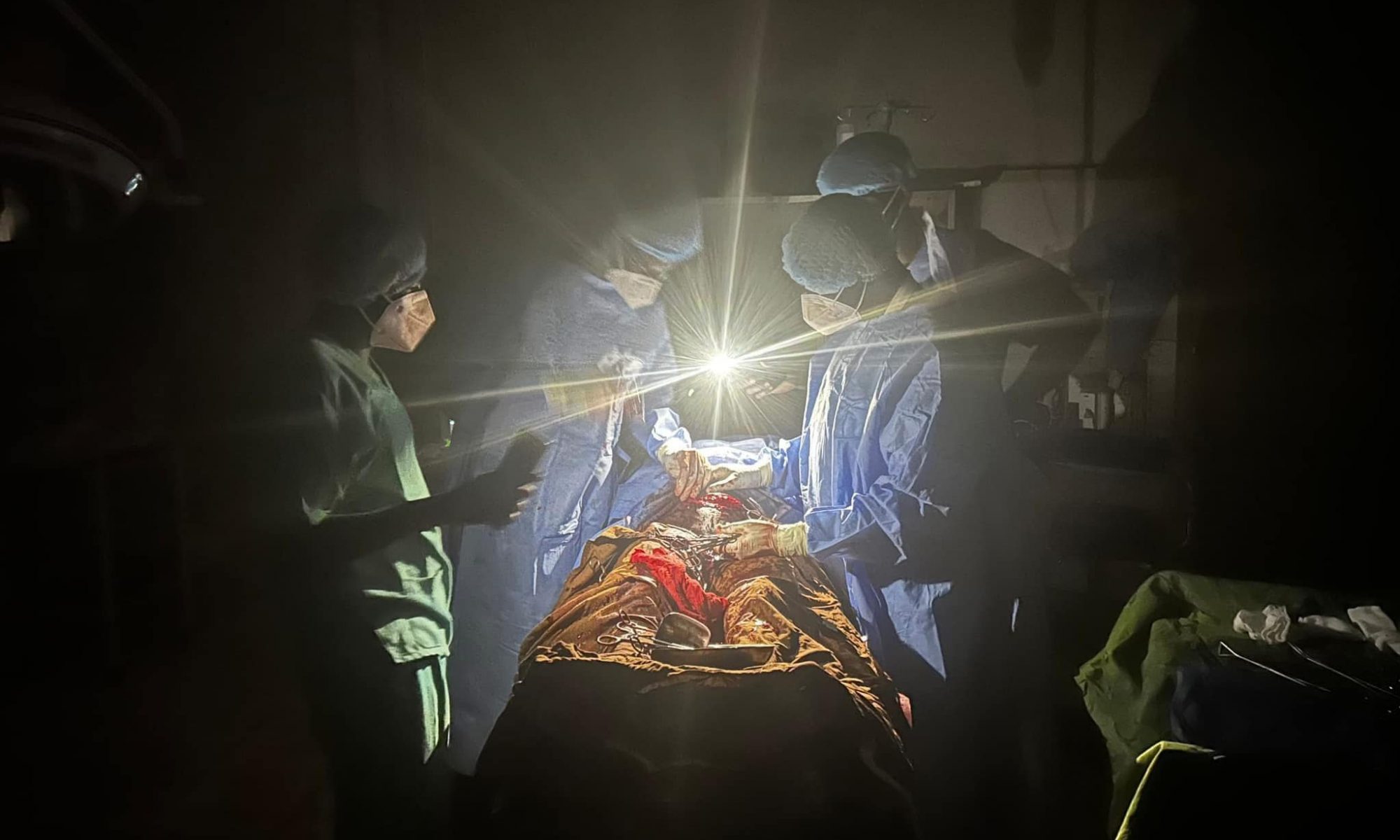

Darfur—a region in western Sudan—has endured decades of conflict and economic marginalization. The health care system in this area reflects the cumulative impact of war, displacement, and chronic underfunding. This report examines the evolution of the system, the current state of health delivery, its challenges, and outlines recommendations to build a more resilient and accessible system. Humanitarian efforts by international organizations continue to serve a critical role in health provision, yet sustainable improvements remain contingent on systemic political, economic, and infrastructural reforms.
Darfur, comprising vast desert and semi-arid landscapes, has been thrust into global focus since the early 2000s due to an intense and prolonged conflict that spurred widespread displacement and humanitarian crisis. In such an environment, public health services have struggled to meet the needs of local communities, who now contend with high rates of infectious diseases, maternal and child health challenges, and the long-term effects of trauma. This report sets out to detail the multifaceted challenges and recent developments in the region’s health care delivery system.
Historical Context
The onset of armed conflict in Darfur in the early 2000s disrupted what little infrastructure existed in the region. Government health facilities—few in number even before the crisis—were either damaged, forcibly occupied, or rendered nonfunctional by violence and displacement. As communities experienced rapid depopulation due to fleeing conflict zones, public investments in health deteriorated further. The fragmented health system thus became increasingly reliant on ad hoc interventions provided by humanitarian agencies, which laid the groundwork for a service model that today remains characterized by external dependence and resource scarcity.
Health Infrastructure and Service Delivery
Facilities and Accessibility
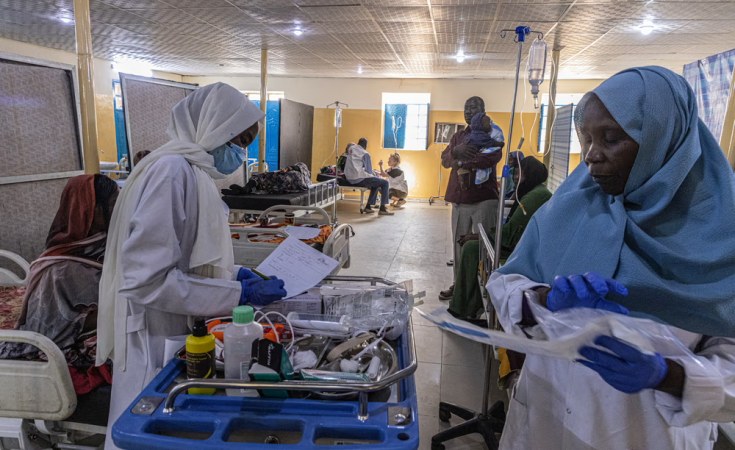
The health care infrastructure in Darfur is marked by a scarcity of fixed facilities. While a handful of hospitals and primary health care centers operate—often in larger urban centers—the majority of the region’s population—spread across remote rural areas—remains underserved. Mobile clinics and temporary health posts have been set up by agencies such as Médecins Sans Frontières (MSF) and the International Committee of the Red Cross (ICRC) to reach displaced populations and remote communities. However, geographic inaccessibility, coupled with lingering insecurity, makes consistent and comprehensive health service delivery extremely challenging.
Human Resources
A chronic shortage of trained health professionals complicates service delivery. Years of conflict have disrupted medical education pipelines and led to the emigration of qualified practitioners. In response, many international partners have invested in training programs for local health workers and community health volunteers who offer basic preventive and curative services. The reliance on task shifting and community network models reflects a strategic, though imperfect, adaptation to local workforce shortages.
Service Categories
- Maternal and Child Health: Conflict-driven disruptions have led to high rates of maternal and infant mortality. International programs focus on prenatal care, emergency obstetric services, vaccination campaigns, and nutritional support.
- Infectious Diseases and Epidemic Response: Overcrowding in displacement camps, poor water and sanitation conditions, and seasonal malaria have all contributed to the health burden, necessitating rapid emergency responses to outbreaks (e.g., cholera and measles).
- Mental Health: Prolonged exposure to violence and the psychological effects of displacement have spurred efforts to introduce community-based mental health interventions, although resources remain limited.
These service categories reflect both the legacy of a disrupted health system and emergent priorities shaped by ongoing humanitarian needs.
Challenges Facing the Health Care System
The Darfur health care landscape is troubled by several interrelated challenges:
- Infrastructural Damage and Scarcity: Decades of neglect and conflict have resulted in widespread destruction of health facilities. Limited investment in rebuilding and maintaining infrastructure means that many communities lack proper clinics, hospitals, or even basic sanitation facilities.
- Security and Political Instability: Ongoing local unrest and periodic clashes deter long-term investment and discourage sustained in-country operations by national authorities and international agencies alike.
- Resource Constraints: Chronic underfunding, interrupted supply chains, and dependence on external humanitarian aid persist. Essential medical supplies, diagnostic tools, and medications are often in short supply, and the maintenance of the supply chain is compromised by both logistical challenges and political interference.
- Human Capital Flight: A significant number of trained health workers have fled the region in search of stability, leaving local health systems reliant on inadequately trained staff.
- Population Displacement: The high number of internally displaced persons (IDPs) strains the limited health resources available and complicates efforts to implement routine health interventions.
These systemic issues require multifaceted approaches that address not only immediate humanitarian needs but also the underlying structural deficiencies that impede sustained health care delivery.
International Response and Humanitarian Aid
Given the challenges inherent in Darfur’s environment, international agencies have played—and continue to play—a critical role in filling the gaps left by local government resources. Organizations such as the World Health Organization (WHO), Médecins Sans Frontières (MSF), the International Committee of the Red Cross (ICRC), and UNICEF have established programs that target immunizations, maternal health, emergency care for injury and trauma, and mental health services. Humanitarian aid has also facilitated the establishment of mobile clinics and training programs for local health workers. Although these interventions have saved countless lives and provided essential care, they are by nature short-term and often contingent on fluctuating international support, making the transition toward a sustainable, government-led system a long-term challenge.
Governmental Policies and Initiatives
The Sudanese government’s capacity to deliver health services in Darfur has been fraught with challenges of resource misallocation and political neglect. There have been occasional initiatives aimed at decentralizing health services and integrating humanitarian operations into government frameworks. However, such efforts are hampered by ongoing conflict dynamics, limited financial resources, and a lack of coherent long-term planning specific to Darfur. Collaboration between governmental bodies and international donors is essential in ensuring that humanitarian aid does not remain the sole pillar of health service provision but rather serves as a stepping stone toward developing more robust, state-supported health care infrastructure.
Prospective Developments and Recommendations
For the sustainable improvement of the health care system in Darfur, several strategic recommendations can be identified:
- Infrastructure Investment: Rebuilding and modernizing health care facilities must be a priority. Investments should aim at creating resilient clinics capable of withstanding the challenging environmental and security conditions.
- Capacity Building: Strengthening the local workforce through continuous training, incentivized retention programs, and partnerships with international medical school programs can help reduce the dependency on expatriate health workers.
- Integrated Health Programs: A coordinated approach that combines acute emergency care with long-term public health strategies is needed. Programs should address both communicable and noncommunicable diseases while integrating mental health services into primary care.
- Strengthening Supply Chains: Developing reliable logistics and supply chains for medications and medical equipment in collaboration with governmental authorities and international donors can reduce the vulnerability of the system to shortages.
- Community Engagement: Involving local communities in health governance can lead to more culturally appropriate and sustainable solutions. Community health committees and micro-level planning can serve as a bridge between international initiatives and local realities.
- Enhanced Security and Political Stability: Long-term improvements hinge on a stable environment. International diplomatic efforts coupled with robust peace-building measures are critical to ensure that health investments are not undermined by renewed conflict.
The health care system in Darfur stands at a crossroads between ongoing humanitarian dependency and the potential for sustainable, locally driven system building. While decades of conflict and under-investment have left deep systemic deficiencies, opportunities exist to harness both international expertise and local resilience. A concerted effort—combining infrastructural rehabilitation, capacity building, and integrated governance—could begin to establish a health system that meets the needs of all Darfurians. Long-term success will depend on predictable funding, political commitment, and the continuous interplay between local and international stakeholders.