

Mental health is a fundamental component of overall well-being, yet in regions like Darfur, the psychological toll of prolonged conflict, displacement, and socio-economic hardships has remained largely unaddressed. The cumulative stress of violence, loss, and uncertainty significantly affects individuals, families, and communities. Improving mental health services in Darfur is essential not only for the well-being of its residents but also to support long-term social cohesion and resilience.
Historical and Socioeconomic Context
Traditional Understandings and Informal Practices
Historically, communities in Darfur have relied on traditional healing practices and community support systems to cope with psychological distress. Elders, spiritual leaders, and traditional healers played a vital role in managing emotional suffering, often attributing distress to spiritual or social causes. Such indigenous approaches provided a level of local resilience, though they were not always equipped to address severe mental health disorders.
Impact of Prolonged Conflict and Displacement
Since the escalation of conflict in the early 2000s, Darfur has witnessed steep rises in trauma-related disorders, anxiety, depression, and post-traumatic stress disorder (PTSD). Key factors include:
- Exposure to Violence: Chronic exposure to armed conflict, rape, loss of family members, and the destruction of homes has created deep psychological scars.
- Mass Displacement: Frequent forced migrations have contributed to family separations, loss of community networks, and heightened uncertainty regarding the future.
- Economic Hardship: Persistent poverty and food insecurity further compound stress, leaving little room for recovery from mental health challenges.
Current Mental Health Landscape
Prevalence of Mental Health Disorders
Due to limited systematic data and underreporting, the precise prevalence of mental health disorders in Darfur remains uncertain. However, field reports from humanitarian organizations and anecdotal evidence suggest:
- High Rates of PTSD and Depression: Among populations affected by conflict-related trauma and displacement.
- Anxiety Disorders: Often linked to ongoing insecurity and uncertainty.
- Substance Abuse and Maladaptive Coping: In some communities, limited mental health support has led to increased misuse of substances as a way to self-medicate against chronic stress and depressive symptoms.
These conditions, if left untreated, can have cascading effects on physical health, social relationships, and economic productivity.
Existing Mental Health Services
Mental health care in Darfur is characterized by:
- Limited Public Infrastructure: Few specialized mental health facilities exist, often confined to urban centers or supported temporarily by humanitarian agencies.
- NGO-Led Initiatives: Various international and local NGOs provide counseling services, psycho-social support, and training for community health workers. These initiatives are invaluable in crisis contexts but are often sporadic and underfunded.
- Community-Based Support: Informal networks—led by traditional healers, community leaders, and religious figures—continue to play an important role in providing psychosocial support, though these systems lack formal training and integration with evidence-based practices.
Determinants and Risk Factors
Conflict-Related Determinants
- Traumatic Exposure: Direct experiences of violence and chronic insecurity have a lasting impact on psychological well-being.
- Loss and Bereavement: The high rates of casualties and separation within families contribute to prolonged grieving and mental distress.
Socioeconomic Determinants
- Poverty and Food Insecurity: Economic challenges exacerbate stress and hinder access to both basic needs and healthcare services, including mental health support.
- Educational Limitations: Low literacy levels and restricted educational opportunities limit public awareness of mental health issues and available resources.
Cultural and Social Determinants
- Stigma and Taboos: Deep-seated cultural stigmas around mental illness can discourage individuals from seeking help, reinforcing silence and isolation.
- Gender Dynamics: Women, in particular, may experience compounded vulnerability due to gender-based violence and limited autonomy in making health decisions.
Challenges in Mental Health Service Delivery
Infrastructural and Resource Constraints
- Scarcity of Specialized Facilities: Both urban and rural areas suffer from a lack of functional mental health centers.
- Shortage of Trained Professionals: There is a critical deficit of psychologists, psychiatrists, and trained counsellors. The ongoing brain drain further strains an already limited workforce.
Funding and Logistical Barriers
- Insufficient Funding: Limited national and donor resources are allocated to mental health compared to other pressing health issues.
- Accessibility Challenges: Geographic isolation, poor transportation networks, and insecurity hinder access to both routine services and emergency mental health care.
Coordination and Policy Gaps
- Fragmented Governance: The political instability and a weak health system make it difficult to implement unified mental health policies. Coordination between government entities, NGOs, and local communities is frequently lacking.
- Data and Monitoring Deficiencies: Inadequate systems for tracking mental health indicators compromise the planning and evaluation of interventions.
Intervention Strategies and Programs
Community-Based Mental Health Initiatives
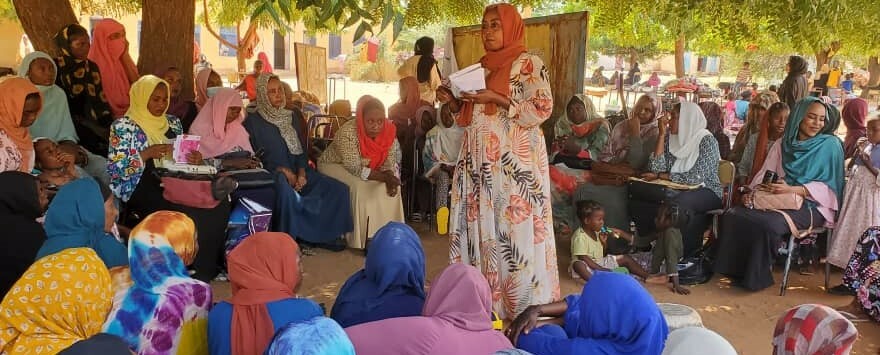
- Psycho-Social Support Groups: Establish support groups led by trained facilitators for survivors of trauma, particularly women, youth, and displaced individuals.
- Empowerment and Education: Utilize community gatherings, radio programs, and culturally sensitive educational materials to raise awareness about mental health, reduce stigma, and promote resilience.
Service Expansion and Integration
- Mobile Mental Health Clinics: Deploy mobile units to extend mental health services to remote areas and IDP camps.
- Integration with Primary Healthcare: Embed basic mental health screening and support within existing primary care services to create a more holistic and accessible model of care.
- Capacity Building: Train community health workers and primary care staff in mental health first aid, basic counseling techniques, and referral protocols.
Leveraging Technology
- Telemedicine and E-Learning: Use telepsychiatry and online training platforms to provide remote consultation, supervision, and continuous professional development for local health providers.
- Digital Platforms for Support: Develop SMS-based hotlines or mobile applications to provide information, crisis intervention, and tele-counseling services.
Policy Recommendations and Strategic Directions
Strengthening Infrastructure and Investment
- Dedicated Funding: Advocate for a designated budget line within the national and regional health plans that supports mental health initiatives.
- Building Facilities: Invest in the rehabilitation and establishment of mental health facilities, ensuring they are accessible to both urban and rural populations.
Integrating Mental Health into Broader Health Policies
- One Health Approach: Recognize the interplay between physical, mental, and social health by integrating mental health services into broader public health strategies.
- Holistic Primary Care: Ensure that mental health screening, brief interventions, and referral mechanisms are standard components of primary care delivery.
Capacity Building and Workforce Development
- Training Programs: Expand training opportunities for mental health professionals and integrate mental health modules into the curricula of existing health professional education.
- Retaining Talent: Develop incentives and support systems to retain trained mental health professionals within the region, mitigating the effects of brain drain.
Enhancing Coordination and Data Collection
- Establish Coordination Mechanisms: Form regional mental health task forces that involve government, NGOs, community leaders, and international partners to streamline efforts and share resources.
- Monitoring and Evaluation: Create robust data collection systems to monitor mental health indicators, evaluate the effectiveness of interventions, and guide continuous improvement.
The mental health challenges in Darfur are the product of prolonged conflict, mass displacement, and persistent socio-economic hardship. Despite significant obstacles—including infrastructural deficits, workforce shortages, and pervasive stigma—efforts to improve mental health in the region remain critical for long-term recovery and resilience. By integrating mental health into primary care, investing in community-based initiatives, leveraging technology, and ensuring coordinated policy action, stakeholders can begin to address the deep-rooted psychological wounds of conflict. Strengthening mental health services will not only alleviate individual suffering but also contribute to the broader stability and well-being of Darfur’s communities.